Common Sansevieria Fernwood Problems and How To Fix Them

Last Updated: January 17, 2022

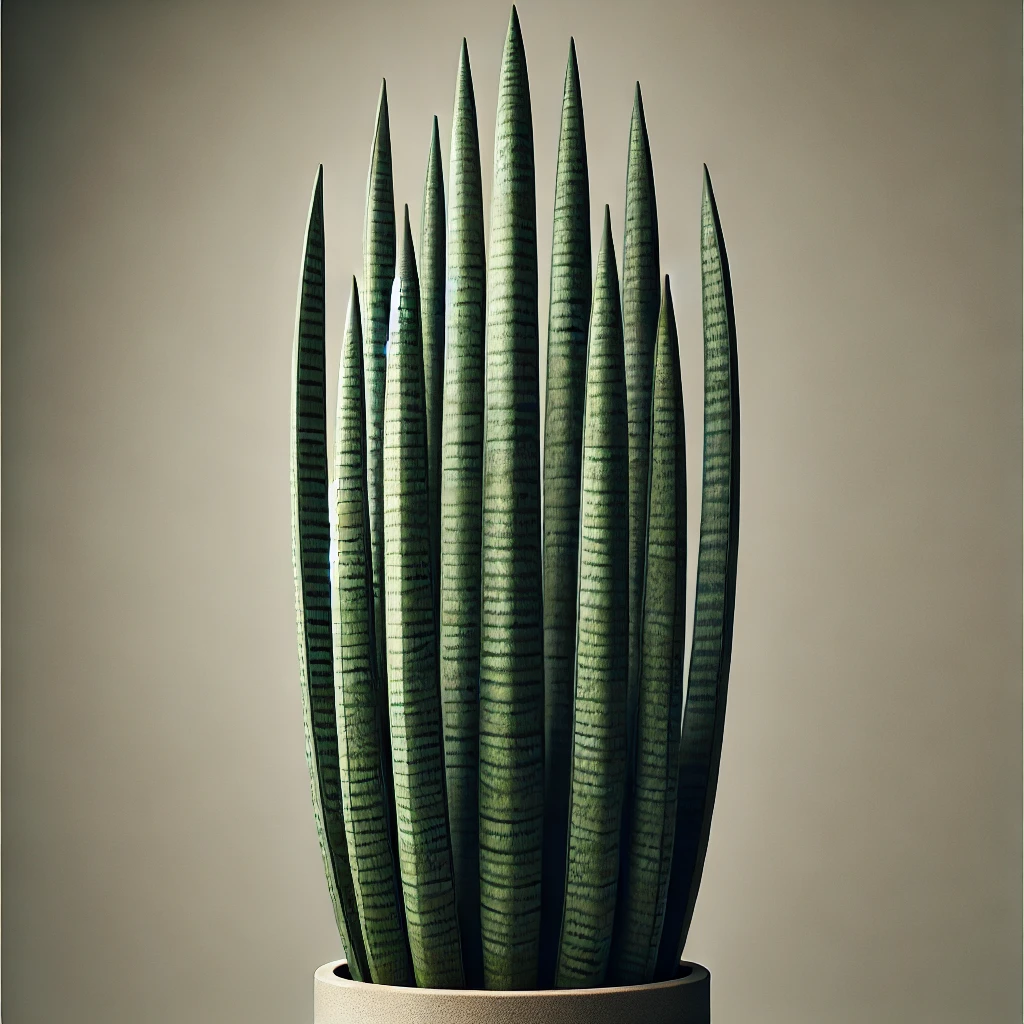
Sansevieria-Fernwood This low maintenance succulent plant is great for beginner or busy plant parents as they don’t need much tending to and will grow in most environments! However, just because Sansevieria Fernwood plants are low maintenance, this doesn’t mean they are immune to the most common problems that most plants face. If the care routine or environment isn’t right then they will start to develop issues from brown or yellow leaves, as well as your Sansevieria Fernwood drooping down entirely. In this post, we will go through some of the most common problems that Sansevieria Fernwood plants suffer from as well as the right ways to fix the issue and tips to stop it from hurting your plant more in future.

Causes of Sansevieria Fernwood brown leaves:

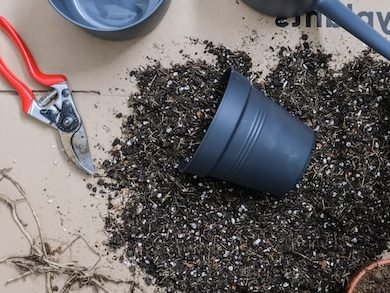
  1. Overwatering.This tends to be one of the most damaging issues as you don’t often realise it’s happening until it’s causing issues with the leaves, at which point the problem will have progressed quite far. Waterlogged soil can very quickly rot the roots of your Sansevieria Fernwood and cause brown soft leaves. To figure out if overwatering is the reason your Sansevieria Fernwood is turning brown, check the moisture levels in the soil immediately and replace it with dry mix if soggy. Use this opportunity to trim away the rotten roots and hold off on watering as much or as often as you did before. Note that Sansevieria Fernwood plants really don’t need much water at all.
  2. Underwatering.Funnily enough, the other extreme can also cause brown leaves on your Sansevieria Fernwood but these will be light brown in colour and feel dry and crispy. Before you start pouring a bucket of water over your Sansevieria Fernwood to make up for the lack of moisture, it’s important to be sure that this is the cause of the brown leaves. Check to see if the potting mix is dry and crumbly and if the roots are starting to crisp up. Sansevieria Fernwood plants love dry soil so this alone won’t signify underwatering, so it’s important to look at the root system to confirm this issue. Water your plant a little bit once a day for a few days rather than all in one go as this can shock your plant and cause a whole range of other issues beyond brown leaves.
  3. Low humidity can cause brown tips.Sansevieria Fernwoods can deal with lower humidity rooms quite well but if the air is very dry for prolonged periods of time this can dry out the tips of the leaves. It’s rare to affect an entire leaf but small brown tips and edges can be caused by low humidity. Sansevieria Fernwoods are sensitive to leaf rot so you want to avoid misting or showering these plants so we recommend using a humidifier in the room every now and again to give it a little boost but nothing major.

Causes of yellow leaves on a Sansevieria Fernwood:

  1. Overwatering.Whenever diagnosing yellow leaves, we always rule out overwatering first as it is the most common reason. Sansevieria Fernwoods really don’t need much water to thrive and actually prefer to have very dry potting mix. This means it can be very very easy to overwater them and cause the leaves to rot and the leaves to turn yellow.If you think that your Sansevieria Fernwood has been overwatered then you must check the moisture levels in the soil immediately. Trim away the dead mushy roots if the issue has progressed this far and replace the entire potting mix if waterlogged. You might want to think about adding some perlite to your mix if you haven’t already as this helps with drainage and preventing more yellow leaves from developing.
  2. Direct sunlight.Intense, direct sunlight can also cause yellow leaves on Sansevieria Fernwood plants. Although they can tolerate some level of direct sun, you need to be careful during summer that this doesn’t burn the leaves as this will lead to burnt yellow patches across your plant. If you think that direct sunlight is the cause of the yellow leaves on your Sansevieria Fernwood, remove the worst affected leaves and vines and move your plant to a slightly shadier spot in your home.
  3. Pests.If you notice yellow spots forming on your Sansevieria Fernwood’s leaves then this might be a pest infestation. Although it’s fairly rare for indoor plants to attract pests, it can happen and is often a real pain to solve as the infestation can grow quite rapidly and all of a sudden the rate of yellowing speeds up. Give your Sansevieria Fernwood a thorough check over to spot any pests or signs of pests and isolate it from other plants to prevent the bugs from jumping across the leaves. To treat the issue, pop your plant in the shower, rinse down the leaves with water and let them dry off. Then treat with neem oil for a few weeks.

Why is my Sansevieria Fernwood losing leaves?

  1. Overwatering.If you find that your Sansevieria Fernwood is starting to lose leaves and become limp, then it may be too much water that is causing the issue. As we outlined above, Sansevieria Fernwood plants really don’t need much water compared to most other houseplants which can make it easy to overwater them. Check the moisture of the soil immediately using a moisture meter before adjusting your watering routine.
  2. Cold temperatures.Another factor that can cause your Sansevieria Fernwood to lose leaves and become quite limp is exposure to cold air. Whilst this won’t happen suddenly, if your plant is near a drafty window or door or is close to an air conditioning vent in summer, this constant flow of cold air can become very damaging. The ideal temperature for Sansevieria Fernwood is between 18°C – 24°C so check the temperature of where your Sansevieria Fernwood is by using a digital thermometer.

Why is my Sansevieria Fernwood drooping?

  1. Overwatering.As you might have gathered by now, a lot of issues with Sansevieria Fernwood plants are caused by overwatering. One of the earlier signs of this however is a drooping plant. This is an indication that the root system is starting to rot but that the problem hasn’t become bad enough to cause brown leaves yet.Luckily, some drooping can be reversible so make sure to switch out any waterlogged soil for fresh soil so that your plant can begin the recovery process. In future, to avoid your Sansevieria Fernwood from drooping due to overwatering, make sure that the potting mix has had time to fully dry out before watering again. Self-watering pots and a good moisture meter will make sure that you don’t run into this issue again.
To learn more about how to keep your plant happy and healthy, take a look at our Sansevieria Fernwood care guide.

Fiddle and Thorn is a participant in the Amazon Services LLC Associates Program, an affiliate advertising program designed to provide a means for sites to earn advertising fees by advertising and linking to Amazon.com

Take our houseplant survey!

Quickly respond to our 30 second houseplant survey and get 75% off our Complete Houseplant Care eBook!

Take the Survey

No thanks…

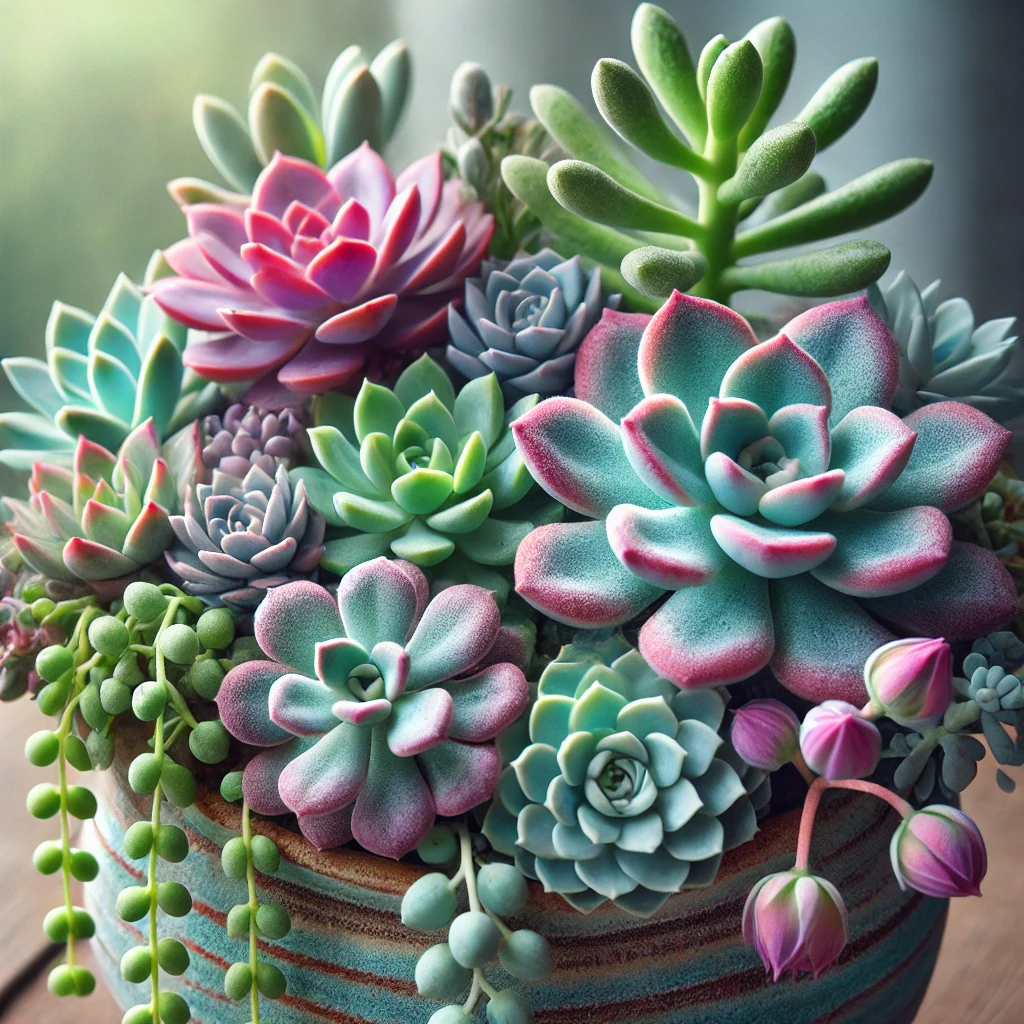
Are you Propagating your Succulents Properly?

Last Updated: January 17, 2022

Succulents

Why propagate your succulents?

There are so many reasons why you might want to try your hand at propagating your succulents, but every time something seems to be going wrong. Well in this post we’re going to quickly go over the two best ways of propagating your succulents and touch on some key issues for why you might not be getting the successful succulent pups that you want so much.

Propagating by Separation

By far the easiest way to get more succulents fast is by separating succulents that are already dividing. You’ll notice this happening much more in older, more mature plants as small pups growing around the outside of the main plant. This is an indication that your healthy older plant is starting to self divide, and you can just gently remove them at the root and get them potted into their own succulent mix.

What can go wrong?

With separation there aren’t that many issue you can run into. The main thing that comes to mind is trying to separate a succulent pup before it’s really ready. If you spot a pup growing from your parent plant, give it a little time to develop and get stronger before you remove it and set it in it’s own soil. When you’re separating the pup, also make sure that you don’t damage to much of the root system of either plants. Roots grow quite slowly and any damage to them will cause a real issue for the survival of the plant. Just take things nice and slow, and try to untangle, instead of cut, where possible.

Propagating by Leaf Cuttings

Now if you want to get the most possible succulent pups in the least time, this is the way to go for you. You can even give this one a go if you find leaves falling off your older succulent as it should work just the same. All you need to do is remove a few of the leaves that you’re not keen on from your older, mature plant and set them on a paper towel to dry out. These will grow some roots of their own and the cutt end will callous over. Once you’ve got roots you can get them planted in their own pots! As you can imagine, this can produce a lot of plants super quickly.

What can go wrong?

The number one issue we find people have is not letting the leaves dry out properly. It’s key to get them lay on a piece of paper towel just in a open surface (preferably out of the sun for a little while). Doing this lets the paper towel wick up any extra moisture and gets the conditions right for the leaves to start rooting. Another common issue could be not being patient enough. The leaves will likely wilt and start to shrivel up at some point in the process, and that’s exactly what they’re meant to do – don’t throw them out! Just give them some more time until the roots appear. The wilting is caused by the leaf using the water it has stored to start developing the new plant.

Other problems you could be running into are…

If you find that your succulent is starting to go a little yellow in the leaves, it’s telling you it’s not happy with the amount of light it’s getting. Annoyingly it could mean too much or too little, so make a judgment call and move it around until it starts to come back to green (or red!). Drooping could be another problem, and this one is super easy to solve. You just need to water it a little more than you currently are. Don’t drown it, but maybe give it a little more next time and it’ll spring back to the shape it should be. Succulents can be a little dramatic at times with their watering requirements so just see what’s going on and react with it. As the weather and temperatures change throughout the year you might find that it will need more or less water, so just keep an eye on what your succulent is trying to tell you!.

Fiddle and Thorn is a participant in the Amazon Services LLC Associates Program, an affiliate advertising program designed to provide a means for sites to earn advertising fees by advertising and linking to Amazon.com

Take our houseplant survey!

Quickly respond to our 30 second houseplant survey and get 75% off our Complete Houseplant Care eBook!

Take the Survey

No thanks…

Why is my Cactus turning brown? Causes and How to Fix it!

Last Updated: January 17, 2022

why-is-my-cactus-turning-brown There are thought to be around 2,000 different Cacti types found globally, each with their own traits and characteristics. However, no matter what variety of Cactus you have, if you spot brown leaves forming on it then that can be an issue. Although some browning may be due to natural corking (more on that below), there are a couple of more serious reasons issues causing the brown leaves on your Cactus. In this post, we will be going through each of the different reasons why your Cactus has developed brown leaves, as well as how to best treat the issue and prevent it from causing any more brown leaves, patches or spots on your Cactus.

It might just be natural corking

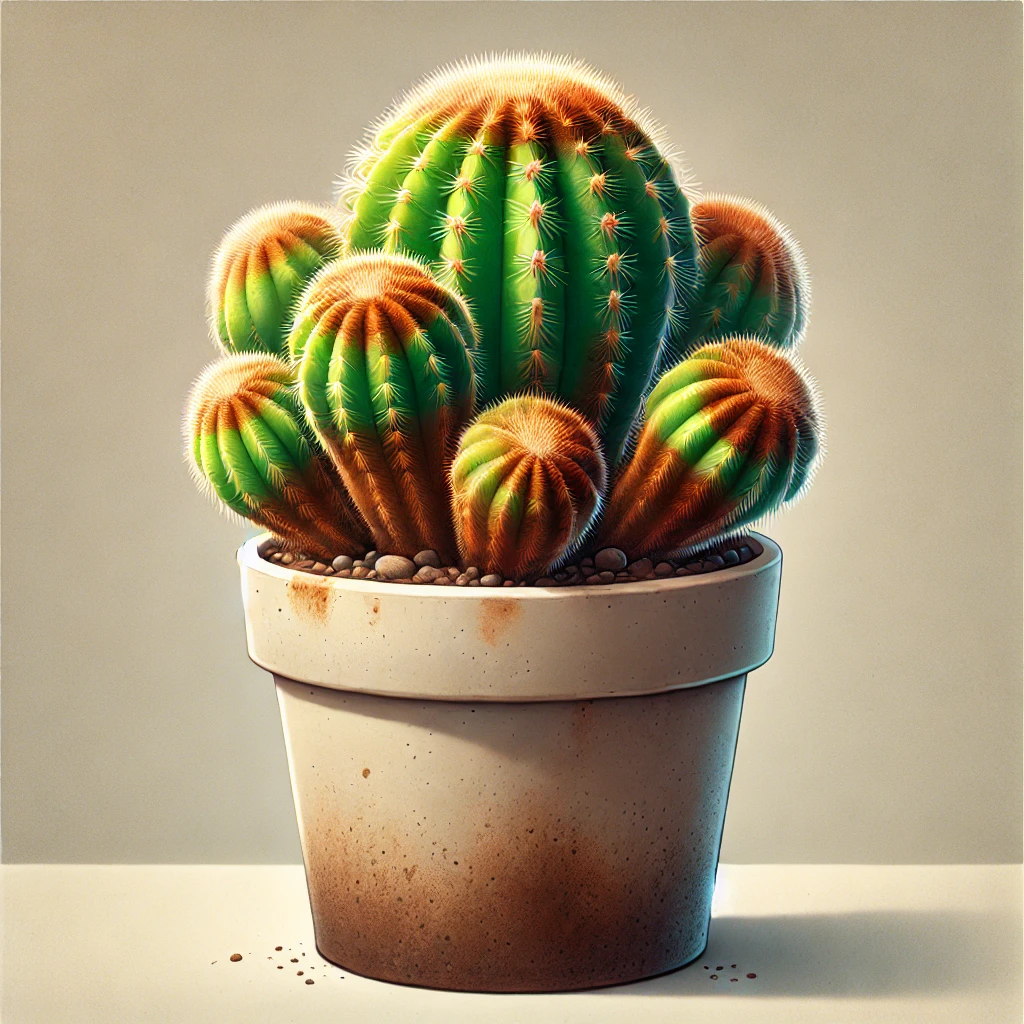
If your Cactus is turning brown from the base upwards, then it might just be the natural corking process. In order to protect themselves from breakages, Cacti develop a corked bottom which sort of resembles bark on a tree. As Cacti mature they become quite top-heavy which makes them susceptible to falling over and breaking so corking is their natural survival tactic. The corked area of your Cactus will appear light brown in colour and be quite sturdy to touch. This is a completely normal process and is not the result of any wrong care or environmental factor. If you don’t like the appearance of the corked area on your Cactus, then you have the possibility of propagating the top and creating a new plant. However, if the brown area of your Cactus is soft, or not formed from the base upwards, then there is an underlying issue that needs to be solved. Below we will go through each of these factors.

Too much water can cause soft brown patches on Cacti

If your Cactus is developing dark brown spots, a common cause of this is too much water and soggy potting mix. Cacti really don’t need much moisture to thrive and need their potting mix to fully dry out before you water again. The best way to water your Cactus is rarely but thoroughly rather than little but often as they don’t like consistent moisture. Overwatering can quickly lead to root rot which is very harmful to your Cactus. Alongside browning leaves, it can also cause the plant to become unstable, soft and droopy. If not caught quickly, this can often be a killer for your Cactus as they don’t have much tolerance for moisture at all. If you think you might have overwatered your Cactus it’s important to check the soil right away and change it out if it’s quite soggy. Never let it dry out naturally as even a few more days in soggy soil can make the difference between being able to save your Cactus, and not! Moving forward, to avoid more brown leaves being caused by overwatering, make sure to check the moisture in the soil every time before watering your Cactus. The easiest way to check this is by digging your finger into the top two centimetres of the soil to see how moist it is. However, if your Cactus has quite large sharp spikes, then you might be better off using a moisture meter to avoid getting hurt. We also recommend picking up your Cactus before and after watering. This should give you a feel for when your plant might need a little more water, simply by giving them a lift.

Your cactus might be sunburnt

Sunlight is one of the main factors that cause Cacti to develop brown leaves. There is a myth that Cacti can withstand any level of sunlight, no matter how intense. However, this isn’t always true and if your Cactus receives too much light and heat then it can lead to the top areas developing dry brown patches. Sunburn usually affects the top of a Cactus, so look out for this as a way to diagnose the issue. It does, however, depend on how the light is hitting your plant so as a good rule of thumb, the area that is exposed to the most intense light will turn brown first. If this is the cause of the brown leaves, cut off the tops of your Cactus to remove the worst affected areas and move to a slightly shadier spot. Your Cactus will then grow new pads out of the top of the sliced off area.

Temperature extremes can also result in brown patches

Cold temperatures and drafts can also be very harmful to your Cactus as they need warmth to thrive. Make sure your Cactus is not placed near doors or windows that may be drafty as the cold air coming in from outside can be very harmful for your Cactus (especially in winter). If the issue is happening in summer, then it can also be cold air coming in through AC vents that is causing your Cactus to develop brown leaves. This is because all cold air will cause the potting mix to dry out slower, cells in your Cactus to freeze and enzyme activity will be slower. It can be a really good idea to pick up a digital thermometer to keep track of any fluctuations in temperature and make sure that your Cactus is getting enough warmth. Those are the most common reasons that Cacti develop brown leaves. Although they are known for being super hardy and low maintenance plants, it doesn’t make them immune to any issues such as brown leaves. It’s important to rule out corking as this can be quite common on Cacti and is completely normal. After all, you don’t want to be changing the care or environment for your Cactus if nothing is actually wrong. To learn more about how to best care for your plant, take a look through our Cactus care guide. 

Fiddle and Thorn is a participant in the Amazon Services LLC Associates Program, an affiliate advertising program designed to provide a means for sites to earn advertising fees by advertising and linking to Amazon.com

Take our houseplant survey!

Quickly respond to our 30 second houseplant survey and get 75% off our Complete Houseplant Care eBook!

Take the Survey

No thanks…

Why is my ZZ Plant drooping? Causes and Solutions

Last Updated: January 17, 2022

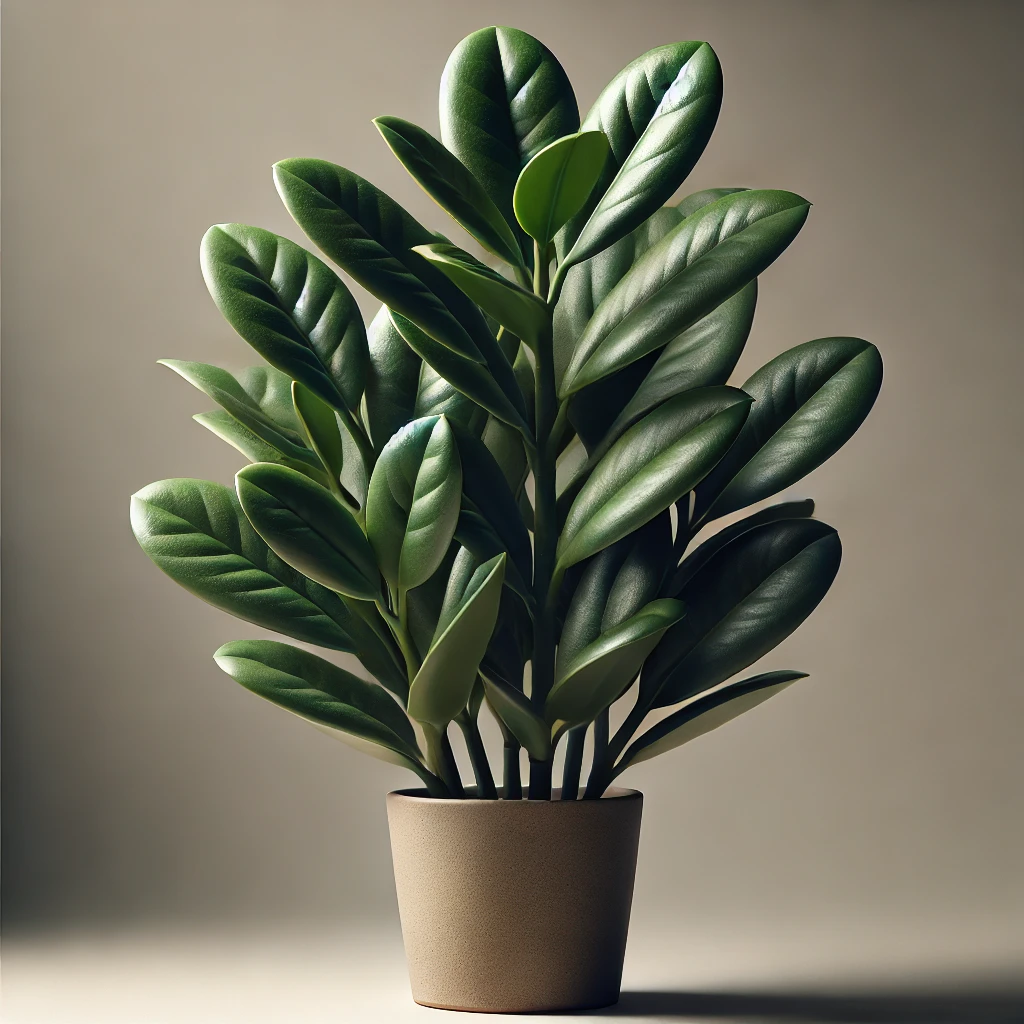
ZZ-Plant Loved for their elegant and minimalist stems, the ZZ Plant is one of our personal favourites. Although they can be fairly low maintenance, it can happen from time to time that their stems begin to droop down and your ZZ Plant will begin to look limp. To get to the bottom of why your ZZ Plant is drooping, we will go through each of the potential causes below as well as give tips on how to diagnose the issue correctly, treat the problem and stop it from happening again in future.

Overwatering can cause a ZZ Plant to start drooping

One of the most common causes of drooping ZZ Plant leaves is consistent overwatering. If drooping leaves are the only thing that seems to be wrong with your ZZ Plant, then this is good news – it means that the problem is in the early stages and should be easier and quicker to fix. Some other signs of trouble that can indicate overwatering alongside drooping stems are soft, brown or yellow leaves, leaf drop and stagnant-smelling potting mix. The reason why overwatering can be so harmful to your ZZ Plant is that it causes waterlogged soil which cuts off air circulation in the potting mix. This can happen pretty quickly as ZZ Plants prefer their soil to be very dry compared to most other houseplant types. Once the roots have started to rot, it prevents the plant from taking in any oxygen, nutrients and ironically moisture. This is what turns the leaves brown and yellow or causes your plant to lose them. But alongside this, once the roots are damaged, it means it can’t physically support the plant anymore, causing the softer stems to start drooping down. Before you change anything about how much or how frequently you are watering your ZZ Plant, you need to be 100% sure that this is the cause of the drooping leaves. The first thing to do is to take your plant out of its pot which will allow you to closely inspect the potting mix and root system. If the potting mix feels soggy and clumpy, then this means your plant has been overwatered. If the roots are soft and mushy it suggests that this issue has been going on for a while.

How to fix an overwatered drooping ZZ Plant

To solve the drooping stems issue, there are a few important steps you can take. Firstly, replace any waterlogged potting mix with fresh dry mix. Don’t wait for the soil to dry out on its own as this will only make the problem worse over the next few days and you risk causing even more damage to an already rotting root system. Next, you want to trim off any soft and mushy roots. These will be black or dark brown in colour and be soft to touch. Removing these will prevent your ZZ Plant from wasting energy trying to keep them alive.

How to prevent the problem from happening in future

Now that your ZZ Plant should be on the road to recovery, there are a few things you can do to prevent the issue of drooping stems from cropping up again.
  1. Only water when the potting mix is dry.The most accurate way of knowing when to water your ZZ Plant is using a moisture meter. They are affordable little devices that you pop into the soil and it will give you a moisture reading.
  2. Ensure good drainage.This will help solve the occasional accidental overwatering as it allows some of the water to escape. Make sure your pot has drainage holes and you are using a well-draining potting mix that includes perlite. We also recommend switching to terracotta pots as they allow excess water to evaporate out of the sides.
  3. Adjust your watering schedule depending on external factors.Although watering calendars can help us remember to water our plants, they aren’t actually the best thing for our houseplants. There are countless factors that impact how quickly the soil dries out and therefore how much water your ZZ Plant needs such as pot size, plant age, light level, temperature and time of year. There’s no one fits all timeline which is why moisture metres are such helpful devices.

Severe underwatering can also be behind a drooping ZZ Plant

Consistent underwatering and bone dry soil can harm your ZZ Plant in more ways than one. It can cause dry leaves, stunted growth and nutrient deficiency. However, before all this occurs, drooping stems are often one of the earliest warning signs. This means if there aren’t any other visible issues, you’ve probably caught the issue fairly early. When diagnosing underwatering in ZZ Plants we often recommend moving the entire plant from its pot as this allows you to inspect the root system. Because these plants don’t require much water, more often than not the soil will be quite dry. This is why you want to look out for crispy roots as a sign of underwatering. Once you’ve diagnosed the issue, your first instinct might be to give it loads of water straight away. However, this can actually be harmful to your ZZ Plant if the soil goes from one extreme to the other. Instead, you want to reintroduce frequent watering for a week or two and this should solve the problem Moving forward, you should adjust your watering habits so that you are watering either more frequently than before or giving your ZZ Plant more water each time.

Not enough sunlight can cause drooping stems

Another cause of drooping ZZ Plant leaves is a lack of sunlight. ZZ Plants can grow in medium light conditions so are more tolerant to shady corners than other houseplants. However, if there is a severe and consistent lack of sunlight, it can start to cause some issues, drooping stems being one of them. The best thing to do is move your ZZ Plant to a spot in your home that gets bright but indirect light. Avoid anywhere too close to windows as your plant will struggle with intense direct sunlight. After a few weeks, you should start to see the leaves bounce back.

Physical damage can also cause a drooping ZZ Plant

ZZ Plants have pretty long stems which means that they can often droop down if they are damaged in any way. If your ZZ Plant is in a high-traffic area of your home and might get knocked about a bit then this might be why the stems are drooping. If there are no other signs of trouble, drooping stems due to physical damage don’t have to mean the end of your plant. We recommend propping the affected leaves up with support stakes to encourage them to regain their stability. You also want to make sure to move your ZZ Plant to a quieter part of your home (where it’s still getting enough light) so that the risk of damage is minimised. Those are the main causes of a drooping ZZ Plant. As these are fairly hardy plants, it means the issue has probably been going on for a while or is quite extreme for it to be causing visible damage to your plant. Diagnosing it quickly and treating it properly will be key to reviving your ZZ Plant! To learn more about how to keep your plant happy and healthy, read through our ZZ Plant care guide.

Fiddle and Thorn is a participant in the Amazon Services LLC Associates Program, an affiliate advertising program designed to provide a means for sites to earn advertising fees by advertising and linking to Amazon.com

Take our houseplant survey!

Quickly respond to our 30 second houseplant survey and get 75% off our Complete Houseplant Care eBook!

Take the Survey

No thanks…

Why are my Peace Lily’s leaves curling?

Last Updated: May 2, 2022

If you notice that your Peace Lily’s leaves are curling then this may be signalling that something isn’t quite right. Luckily, however, curling leaves are often an early sign that something is wrong so it can mean you have caught the issue early which is great. In this article, we will be going through each of the different causes of curling leaves on a Peace Lily so that you can get straight to diagnosing and treating the problem.

Curling Peace Lily leaves can mean underwatering

If the leaves on your Peace Lily are starting to develop brown tips, edges, spots or entire leaves are turning brown as well as curling, then it may be due to underwatering. Peace Lily plants like to have some moisture in the soil and are definitely not drought tolerant. Because of this, we tend to take a little but often approach when it comes to watering. This also prevents them from dramatically drooping down as well. If you think your Peace Lily has been underwatered and this is causing the curling leaves then check the soil before you change anything! You want to make sure the soil definitely is dry before giving it more water as otherwise, this can cause more issues than the curling leaves. The most reliable way to check the moisture levels in the soil is by using a moisture meter. They are really affordable little devices that you pop into the soil and it will tell you how damp or dry the soil is. We always recommend this one from Amazon. Your first reaction to an underwatered Peace Lily might be to drown it in water in the hope it will suddenly recover and stop the leaves from curling. However, this can actually cause your Peace Lily to become quite stressed if its environment suddenly changes so the best thing to do is gradually introduce water over the course of a week. To prevent further underwatering causing the leaves on your Peace Lily to start curling, it’s important that you increase the frequency or amount of watering. You want to prevent the soil from fully drying out for extended periods of time.

Overwatering can also cause curling leaves

As with underwatering, too much water can also be very harmful for your Peace Lily and cause curling leaves. Consistent overwatering will mean that the roots start to rot and become damaged. This means your plant won’t be able to get the needed nutrients and moisture that it needs which ironically leaves your Peace Lily dehydrated. To prevent moisture loss, your Peace Lily will begin curling its leaves. To figure out if overwatering is definitely the cause of your Pilea’s brown leaves, we recommend checking the moisture levels in the soil is with a moisture meter. If it is waterlogged then replace it with fresh potting mix (we love this one from Miracle Gro as it will give your plant all the right nutrients) to allow your plant and its roots to recover. Alongside refreshing the potting mix, you also want to trim off any roots that have started to rot. The best way to tell this is if they have started to turn dark brown or black in colour and are soft to touch. By removing these dying or dead roots, it means your Peace Lily can focus on growing new healthy growth and doesn’t waste any energy trying to keep the dying or dead roots alive.

Curling leaves can indicate cold temperatures

This is quite a common cause of curling Peace Lily leaves and one that is quite easy to diagnose as well. As they are native to tropical areas, Peace Lilies thrive in warm temperatures. They can adapt to normal room temperatures but extreme drafts and cold rooms can really start to impact your plant’s health, causing their leaves to start curling to begin with. Over time, cold temperatures can also cause brown leaves, stagnant leaves and leaf drop so it’s important you catch this one early. To diagnose the problem, use a digital thermometer to check the temperature around your Peace Lily. This will help you keep track of any fluctuations. Treating the issue is also simple as you just need to find a slightly warmer spot for your Peace Lily and the leaves should begin uncurling.

Lack of humidity might also be the cause of the curling leaves

Although slightly dry air won’t immediately kill your Peace Lily plant it can cause curling leaves and brown leaf tips. This is because curling leaves is one of the mechanisms Peace Lilies use to prevent moisture loss.

There are several different methods you can use to increase the humidity for your Peace Lily:

  1. Mist the leavesThis is something you should build into your regular Peace Lily plant care routine as it’s really great for their overall health and can prevent brown leaf tips as well as curling leaves.   Mist the leaves a few times each week with a spray bottle. We love using these amber glass spray bottles from Amazon.
  2. Shower your Peace LilyThis is a more short-term solution but is great for overall plant health as it gets rid of dust and pests that might be secretly living on your plant. Just make sure not to have the shower on full water pressure as this can damage the leaves or stems.
  3. Invest in a humidifierHumidifiers are a must-have for any plant parent and are a great investment in the long-term health of your plant! Our plants love this one from Amazon!
Those are the most common reasons why your Peace Lily has developed curling leaves. Hopefully, if there aren’t too many other problems along with the curling leaves then you should have caught the problem fairly early and after a few simple changes, your Peace Lily should be back to full health in no time. If you want to find out more about Peace Lily care visit our plant care guide here.

If you want to find out more about how to best care for your Peace Lily then visit our Plant Guide or download our How to Care for your Houseplants ebook.


Complete Houseplant Care eBook

Our comprehensive (and rather good looking) eBook that will teach you everything you need to know to successfully care for, and maintain your houseplants!

Buy on

Fiddle and Thorn is a participant in the Amazon Services LLC Associates Program, an affiliate advertising program designed to provide a means for sites to earn advertising fees by advertising and linking to Amazon.com

Take our houseplant survey!

Quickly respond to our 30 second houseplant survey and get 75% off our Complete Houseplant Care eBook!

Take the Survey

No thanks…

Why is my Ponytail Palm dying? Causes and Solutions

Last Updated: April 1, 2022

 Ponytail Palm Although Ponytail Palms can be quite forgiving when it comes to their care and environment, this doesn’t mean they are immune to all issues. If your Ponytail Palm is showing signs that it might be dying, then it’s vital you act quickly to correctly diagnose the issue and make the needed changes. Below we will be going through each of the potential reasons why your Ponytail Palm is dying, alongside tips on how to make the right diagnosis, treat the issue and also prevent it from happening again in future.

Lack of sunlight can cause a dying Ponytail Palm

If your Ponytail Palm has been growing in darker areas of your home, then you probably need to adjust the light levels to revive it. Leggy or stunted growth is a classic sign of a lack of sunlight and you might even find your Palm growing towards the sunlight. It’s important that you monitor the light levels around your home and how they change throughout the day. Your Ponytail Palm might be getting the right amount of light in the morning, but much too much in the evening for example. The light level will also dramatically change throughout the year, so if you’ve found a great spot for your Ponytail Palm in summer, it may mean it’s not getting enough light in winter and might start dying as a result. To monitor the light level, and to be sure your Ponytail Palm is getting the right amount, use a light meter. If you have established that your Ponytail Palm is dying due to lack of sunlight, you’ll want to move it to an area in your home that gets more sunlight. However, be careful not to move it to direct sunlight as this will cause a whole range of other issues for your Ponytail Palm. However, if there isn’t a better spot in your home to help revive your dying Ponytail Palm, then it’s not all lost. We recommend purchasing a LED light to encourage new healthy growth. They are also great for your other houseplants if they don’t get as much light during winter or can be used when growing seeds/cuttings so are a great investment for every plant parent.

A dying Ponytail Palm can also indicate overwatering

Overwatering is one of the most common causes of problems across all houseplant types. This is why we usually start with it as the first port of call when looking for a problem. Ponytail Palms don’t like sitting in puddles of water for long periods of time and as they are a type of succulent plant, they need their potting mix to dry out between waterings. If this doesn’t happen it can cause damage to the root system and mean your Ponytail Palm will lose leaves, and become droopy and soft. To figure out if overwatering is the reason your Ponytail Palm is dying, check the moisture levels in the potting mix immediately. You can do this either by using a moisture meter, the chopstick method or by removing your plant from its pot. If the soil is quite waterlogged and clumpy then replace it with fresh dry mix which will allow the plant to start to recover. If you do remove your Ponytail Palm from its pot then you also want to look out for black or dark brown mushy roots and trim these off. To prevent your Ponytail Palm from dying due to overwatering in the long term, you want to cut back on how frequently you are watering it. Make sure that the potting mix has fully dried out before watering again.

Cold temperatures can also cause a dying Ponytail Palm

Another potential factor that may be causing your Ponytail Palm to begin dying is extreme temperatures, in particular cold air and consistent drafts. As they are tropical plants, Ponytail Palms need warm environments to really thrive and can get quite shocked and damaged by drafts coming in from outside or air conditioning vents. Whilst you might never feel the cold air coming through cracks in doors and windows, if your plant is right next to a small stream of cold air it can really harm your plant during winter, causing it to freeze and start dying. Whilst this issue won’t kill your Palm from one day to the next, over time it will start to cause issues. Make sure that you draft-proof any windows or doors that are close to your Ponytail Palm (as well as any heat-loving tropical plants) and trim off any dry or damaged leaves.

You may be over-fertilizing your Ponytail Palm

This is a really easy thing to do with Ponytail Palms because you might think it’s fine to use the standard houseplant fertiliser diluted into the water, or added to the potting mix in pellets or sticks. However, Ponytail Palms really don’t need much fertiliser and an excess might be why it’s dying. The reason that overfertilization is so harmful to a Ponytail Palm is that the excess forms around the roots, starving them of needed oxygen, nutrients and moisture from the soil.   To solve the issue, flush out the soil or remove the fertilizer sticks. If you have used pellets then it’s best to replace the entire potting mix with fresh mix to allow your dying Ponytail Palm to begin the recovery process. Moving forward, hold back fertilizing for about a year and then continue very lightly if you choose to. Ponytail Palms really don’t need much fertilizer and will thrive without it.

Pest infestation might be what’s behind your dying Ponytail Palm

Although it’s rare for indoor-only plants to develop a pest infestation, it’s definitely worth checking over as the impact can be devastating. Over time pests can suck on the leaves of your plant, suffocating them which slowly kills your Ponytail Palm. To diagnose the issue, look out for pests or signs of their existence on your plant. These include yellow or brown spots across the leaves, holes in the leaves, white powder or webbing and, of course, actual insects on the leaves. If you spot a pest infestation on your dying Ponytail Palm the first thing you need to do is isolate your plant from any others in the room. Make sure it is at least 1 metre away from any other plants as pests can spread if the leaves are close. Then you want to wash down your plant and treat it with an insecticidal spray. If you have caught the issue relatively early then you should be able to curb the infestation and revive your dying Ponytail Palm. However, if the issue progresses for some time, you might need to say goodbye to your plant to minimize the risk of pests spreading across your entire urban jungle. Those are the most common reasons why a Ponytail Palm might be dying. The key to solving the issue quickly is catching the problem as early as possible. This is why we always recommend that plant parents conduct regular checkups on their houseplants to look for any early warning signs. Doing this gives you the best chance of spotting the issue before it has progressed too far. Then, once you’ve made the necessary adjustments to either your care routine or your Ponytail Palm’s environment, monitor your plant daily to ensure it’s no longer showing new signs of it dying. To learn more about how to keep your plant thriving, check out our Ponytail Palm care guide.

Fiddle and Thorn is a participant in the Amazon Services LLC Associates Program, an affiliate advertising program designed to provide a means for sites to earn advertising fees by advertising and linking to Amazon.com

Take our houseplant survey!

Quickly respond to our 30 second houseplant survey and get 75% off our Complete Houseplant Care eBook!

Take the Survey

No thanks…

Why is my Pothos Plant turning brown? Causes and Solutions

Last Updated: April 1, 2022

Pothos Plant
Pothos plants have incredible foliage and are pretty easy to care for so their popularity has soared in recent years. Dorning every bookshelf from New York to Sydney, these incredible hanging plants are definitely one of our favourite houseplant types. However, it can happen that the gorgeous leaves start to turn brown if something isn’t quite right which is pretty worrying for us plant parents. In this post, we will be covering the different causes of brown Pothos leaves, as well as how to fix the issue and prevent any more brown leaves from occurring.

Lack of humidity

If your Pothos has brown dry leaf tips rather than the leaves fully turning brown, then a lack of humidity is the most probable cause. Pothos plants will struggle in homes with quite dry air, especially in winter where heating and a lack of ventilation can leave the air in your home a lot dryer than in summer. But don’t worry, if dry air is the cause of the brown leaf tips then there are some really easy and cheap solutions that will prevent the problem from getting any worse.

Mist your plant every few days

This is one of the easiest ways to increase the humidity for your Pothos and solve the issue of brown leaf tips. Mist the leaves of your Pothos several times per week with a spray bottle. It’s best to mist your Pothos earlier in the day so the water droplets will evaporate off the plant before temperatures fall at night. If the leaves of your Pothos are still wet when in cold temperatures, it can cause the leaves to rot which can kill your plant and cause more than just brown leaf tips.

Give your Pothos a shower

Another easy method to prevent brown leaf tips on your Pothos is showering your plant. Regularly washing your plant down with water also gets rid of dust and potential pests that might be on your Pothos so we recommend doing it every few months even if there aren’t any brown leaves. Make sure to shower your Pothos with temperate water so you don’t shock or burn your plant.

Placement in your home

Depending on the light levels and amount of space you have in your bathroom or kitchen, it can be a good idea to move your Pothos in there. The humidity level in these rooms is often higher than in other areas of your home because of the steam released when showering and cooking. Just don’t put your plant too close to the cooker or the intense heat will burn the leaves and cause more brown patches on the leaves.

Use a humidifier

If you find yourself forgetting to mist or bathe your plant, then the humidifier is the best option. They can be really affordable and will raise the humidity without you really needing to do very much. We couldn’t recommend them more!! If you want to know more about how to raise the humidity for your Pothos then check out our humidity guide.

Overwatering

Consistent overwatering is another reason why your Pothos has developed brown leaves. Pothos plants don’t like sitting in puddles of water for long periods of time but will forgive you if you overwater once or twice. If the problem persists then it will start to rot the root system which cuts off your plant from nutrients and oxygen. This then prevents your Pothos from photosynthesising properly and the leaves will turn brown. To figure out if overwatering is the reason your Pothos is turning dropping leaves (as you don’t want to hold off watering your Pothos if this isn’t the cause of the brown leaves), check the moisture levels in the soil immediately. If the soil is quite waterlogged and clumpy then replace it with fresh dry mix. Trim away any leaves and roots that have turned brown and soft, rotten roots as you don’t want your Pothos wasting precious energy on these. To prevent any more brown leaves from occurring, adjust your watering schedule moving forward, so you aren’t watering your Pothos as much or as often as you were before.

Underwatering

Another cause of brown Pothos leaves is consistent underwatering. If this is the case, the leaves will be a lighter brown than when overwatered and will feel quite dry and crispy. To check that underwatering is the cause of the brown leaves on your Pothos plant, take your plant out of its pot to inspect the root system and potting mix or use a moisture meter. If your Pothos is suffering from a lack of water, slowly reintroduce water to your plant rather than drowning it. You don’t want to shock your Pothos as this can cause several other issues. Water them once a day for a week and this should help your Pothos get back to their normal self.

Too much fertiliser

Although slightly less common, overfertilization can also cause brown Pothos leaf tips. Pothos plants really don’t need much fertiliser and you can even skip it altogether if you’d prefer. At most, you want to be fertilising a couple of times throughout the growth period of spring and summer and not at all during the cold dark months of autumn and winter. If you’re fertilising more than this, or not diluting your water-soluble fertiliser enough, then it could be the cause of the brown leaves on your Pothos. If you have been using fertiliser dissolved in the water, then it’s an easy fix as you just stop adding it in. However, it’s a little more effort to remove if it’s mixed in the potting mix. Dig out any spikes that you have added in and replace the potting mix entirely if you have sprinkled fertiliser pellets. Hold off fertilising for several months to give your Pothos time to recover. Those are the most common reasons why your Pothos has developed brown leaves or brown leaf tips. We recommend going through each cause one by one and inspecting your Pothos at the same time. If you have caught the problem early and there are just a few brown leaves on your Pothos, then you should have no problem bringing your plant back to full health. They are quite resilient plants so don’t give up on your Pothos!

Fiddle and Thorn is a participant in the Amazon Services LLC Associates Program, an affiliate advertising program designed to provide a means for sites to earn advertising fees by advertising and linking to Amazon.com

Take our houseplant survey!

Quickly respond to our 30 second houseplant survey and get 75% off our Complete Houseplant Care eBook!

Take the Survey

No thanks…


Why is my Air Plant dying? Causes and Solutions?

Last Updated: February 7, 2022

 Air Plant dying Air Plants are different from nearly every other type of houseplant because they don’t need soil to survive (hence the name). But this can make caring for them and treating issues complicated because we can’t always just do what we know. There are quite a few reasons why your Air Plant might be dying so we have condensed all the important information into the post below so you can figure out what is killing your plant.

Your Air Plant might be dying due to watering issues

We have grouped over and underwatering together into this section because they are two sides of the same coin when it comes to these plants. Watering them is a very different routine than your normal soil potted plants. You need to soak them in a bath for about 20-30 minutes every week or so. You can also mist them occasionally if they are looking a little dry. However, too much or too little bathing will mean that your Air Plant will die. Either from the leaves rotting if there is too much moisture, or the leaves shrivelling up and drying out if they are not bathed or misted enough. It can be a tricky balance as each individual plant type is slightly different. If your Air Plant has flat leaves then it is perfectly hydrated. You only need to be concerned when the leaves start to curl inwards as this indicates that your Air Plant might be dying.

Chemical sensitivity might be harming your Air Plant

If you live in a hard water area then tap water is not always the best thing to use on Air Plants. The water contains chemicals such as fluoride that over time will impact your plant’s health and might be why it’s dying. There are two ways to avoid this problem that are free and don’t involve getting a whole purification system installed in your home. Firstly, you can leave a watering can full of tap water standing for over 24 hours. Over that time most of the chemicals with evaporate or sink to the bottom of the watering can. Then the only thing left to do is remember not to pour away the last few inches of water. The other method is to collect rainwater as it is a lot better to use that the treated water out of your tap.

Leaf burn can lead to a dying Air Plant

Another problem that may be causing your Air Plant to die is too much direct sunlight. They don’t mind the sun but if they are placed close to a window during summer, the intense sunlight can scorch the leaves. This is unfortunately irreversible so we recommend trimming away any burnt leaves to help revive your dying Air Plant. To avoid this problem move your plant a little further away from the windows during the summer so it gets less of that intense light directly falling onto its leaves.

Not enough sunlight can cause your Air Plant to die

Although direct light can cause leaf burn, not enough sunlight can also be really damaging to your plant and might be why it’s starting to die. They are not low light plants so will really struggle in shady corners or rooms with not much natural light. If you think that your Air Plant isn’t getting enough sunlight then move it to a brighter spot in the home and monitor how it reacts. It may mean that it needs more bathing and misting as a result of more light.

A dying Air Plant can indicate temperature extremes

Much like light and water, it is a real balancing act to get the right temperature for your Air Plant. They will struggle in both really cold temperatures and hot environments. The best thing to do is monitor the temperature with a thermometer to make sure the spot you have your plant is the right one. You want to make sure that the temperature doesn’t drop below 12°C (54°F) or rise above 30°C (86°F). Hotspots caused by radiators/cookers and draughts caused by cracks in windows or doors can also be really damaging to your plant. You might find that the overall temperature in the room is perfect, but are not detecting the hot spot or cold draft in the room which is causing your Air Plant to die.

Your Air Plant might be dying due to overfertilisation

This is a really easy thing to do with Air Plants because you might think it’s fine to use the standard houseplant fertiliser when you bathe your plant. Instead, there are some really great Air Plant specific fertilisers that are just the right strength for your plant. Remember that because your plant doesn’t grow in soil, the rules around fertiliser are a little different.

It may simply be natural ageing

Air Plants grow in cycles and produce offshoots and baby Air Plants. Unlike Spider Plants, for example, where the mother continues to thrive after growing babies, mother plants grow their pups until they are just as big as the main plant and will then die. This is just part of the natural cycle of many types of Air Plants. It’s not anything you did wrong or because of their environment. The best thing to do in this instance is to propagate the offshoots and nurture them until they themselves begin to produce their own plant babies! You will soon become really used to the natural cycle and how to spot the different stages. Those are the most common reasons why your Air Plant might be dying. There are quite a few variables and factors so it’s important to go through each one and investigate whether this is the main problem. Watering is always our first stop with plant problems as it is just so different from what we are used to with our other plants. If you want to find out more about how to care for your plant, or if you have any other more specific issues with it, then visit our Air Plant care guide.
 

Why is my Prickly Pear Cactus turning brown?

Last Updated: February 7, 2022

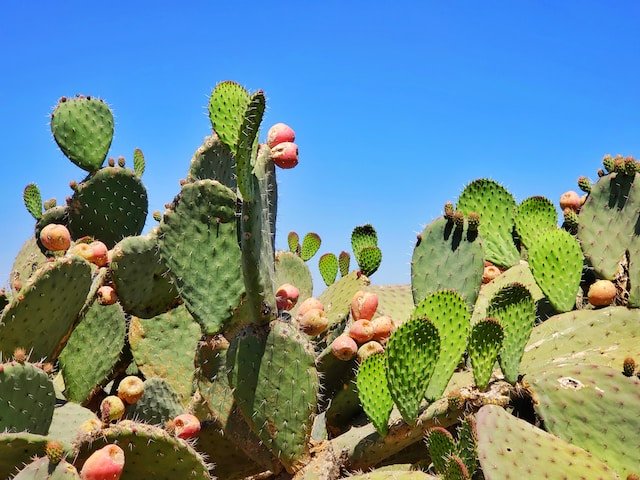
Prickly Pear Cactus Plant parents are often drawn to cacti due to their easy care requirements and striking appearances. However, if you notice some yellowing or browning on your Prickly Pear, it could be bad news for your beloved plant so you need to diagnose the problem fast to see how you can regain some healthy pad growth. The most common reason for browning on your Prickly Pear Cactus are: overwatering, sunburn, drafts and temperature shock and pest infestation.

Overwatering can cause brown leaves

It can be super easy to want to give your Prickly Pear Cactus all the care in the world. But too much love can actually be very harmful to your plant. Cacti in general can be pretty sensitive when it comes to overwatering which means it will quickly become soft, droopy and brown if given too much water. This will cause your Prickly Pear to become unstable and the pads will start to turn brown and mushy as they will not be able to get nutrients from the soil to maintain healthy growth. If you think that you may have overwatered your Prickly Pear Cactus and this is causing the brown leaves, it is best to replace the soil straight away rather than just sit and wait for it to dry up over time. Be careful when removing the soil from the roots as you don’t want to cause any further damage. Make sure to check the moisture in the soil before you water your Prickly Pear Cactus to avoid more brown leaves developing in future.. There are two really easy ways to make sure that it definitely needs water. First check the moisture at the top of the soil, if it is still damp then wait a few weeks before watering again. You can also lift up your Prickly Pear Cactus (whilst being cautious of the prickles of course) to check the weight of the plant before and after watering to gauge when the soil is dry. Bear in mind that your Prickly Pear Cactus really enjoys having dry soil and can go weeks/months without water depending on growing seasons so it is better to stay on the side of caution when watering.

Brown leaves can also be caused by sunburn

Cacti thrive in bright areas of the home/garden but can show symptoms of sunburn if moved from indoors to outdoors. This will show up as brown patches across the part of your Cactus that receives the most sunlight. This often occurs during the summer months where the sunlight is a lot stronger and out for longer periods of time. It may take some adjusting for your Prickly Pear to get used to the new light levels. Unfortunately, brown sunburn scars are permanent so you might want to think about re-locating your Prickly Pear to a slightly similar environment to what it was used to if it is struggling to adapt.


Complete Houseplant Care eBook

Our comprehensive (and rather good looking) eBook that will teach you everything you need to know to successfully care for, and maintain your houseplants!

Buy on

Brown patches can indicate temperature shock

Your Prickly Pear could be in an area where it is suffering from temperature shock. This often occurs if your Prickly Pear is too close to a heating/AC vent or a radiator. Whilst the overall temperature in your home might be ideal for cacti growth, be wary of drafty windows, doors and vents that might be affecting your Prickly Pear Cactus and causing brown leaves. Make sure to open your windows every now and then to make sure that the air in your room is circulating properly. This reduces the risk of hotspots forming in the room where your Prickly Pear is sitting. You can always pick up a digital thermometer to check for temperature fluctuations.

Pest infection can also cause brown leaves

A slightly less common reason why your Prickly Pear’s pads are turning brown is a pest infestation. It can happen that pests such as spider mites and scale insects take hold of your plant. If you find pests on your Prickly Pear Cactus we recommend giving the whole plant a shower. Make sure the shower isn’t on full pressure wash down the pads and the soil with room temperature water. You should also treat your Prickly Pear Cactus with an organic insecticide to fight the infestation and avoid more brown leaves from forming on your plant. Make sure to check over your other plants in the room to see if any other plants have pests. Keep your Prickly Pear (and other infected plants) a good distance away from any of your other houseplants as you don’t want the pests to spread. To have the best chance of reviving your Prickly Pear, you need to act quickly to diagnose the problem and fix whatever is causing the brown leaves. It might also be a good idea to propagate some of the healthy pads incase your Prickly Pear doesn’t make it. That way you can focus on creating the ideal environment for the baby Prickly Pears.

Why is my Ponytail Palm drooping?

Last Updated: August 26, 2022

Ponytail Palm drooping Loved for being a low-maintenance way to bring a tropical feel to your home, Ponytail Palms are great for all types of plant parents. However, just because they aren’t as sensitive as a lot of other plant types out there, this doesn’t mean they are immune to the usual problems.  There can be quite a few different reasons why your Ponytail Palm is dying so it’s best to go through each of them below and eliminate them one by one. We will also go through ways to diagnose the issue, treat it and how to adjust your care or environment to stop it from causing havoc with your Ponytail Palm in future.

Overwatering can cause a Ponytail Palm to start drooping

One of the most common causes of drooping Ponytail Palm leaves is consistent overwatering. It can be pretty easy to do as problems within the potting mix are hidden for a long time before they start to show up on your plant. Alongside this, Ponytail Palms don’t need that much water so waterlogged soil can cause quite severe problems for your Ponytail Palm fairly quickly.  If drooping leaves are the only thing that seems to be wrong with your Ponytail Palm, then this is good news. Often this means you have caught the problem before it’s progressed very far and is often easier to fix. Other signs of overwatering include soft leaves, brown or yellow leaves and potting mix that smells damp so look out for these to help diagnose the issue as well.  The reason that overwatering is so harmful to your Ponytail Palm is that it causes waterlogged soil which then causes the root system to rot which starves your Ponytail Palm of oxygen and nutrients. It also means that the roots can’t physically support the rest of the plant anymore. The combination of these two factors is why consistent overwatering will often cause your Ponytail Palm to droop its leaves and stems. You want to be sure that overwatering is the cause of your drooping Ponytail Palm before you adjust your watering habits. The last thing you want to do is cut back water when that isn’t the issue. The first thing to do is to take your Ponytail Palm out of its pot and inspect the potting mix and root system. If the soil feels soggy and clumpy, then this means your plant has been overwatered. If the roots are soft and mushy it suggests that this issue has been going on for a while.

How to fix an overwatered Ponytail Palm

The first thing to do is replace the potting mix immediately if it’s still waterlogged. Don’t wait for the soil to dry out on its own as this risks causing even more damage to an already rotting root system and drooping plant.  At the same time as replacing the soil, trim off any soft and mushy roots/ leaves. If your Ponytail Palm is trying to keep rotting leaves and roots alive, it will be wasting valuable energy that could be used to stop drooping and produce new growth.

How to prevent overwatering (and more drooping leaves)

Now that you’ve fixed the issue for the time being and your Ponytail Palm should be on the road to recovery, let’s flip the attention to ensuring that the issue doesn’t happen again and cause your Ponytail Palm to start drooping in future.
  1. Only water when the potting mix is dry. This ensures that there is enough time between waterings to avoid waterlogged soil and root rot. There are several ways to determine the soil moisture levels but the most reliable is using a a moisture meter.

  2. Ensure good drainage. This means your plant won’t begin to droop or die if you accidentally overwater once or twice. Having good drainage holes in your pot, using a well-draining potting mix that includes perlite and switching to terracotta pots are all ways you can increase the drainage for your Ponytail Palm and avoid drooping leaves.

  3. Downsize your pot if necessary. One major factor when it comes to overwatering is the pot size and soil-to-root system ratio. The more soil there is in the pot, the longer it takes for it to dry out which increases the risk of root issues. 

  4. Adjust your watering schedule depending on the environment. We never recommend a rigid plant watering calendar as although it can be useful to help forgetful waterers, they aren’t good for our plants. This is because there are so many factors that impact how much water your Ponytail Palm needs, from maturity, sunlight levels, pot size, temperature and time of year. 

A drooping Ponytail Palm can also indicate underwatering

The strange (and often frustrating) thing about drooping leaves on an Ponytail Palm and many other houseplants is that as well as too much water, the issue can also be caused by a lack of water.  Whilst Ponytail Palms are actually a type of succulent (meaning they don’t need frequent watering), this doesn’t mean that they can go weeks and months without a single drop. This will start to cause issues such as drooping leaves and stems and brown leaf tips and edges and entire leaves.  However, before you start pouring buckets of water over your plant, you need to make sure that this is really the cause of the drooping leaves on your Ponytail Palm. As with overwatering, we recommend checking the moisture in the soil, either using the finger method to test how moist the potting mix is or by removing the plant from the pot. If the soil is dry and feels sandy, and the roots look a little crispy and shrivelled, then underwatering is likely the cause.

How to fix an underwatered Ponytail Palm

The first thing to do is give your Ponytail Palm a soak so that it can start to take in some moisture. You want to keep this brief, about 10 minutes or so in a bucket of water before letting it drip dry. The reason soaking is better than top watering, in this case, is that often when watering really dry soil, it flows right through and out the bottom of the pot which doesn’t help the issue at all. Then over the next week, you want to water a little bit once a day so that you avoid sudden changes in the environment. Moving forward, adjust your watering habits so that you are keeping an eye on when the potting mix is dry so you know when it’s time to water your Ponytail Palm. Using a moisture meter is a great way to avoid any more drooping leaves in future. As a guide, you want to either be watering more frequently than you did before, or giving your Palm more water each time you do. So those are the most common reasons why your Ponytail Palm is dying. Watering and soil moisture are tricky ones to get right for any plant, but Ponytail Palms are just a little bit more sensitive to it sometimes. It’s also all about adjusting your watering habits to account for individual factors such as plant age, maturity, size, pot size, temperature, sunlight and drainage levels. All these things (and more) can dictate how much water your Ponytail Palm needs so it can be overwhelming at first. But with the methods we outlined above, you can make sure you prevent your Ponytail Palm from dying and get it back to tip-top health.  To learn more about how to keep your plant happy outside of watering habits, check out our Ponytail Palm care guide.