


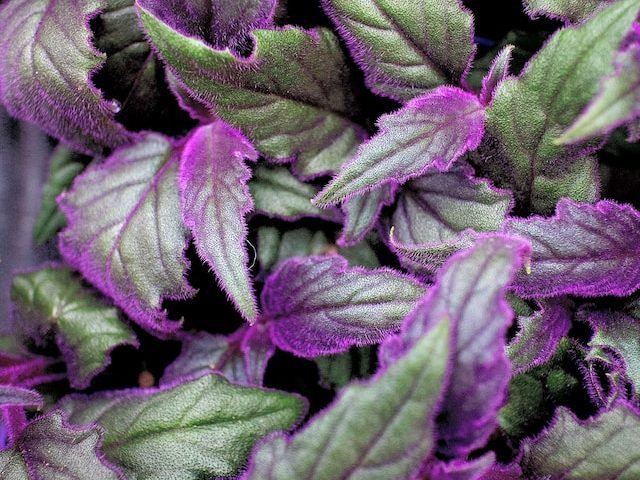
Purple Velvet Plant
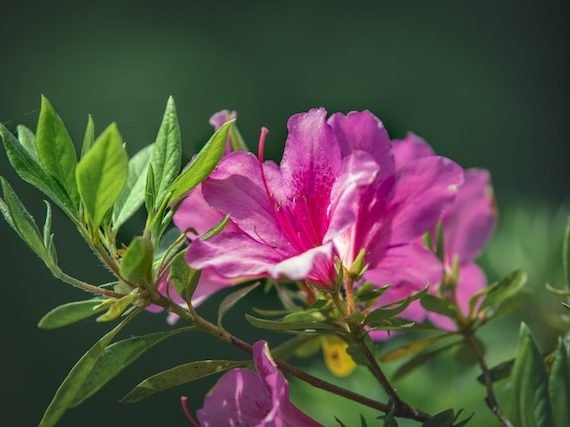
Azalea Flower
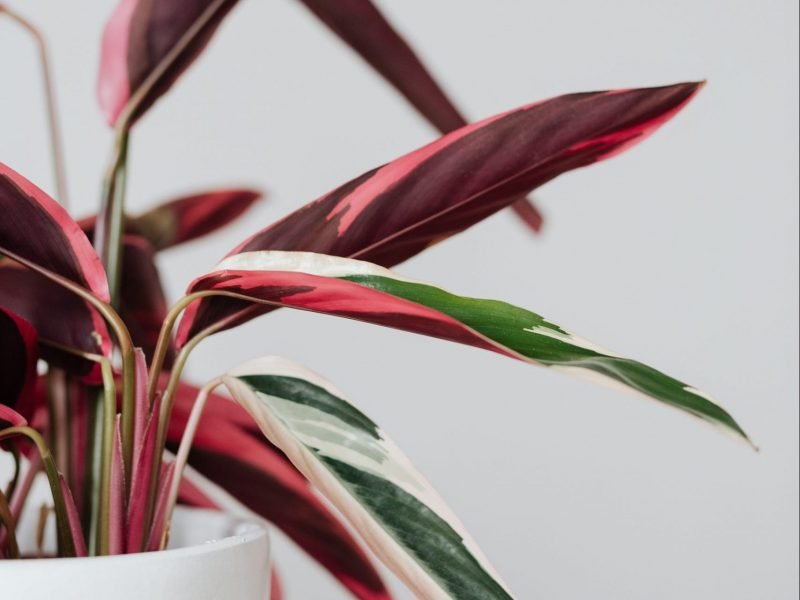
Calathea Triostar
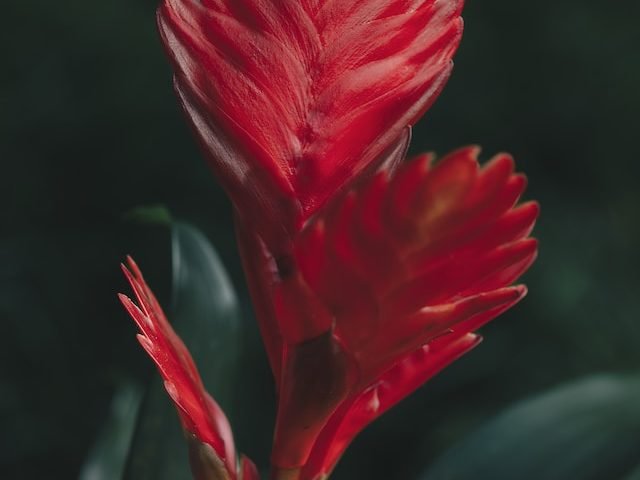
Red Bromeliad Flower
Prickly Pear Cacti
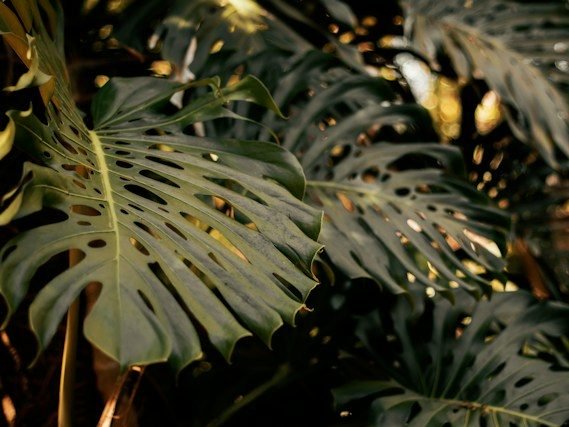
Large Monstera Leaves
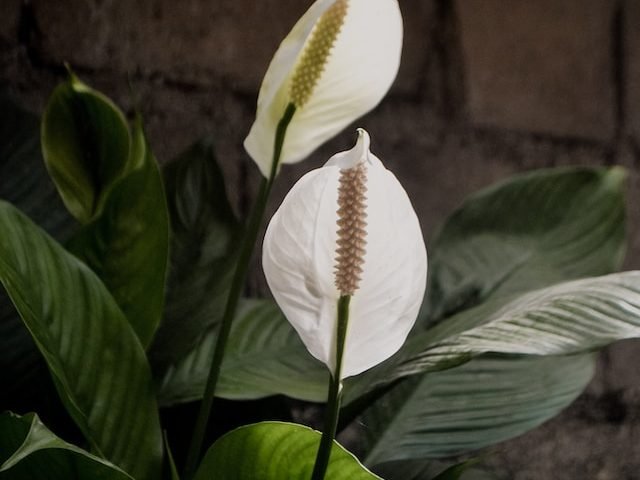
White Flowers on a Peace Lily
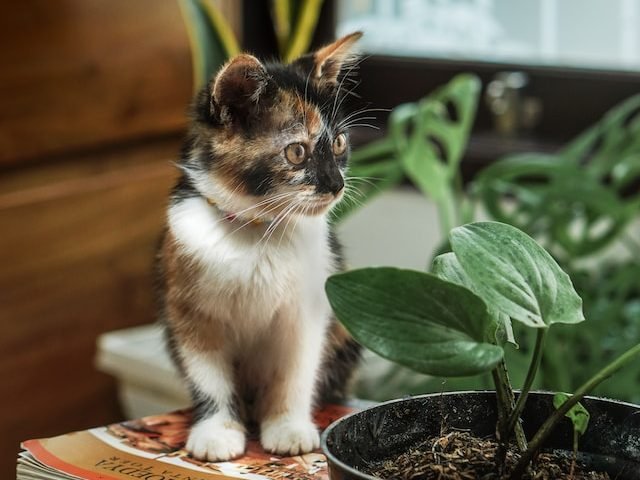
Low Light Cat Safe Houseplants
Healthy Hosta Leaves
Take our houseplant survey!
Quickly respond to our 30 second houseplant survey and get 75% off our Complete Houseplant Care eBook!
Take the SurveyNo thanks…
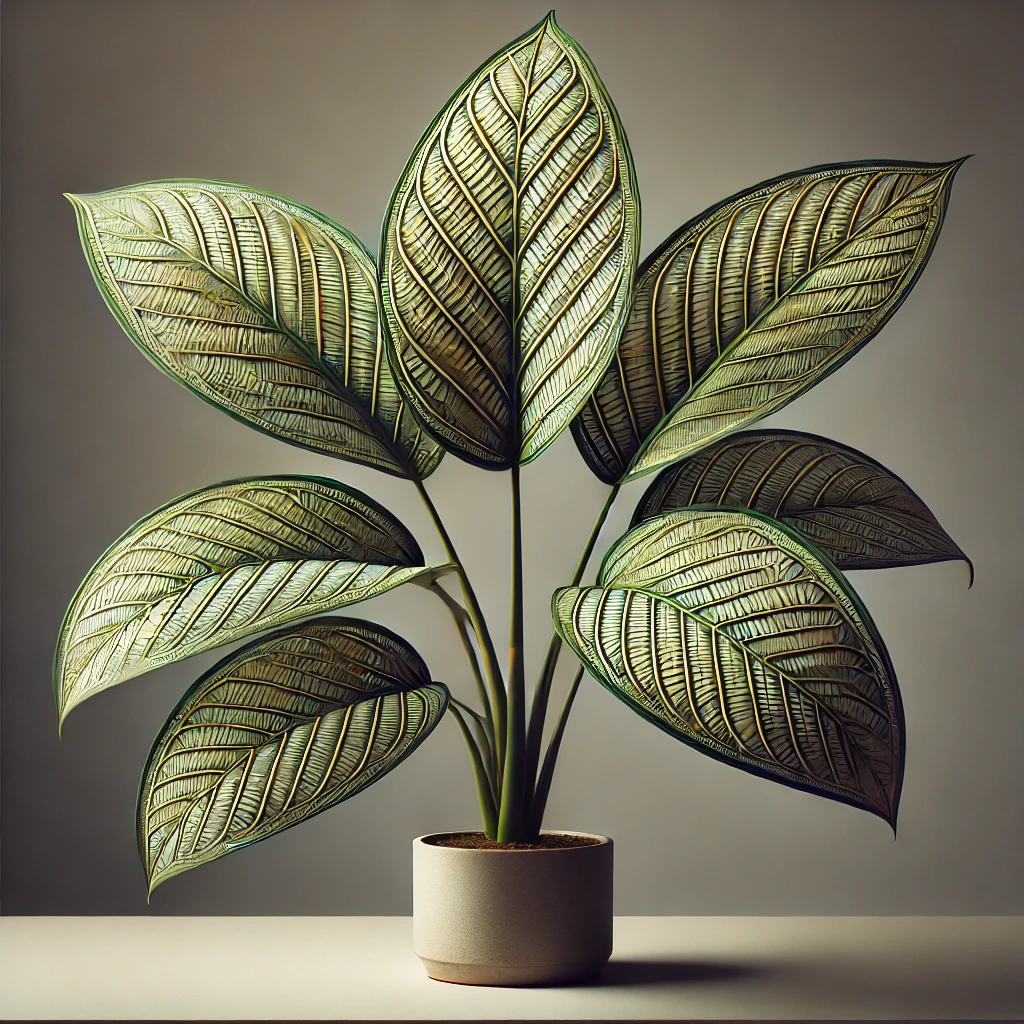
Calathea Musaica plants get their ‘Network’ nickname from the intricate detailing on the leaves which makes this plant unique! They are also slightly easier to care for than other Calathea types so a great choice for every plant parent!
| Light |
Bright Indirect LightI love the sunshine but too much direct light will damage my leaves. |
| Water |
Water ModeratelyI don’t like my soil to be too dry or too soggy. Little and often is what I’m after. |
| Humidity |
High HumidityI thrive in humid environments so please mist my leaves every so often. |
| Soil |
Potting SoilI need soil specifically for indoor plants as it retains the right amount of water. |
Whilst bright, indirect light is ideal for your Calathea Musaica, they can tolerate quite a range of light conditions compared to other Calathea types. Just avoid intense direct light during summer as this can damage the leaves.
Calathea Musaica plants like to have some consistent moisture in the soil so it’s all about finding the right balance when watering. They are somewhat forgiving if you water too much or too little but over time this can cause real issues for the plant.
Calathea Musaica like average room temperature to thrive and can struggle in really cool or warm environments. Keep them well away from heaters, drafts or AC vents.
Calathea Musaica plants love a slightly humid environment as they are native to the tropics. We recommend buying a humidifier to keep a nice stable humidity level around your plant. Other great ways to give it a boost is misting, pebble trays and showering.
It’s important that you hold off fertilising your Calathea Musaica during autumn and winter as your plant will be dormant. During the warmer, sunnier months of spring and summer feed your Calathea Musaica every 1-2 months to support growth.
The most successful way of propagating a Calathea Musaica is through division of the mother plant. Divide up the plant so each section has a good amount of the overall root system. This will increase your chances of a successful propagation.
Repot your new sections into fresh well-draining potting mix and resume normal Calathea Musaica care.
Learn more in our Calathea propagation guide.
Another thing we love about the Calathea Musaica Network is that it is non-toxic and pet friendly. So you don’t need to worry about having one of these in your home around your beloved furry friends!
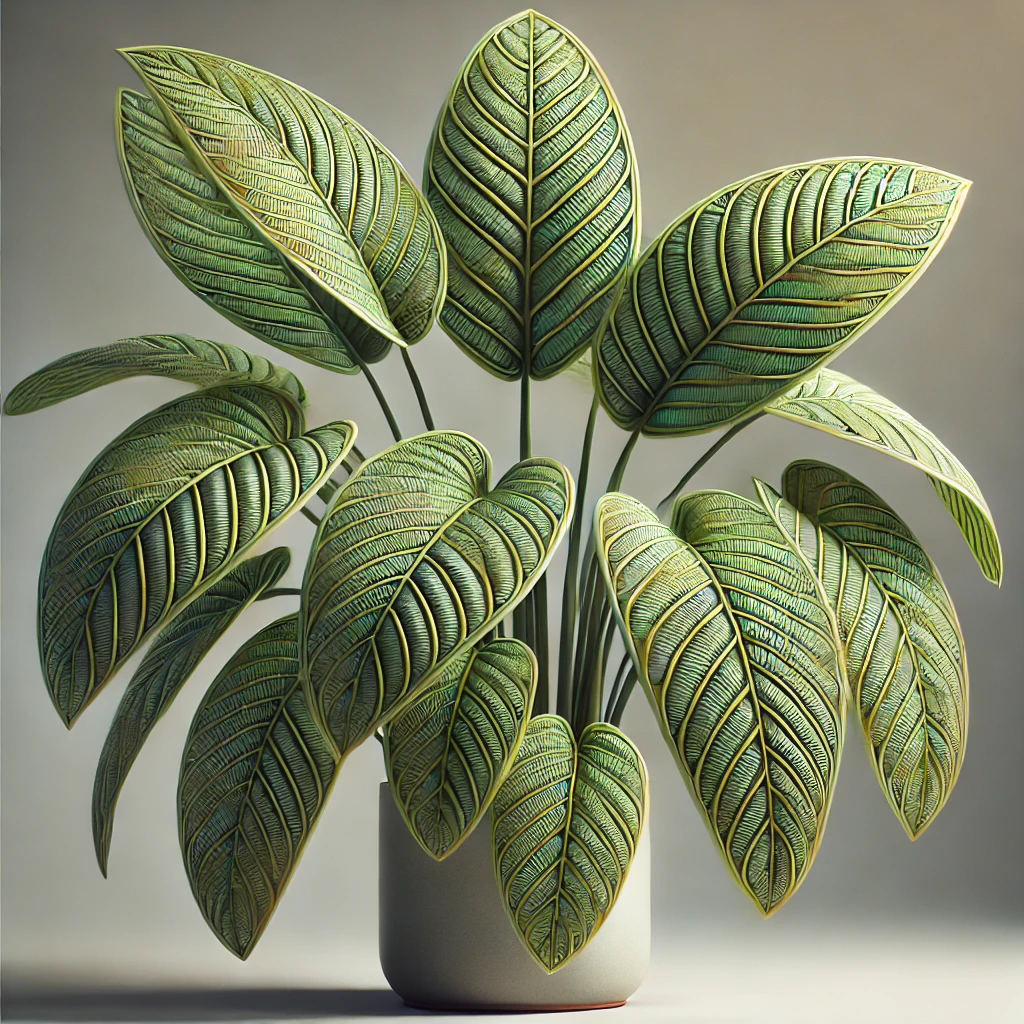
Quick and simple answers to the most common questions we see about the Calathea Musaica ‘Network’.
Calathea Musaica plants are non-toxic and completely safe for pets and humans.
Whilst bright, indirect light is ideal for your Calathea Musaica, they can tolerate quite a range of light conditions compared to other Calathea types. Just avoid intense direct light during summer as this can damage the leaves.
Calathea Musaica plants like even moisture in their soil so they don’t like extended periods of really dry soil or waterlogged soil. This is why a little but often approach to watering is best for your Calathea Musaica.
Whilst they aren’t the easiest plants to care for, they can adapt well to a range of environments and can be somewhat forgiving for the wrong care. We don’t recommend them to total plant beginners though.
Here are some common issues that you might run into. It’s important to diagnose any issues early to give your plant the best chance of bouncing back.
Brown leaf tips can indicate a lack of humidity or underwatering. Check the water moisture level in the potting mix to see if you need to increase watering.
If dry air is the issue, then start by regularly misting your Calathea Musaica’s leaves and buy a humidifier to keep a nice stable level.
Curling leaves on a Calathea Musaica can indicate two things; low temperatures or a lack of humidity. Check the spot your plant is in to see if it is near a drafty window or AC vent. Otherwise assume that dry air is the issue and start to regularly mist and shower your plant.
Brown leaves can be quite a difficult problem to diagnose on a Calathea Musaica so we recommend going through the following and eliminating one by one: over or underwatering, dry air, over-fertilisation, natural ageing.
Purple Velvet Plant
Azalea Flower
Calathea Triostar
Red Bromeliad Flower
Prickly Pear Cacti
Large Monstera Leaves
White Flowers on a Peace Lily
Low Light Cat Safe Houseplants
Healthy Hosta Leaves
Take our houseplant survey!
Quickly respond to our 30 second houseplant survey and get 75% off our Complete Houseplant Care eBook!
Take the SurveyNo thanks…
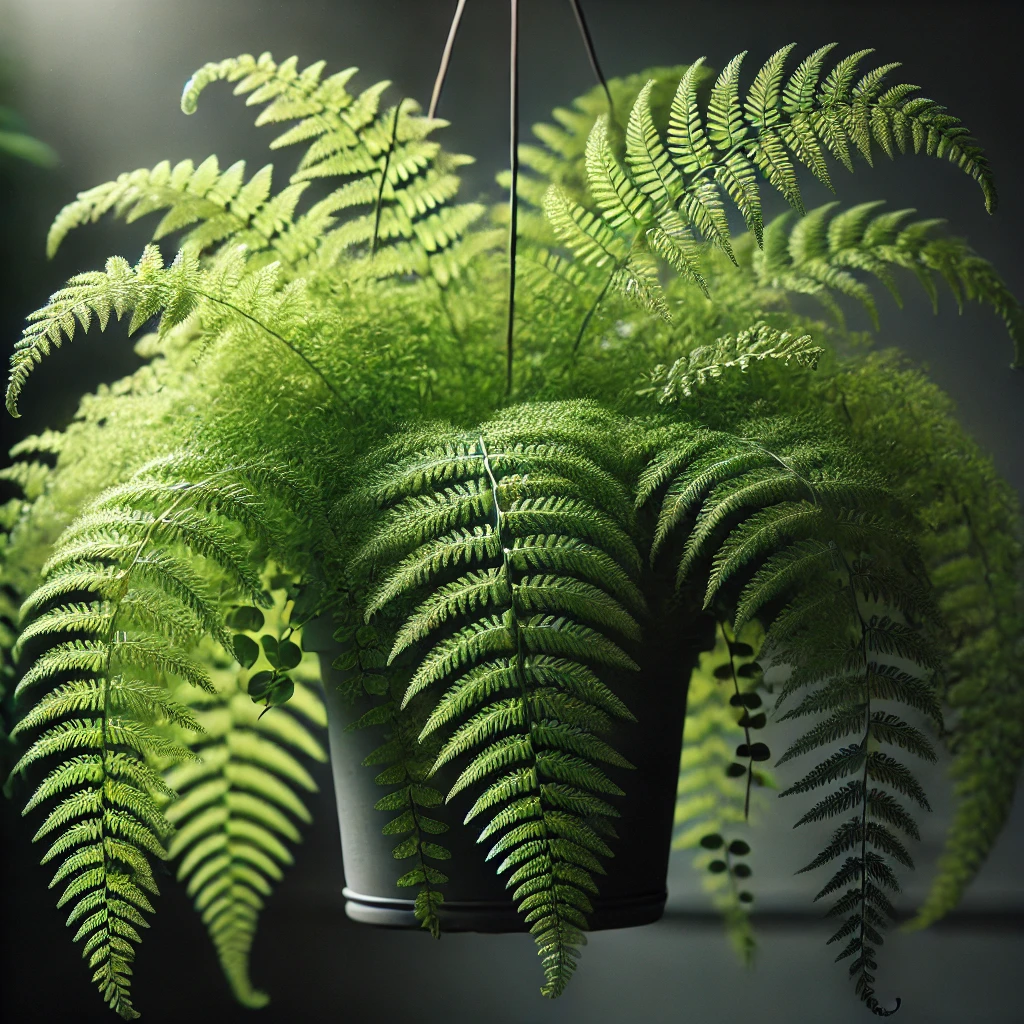
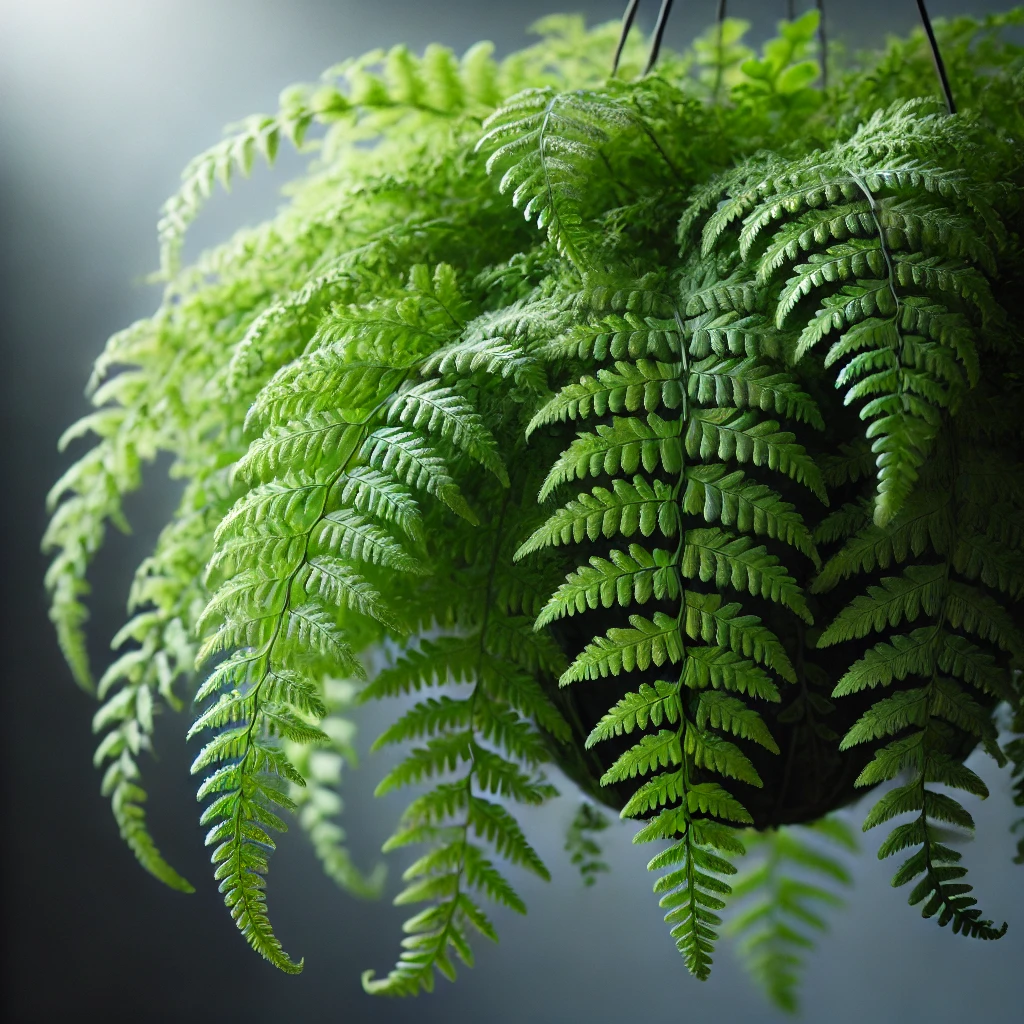
In this care guide, you’ll find all the information you need to help keep your Boston Fern looking and feeling healthy!
Purple Velvet Plant
Azalea Flower
Calathea Triostar
Red Bromeliad Flower
Prickly Pear Cacti
Large Monstera Leaves
White Flowers on a Peace Lily
Low Light Cat Safe Houseplants
Healthy Hosta Leaves
Take our houseplant survey!
Quickly respond to our 30 second houseplant survey and get 75% off our Complete Houseplant Care eBook!
Take the SurveyNo thanks…
Hoya-linearis
If you want to find out more about how to best care for your Peace Lily then visit our Plant Guide or download our How to Care for your Houseplants ebook.
Complete Houseplant Care eBook
Our comprehensive (and rather good looking) eBook that will teach you everything you need to know to successfully care for, and maintain your houseplants!
Buy onCalathea Triostar
Red Bromeliad Flower
Prickly Pear Cacti
Large Monstera Leaves
White Flowers on a Peace Lily
Low Light Cat Safe Houseplants
Healthy Hosta Leaves
Spider Plant in a Ceramic Pot
Composting Eggshells
Take our houseplant survey!
Quickly respond to our 30 second houseplant survey and get 75% off our Complete Houseplant Care eBook!
Take the SurveyNo thanks…

| Light |
Bright Direct LightI thrive in bright areas of your home so am best placed near a window. |
| Water |
Water ModeratelyI don’t like my soil to be too dry or too soggy. Little and often is what I’m after. |
| Humidity |
High HumidityI thrive in humid environments so please mist my leaves every so often. |
| Soil |
Potting SoilI need soil specifically for indoor plants as it retains the right amount of water. |
 Ficus Bonsai Tree1[/caption]
If you want to find out more about how to best care for your Peace Lily then visit our Plant Guide or download our How to Care for your Houseplants ebook.
Complete Houseplant Care eBook
Our comprehensive (and rather good looking) eBook that will teach you everything you need to know to successfully care for, and maintain your houseplants!
Buy onCalathea Triostar
Red Bromeliad Flower
Prickly Pear Cacti
Large Monstera Leaves
White Flowers on a Peace Lily
Low Light Cat Safe Houseplants
Healthy Hosta Leaves
Spider Plant in a Ceramic Pot
Composting Eggshells
Take our houseplant survey!
Quickly respond to our 30 second houseplant survey and get 75% off our Complete Houseplant Care eBook!
Take the SurveyNo thanks…
If you want to find out more about how to best care for your Peace Lily then visit our Plant Guide or download our How to Care for your Houseplants ebook.
Complete Houseplant Care eBook
Our comprehensive (and rather good looking) eBook that will teach you everything you need to know to successfully care for, and maintain your houseplants!
Buy onCalathea Triostar
Red Bromeliad Flower
Prickly Pear Cacti
Large Monstera Leaves
White Flowers on a Peace Lily
Low Light Cat Safe Houseplants
Healthy Hosta Leaves
Spider Plant in a Ceramic Pot
Composting Eggshells
Take our houseplant survey!
Quickly respond to our 30 second houseplant survey and get 75% off our Complete Houseplant Care eBook!
Take the SurveyNo thanks…
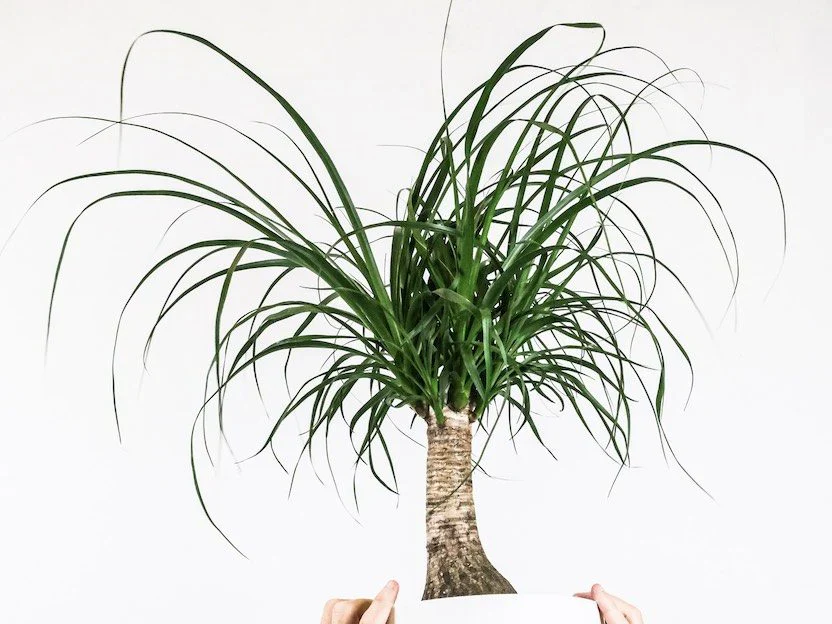 Loved for being low maintenance plants that bring a bit of the tropics indoors, the Ponytail Palm is a great for both novice and experienced plant parents. It is often forgotten though that they are succulents so they aren’t adaptable to every environment and if things aren’t right, these Palms can start to develop brown leaves. Below, we will go through each of the main reasons why Ponytail Palms develop brown leaves and leaf tips. We will also cover how to treat the issue and stop it from causing any more brown foliage.
Purple Velvet Plant

Azalea Flower
Calathea Triostar
Red Bromeliad Flower
Prickly Pear Cacti
Large Monstera Leaves
White Flowers on a Peace Lily
Low Light Cat Safe Houseplants
Healthy Hosta Leaves

Take our houseplant survey!
Quickly respond to our 30 second houseplant survey and get 75% off our Complete Houseplant Care eBook!
Take the SurveyNo thanks…
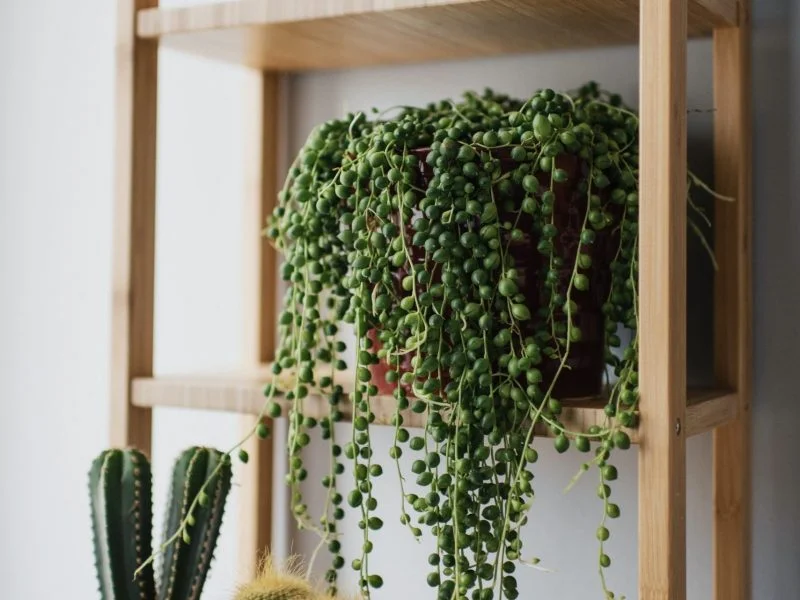
There are two important things to note when caring for a String of Pearls and that is that they like bright levels of sunshine (but keep them away from intense direct light and hotspots in summer) and secondly that they really need their soil to fully dry out between waterings. As they are cascading plants, String of Pearls plants have quite delicate roots so are quite sensitive when it comes to soggy soil and root rot.
Below you will find all the information you need to properly care for a String of Pearls including detailed care requirements, FAQs and how to diagnose and treat common issues that might pop up along the way.
Purple Velvet Plant
Azalea Flower
Calathea Triostar
Red Bromeliad Flower
Prickly Pear Cacti
Large Monstera Leaves
White Flowers on a Peace Lily
Low Light Cat Safe Houseplants
Healthy Hosta Leaves
Take our houseplant survey!
Quickly respond to our 30 second houseplant survey and get 75% off our Complete Houseplant Care eBook!
Take the SurveyNo thanks…
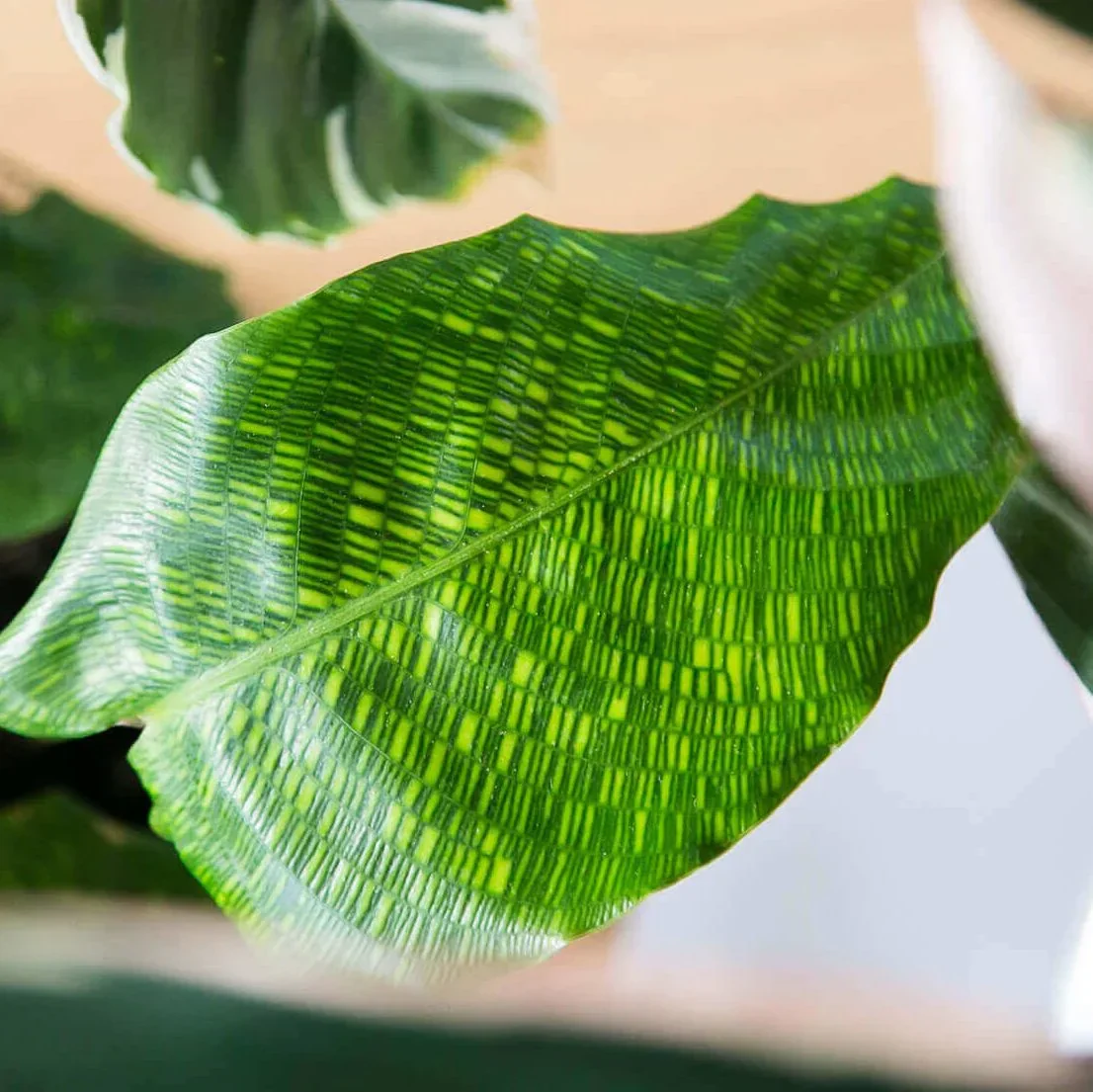
Calathea Musaica plants get their ‘Network’ nickname from the intricate detailing on the leaves which makes this plant unique! They are also slightly easier to care for than other Calathea types so a great choice for every plant parent!
| Light |
Bright Indirect LightI love the sunshine but too much direct light will damage my leaves. |
| Water |
Water ModeratelyI don’t like my soil to be too dry or too soggy. Little and often is what I’m after. |
| Humidity |
High HumidityI thrive in humid environments so please mist my leaves every so often. |
| Soil |
Potting SoilI need soil specifically for indoor plants as it retains the right amount of water. |
Whilst bright, indirect light is ideal for your Calathea Musaica, they can tolerate quite a range of light conditions compared to other Calathea types. Just avoid intense direct light during summer as this can damage the leaves.
Calathea Musaica plants like to have some consistent moisture in the soil so it’s all about finding the right balance when watering. They are somewhat forgiving if you water too much or too little but over time this can cause real issues for the plant.
Calathea Musaica like average room temperature to thrive and can struggle in really cool or warm environments. Keep them well away from heaters, drafts or AC vents.
Calathea Musaica plants love a slightly humid environment as they are native to the tropics. We recommend buying a humidifier to keep a nice stable humidity level around your plant. Other great ways to give it a boost is misting, pebble trays and showering.
It’s important that you hold off fertilising your Calathea Musaica during autumn and winter as your plant will be dormant. During the warmer, sunnier months of spring and summer feed your Calathea Musaica every 1-2 months to support growth.
The most successful way of propagating a Calathea Musaica is through division of the mother plant. Divide up the plant so each section has a good amount of the overall root system. This will increase your chances of a successful propagation.
Repot your new sections into fresh well-draining potting mix and resume normal Calathea Musaica care.
Learn more in our Calathea propagation guide.
Another thing we love about the Calathea Musaica Network is that it is non-toxic and pet friendly. So you don’t need to worry about having one of these in your home around your beloved furry friends!

Quick and simple answers to the most common questions we see about the Calathea Musaica ‘Network’.
Calathea Musaica plants are non-toxic and completely safe for pets and humans.
Whilst bright, indirect light is ideal for your Calathea Musaica, they can tolerate quite a range of light conditions compared to other Calathea types. Just avoid intense direct light during summer as this can damage the leaves.
Calathea Musaica plants like even moisture in their soil so they don’t like extended periods of really dry soil or waterlogged soil. This is why a little but often approach to watering is best for your Calathea Musaica.
Whilst they aren’t the easiest plants to care for, they can adapt well to a range of environments and can be somewhat forgiving for the wrong care. We don’t recommend them to total plant beginners though.
Here are some common issues that you might run into. It’s important to diagnose any issues early to give your plant the best chance of bouncing back.
Brown leaf tips can indicate a lack of humidity or underwatering. Check the water moisture level in the potting mix to see if you need to increase watering.
If dry air is the issue, then start by regularly misting your Calathea Musaica’s leaves and buy a humidifier to keep a nice stable level.
Curling leaves on a Calathea Musaica can indicate two things; low temperatures or a lack of humidity. Check the spot your plant is in to see if it is near a drafty window or AC vent. Otherwise assume that dry air is the issue and start to regularly mist and shower your plant.
Brown leaves can be quite a difficult problem to diagnose on a Calathea Musaica so we recommend going through the following and eliminating one by one: over or underwatering, dry air, over-fertilisation, natural ageing.
Purple Velvet Plant
Azalea Flower
Calathea Triostar
Red Bromeliad Flower
Prickly Pear Cacti
Large Monstera Leaves
White Flowers on a Peace Lily
Low Light Cat Safe Houseplants
Healthy Hosta Leaves
Take our houseplant survey!
Quickly respond to our 30 second houseplant survey and get 75% off our Complete Houseplant Care eBook!
Take the SurveyNo thanks…
Last Updated: April 1, 2022

With over 1,500 known varieties, Peperomias are some of the most popular houseplants around. Known and loved for their unique foliage, each and every type of Peperomia is quite different, from thick to delicate leaves, trailing to climbing and that’s not even mentioning the range of colours and leaf textures. Because of this, there is a Peperomia variety for everyone!
The other great thing about Peperomia plants is that they are relatively compact, which means they are great for every home. In this article, we’ll explore 29 of our favourite Peperomia varieties, from common to rare types and everything in between. This will also be complete with pictures, context to each type and specific care requirements so that you can find the right plant for you.
Whether you’re a seasoned plant enthusiast or just starting out, there’s sure to be a Peperomia variety on this list that catches your eye!
These types of Peperomia plants have risen sharply in popularity over the past few years but luckily there is availability to match the demand. This means it isn’t that difficult or costly to get your hands on them and you’ll commonly find these across plant shops, nurseries and even supermarkets across the world.
houseofplants.co.uk

Peperomia Obtusifolia is an incredible bushy variety, with dark green oval-shaped leaves. The leaves grow in a rosette pattern and can look a little like a Rubber Plant (hence the common name). The Peperomia Obtusifolia is a slow-growing houseplant that will only reach heights of around 12 inches, making them a great window sill plant or a choice for smaller rooms.
Occasionally, Peperomia Obtusifolias can produce small long white flowers but these aren’t really anything special.
The benefits of a Peperomia Obtusifolia are that they are pretty adaptable to a range of environments, making them relatively easy to care for. Because all Peperomia types are pet friendly, you also don’t need to worry about having this one around your furry friends.

This Peperomia variety has captured the hearts of so many plant parents over the past few years and has luckily become quite widely available. The intense leaves have a quilted, deeply-creased texture that creates a rippled effect which you’ll also see on some similar types of Peperomia below.
Emerald Ripple Peperomias have a bushy growing habit but won’t ever grow that large (maximum 10 inches in height) so it is a great choice if you don’t have much space but still want something striking.
Peperomia Caperata might look intense, but they are relatively relaxed about their care requirements, making them a great addition to any home.
Check out our Peperomia Caperata care guide to learn more!

The Watermelon Peperomia has shot up in popularity over the last 2 to 3 years and what was once quite a tricky plant to find, is now easily available globally. They get their common name from their leaves’ distinctive resemblance to a watermelon.
In our experience, Peperomia Argyreia can sometimes be a little fussy about its environment and you may encounter some curling leaves or a loss of leaves if things aren’t right. However, in return for ideal conditions, the Watermelon Peperomia will reward you with relatively fast growth.
The other thing that we love about the Peperomia Argyreia is how easily you can propagate it. Whether through division, stem cuttings or even just using a single leaf, they are some of the easiest plants we have ever propagated.
Check out our Watermelon Peperomia care guide to learn more about this variety.
www.houseofkojo.com

Peperomia Prostrata, commonly known as String of Turtles, is quite different from a lot of Peperomia varieties as it is a trailing plant with very small, delicate leaves. It gets its name from its round succulent leaves with white or silver markings that resemble turtle backs.
The Peperomia Prostrata is one of our top choices for hanging baskets or to trail down shelving units as they have a delicate but minimalist aesthetic.
Native to South America, the String of Turtles prefers warm, slightly humid conditions so you’ll need to keep a close eye on the conditions to ensure the delicate leaves and vines don’t dry out.

Peperomia Hope plants have thick coin-shaped leaves with faint lines and waves throughout. The interesting thing about how a Peperomia Tetraphylla is that they develop clusters of leaves, with three or four growing in one spot, rather than evenly distributed along the vine.
Peperomia Tetraphylla is a small plant, typically reaching only 6 to 8 inches in height and spread, making it a great choice for small spaces or as part of a larger plant arrangement.
When it comes to their care requirements, Peperomia Tetraphylla needs bright but indirect sunlight and always needs their potting mix to dry out between waterings. Peperomia Hope plants can occasionally develop white flowers but they are quite insignificant so don’t get your hopes up!
Learn more about caring for this plant and keeping it happy and healthy in our Peperomia Hope care guide.
@kukkaputiikki on Instagram

Peperomia Rotundifolia is a beautiful trailing Peperomia variety with delicate, round leaves that grow along long, thin stems. The leaves are a lot smaller than a lot of other Peperomia types and it won’t actually often grow beyond about 15 inches in length so a nice option for a more compact trailing plant. They are also quite slow growers so don’t expect there to be new leaves popping out every week.
Native to Central and South America, the Trailing Jade Peperomia prefers a nice warm and humid environment but is otherwise fairly easy to care for. They can tolerate some medium and low-level light but will grow slower under those conditions which is the trade-off. They are a great option for offices too as they can adapt quite well to fluorescent lighting.
plantophiles.com

With arguably some of the most beautiful leaves, the Peperomia Rubella is a variety named for its distinctive red-tinged leaves. Although the top of the foliage is dark green, the undersides are a striking red and paired with a velvety texture, this is a plant to impress!
The Peperomia Rubella is also quite a small plant and will tend to grow to about 8 inches in height and spread. They can be beautiful cascading plants as after growing a few inches, the stems will become heavy and hang down, exposing a lot more of the red sides of the leaves.
One bonus about the Peperomia Rubella is that it actually quite likes being a little bit root bound so you don’t need to worry about repotting too often which is great!

The Raindrop Peperomia is really having its moment at the minute as they are taking over plant shops around the world (and we are loving it!). With its incredible large glossy leaves, it gets its common name from the raindrop shape of the leaves.
Often mistaken for a Pilea plant, the Peperomia Polybotrya is a little bit easier to care for than Pileas so can be a nice option if you’re looking for something less fussy.
Peperomia Polybotrya are slow growers but their incredible raindrop-shaped leaves make it all worth it when a new one pops out. When it comes to their maximum size, you’ll often see about 12-15 inches in height.
Find out more about caring for this plant in our Raindrop Plant care guide.
These are slightly less common types of Peperomia plants, which means you might not always be able to get your hands on them locally to you. However, they are available to buy online and won’t be too expensive either which is a bonus!
@dinidjoemiko on Instagram

Their common name gives away pretty much what the Peperomia Clusiifolia is as their leaves have a very vibrant red edge which is very unique. They look quite like the Baby Rubber Plant variation but the splash of colour sets it strongly apart.
The rest of the foliage is a deep, glossy green and has a succulent and waxy texture and appearance.
As with a lot of Peperomia varieties, the Red Edge Peperomia is a slow grower and will also stay quite small with a maximum height and spread of around 15 inches making them a great windowsill plant. So if you’re looking for a low-maintenance plant that will thrive in a variety of indoor environments, this one is a great choice!

This variety is often mistaken for the Ruby Cascade Peperomia as they do look quite similar. However, the Peperomia Pepperspot is technically a different variety. With very delicate leaves and stems, the Peperomia Pepperspot’s vines become very intertwined with each other, giving quite a messy look.
Peperomia Pepperspots are in classic Peperomia style, very slow growers and never really become very long. You might (with the right care and environment) see vines up to about 15 inches long but most will be shorter.
In its native environment of the Amazon, the Peperomia Pepperspot grows under the canopy which means that in your home, it’s very important it doesn’t receive any intense direct light. This can very quickly burn and dry out the leaves and vines.
Check out our Peperomia Pepperspot care guide to learn more!
@suculentaspro on Instagram

The Prayer Pepper Peperomia stands out from a lot of the precious varieties purely because of its leaf shape. They have very small elongated leaves that resemble hands in prayer (hence the name). The foliage is a deep, glossy green and has a slightly succulent texture.
The most loved things about the Peperomia Dolabriformis are the compact size and ease of care. The two factors mean this plant is a great choice for any home, in any room and pretty much any spot which is rare. So if you’re looking for something to bring a bit of interesting greenery into your home, but that doesn’t take up too much of your space, then go for a Peperomia Dolabriformis!
wearebonefide.co.uk

Similarly to the Prayer Pepper variety, the Peperomia Ferreyrae also has long elongated leaves which makes them stand out in the Peperomia family which is filled with round-leaf plants.
You can probably tell from the appearance of the leaves, but the Peperomia Ferreyrae is a semi-succulent which means it has quite low watering requirements compared with other varieties in the Peperomia family. This also impacts the soil required as you’ll want to choose a cacti/succulent mix for this to ensure it has good drainage qualities.
The Happy Bean is a slow-growing plant that also won’t grow too big or bushy. You’ll often see stems reach about 12-15 inches in length.
@jillyjelly1 on Instagram

The striking leaves on a Parallel Peperomia have a large resemblance with the Watermelon Peperomia but instead of being round, are more elongated in shape. Native to South America, the slight trailing habit of the Parallel Peperomia meant that in its native environment, it can spread quite quickly.
Although the individual leaves aren’t that large (only around an inch or two), the individual stems can grow very long for a Peperomia, reaching upwards of 18 inches.
In terms of flowering, the Parallel Peperomia can sometimes produce small white flowers on long spikes, but similar to a lot of other Peperomia varieties these are insignificant and not that pretty.
feelslike-home.co.uk

The Peperomia Graveolens is also a semi-succulent and has thick plump leaves. But the thing that is most attractive about this variety is the reddish-pink undersides of the leaves. So if you’re looking to add a splash of colour to the room, but don’t want anything super difficult to care for, these are a great choice.
The Ruby Glow Peperomia is a very small plant, reaching heights of only about 4 inches. But what they lack in size, they definitely make up for in incredible leaves.
@sj_plantsplants on Instagram

What attracts people to the Peperomia Orba is its bright lime green leaves which aren’t so common across the rest of the Peperomia varieties. You’ll often also see a touch of variegation across the foliage when grown in the right conditions.
Another thing that plant parents love about the Peperomia Orba is its ability to tolerate lower light levels. Although you may see slower growth, it can be tricky to find plants that can adapt to a lower level of sunlight so these are a great addition to every home.
You may be a little disappointed about the flowers that grow on Peperomia Orbas though as they are very small and easily overlooked. Because of this, it’s the incredibly bright leaves that are the attractive element of this variety.
positivebloom.com

Native to South America, the Peperomia Angulata (also known as the Beetle Peperomia due to its beetle striped leaves) is an incredible trailing plant that can grow up to about 15 inches in length. Although they are relatively slow growing when indoors, in their native environment they are known to be quick spreaders!
As with so many peperomia varieties, the Beetle Peperomia will sometimes grow small long white flowers but these are very insignificant so not something you should be hoping for really!
You’ll be pleased to know that they are relatively easy to care for and similar to succulents, they are able to store quite a bit of water so don’t need regular watering.

The Peperomia Carperata Rosso is actually one of our favourite types of Peperomia because the vibrancy of the leaf undersides isn’t something you get regularly in houseplants! But it’s not just the undersides of the leaves that are the attractive part of the Red Ripple Peperomia as the deep-ridge texture on the top creates a strong ripple effect which we absolutely love.
Another great thing about the Peperomia Carperata Rosso is that they are so easy to propagate as you can even do it from a single leaf. This means you can easily increase the size and bushiness of your mother plant, or create infinite gifts for friends and family.
@thepurplepothos on Instagram

Another one of our favourite Peperomia plant types that we are only slowly starting to become a little bit more widespread, is the Peperomia ‘Ruby Cascade’. Loved for their small, delicate leaves, the main attraction point of the Ruby Cascade is the red/pink undersides of the leaves.
We also love the fact that they are so easily propagated. Just trim off the ends of the vine, and pop them in some water and they will quickly grow new roots, ready to either be potted back into the mother plant or to form a new plant entirely.
Although it is a slow-growing plant, with the right care and environment you will see each of the vines descend several feet when grown as a hanging plant!
These types of Peperomia are a lot less common and trickier to get your hands on. They can sometimes be a little pricier than the less rare varieties. However, Peperomia as a plant family is quite affordable in general so you won’t see any price tags of hundreds or thousands of dollars like you would with some other rare houseplants.
@tsvetnyesni on Instagram

The Peperomia Glabella is a slightly less popular variety of Peperomia and in our opinion, it doesn’t get enough credit. The way in which their stems cascade out of the pot makes for an incredible hanging plant and looks great trailing down shelves or in a hanging basket.
Native to South and Central America, the Peperomia Glabella is a super easy houseplant to care for as the only thing that needs a little extra attention is humidity. As long as you’re misting your plant every few days and giving it a nice comfortable environment, this will help avoid a lot of common problems.
www.duchyofcornwallnursery.co.uk

The Peperomia Columella is as unique as they come when it comes to Peperomia varieties. Native to Peru, the Peperomia Columella has very small succulent leaves along central ascending stems. For the first few inches, these stems will grow vertically. However, as they become longer and heavier they can start to curve downwards.
During summer, you’ll often see long white flowers appear across your Peperomia Columella but these aren’t really anything special, unfortunately.
When it comes to care, like most succulent types, the Peperomia Columella is easy to care for as long as it’s getting ample light and is not overwatered.
@growwith_jess on Instagram

The Peperomia Albovittata is often mistaken for a Watermelon Peperomia and while they do look similar, the Albovittata has a more rippled and veiny texture, whereas Watermelon Peperomias have very smooth leaves. The other difference is that the Peperomia Albovittata has striking dark red veins running through the leaves but both also bring vibrancy through their red stems.
When it comes to caring for your Peperomia Albovittata, you want somewhere with ample bright but indirect light to avoid burning these incredible leaves. And avoiding cold drafts from outside or air conditioning units is crucial with these plants.
As with most Peperomia varieties, the Piccolo Banda can be easily propagated through both stem and leaf cuttings.
@paz_plantlife on Instagram

This is another variety that often gets mistaken as a Watermelon Peperomia as they are very similar in appearance. The main difference between the two is that the Peperomia Verschaffeltii has more teardrop shaped, elongated leaves rather than completely round ones. However, the markings and colours are the same with both having silver and green stripes across the leaves.
The Peperomia Verschaffeltii also produces some flowers during summer but these are quite bland and most of the time we just trim them off when they appear. Their flowers have the nickname rat tail as they are thin, long and not very pretty.

Native to the jungles of South America, the Peperomia Griseoargentea is another variety with deep ridges and ripples. Their leaves are mostly quite dark green with a hint of silver and like many other types of Peperomia, they have the famous red stems.
The Peperomia Griseoargentea is another great choice if you’re looking for a compact plant that’s anything but boring. They might only grow to about 15 inches in height, but they definitely will draw attention with their incredible foliage. It’s important to remember that these plants are naturally very slow growers, so don’t make the mistake of over-fertilizing to try to promote growth as this can cause more damage than good.
www.thejunglecollective.com.au

This variety has no trouble standing out from the rest with its gold and red leaves! Although they might look very different, their care requirements and growth habits are very typical of a Peperomia variety.
Don’t expect new gold leaves to be shooting out every week as they are slow growers but their striking leaves really make up for that fact.
When it comes to the care and environment, as long as your Peperomia Rugosa ‘Aussie Gold’ is receiving a bright but indirect light, moderate watering and is somewhere with enough warmth, then they’ll be happy.
@niclarsworldplants on Instagram

The Peperomia Incana gets its common name from the little hairs on their leaves, which is quite unique to this variety. Because of this, they are also sometimes known as felted peperomia, fuzzy pigface or Amazon fuzz.
As with some other varieties, the Peperomia Incana has semi-succulent qualities which means it’s able to store water in its leaves. This water acts as a reserve that it can use when in need but it does mean that overwatering is a very common and serious issue with the Felted Peperomia. Make sure that the potting mix has fully dried out before watering again and this will avoid root and leaf rot.
And if you want to create a bushier plant, or gift these furry leaves to a friend, the Peperomia Incana is easily propagated through stem or leaf cuttings!
@pots4plants_by_cath on Instagram

This type really stands out for its elongated leaves which are quite big relative to most other types of peperomia. But just because it’s a quite different, doesn’t mean that the same care requirements don’t apply. You want to find somewhere without direct sunlight but with enough bright light and make sure that the potting mix dries out between watering.
When it comes to the growth rate, the Peperomia Elongata is (like most other types of Peperomia) a very slow grower. This can be a benefit though if you’re looking for a plant for a specific spot and don’t want it to outgrow or overtake the room.
@plant_mode on Instagram

The name tells you everything you need to know about this type of Peperomia. With dark red leaves, the Peperomia Metallica can be spotted easily by the silver stripe that runs down the middle of every leaf. They also have deep red leaf undersides which are quite common in Peperomia types and adds a nice splash of colour.
Peperomia Metallica might look intense, but they are a dream to care for. As long as the basics of enough light (but not direct), enough water (but time in between waterings) and a warm environment are there, you shouldn’t have too many problems.
giromagicactusandsucculents.com

Native to the jungles of Ecuador and Peru, the Peperomia Axillaris has some succulent qualities but is not actually a succulent, despite really looking like one! What it does have though is the ability to store water in its leaves, just like a succulent. This is why they look quite plump and squishy. This allows the Peperomia Axillaris to go for longer periods without water.
As with nearly all other types of Peperomia, the Peperomia Axillaris is a slow grower an remains very small. Usually, each part of the plant will grow to a maximum of 12-15 inches. This makes them a great windowsill or desk plant.
pflanzenbestimmung.info

Native to Brazil, the Peperomia Marmorata is also known as the Silver Heart plant due to the colour and shape of its leaves. The Peperomia Marmorata stays quite a short but bushy plant, reaching heights of only about 12 inches.
You want to provide a nice warm and humid environment for your Silver Heart Peperomia to properly thrive. This will also prevent dry leaf tips and edges as well as curling leaves which can be a common but difficult problem for most Peperomia varieties.
The Peperomia Marmorata can store some water in its leaves, which makes it quite drought-tolerant and low-maintenance.
Those were 29 of our favourite Peperomia varieties. If we were to list them all this would be a very long post as there are over 1,000 different types of Peperomia plants. Most of those aren’t commercially available though and can only be found in their native environment so we’ve made sure that the types we’ve mentioned are available to buy and can thrive indoors with the right care and environmental considerations.
For most varieties, they need a good level of bright but indirect light so you want to avoid any direct sunlight during summer. During winter, you can often get away with having your Peperomia as a windowsill plant as the sun is a lot weaker.
The other thing to note with pretty much all of the Peperomia varieties we listed above is that they stay very compact and are slow growers. So don’t expect the plant to fill a much larger pot or space in your home anytime soon.
Purple Velvet Plant
Azalea Flower
Calathea Triostar
Red Bromeliad Flower
Prickly Pear Cacti
Large Monstera Leaves
White Flowers on a Peace Lily
Low Light Cat Safe Houseplants
Healthy Hosta Leaves
Take our houseplant survey!
Quickly respond to our 30 second houseplant survey and get 75% off our Complete Houseplant Care eBook!
Take the SurveyNo thanks…
Get our journal delivered
From us, direct to your inbox.

Helping you care for your houseplants.