African Milk Tree Care Guide: How to Keep Your Euphorbia Trigona Thriving

Last Updated: October 16, 2023

African Milk Tree

African Milk Tree on white background

Introduction to the African Milk Tree

This isn’t your everyday cactus as although it may look like one, it’s actually from the succulent family! Originating from the heart of Africa, don’t be fooled by its exotic origins – this plant is adaptable to a wide range of environments.

Also known as Euphorbia trigona, it gets its common name from the milky sap it produces when cut or broken. One of the most important things to know when caring for this plant is that that sap can be irritating to the skin and eyes, so handle with care.

History and origin of the African Milk Tree

Native to Central Africa, despite its misleading name, the African Milk Tree is not a tree at all. It belongs to the succulent family, a group of plants known for their water-storing abilities. Its nickname is derived from the milky sap it produces when cut, a characteristic feature of the Euphorbia genus.

Though it looks like a cactus with its three-sided, spiky structure, this plant isn’t actually prickly which is one of the reasons why its popularity has grown so much (that and its low maintenance needs).

Why the African Milk Tree is a great houseplant

Low Maintenance

The African Milk Tree isn’t fussy. It thrives on neglect and only needs a spritz of water now and then. It’s perfect for beginner and busy plant parents as well as those without a natural green thumb.

Aesthetics

With its towering structure, the African Milk Tree is a head-turner as well as being very unique in appearance.

Long lifespan

These plants are tough as nails! With proper care, they can easily outlive us and thrive for decades. They are also relatively slow growers which means you don’t need to worry about it outgrowing your space any time soon.

Natural Air Purifier

And if its appearance wasn’t enough, it’s also a natural air purifier. It works hard to keep your air fresh and clean, making it a fantastic addition to your living space, particularly home offices or bedrooms.

African Milk Tree appearance and characteristics

This African Milk Tree boasts a columnar shape with a pattern of zigzagging, spindly branches. But what truly sets the African Milk Tree apart is its striking green colouring. It really brings a lush tropical rainforest feel into your space.

Euphorbia trigona, as it’s scientifically known, grows tall – up to 3 meters indoors. Its branches are adorned with petite, oval-shaped leaves, lending to its unique, almost prehistoric appearance.

Laden within this plant, the sap is a key characteristic. It’s extremely toxic and can irritate the skin, so handle with care.

Light requirements for your African Milk Tree

Your African Milk Tree needs a good amount of bright, indirect light to thrive. However, be careful not to subject your leafy friend to too much direct sunlight. This could cause their leaves to sunburn which can turn your plant brown, yellow and crispy.

  • East or west-facing windows are typically the best spots in your home for an African Milk Tree. These areas usually provide the perfect mix of bright and indirect sunlight.
  • If you don’t have these options, fear not! A south-facing window with some light filtering will do the trick as well.
  • While it can sometimes adapt to lower light areas, growth will be slow and you may see some issues arise such as brown leaves. However, an LED grow light can help to supplement this.

Watering your African Milk Tree

Watering your African Milk Tree is all about balance. They have natural water-storing capabilities as they are a succulent but it’s very important that you always let the soil dry out completely between waterings. These beauties are native to dry hot regions, so they’re practically built for drought.

The Perfect Watering Technique

Start by watering your plant slowly, ensuring the water evenly permeates the soil. The aim is a gentle soak, not a flood.

  • Tip 1: Avoid getting water on the leaves. This can cause them to start rotting.
  • Tip 2: Water early in the day. This allows any accidental leaf moisture to dry out before the cooler, evening temperatures set in.

Change your habits depending on the season

You should reduce watering significantly during the colder months. Due to the colder temperatures, the soil will take longer to dry out and your plant won’t be in an active growth state so will need less moisture. It can be really easy to overwater during winter so be extra vigilant.

Choosing the right soil type for your African Milk Tree

Choosing the right soil type for your African Milk Tree is a crucial step, but don’t fret, it’s simpler than you think.

Euphorbia trigona enjoy a well-draining soil mix as this helps to prevent a build-up of moisture in the soil which can lead to root rot. A popular choice for an African Milk Tree is a blend of cacti and succulent mix with some coarse sand. You can also add perlite or pumice. Here’s a nifty recipe: 3 parts cacti/succulent mix, 2 parts coarse sand and 1 part perlite or pumice.

However, if you’d rather purchase a pre-made mix, that’s just fine too, just try to choose one with perlite in to ensure it drains well.

Aside from the soil mix, proper drainage is also key. Ensure your pot has holes for excess water to escape, and consider layering some pebbles at the bottom for added assurance. Having drainage holes also allows you to bottom water which can help with overall stability of your plant as it encourages the roots to grow downwards, towards the moisture.

Temperature and humidity requirements for an African Milk Tree

Temperature: This plant is a real sun and warmth seeker. Typical indoor temperatures between 15-29°C suit it just fine. But beware, anything below 10°C can be damaging and you may start to see stagnant growth as well as brown leaves or leaf drop occurring.

Humidity: Despite its desert origins, the African Milk Tree doesn’t mind a bit of humidity. Yet, it’s not a must. So, if you live in a dry region, there’s no need to panic. Your plant will still feel right at home. Avoid anything above a 50% humidity though as this can make the leaves turn a little soft.

Fertilizing your African Milk Tree

Begin fertilising in the growing season, typically from early spring to late summer. It’s a good idea to give your plant a break from feeding in the winter when growth naturally slows down. If you do continue to fertilize during autumn and winter it can lead to issues brought on by over-fertilization. This can include leaf loss and yellow foliage.

Use a balanced, water-soluble houseplant fertilizer at half the recommended strength. Why half-strength? It’s also to avoid over-fertilising, which can lead to damaged new growth and potentially damage the roots. It’s impossible for there to be a one-fits-all fertilizer amount that is ideal for every houseplant so it’s best to be cautious.

  • Feeding Frequency: Fertilise your African Milk Tree once every two to four weeks during the growing season.
  • Fertiliser Type: A balanced, water-soluble houseplant fertiliser (try for a 10-10-10 NPK ratio, if possible).
  • Strength: Half the recommended amount mentioned on the fertiliser package.
  • Water your plant before: Always water your plant thoroughly before fertilising, and never apply fertiliser to dry soil. This ensures that the roots don’t get a too-strong dose and become damaged.

Pruning and shaping your African Milk Tree

Why prune your African Milk Tree: Not only can pruning help to remove dying or dead growth but it can also help you to achieve the desired look and shape fo your plant.

When to prune: The best time to get snipping is in the spring, when your plant is in its active growth period. It’s also okay to prune throughout the summer if necessary, but avoid pruning in the winter when the plant is dormant.

How to prune: Use a sharp, sterilised knife or pair of scissors and make clean cuts to avoid causing unnecessary damage. You’re aiming to remove any overcrowded branches and allow the plant more room to grow.

Note: Always be careful when pruning your African Milk Tree as its sap can be irritating to the skin and eyes. It’s a good idea to wear gloves and protect your eyes during the process.

Tips for Shaping your African Milk Tree

  • Rotate the tree: This simple trick can help your tree grow evenly. By rotating the plant every few weeks, you ensure all sides get equal exposure to light.
  • Prop up drooping branches: Use stakes to support heavier branches. This prevents them from drooping and promotes vertical growth.
  • Keep it balanced: When pruning, try to maintain a symmetrical shape to keep your plant looking its best and growing evenly.

How to propagate your African Milk Tree

The first step in our propagation party is taking a careful cutting. Using a clean, sharp knife, cut a piece off the mother plant. Remember, the larger the piece, the bigger the chance of successful rooting. Just be cautious – the sap is a bit of an irritant, so try to avoid contact with skin and eyes.

Once you’ve got your cutting, it’s time for a little patience. Let the cut end dry out for a few days. This step, called ‘callusing’, helps to prevent rot when the cutting is planted.

Now, for the fun bit! Once your cutting has callused, plant it in a pot with well-draining soil. Bury the cut end about 2.5 cm deep to aid stability.

And now, we wait. Keep the soil lightly moist and place the pot in a well-lit area (but not in direct sunlight). In a few weeks, roots will begin to form, and your cutting will start its journey to becoming a fully-fledged African Milk Tree.

African Milk Tree potting and repotting tips

Choosing the Right Pot

Size matters – at least when it comes to pots for your African Milk Tree! The pot should be shallow and wide, large enough to accommodate the plant’s extensive root system. You don’t want to choose a pot that’s a lot larger than the previous one though as this can not only lead to root rot (as the soil will absorb a lot more water) but it can also lead to stability issues with such a tall plant.

Timing

Typically, repotting every 2-3 years will keep your plant happy but look out for signs of a rootbound plant that may indicate you need to do it sooner. These include roots growing out of the drainage holes or out of the top of the pot.

Choose the Right Potting Mix

When it comes to potting mix, think ‘light and airy’. Something along the lines of a cactus or succulent mix should do the trick. Remember, drainage is key – waterlogged roots can lead to a very unhappy plant.

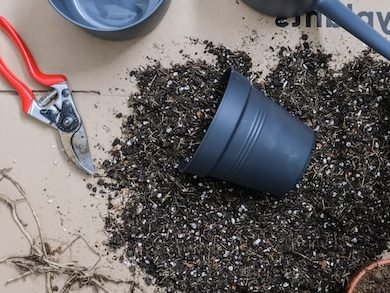
Repotting Step-by-Step Guide

  1. Remove the plant gently from its current pot.
  2. Inspect the roots – trim back any that are damaged or excessively long.
  3. Place the plant in the new pot and gently fill with potting mix.
  4. Water lightly and place the pot in an area with bright, indirect light.

Flowers on an African Milk Tree

In the right conditions, they indeed produce flowers, but it’s a rare and special occasion. However, just because your plant isn’t growing any flowers doesn’t mean that the care or conditions aren’t right. It can be so unpredictable so don’t expect it to happen. As for when during the year African Milk Trees flower, there’s no set schedule. Flowering usually happens in the warmer months.

What Do African Milk Tree Flowers Look Like?

These flowers are usually small, star-shaped, and come in shades of white or yellow. They give off a subtle yet enchanting fragrance that’s hard to miss. But remember, these elusive beauties are rare and fleeting so don’t get your hopes up.

Making Your Milk Tree Bloom

Want to see your African Milk Tree bloom? The key is patience and proper care. Provide it with plenty of sunlight, but be careful not to expose it to harsh midday sun. Keep the soil well-drained and allow it to dry out between waterings. A happy, healthy Milk Tree might just reward you with a bloom.

Are African Milk Trees toxic to pets and humans?

The African Milk Tree, also known as Euphorbia trigona, is indeed toxic to both humans and pets. Its milky sap contains latex, which can cause skin irritation and allergic reactions.

The danger escalates when ingested. For our furry little pals, this can result in vomiting, diarrhea, and in severe cases, tremors and seizures. In humans, symptoms might include nausea, vomiting, and diarrhoea. Therefore, it’s a wise move to position your plant out of reach of children and pets.

Top Tip: If you, your child, or your pet comes into contact with the sap, rinse the area with water immediately and seek medical attention if symptoms persist.

Can an African Milk Tree be grown indoors?

Absolutely! The African Milk Tree is a great addition to your indoor jungle and will thrive indoors as long as it gets ample light and warmth.

How tall can African Milk Tree grow?

With the right care and environment, an African Milk Tree can grow up to 3 meters (10 feet) indoors.

Common pests and diseases that affect African Milk Trees

When it comes to African Milk Trees, they’re generally quite hardy. However, like any plant, they’re not completely immune from a few pesky critters and diseases. The number one thing to do is isolate any plant that is showing signs of a pest infestation to prevent it from spreading to your other plants.

Mealybugs

Mealybugs, those tiny, cotton-like pests, have a real fondness for African Milk Trees. They suck sap from the plant, leading to yellowing leaves and stunted growth. But worry not, a good wipe with a cloth dipped in alcohol usually sends them packing. Neem oil can also work really well here.

Spider Mites

They also love a good sip of sap, causing similar problems to mealybugs. Keep your plant’s leaves dust-free to deter these little nuisances, or apply a insecticide if required.

Root Rot

Overwatering is the prime suspect for root rot. Your plant’s roots can become mushy, leading to stunted growth and yellowing leaves. The solution? Keep a careful watering schedule and ensure proper drainage.

Powdery Mildew

Powdery Mildew can be a bit of a problem too, causing a white, powdery substance to appear on leaves. To keep your African Milk Tree happy, keep humidity levels moderate and air circulating well.

Leaf Spot

Leaf Spot causes unsightly brown or black spots on the leaves. It’s often a sign of too much moisture, so adjust your watering schedule accordingly and keep those leaves dry.

Common Problems with an African Milk Tree

Fiddle and Thorn is a participant in the Amazon Services LLC Associates Program, an affiliate advertising program designed to provide a means for sites to earn advertising fees by advertising and linking to Amazon.com

Take our houseplant survey!

Quickly respond to our 30 second houseplant survey and get 75% off our Complete Houseplant Care eBook!

Take the Survey

No thanks…

5 Signs you are Underwatering Your Houseplants

Last Updated: August 1, 2022

Underwatering is a big concern for plant parents and it can be difficult to know exactly when your plant needs water and how much it needs. Although overwatering can be quite a quick killer of plants, underwatering can also cause real damage and over time plant death (though it will take longer to get there than with overwatering).

In order to treat underwatering properly, it’s important to know the warning signs so that you can diagnose the issue before it’s too late. Below you’ll find the top 5 signs that your plant is being underwatered. A lot of these issues can sometimes be caused by other factors on some houseplant varieties so it’s always important to check the root system to see if it’s dry and crispy and check the potting mix.

The soil is coming away from the pot can indicate underwatering

When the potting mix in the pot becomes really dry for extended periods of time, it can result in the soil pulling away from the sides of the pot. This is because the soil has compacted. When this happens, it can make the issue of underwatering even worse because the water will simply run down the side of the pot and straight out of the drainage holes (when top watering). This means the water bypasses the root system entirely.

To solve this issue you need to start bottom watering as this allows the root system to take up water. We recommend adding water to the saucer/planter every day for a few days and monitoring how quickly the water is taken up. You don’t want to drown the whole plant in water as this can cause it to go into shock and can cause further issues.

In future, to prevent underwatering, it’s important that you adjust your watering schedule to fit with the seasons. Increase your watering during the hottest, sunniest months of the year and cut back during winter. This is because soil dries out a lot faster in hot weather so you need to either be watering more frequently or giving your plant more water each time.

Brown leaves and leaf tips can also indicate underwatering

If you’ve noticed your houseplant starting to develop brown leaves or even just brown patches, spots or brown leaf tips then this can mean your plant is being underwatered. Take a close look at your plant to see if you can spot any other signs of unhappiness that might tell you what is happening. Brown leaves can often be caused by other factors outside of just underwatering so before you go adjusting your watering schedule, confirm the issue by checking the soil and root system.

Underwatering can cause drooping stems and leaves

If your houseplant is looking quite limp and droopy then underwatering may be the cause. If the issue has been going on for a while it will start to dry out the root system, meaning it is unable to bring nutrients, moisture and oxygen to your plant, causing it to droop.

This is one of the earlier signs of underwatering and your plant will usually undroop when it receives some water but you want to act quickly to prevent more long-term damage to your plant.

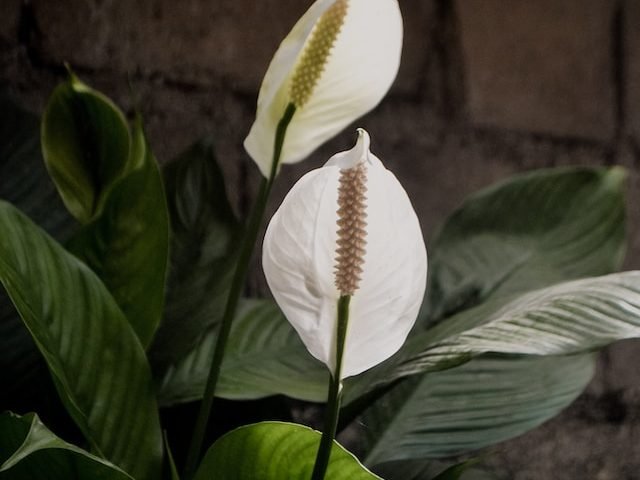
There are some quite dramatic houseplant types out there that will droop down to tell you that they need water such as a Peace Lily. They will then look totally normal about 30 minutes after watering!

Stunted growth can indicate underwatering

Another sign of underwatering is slow or stagnant growth. This is quite simply because your plant is conserving energy due to a lack of moisture. If this is happening during winter this might not mean underwatering as plants are often dormant during the colder, darker months of the year.

However, if your plant isn’t growing during spring and summer then this might be a sign that it’s not getting enough water. Check the potting mix and inspect the root system. If the problem has been going on for a while then the roots may have dried and crisped up.

Curling leaves can be a sign of underwatering

One of the earlier signs of underwatering is curling leaves as this is one of their ways to save water. Luckily curling leaves are often reversible and means you have caught the problem before it’s caused any irreversible damage like brown leaves or a loss of leaves.

It’s important to note, however, that some houseplant varieties such as the Prayer Plant family naturally curl and uncurl their leaves throughout the day. This can easily be mistaken for an issue such as underwatering so make sure to properly confirm the problem by using a moisture meter or other moisture checking methods. You don’t want to increase how much you are watering your plant if it happens to be natural praying that is causing the curling for example.

Those are the top 5 signs that can be caused by underwatering your houseplants. It definitely won’t cause as many issues as quickly as overwatering does but if the issue goes on for a long time it can cause some permanent damage to your plants and can even kill them.

We recommend getting into a good habit of checking the soil moisture regularly and each time before you water. This helps you understand how quickly the soil is drying out and you should

Fiddle and Thorn is a participant in the Amazon Services LLC Associates Program, an affiliate advertising program designed to provide a means for sites to earn advertising fees by advertising and linking to Amazon.com

Take our houseplant survey!

Quickly respond to our 30 second houseplant survey and get 75% off our Complete Houseplant Care eBook!

Take the Survey

No thanks…

5 Signs you are Overwatering your Houseplants

Last Updated: August 1, 2022

Overwatering is one of the biggest killers of houseplants and something that even the most experienced plant parents are guilty of from time to time. Sometimes we don’t adjust our watering schedule enough to fit the environment as colder temperatures and darker days mean we need to reduce how much we are watering.

Overwatering can also happen because we just care for our plants too much and want to give them more water to thrive, when in fact their soil is still pretty soggy from the last time you watered.

Whatever the cause, overwatering can very quickly mean you are saying goodbye to some of your beloved plants. This is why it’s crucial to know what the signs of overwatering are so you can spot the issue early and hopefully start fixing it before it’s too late.

Yellow leaves are a sign of overwatering

If your houseplant has developed yellow patches across the leaves, then this is a definite sign of overwatering, especially if the leaves look quite sickly and limp as well. Overwatering attacks the root system and over time it can’t sustain the healthy growth anymore, meaning some of the leaves start to turn yellow.

The yellow leaves can form in a variety of ways and this can depend on the plant type too. Sometimes you’ll notice yellow spots, other times it will be quite patchy and sometimes the entire leaf will just turn yellow and droopy.

There are a range of other reasons that cause yellow leaves, so it’s important to check the soil moisture and the root system to ensure it’s overwatering. Frustratingly, underwatering can also cause some leaves to turn yellow so the last thing you want to do is cut back on watering if this isn’t the issue.

If your plant is losing leaves, this also may be due to overwatering

It can be quite upsetting when our houseplants start to lose leaves and it’s important that you get to the bottom of the problem as soon as possible. If overwatering is causing your plant to lose leaves then it means the problem has been going on for quite some time so bringing your plant back to full health can be a challenge.

The reason why overwatering can cause your houseplant to lose leaves is similar to what we’ve written above when it comes to yellow leaves. In fact, if the leaves that are falling off are yellow, this is another sign your houseplant has been overwatered. Once the root system has started to rot in the waterlogged soil, your plant simply can’t keep that level of healthy growth so it will lose some of its leaves to conserve energy.

As with all of the reasons, inspect the soil and root system to make sure that this is the cause.

Soggy potting mix indicates overwatering

It might seem obvious but it can be something that us plant parents often forget when it comes to plant care. If you’re worried about overwatering your plants then ensuring the soil has time to dry out between waterings is the number 1 way of doing this. The only thing you need to look out for here is any differences between houseplant varieties as some plants need their soil to dry out fully, whilst others like some consistent moisture. Get to know your houseplant type to figure out how moist the soil should be.

If you fear you’ve overwatered your houseplant then the best thing to do is take it out of the pot. This will allow you to see how soggy the potting mix is and we recommend replacing it with dry mix if waterlogged. Don’t wait for the soil to dry out naturally as this risks the root system becoming damaged. You’ll want to either do this outside or use a plastic sheet when taking your plant out of its pot so that you don’t spill soggy soil all over your home.

Smelly soil indicates consistent overwatering

Another great tip when it comes to diagnosing overwatering is to smell the potting mix. This may seem odd but if there is a lot of water in the soil it can start to smell pretty bad! This is because the water will stagnate in the soil.

A black mushy root system can be caused by overwatering

The best way to rescue an overwatered plant is to remove it from its pot, replace any waterlogged soil with fresh mix and trim away any roots. If the root system has started to rot due to overwatering then it will often turn very dark brown or black in colour. The roots will also be quite soft to touch so this is another sign that your plant is suffering from root rot.

If you do find that your houseplant has developed a rotting root system then you need to remove the rotten parts immediately. This will allow your plant to begin the recovery process and means your plant won’t waste valuable energy trying to revive the root system. Use clean sharp scissors to remove the dead or dying parts of the root system.

Those are the most common signs that you have been overwatering your houseplant. It is one of the biggest killers of plants because you won’t often see warning signs above the soil untilt the issue has been going on for some time. Remember to double check the potting mix and the root system before changing anything about how you water your plants.

In future, to prevent overwatering damaging your houseplants, ensure that you adjust your watering schedule based on environmental factors and remember that these change throughout the year. Don’t stick to a rigid watering schedule all year around as your plant’s watering needs will change dramatically. Instead, check the soil moisture using a moisture meter or use other tips like the chopstick method or simply lifting up your plant to know how soggy it is. All of these methods will help ensure you are giving your plant enough time to dry out between waterings.

Fiddle and Thorn is a participant in the Amazon Services LLC Associates Program, an affiliate advertising program designed to provide a means for sites to earn advertising fees by advertising and linking to Amazon.com

Take our houseplant survey!

Quickly respond to our 30 second houseplant survey and get 75% off our Complete Houseplant Care eBook!

Take the Survey

No thanks…

5 reasons why your Fiddle Leaf Fig Tree’s leaves are drooping

Last Updated: May 31, 2022

Fiddle Leaf Fig Trees are one of the most popular houseplants at the moment. Their striking and luscious dark green leaves really do make them something special. However, it can be frustrating if your beloved plant starts to droop and you don’t know why! But don’t worry too much as drooping leaves on their own mean you have caught the issue early and the problem can very easily be reversed. The main 5 causes of Fiddle Leaf Fig leaves drooping are underwatering, overwatering, drainage issues, low humidity and shock.

Underwatering can cause drooping leaves

Too little water can harm your Fiddle Leaf Fig in more ways than one. It can cause dry leaves, lack of growth and nutrient deficiency. But one of the earlier signs of underwatering is drooping leaves. If you find that the stems and leaves look a little lifeless, it could be because the soil has been dry for too long. Stick a finger in the top few centimetres of the soil to check the moisture. You can also try lifting your Fiddle Leaf Fig if it’s not that mature to see how light the pot feels. However, be careful with this as if your Fiddle is a few metres tall this can severely hurt your back.

If you find that your Fiddle Leaf Fig feels very dry, water it a little every other day for a week and you should slowly start to see your plant un-droop. Your first instinct might be to give it loads of water straight away but this can actually be harmful to your Fiddle if the soil goes from one extreme to the other. Instead, you want to reintroduce frequent watering for a week or two and this should solve the problem.

Investing in a moisture meter would also be a great idea, these handy little things take all of the guess work away from watering. If you really just want a set it and forget it solution, getting a self watering pot could be the one for you.

Overwatering can also cause drooping leaves

If the drooping leaves are paired with dark brown spots but the leaves aren’t crispy, then overwatering is the most probable cause. Fiddle Leaf Figs are pretty hardy plants and won’t die suddenly if you overwater them once in a while. However, consistent overwatering will mean their leaves will start to droop as their roots begin to rot and turn mushy. Fiddles need to be watered no more than once a week in the hottest months of the year, and less frequently in autumn and winter.

If you think that you may have overwatered your Fiddle Leaf Fig and this is why it’s drooping, it is best to replace the soil straight away rather than just sit and wait for it to dry up over time. Be careful when removing the soil from the roots as you don’t want to cause any further damage.

Make sure to check the moisture in the soil before you water your Fiddle to prevent it drooping in future. There are two really easy ways to make sure that it definitely needs water. First check the moisture at the top of the soil, if it is still damp then wait a few days before watering again. You can also lift up your Fiddle as we mentioned before. Make sure to handle your plant gently when picking it up to prevent any further damage to the leaves or stems.

Self-watering pots and a good moisture meter will make sure that you don’t run into this issue again.

Drooping leaves on your Fiddle Leaf Fig can also indicate drainage issues

Sometimes it may not be your watering schedule that is causing your Fiddle’s leaves to droop and fall off, but the poor draining of the soil and pot. You can very easily increase the amount of drainage by mixing in a small amount of perlite, this will make it far easier for water to flow through and out of the drainage holes of your pots (you should also check to make sure your pots have drainage holes). Another easy step is to add a few small stones or pebbles to the bottom of your pots, this helps in making sure that the drainage holes are never blocked by soil or any loose debris.

Although clay or terracotta pots can be a little bit more expensive or breakable, their upsides are much more than just the aesthetic. The clay they’re made of is permeable which means that some of the water in your soil can evaporate through the sides of the pot. This isn’t the case for the plastic pots that most use, which instead hold in all of that moisture. So sometimes it is worth investing a little more to make sure that the roots of your Fiddle’s roots are not sitting in too much moisture which is causing them to droop.

Low humidity can also cause droopy leaves

If the soil isn’t particularly dry, it could be a lack of humidity that is causing your plant’s leaves to droop. Fiddles like quite humid environments and can struggle in homes with dry air. This can be especially damaging in winter months when we often have the heating on for several hours a day. A lack of humidity in the air can cause the leaves to be a little limp and droop down. There are several ways you can increase the humidity for your Fiddle Leaf Fig:

Misting the leaves

One of the simplest ways to increase the humidity for any of your houseplants is to mist them with a spray bottle a couple of times a week. We love these spray bottles from Amazon because they’re super affordable and look great!

Pebble tray

Place your Fiddle over a tray of pebbles with fresh water over the top. Over the day water from the tray will evaporate giving the plants above exactly what they’re looking for and will go a long way to preventing your Fiddle from drooping.

Give your Fiddle Leaf Fig a shower

To quickly raise the humidity and wash down your Fiddle of any long-standing dust, you can always give them a quick shower. Simply pop them in the shower and wash them down with lukewarm water, this will clean off the leaves and give the soil a good soaking.

Move your Fiddle to the bathroom

If you’re lucky enough to have great lighting in your bathroom you can move your Fiddle in there to increase the humidity and stop the leaves from drooping. The running water from your showers means your bathroom is probably one of the most humid in your home.

Buy a humidifier

They’re relatively affordable little devices and they make keeping a consistent humidity level so much easier. Most will allow you to place them on a timer so they run on a fixed schedule, and some will even have a built-in monitor so they automatically turn on and off to keep the humidity exactly where you want it. This is our favourite humidifier from Amazon, it does a great job of keeping some humidity in through the colder/dryer months.

Want to know more about how to raise the humidity for your Fiddle Leaf Fig Tree and other houseplants? We have written a whole guide on this.

Transplant shock/environment change might also be the cause

Just like humans, Fiddle Leaf Fig Trees can get a little stressed out when they move home. In their case moving home can be as simple as moving to a new, bigger pot. Signs such as drooping leaves after repotting are totally normal. It may take a few days for the signs to appear but in the right environment, with the right care, it should only take a few weeks for your plant to get used to the new pot and get back to normal. Keep an eye on your Fiddle after repotting to make sure that the signs do not continue for too long.

Your Fiddle may also show signs of stress if it has been moved to a new spot in your home. A sudden change in light conditions or temperature may cause your Fiddle to go into shock. If your plant is still receiving enough light, and the temperature change is not too extreme, then it should settle into its new home nicely after a few weeks. If you have moved home, the bumps it may have encountered in the process might have also caused a few leaves to droop but it shouldn’t be anything to worry about long term.

Be careful about placing your plant near any ac/heating vents or radiators. The drafts or heat pockets that are created will also cause your Fiddle to display signs of stress, drooping leaves being one of these signs. You could get yourself a handy little humidity monitor, they’re particularly handy for finding the dry spots in your home.

If your Fiddle’s leaves are drooping, but none (or very few) have fallen off, then you’re in luck as you should have caught the issue quick enough to be able to reverse it pretty easily. Once you have diagnosed the issue and rectified the environment or care, your plant should return to full health after a few weeks. If it has lost a lot of leaves and you have only just noticed, don’t worry as with the right care, there is no reason why you can’t revive your dying Fiddle. It may just take a little longer and require a closer eye.

Fiddle and Thorn is a participant in the Amazon Services LLC Associates Program, an affiliate advertising program designed to provide a means for sites to earn advertising fees by advertising and linking to Amazon.com

Take our houseplant survey!

Quickly respond to our 30 second houseplant survey and get 75% off our Complete Houseplant Care eBook!

Take the Survey

No thanks…

5 Reasons Why Jade Plants Lose Their Leaves

Last Updated: February 1, 2022

Loved for their plump luscious green leaves, the Jade Plant is believed to bring you good luck! So it can be pretty frustrating if you notice your plant starting to lose leaves. Whilst Jade Plants can lose the odd leaf to natural ageing this is quite unusual for them which means that it usually means there is an underlying issue that needs to be fixed. But don’t worry, we will go through each of the potential causes with you below, allowing you to properly diagnose the issue, treat it and prevent it from harming your plant in future.

Overwatering is a common cause of leaf drop for Jade Plants

As with many issues in the houseplant world, wrong watering habits can be one of the biggest issues as it can be difficult to know how much and how often your plant needs it. Overwatering is a big concern when it comes to caring for Jade Plants as they are succulents and really don’t need that much water to thrive. This is why soggy soil is often the main reason why leaves drop off the plant.

Jade Plants like to be watered rarely but thoroughly, rather than little and often as they need their potting mix to dry out. Too much water over a long period of time can quickly cause root rot which will mean leaves start to fall off your Jade Plant and the whole plant becomes quite unstable and soft to touch

Remove your plant from its pot to inspect the potting mix and the root system if you suspect that watering habits are causing the leaf loss. If the potting mix feels quite soggy and clumpy then replace it straight away and cut away the roots that have started to rot. You don’t want to wait for it to naturally dry out as this can damage your Jade Plant further and cause more leaves to fall off.

To prevent the problem from happening again ensure that you only water your Jade Plant when it needs it. The best way to do this is to get into the habit of using a moisture meter as they will literally tell you how moist the potting mix is – yes it’s really that easy!

It could also be caused by a lack of water

Another cause of leaf drop in Jade Plants is insufficient watering and dry soil. As Jade Plants don’t need loads of water to survive, the issue has to have been going on for a while for it to cause leaves to fall.

A good way to initially check whether or not you are overwatering is the ‘finger test’. Dig a finger a few centimetres into the soil to feel if it is too dry. The most reliable method is as we described above, to use a moisture meter.

If underwatering is the cause of your Jade Plant losing leaves, then slowly moisten the potting mix by watering a little once a day for a few days. Then going forward, make sure to water more frequently and consistently than before.

Low light levels can also cause leaf shedding

Too little sunlight can also cause your Jade Plant to drop some of its leaves. Lighting is actually a difficult one with these plants as they need exactly the right balance – they can’t handle direct sunlight, but also are quite fussy about a lack of light as this can lead to leggy or stagnant growth.

Luckily, a lack of sunlight tends to be an easier fix than watering issue as you just need to find a brighter spot for your plant. If you can’t find a sunnier place for your plant, then you can use an LED grow light to supplement natural sunlight and boost growth.

Cold temperatures can cause stress

Jade Plants will survive well in rooms with average room temperature but can be quite sensitive to cold temperatures and if exposed to a constant stream of cold air for too long, it can cause them to lose leaves. Make sure to draft proof any doors and windows that are near to your Jade Plant to avoid cold drafts coming in from outside.

If your Jade Plant is losing leaves in summer, it could also be due to close proximity to any AC vents so make sure your plant is at least 1 metre away. We recommend investing in a digital thermometer to check the spot your Jade Plant is sitting in to avoid extreme temperatures.

Mealybugs or spider mites can also cause leaf drop

It is good to check the underside of the leaves that have fallen off, as well as the healthy leaves for signs of pests as this can also be a cause of leaf shedding. Whilst it doesn’t happen so much to plants that only live indoors, it’s still a possibility that you definitely want to be wary of.

If you find bugs, most commonly mealybugs or spider mites on Jade Plants, wipe each leaf with warm soapy water to try and remove as many as possible. We tend to recommend giving your plants a shower but Jade Plants need low water pressure or this might break off some of the leaves. It is also good to treat your Jade Plant with neem oil to fight the infestation

Those are the top 5 reasons why Jade Plants lose their leaves. It’s really important that you start treating the issue as soon as you see even a couple of leaves falling from your plant as things can escalate quickly. Catching the issue early (and doing something about it) gives you the best chance at bringing your Jade Plant back to full health, all leaves intact.

To learn more about how to properly care for your plant, check out our Jade Plant care guide.

Fiddle and Thorn is a participant in the Amazon Services LLC Associates Program, an affiliate advertising program designed to provide a means for sites to earn advertising fees by advertising and linking to Amazon.com

Take our houseplant survey!

Quickly respond to our 30 second houseplant survey and get 75% off our Complete Houseplant Care eBook!

Take the Survey

No thanks…

5 mistakes people make when caring for their houseplants

Last Updated: December 31, 2021

Common Houseplant Mistakes

We all make mistakes sometimes, and for most of us it’s how we learn best. Looking after houseplants isn’t any different to anything else in life, there’s mistakes to be made and learnt from around every corner. In this post we’re going to go through some of the most common houseplant mistakes that we’ve made, and we’ve seen others make, so you can learn without harming your beloved houseplants.

1. Not understanding light levels

This may come as a shock but direct sunlight isn’t actually great for most plant types. There seems to be this misconception that the more light the better. But this couldn’t be further from the truth. Direct light becomes very intense during summer and can very easily burn and scorch the leaves of your plant (which is irreversible btw!).

So before you go putting all your houseplants right next to the window, take a moment to research what light level is actually best for your plant. An easy way to do this is by looking in our Plant Index for your specific plants and their needs.

There is a lot more to light levels than you may first realise. It depends on where your window is facing, what time of year it is and many other factors. We have written a whole chapter to help you understand different light levels in our downloadable ebook so you never have to worry about leaf burn or stunted growth again.

2. Using plastic pots

9 times out of 10 when you buy a new plant it will come in a plastic pot. These are great for plant nurseries and shops as they are lightweight, cheap and don’t break. However, this doesn’t mean they will make a good home for your plant in the long term. Think of these plastic pots as a starter flat. Good for a while but doesn’t really fit the needs for years and years.

Plastic pots keep in every drop of moisture and can very easily lead to waterlogged soil and root rot. You are much better off using terracotta pots as they let some of the water escape out of the side. It makes overwatering less of a risk to your plant. They also look great too and mean you don’t have to search for the perfect planters to cover up the cheap plastic pots.

3. Forgetting to check root health

Think of your plant like an iceberg (yes, that old-age analogy!). Although you may only marvel at the incredible gorgeous green leaves of your plant, you must remember that a lot goes on underneath the soil too. In fact, the roots are the most important part of your plant as they provide the nutrients for growth, absorb the water and stabilize the plant. Without a healthy root system, your plant will struggle to thrive.

So why, if the roots are so important, do we never check them? Maybe it’s because it can be a little mucky to take the plant out of its pot and we like to assume if the leaves are healthy then the roots must be too. But we encourage you all to check over your plant’s roots every few months, or more if you notice any changes with your plant. Check they are not overcrowded or turning mushy and it will mean you can spot any problems early!

4. Not cleaning the leaves enough

Plants are dust magnets, especially ones with large flat leaves such as Monsteras or Fiddle Leaf Figs. Over time a layer of dust will cover the plant making the once shiny leaves look quite dull. We may not notice it as it happens gradually each day but once you notice, you’ll be shocked how bad it can get.

Dust isn’t just bad for the appearance of your plant but it can really damage its health too! The layer of dust will block out some of the sunlight that it would otherwise be getting meaning levels of photosynthesis will be lower.

We recommend cleaning your plant’s leaves with a slightly damp cloth every month or so. Make sure the water is lukewarm otherwise you may damage the leaves.

5. Forgetting to fertilise

As we established earlier, light and water aren’t enough for healthy houseplants. If you really want them to thrive, grow and produce flowers then you will need to fertilise your plants. You want to only fertilise during spring and summer as the majority of plants hibernate over winter and don’t produce much growth.

There are a few different types of fertiliser: water-soluble which you dilute into the water you are giving your plants and granular which you put into the potting mix. You can find out more about how and when to fertilise your plants in our complete houseplant care ebook.

Those are the 5 most common mistakes that people make when caring for their plants. These mistakes won’t always damage or kill your houseplants but it is good to add them to your care routine every once in a while. It will mean you can spot warning signs of problems early and will hopefully mean your plant can grow bigger, longer, or taller!

Fiddle and Thorn is a participant in the Amazon Services LLC Associates Program, an affiliate advertising program designed to provide a means for sites to earn advertising fees by advertising and linking to Amazon.com

Take our houseplant survey!

Quickly respond to our 30 second houseplant survey and get 75% off our Complete Houseplant Care eBook!

Take the Survey

No thanks…

5 Best Potting Soils for Houseplants

Last Updated: December 31, 2021

How to choose a houseplant potting soil

Choosing a potting soil for your houseplants can be tricky. We have spent a long time in garden centres staring at a wall full of soils and never really known which to choose. The list of ingredients can be difficult to understand and you need to know which plants require what. But don’t worry, we have spent a long time trying out various different potting mixes to see which are the best for all kinds of houseplants. Below you’ll find our favourite 5 – you can’t really go wrong with any of them so we hope this will help make that decision a little easier.

As with all potting mixes though we have to add a disclaimer – although these are all high-quality soils there is never a guarantee that there won’t be the odd bug in the mix. That’s nature for you! In order to keep your plants pest free, ALWAYS check the potting mix thoroughly before giving to your plants. Pests are easy to spot as they will move and will be visible to the human eye so all it takes is a quick once over.

Miracle Gro Potting Mix

This potting mix is great if you are after good quality, value for money soil that will work with the majority of houseplant types (but not succulents or cacti). It has good drainage but not enough perlite and coarse ingredients to be suitable for plants which hate moist soil.

The great thing about this mix is that it will feed your plants for up to 6 months so you don’t have to worry about fertilising too much after repotting. Our plants have really loved it and we have seen a lot of new healthy root growth. As with any soil, check it for pests (particularly fungus gnats) before repotting your plants but you shouldn’t have too many issues.

You can pick up the potting mix on Amazon here.


Succulent and Cactus Mix

This potting mix from The Succulent Cult is one of our favourites for cacti and succulent plants that need a well-draining mix. Overwatering is the number 1 cause of death for houseplants so getting a mix that is as rich in perlite as this one will really help you avoid root rot.

The mixture not only gives good drainage but also helps aeration in the soil to give your plants all the oxygen they need! A must-have for cacti and succulent lovers.

Grab a bag from Amazon here.


Miracle Gro Houseplant Mix

This is the slightly premium option and worth every cent. After all, you want your houseplants to have the best home! A great thing about this mix is that it’s less prone to gnats as the ingredients are balanced slightly differently from the standard mix. So it’s definitely worth investing a little more into this mix to prevent the dreaded pest infestation. Buying a new houseplant will not only cost more, but it can be quite emotional seeing them slowly taken over by pests.

Another reason we really love this potting mix is that it’s designed for just houseplants. A lot of the potting mixes out there can also be used for outdoor plants which mean they aren’t always exactly right for potted plants. But when we tried out this mix with some of our plants, they really loved it!

The Houseplant Mix is available to buy from Amazon here.


Miracle Gro Succulent Potting Mix

You might be able to tell by now but we are definitely fans of Miracle Gro and we use a lot of their products for our own urban jungle. This succulent mix is great for plants who need a well-draining mix as it contains perlite and other ingredients which help drainage and aeration and will prevent your succulent from going mushy.

It’s super important when you use this mix to have a saucer or planter that will capture the excess water and allow you to throw it out. This will stop your plant sitting in puddles of water at the bottom of the pot. It also contains a little bit of fertiliser so you don’t need to worry about that for a while.

Keep your succulents happy with this mix from Miracle Gro, available on Amazon here.


Cactus and Succulent Potting Mix

If you are after a super well-draining mix then this is the one you need to get. It’s made up fo 25% perlite which means the risks of root rot are drastically reduced (so long as you don’t consistently overwater, of course). It’s also a great potting mix for any plants with rhizomes as they are also prone to rot.

It comes in various sizes so check the best price on Amazon here.

Fiddle and Thorn is a participant in the Amazon Services LLC Associates Program, an affiliate advertising program designed to provide a means for sites to earn advertising fees by advertising and linking to Amazon.com

Take our houseplant survey!

Quickly respond to our 30 second houseplant survey and get 75% off our Complete Houseplant Care eBook!

Take the Survey

No thanks…

Our Journal

Learn more about specific plant problems, propagation methods and useful top tips.