Why is my Zebra Cactus (Haworthia) turning brown?

Last Updated: April 19, 2023

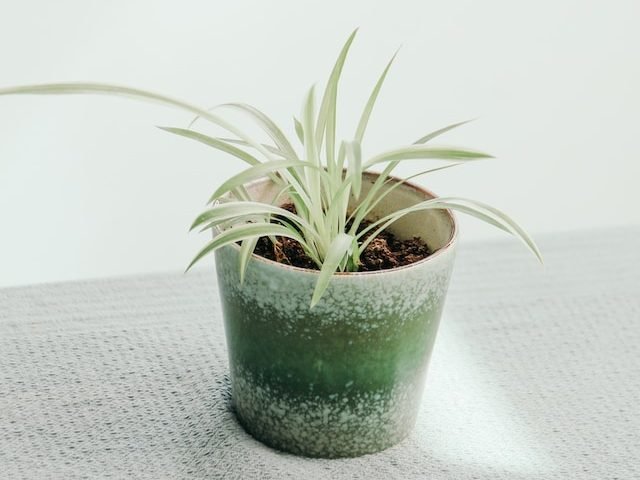
Loved for their white and dark green Zebra-style stripes, Zebra Cacti are beautiful small succulent plants that look a little like the popular Aloe Vera. Whilst they can be pretty low maintenance, it can happen sometimes that they start to develop brown leaves.

This can either occur from the tips of the leaves downwards or browning across an entire leaf or section of your plant. If this is happening to your Zebra Cactus, then it definitely signals that something isn’t right with either the environment in which your plant is living or the care routine it’s receiving.

Before you give up on your Zebra Cactus and become defeated by the brown leaves, let us take you through each of the causes of browning so you can figure out what is happening to your plant as well as fix the issue and prevent it from harming your plant again in future.

Causes of Brown Leaves on a Zebra Cactus


Underwatering can cause brown leaf edges and tips

If the leaves on your Zebra Cactus have turned light brown and are quite dry, then it might be a lack of water that is causing the issue. Although Zebra Cacti don’t like sitting in puddles of water as they are succulent plants, they can’t go without a drop of water for too long. Consistent underwatering will cause them to develop brown leaves from the tips and edges inwards.

The best way to diagnose this issue is to remove your plant from its pot and inspect the soil. If the potting mix is very dry and powdery, and you can see that some of the roots have started to look a little crispy, then your Zebra Cactus will need more moisture. Dry roots do suggest that the issue has been going on for some time so you may need to be a little patient in the recovery process.

Other ways to diagnose underwatering as a cause of the brown leaves is to either use a moisture meter or the chopstick method. A moisture meter is definitely the most precise way to keep track of when your plant needs watering and they are pretty affordable too.

Slowly reintroduce water to your plant over the course of a week but be careful not to go the other way and start overwatering your Zebra Cactus as this can also cause brown leaves (more on that below). If you drown them in water all at once then this sudden change in their environment might actually shock your plant.


Overwatering can also cause brown foliage

If you notice that your Zebra Cactus is developing dark brown leaves that are quite droopy and soft to touch, then it is probably too much water that has caused this.

Overwatering can very quickly lead to root rot as Zebra Cacti have very shallow and delicate roots. Alongside browning leaves, it can also cause the plant to become unstable and soft. If not caught quickly, this can mean your plant will not be able to survive.

If you think you might have overwatered your Zebra Cactus it’s important to check the soil right away and change it out completely if it is waterlogged. You may be tempted to wait for the potting mix to dry out on its own. However, we strongly recommend against this as even a few more days of sitting in wet soil can cause a lot of damage to the root system, leading to more brown leaves and potentially even other problems. This is why you need to act quickly once the issue is spotted and diagnosed.


Watch out for hotspots and heat stress

If your Zebra Cactus is exposed to really hot temperatures over a long period of time, this can dry out the plant and cause brown leaves. Although Zebra Cacti are the perfect windowsill plant when it comes to their size, be careful if the window is getting too much direct sunlight as this can cause a hotspot to form by the window.

But it’s not just hotspots caused by the sun that you need to be careful of. Brown leaves can develop if your Zebra Cactus is too close to radiators, heating vents or even cookers.

Using a temperature monitor can also help you avoid this problem and keep track of any fluctuations. They are great at allowing you to find the perfect place for your Zebra Cactus and be aware that you may need to move it around throughout the year.


Sunburn can also turn the leaves brown

If your Zebra Cactus is receiving too much bright direct sunlight each day you may start to notice yellow/brown patches appearing on the leaves. This is actually a slightly different point to the hotspots that we mentioned above because the warmth of the sun will dry out the plant, but intense direct sun rays can actually burn the plant.

When intense sunlight scorches your Zebra Cactus, it can cause brown and yellow patches, more of which will of course be on the side that faces the window.

As they are small succulents, a lot of plant parents like to keep them on the windowsill, which for a lot of the year is no problem at all. However, you’ll need to be more cautious of leaf burn during summer.

Luckily you don’t need need to worry much about sunburn in winter as the sun is a lot weaker and there are generally fewer hours of daylight. So if this is happening in the depths of winter, you can likely rule out sunburn as a possible cause.

You can use a light monitor to figure out if your plants are getting the right amount of sunlight. We love this one which is available on Amazon here.

How to Treat and Prevent Brown Leaves on a Watermelon Peperomia


Adjusting your watering routine

Make sure to check the moisture in the soil before you water your Zebra Cactus so that you can be sure it has dried out.

The easiest way to check this is by digging your finger into the top two centimetres of the soil to see how damp it is. We also recommend picking up your Zebra Cactus before and after watering. This should give you a feel for when your Zebra Cactus might need a little more water, simply by giving them a lift.

If you aren’t really sure about how to know if your Zebra Cactus needs watering, we recommend picking up a moisture meter. They are super affordable and tell you how much moisture is in the soil.

There are two factors that you want to think about when it comes to adjusting how you water your Zebra Cactus. How much water you give your plant each time, and how often you water it in the first place. As succulents, Zebra Cacti prefer to be watered deeply but not that often, rather than constantly being given a little bit of water which never allows the potting mix to dry out.


Switch to a well-draining soil

Another thing that you can do to prevent watering issues (and subsequent problems such as brown leaves), is to replace the soil with a succulent and cacti mix.

These potting mixes have perlite and other ingredients that aid drainage and aeration in the soil. This allows water to flow through the soil easily and avoids problems caused by waterlogged soil and root rot.


Adjust your plant’s positioning

When it comes to hotspots and sunburn, it’s important that you are relocating your Zebra Cactus so that it’s not receiving too much intense summer sun or too close to radiators etc that might be drying out the plant.

Another thing to consider doing is having a winter spot and a summer spot for your Zebra Cactus (and other houseplants too!). This is because environmental factors such as temperature and sunlight change dramatically throughout the year. A spot that might be perfect for your plant in winter might be getting way too much sunlight during summer or the other way around.

This is why it’s important to be measuring the light level and temperature across your home to find the right place for your plant and avoid more brown leaves in future.


Monitor the environment

The best way to prevent brown leaves from developing on your Zebra Cactus in future is to monitor any changes in the environment and act before they cause harm to your plant.

Ensure that you are tracking temperature so that you can spot any cold drafts or hotspots that might crop up from time to time. Try to get a thermometer that has a setting that saves the hottest and coldest temperatures over the past 24 hours. This will allow you to spot any fluctuations at night or at times when you are out and about.

Removing the Brown Leaves on a Zebra Cactus

Now that you have (fingers crossed) diagnosed and treated the issue, you might be left wondering what to do with the parts of your plant that have already turned brown.

Unfortunately, once any part of the plant has turned brown, there is no way to reverse this. This is why we recommend removing the parts of the plant that are majority brown. They are dying and will be consuming some of your plant’s energy for no benefit. By removing them, you are allowing your Zebra Cactus to focus entirely on new healthy leaves.

If there are parts of your plant that only have a small brown spot or patch, then we don’t recommend removing these. They will still be beneficial to your plant and removing too much of the overall plant will hinder its overall health and growth ability.

Frequently Asked Questions

Those are the most common problems that tend to cause a Zebra Cactus to develop brown leaves, spots or tips. To diagnose the issue, start by ruling out any watering problems as these are the most common.

Then to prevent the issue (and others) from happening again in future, it’s important to begin giving your plant a thorough check-up about once a month. Look over the leaves, soil and even sometimes the root system to see if you can spot any early warning signs. Spotting issues as early as possible will give you the best chance at treating them and reviving your plant.

Consistently monitoring environmental factors such as temperature and light level, as we mentioned earlier, along with routine check-ups is the best way to prevent the issue from happening again.

Check out our Zebra Cactus care guide for more information on how to best care for your plant.
Fiddle and Thorn is a participant in the Amazon Services LLC Associates Program, an affiliate advertising program designed to provide a means for sites to earn advertising fees by advertising and linking to Amazon.com

Take our houseplant survey!

Quickly respond to our 30 second houseplant survey and get 75% off our Complete Houseplant Care eBook!

Take the Survey

No thanks…

Why is my Yucca drooping?

Last Updated: August 26, 2022

Yuccas are a staple houseplant and one of the most popular around the world. With their barky appearance and low-effort care requirements, they are great for all homes, offices and outdoor spaces too! However, just because they are relatively low maintenance compared to a lot of other plant types, it doesn’t mean that the Yucca doesn’t come with its own set of issues from time to time. If things aren’t right, your Yucca may start drooping as a result so it’s important to get to the bottom of whatever is going on pretty quickly.

Below we will go through the multiple reasons why Yuccas begin drooping, as well as outlining ways to diagnose the issue, treat the problems and stop them from causing more problems in future.

Underwatering can cause a drooping Yucca

Consistent underwatering can lead to a variety of serious issues if not solved in time (we are talking brown leaves, leaf drop and a crispy root system), but even just the odd time you forget to water can result in drooping leaves. The lack of moisture in the soil means the leaves might feel a little softer to touch and look quite limp and sad.

Luckily though drooping leaves on a Yucca are completely reversible if you’ve caught the issue in time.

Before you start watering more frequently though, we recommend taking your plant out of the pot and seeing how dry the potting mix feels. The last thing you want to do is assume the drooping leaves are because of a lack of moisture and then start watering your plant more when it really doesn’t need it.

As Yuccas can get quite big, you don’t want to be lifting them up too much so using a moisture meter can really help detect whether underwatering is causing the drooping leaves.

Once you’ve made a diagnosis, your first instinct to solve the issue, might be to drown your Yucca to overcompensate for the lack of water, but this can actually cause more damage than the initial drooping leaves if your plant goes into shock.

Instead, the best way to bring your underwatered Yucca back to full health and reverse the drooping leaves is to water your plant a little bit once a day for a week. After a week you want to go back to a more normal care routine, making sure to increase your watering frequency slightly to prevent this issue from happening again.

We recommend buying a moisture meter to help you keep an eye on when your Yucca needs more or less water. If you want to take all of the worry out of watering your Yucca it could be worth investing in a self-watering pot like this one.

A drooping Yucca can also indicate overwatering

What’s strange about drooping leaves is that they can be caused by both underwatering and overwatering. This is because the root system becomes a little damaged with both problems, leaving your plant without the needed moisture, oxygen and nutrients.

Overwatering is a much more concerning issue though as alongside drooping leaves it can very quickly cause some nasty problems for your Yucca.

When caring for your Yucca, it’s important that the potting mix has fully dried out before watering again. Too much water will cause them to become very soft, limp and droopy.

How do I know if overwatering is the cause of the drooping leaves on my Yucca?

Luckily, a lot of the signs for overwatering are quite different to underwatering so you just need to know what to look out for.

  1. The leaves are soft and mushy.

    If the leaves on your Yucca feel quite soft as well as drooping, then overwatering is the most probable cause.

  2. Dark patches on the leaves.

    The leaves may also start to turn quite a dark brown or yellow if the problem has progressed far.

  3. The potting mix is waterlogged.

    Check the soil to see if it’s waterlogged and clumpy, as this suggests overwatering is probably the cause of your Yucca’s drooping leaves. You can also use a moisture meter to check this.

  4. The potting mix will smell.

    Waterlogged soil gives off an unpleasant musty and damp smell which is hard to miss.

How do I fix an overwatered Yucca?

Once you have confirmed that your Yucca’s drooping leaves are caused by too much moisture, then you must act quickly to prevent any more damage. Inspect the root system and trim away any rotten or damaged roots so that your plant can begin to recover. If the potting mix is soggy, replace it with fresh high-quality mix rather than wait for it to dry out as this risks more damage.

Going forward, make sure to only water your Yucca when the potting mix has fully dried out. This might mean you either water less frequently, or you give your Yucca less water each time. This will help avoid the problem recurring and help keep your plant happy, healthy and not drooping!

Too much sunlight can also cause a drooping Yucca

Although they can adapt well to a wide range of environments, it can happen that direct intense sunlight can cause your Yucca to dry out quicker than you might expect. This has two implications; firstly, it can dry out the leaves, turning them crispy, droopy and scorched but secondly, it dries out the potting mix very quickly which leads to all the problems associated with underwatering.

As long as the problem hasn’t progressed as far as severely damaging the leaves on your Yucca, the issue should be pretty reversible by moving your plant to a shadier spot in your home.

Drooping Yucca leaves can indicate temperature shock

If you have inspected the potting mix of your Yucca, analysed your watering schedule and just can’t be sure that watering issues is the cause of the drooping leaves, then the cultprit may be cold temperatures

Yucca plants are native to the tropics so thrive in warm temperature meaning they’ll struggle in homes with cold drafts. This won’t cause issues from one day to the next but over time it can cause your Yucca to droop down as well as turn brown.

Make sure that you draft-proof any windows or doors that are close to your Yucca (and other heat-loving houseplants) as well as moving them away from any air conditioning vents as these can be quite damaging to your plants during summer.

Alongside issues for the foliage, if your Yucca is living in a cool room, it’s also more at risk from overwatering and root rot. This is because the soil will take a lot longer to dry out which is the perfect mix for problems such as root rot to occur. If warming the room isn’t an option, try out a heat pad like this one through the colder months to mitigate the risk of root rot entirely.

Pests can also cause a Yucca to start drooping

A rarer but equally important cause of drooping leaves on Yuccas (and most other houseplants), is a pest infestation. It can be worrying for plant parents to think that pests might be making a home on their plants but if you catch the problem early, you can have a lot of success fighting against the pests. Insects that live on your plant will suck the nutrients from it which is why you’ll often see the leaves drooping down.

The first thing to do is isolate your plant away from your other houseplants to stop any spread of the pests. Then inspect your plant and others in the same room for any signs of pests. Other than drooping leaves this includes small holes in the leaves, brown or yellow spots, white webbing or powder and of course, pests themselves.

If you spot any signs of pests, cut away the worst affected leaves to curb the growth of the infestation. Then wash down the leaves and flush the soil in the shower using warm water. We also recommend treating your Yucca with neem oil and showering every few days.

Those are the main factors that can cause a drooping Yucca plant. As there are quite a few different causes, we recommend going through each one whilst inspecting your plant so that you can eliminate those that don’t fit with what’s going on with your plant.

Check out our Yucca care guide for more information on how to keep your plant happy and healthy!

Fiddle and Thorn is a participant in the Amazon Services LLC Associates Program, an affiliate advertising program designed to provide a means for sites to earn advertising fees by advertising and linking to Amazon.com

Take our houseplant survey!

Quickly respond to our 30 second houseplant survey and get 75% off our Complete Houseplant Care eBook!

Take the Survey

No thanks…

Why is my Watermelon Peperomia losing leaves?

Last Updated: April 1, 2022

It’s no secret that the Watermelon Peperomia is one of our favourite plants here at Fiddle and Thorn. There’s something about the incredible silver striped leaves that are just irresistible. However, they are quite a unique plant in that their leaves are super sturdy and heavy, but they have very thin and often weak stems. This leaves the Watermelon Peperomia quite susceptible to leaves dropping from the plant as soon as something is the slightest bit wrong.

Below we will be going through a detailed look at each of the different factors that might lead your Watermelon Peperomia to lose leaves. It’s important that you take immediate steps if needed to solve the issue and get your plant back to full health before it’s too late.

Overwatering can often cause leaf drop

If your Watermelon Peperomia is losing its leaves from the bottom up, then it may be a problem with the root system as the leaves closest to it are usually the ones affected first. The most common issue is too much water which causes the roots to rot in waterlogged soil. Most houseplants, including the Watermelon Peperomia, absolutely hate sitting in water and once the roots become soft the entire plant will become unstable and your plant can no longer get the nutrients, oxygen or water it needs. This is what causes the leaves to start falling off your plant.

Luckily, with overwatering, it is an easier problem to diagnose than others as the answers are in the potting mix. You have two options to test the moisture in the soil and which you choose depends on how damaged and delicate your plant is. You don’t want to take the plant out of the pot to inspect the leaves if your plant is very delicate as this risks more damage. Instead, we recommend you use a moisture meter first and if the potting mix is waterlogged then you have no other choice but to replace it so your plant can begin to recover.

In future, try to regulate your watering and always check that the top of the soil is dry before giving your Watermelon Peperomia any more water. You need to also water according to the seasons; in the spring and summer (growth period) your Watermelon Peperomia will require water about every 7 days. However, in winter (dormant period) about once a month is enough. Each and every plant is different though so it may take a little while to understand how much water it needs.

Drainage Issues

Sometimes it may not be your watering schedule that is causing your Watermelon Peperomia to lose its leaves, but the poor draining of the soil and pot also causes root rot. You can very easily increase the amount of drainage in your Watermelon Peperomia by mixing in a small amount of perlite. This not only helps with water flow but it also aerates the soil which helps with getting oxygen to your plant. Oh and check your pot has drainage holes too as these allow excess water to flow out of the pot.

Another good method to avoid waterlogged soil and your plant losing more leaves is to buy some clay or terracotta pots. Although they are slightly more expensive than plastic pots, they have so many benefits. They allow some excess water to evaporate out of the sides, whereas plastic pots keep in every single drop of moisture which can be quite damaging to Watermelon Peperomia plants and cause them to lose leaves. Terracotta pots also look great, so the benefits are worth the little extra cost.

Underwatering

Funnily enough both over- and underwatering can be damaging to your Watermelon Peperomia and cause it to lose leaves. It’s really important you figure out which is the cause as you don’t want to be adjusting your watering schedule in the wrong way as this will only cause more issues for your plant.
To help you figure out if underwatering is causing the leaves on your Watermelon Peperomia to fall off, here are a few things to look out for:

The leaves are dry and crispy

If the leaves that are falling off are very dry, crispy, shrivelled and look dehydrated, then the problem is probably consistent underwatering.

The potting mix feels very dry

An easy way to see if your Watermelon Peperomia is losing leaves due to a lack of water is by taking the plant out of its pot and inspecting the potting mix. If the soil feels very dry to touch, almost like dust or sand, then your Watermelon Peperomia definitely needs more water.

The soil is coming away from the sides of the pot

This is a great method to be able to tell if your Watermelon Peperomia is being underwatered just by looking at it, and it works for all of your houseplants so is a nice little trick to remember. If you notice that the soil has compacted and is actually coming away from the sides of your pot, then it indicates that you need to increase watering and this might be why your Watermelon Peperomia is losing leaves.

Buy a moisture meter

Just like with overwatering above, using a moisture meter will help figure out how dry the potting mix is and if you need to water more to stop your plant from losing any more leaves. It’s something that every plant parent should own.

How do I fix an underwatered Watermelon Peperomia?

Once you have figured out that a consistent lack of water is causing your plant to lose leaves, it’s important that you solve the issue in the right way. You might be inclined to drown your plant in water but this risks causing shock to your plant which can lead to more leaves falling off. To prevent this from happening, we recommend slowly reintroducing water. Give your Watermelon Peperomia a little bit once a day for a week before going back to a more regular watering schedule. This should prevent your Watermelon Peperomia from losing any more leaves.

Too little sunlight

Your Watermelon Peperomia may also be losing some of its leaves due to insufficient light levels. Watermelon Peperomia plants need a bright spot (indirect light only or this can cause a range of other issues). Using a light meter can help you establish the best spot for your Watermelon Peperomia and make sure that it’s getting enough sunshine each day.

A pest infestation

It is good to check the underside of the leaves that have fallen off, as well as the healthy leaves on your Watermelon Peperomia to spot any signs of pests. Signs include small holes in the leaves, white webbing or powder and small yellow or brown dots on the leaves. After making themselves at home on your Watermelon Peperomia, they’ll suck the nutrients from the leaf and cause it to fall off the plant.

If you can confirm that there are pests causing your plant to lose leaves, remove the worst affected areas straight away to curb the growth of the infestation. We would usually recommend giving your plant a shower but Watermelon Peperomia plants have such thin stems compared to the leaves that it could cause more damage. Instead, treat your Watermelon Peperomia with neem oil to fight the infestation.

Natural ageing

If it’s only the oldest and lowest leaves on your Watermelon Peperomia that are falling off, then this may be natural ageing. As your plant matures, your plant will drop some of its oldest leaves to focus its energy on growing new healthy and often bigger growth.

This is completely natural so you don’t need to worry that there is something wrong with your plant’s environment or the care that it’s receiving. The one thing you do need to keep an eye on though is the rate of ageing as if the rate of leaves falling off is faster than the rate of new growth, then it suggests something isn’t quite right.

Those are the most common reasons why Watermelon Peperomia plants lose their leaves. It’s important to first establish whether or not it’s natural ageing as if something is wrong, you need to take the steps to fix it immediately as otherwise, it might be too late to bring it back to full health.

To learn more about how to care for your plant, check out our Watermelon Peperomia care guide.

Fiddle and Thorn is a participant in the Amazon Services LLC Associates Program, an affiliate advertising program designed to provide a means for sites to earn advertising fees by advertising and linking to Amazon.com

Take our houseplant survey!

Quickly respond to our 30 second houseplant survey and get 75% off our Complete Houseplant Care eBook!

Take the Survey

No thanks…

Why is my Wandering Jew plant turning brown?

Last Updated: May 17, 2022

There are a few reasons why your Wandering Jew Plant is turning brown. We have researched and outlined the most common reasons so you can very quickly find out what’s wrong and fix it right away.

Low Humidity can cause Brown Leaves

Wandering Jew Plants like medium levels of humidity and will struggle to thrive in homes that have quite dry air. If there is a consistent lack of humidity, over time the leaves will start to turn brown. This usually starts from the tips and edges before moving throughout the whole leaf.

You should be extra cautious of dry air in winter as central heating and less ventilation will decrease the humidity levels and Wandering Jew Plants will find it difficult.

If it is only the leaf tips that are brown then it means you have caught the problem pretty early on so it’s a lot simpler and quicker to fix. A good way to get ahead of humidity problems is to get yourself a humidity monitor, this will let you see what’s going on in your room and react before you run into problems!

Here are some of the easiest methods to increase humidity in your home and avoid any further dry brown leaves on your Wandering Jew Plant.

  • Misting the leaves

    One of the simplest ways to increase the humidity for your Wandering Jew Plants is to mist the leaves with a spray bottle. We recommend doing this a few times a week if the air is really dry. It’s also important that you only mist in the morning as there is enough time for the water to evaporate before it gets dark. If the temperature drops and the leaves are still wet then they can rot pretty quickly. We love these spray bottles from Amazon because they’re super affordable and look great!

  • Pebble tray

    Place your Wandering Jew Plants over a tray of small pebbles. Fill up the tray so the water reaches halfway up the pebbles. You want to make sure that the water level never reaches the pot as the roots will rot if they are sitting in a puddle of water all day.

    Over time the water in the tray will slowly evaporate, lifting up the humidity level. Replace the water every few days to stop it from becoming stagnant. Otherwise, it’ll start to smell!

  • Give your plant a shower

    To quickly raise the humidity and wash down your Wandering Jew Plant of any dust on the leaves, you can give them a shower. Make sure to use lukewarm water as you don’t want to shock or burn the plant. Try to keep the water pressure fairly low as you don’t want to damage the plant.

  • Move your plant

    Kitchens and bathrooms have naturally higher humidity levels than other rooms in your home. This is because of the steam from showering and cooking. If you have good lighting in these rooms, we recommend moving your Wandering Jew Plant in there and you won’t need to remember to mist or shower the plant.

  • Buy a humidifier

    If you want a long term solution to raising the humidity in your home, then buy a humidifier. They aren’t super expensive and are great at maintaining a good humidity level in your home. They also have other benefits such as better sleep and clearer skin, so think of it as an investment for yourself, not just your houseplants. This is our favourite humidifier from Amazon, it does a great job of keeping some humidity in through the colder/dryer months.

    Want to know more about how to raise the humidity for your Wandering Jew Plant and other houseplants? We have written a whole guide on this.

Underwatering can cause yellow Wandering Jew Plant leaves

If your Wandering Jew Plant has developed dry brown leaves then it may be a consequence of underwatering. Check the moisture levels in the soil to find out. If it is bone dry and very powdery then your plant probably needs more water.

Your first instinct to fix an underwatered Wandering Jew Plant is probably to drown it in water. However, this can actually cause further damage as your plant may get shocked by the sudden change in environment. The best thing to do in this case is to slowly reintroduce watering by giving your plant a little bit twice a day for a few days. You will also want to change your routine a little to make sure you’re watering a little more to avoid this problem recurring.

Investing in a moisture meter would be a great idea, these handy little things take all of the guess work away from watering. If you really just want a set it and forget it solution, getting a self watering pot could be the way.

Too much sunlight could also cause brown leaves

If your Wandering Jew Plant is receiving too much bright direct sunlight each day you may start to notice yellow/brown patches appearing on the leaves. This is because the plant is being scorched by the intense sunlight.

Although this problem is irreversible once it has happened, it’s pretty simple to fix for the future. Move your Wandering Jew Plant to a place in your home with less light and it should begin to recover. Monitor the sunlight levels in your home across the year because you might be able to move your plant closer to the window over winter when the sun isn’t as strong. If you prefer you can carefully trim away the burnt patches on your Wandering Jew Plant’s leaves so your plant looks healthier and can focus on producing new healthy growth.

You can use a light monitor to figure out if your plants are getting the right amount of sunlight. We love this one which is available on Amazon here.

Natural ageing…

Wandering Jew Plants are a little different than a lot of other houseplants in the way they lose their leaves as they age. Most houseplants lose their oldest, lowest leaves but Wandering Jew Plants actually struggle to keep the middle leaves alive as they grow longer. These middle leaves will begin to turn brown before falling off the plant.

The best thing to do is to prune the vines back, above the brown area and propagate the healthy stems. This way you can plant the new vines back into the pot or create a new Wandering Jew Plant altogether.

If you want to learn more about Wandering Jew Plant care or other common problems, then check out our plant care guide. We also have a downloadable ebook if you want to learn more about keeping happy and healthy houseplants.

Complete Houseplant Care eBook

Our comprehensive (and rather good looking) eBook that will teach you everything you need to know to successfully care for, and maintain your houseplants!

Buy on

Fiddle and Thorn is a participant in the Amazon Services LLC Associates Program, an affiliate advertising program designed to provide a means for sites to earn advertising fees by advertising and linking to Amazon.com

Take our houseplant survey!

Quickly respond to our 30 second houseplant survey and get 75% off our Complete Houseplant Care eBook!

Take the Survey

No thanks…

Why is my Wandering Jew Plant losing leaves? Causes and Solutions

Last Updated: April 22, 2023

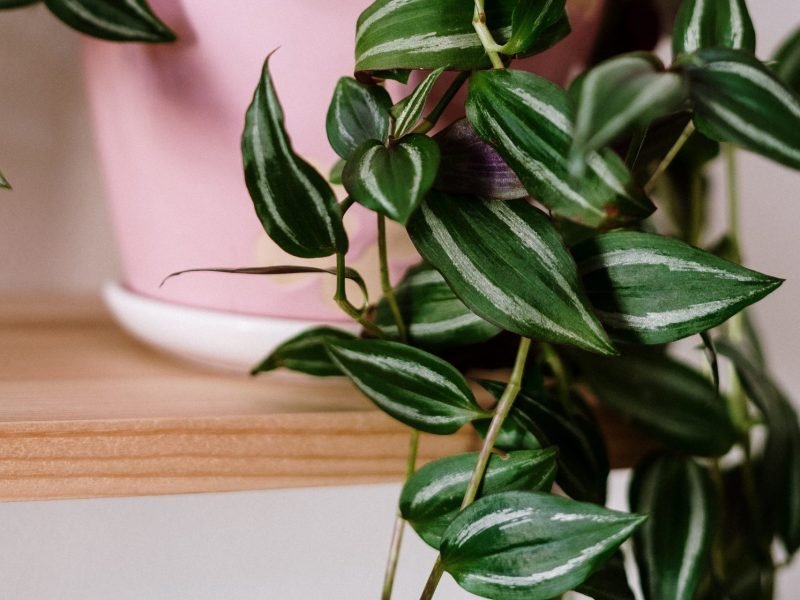
A Wandering Jew plant in a pink pot that is hanging over a shelf

One of the fastest-growing houseplants out there, the Wandering Jew Plant will provide you with plenty of new growth all year round. However, if your plant has started to lose leaves, then this might be a sign that something is wrong.

Losing leaves is a part of the Wandering Jew Plant’s natural cycle so this can happen quite regularly. However, you shouldn’t always assume that this is what is going on with your plant as there are a few other, more harmful, causes that have the same effect.

Below we will guide you through each of the reasons, so you can figure out if the leaf drop on your Wandering Jew Plant is down to natural shedding, or if something else is to blame.

Causes of Wandering Jew Plants losing their leaves

A lack of sunlight is a common cause

Wandering Jew Plants thrive in bright, indirect light and can struggle to adapt well to anything less. Insufficient light levels will start to cause your Wandering Jew Plant to shed some of the older leaves to keep their energy reserves for the new healthy growth. It’s simply a process of prioritisation and is actually a very common trait of the Wandering Jew Plant.

Alongside losing leaves, Wandering Jew Plants can begin to become quite leggy if they aren’t getting the needed amount of light. So if the new vines on your plant are showing this sign, then the light level is a probable cause.

Luckily, this should be quite an easy fix compared to some other causes and problems as you just need to find a more suitable spot for your Wandering Jew Plant to prevent it from losing more leaves.

Ideally, you want somewhere with ample light but no direct light as this can scorch the leaves and get rid of their beautiful pattern. You might also need to think about moving your plant around depending on the seasons and how the light levels change in your home throughout the year.


Low temperatures

Another environmental factor that can lead to your Wandering Jew Plant losing a few of its leaves is inconsistent temperatures, particularly cold temperatures. If your plant is exposed to low temperatures, anything below around 18°C, it can often cause them to go into shock and some leaves will drop from the plant as a result.

Not only is the cold air harmful to your plant, but it can also mean the potting mix takes longer to dry out and the roots begin to rot. So you want to be sure that your Wandering Jew Plant is getting enough warmth.

Cold drafts can be caused by a range of things but doors or windows with small cracks are your Wandering Jew Plant’s worst enemy and can cause many issues beyond only losing leaves. If they are too close to drafty windows/ doors then the cold air from outside during winter can be pretty damaging to your Wandering Jew Plant and could be what’s causing them to lose leaves.


But it’s not just during the colder months that you have to be careful about cold drafts; Wandering Jew Plants will struggle if too close to any AC vents so move them at least 1m away to prevent them from losing leaves as a result.


It may simply be a natural process

As your Wandering Jew Plant matures, it may occasionally lose some leaves as a natural sign of ageing. This is actually particularly common for Wandering Jew Plants during autumn, when they preserve their energy for the winter.

If the rate of leaf drop is relatively slow, and not paired with any other problems, then this shouldn’t be anything to worry about. Monitor how many leaves your plant is losing compared to the number of new leaves it’s producing and this can often help to indicate if it’s natural ageing or something more serious.

Another sign that your ??Wandering Jew Plant is losing leaves due to natural ageing is if the leaves are falling from the tops of the vines, closest to the soil. If newer leaves (those closest to the ground) are falling off, then this usually means there are light or temperature issues, rather than the natural life cycle.

However, if you feel your Wandering Jew Plant is losing too many leaves, double-check the environment around your plant as it could be a sign of one of the issues detailed above. There is no harm in giving everything a once over to check for any other possible causes as it’s always better to be on the safe side.

How to fix a Wandering Jew Plant that is losing leaves

Now that you’ve hopefully been able to diagnose what is causing your Wandering Jew Plant to start losing leaves, the next step is to fix the issue. It’s crucial that you make changes straight away so that you prevent any more damage from being done to your plant.

However, it can also be beneficial to make smaller, more gradual changes and monitor their impact on your plant. This way you aren’t making large changes that can cause shock or further issues if the diagnosis wasn’t correct.


Fix the light level immediately

If your Wandering Jew Plant is losing leaves as a result of low light levels then you have two options. If you are able to move your plant to a sunnier spot in your home, then great! However, if it’s winter and your plant is already getting the maximum amount of light then you may need to supplement the light using an LED grow light.

These are pretty affordable and often compact and easy to store but go a long way to getting your plants through the winter, preventing leggy growth and a loss of leaves.

Alongside aiding your mature plants, grow lights are also great for seedlings and propagating cuttings so are a worthwhile investment for any plant parent. They can create a controlled ideal environment for strong root growth and can really help increase the success levels of Wandering Jew Plant propagation and other houseplants too.


Move your plant away from cold drafts

It’s important that you are monitoring the environment around your Wandering Jew Plant to check for any extreme temperatures. Both cold drafts and hotspots can be damaging to your plant in different ways but if your Wandering Jew Plant is losing leaves, then cold temperatures can be the cause.

Use a digital thermometer to check the temperature around your plant and see if you need to find a more suitable spot. It can be tricky to spot cold drafts without a thermometer because even a small stream of cold air coming in right next to your plant can be pretty damaging, but you won’t necessarily feel it.

We use a thermometer that allows us to check the highest and lowest temperature of that spot over the past 24 hours. This means you can see if the temperature really drops at night or if it gets particularly hot during the day and saves you from checking all the time!

New growth on a wandering jew plant

How to prevent your Wandering Jew Plant from losing leaves

Now that you’ve changed a few things around to fix the issue in your plant’s environment, you should start to see your plant stop losing leaves. However, the best thing for treating leaf drop is actually preventing it from happening so below we will give you a few tips to implement into your Wandering Jew Plant care routine to prevent this issue from reoccurring.


Monitor the environment

It’s crucial that you are consistently monitoring several factors in your plant’s environment. To prevent your Wandering Jew Plant from losing leaves it’s important to monitor light level and temperature. However, a lot of digital thermometers will also track humidity levels and this can be a great way to also prevent brown leaves and drooping vines.

Having a consistent overview of your plant’s environment will not only help you spot any issues earlier, but it will help you a lot with your watering routine and placement of your plant.

All these factors are impossible to monitor without equipment so it’s worth picking up a humidity/temperature combo monitor to help you along the way. They are super affordable and pay themselves back by saving your plants!


Adjust positioning throughout the year

When it comes to your plant’s environment, one spot is likely not going to work for it all year round. Things like light level and temperature will fluctuate heavily throughout the seasons and a spot that might receive a good light level in summer might be too dark for your Wandering Jew Plant in winter.

It’s a good idea to take stock of all of your houseplants and figure out which can tolerate certain light levels and which can adapt to lower light for example. This will help you figure out if there are ways you can switch around your plants to make it work for all of them. Our Plant Index with over 100 care guides can help you with this.

Those are the most common reasons why a Wandering Jew Plant may have begun losing its leaves. We always take the stance of assuming that it is not natural ageing until proven otherwise. This ensures that you rule out the other two problems and don’t miss something that can potentially lead to your plant dying.

Getting into the habit of measuring the environmental factors such as lighting, humidity, moisture and temperature will go a long way to avoiding problems such as leaf drop, but also other common issues, occurring.

To learn more about how to keep your plant happy, check out our Wandering Jew Plant care guide.

Fiddle and Thorn is a participant in the Amazon Services LLC Associates Program, an affiliate advertising program designed to provide a means for sites to earn advertising fees by advertising and linking to Amazon.com

Take our houseplant survey!

Quickly respond to our 30 second houseplant survey and get 75% off our Complete Houseplant Care eBook!

Take the Survey

No thanks…

Why is my Tree Philodendron turning brown?

Last Updated: February 4, 2022

Sought after due to their large dramatic leaves, it can be pretty devastating if your Tree Philodendron starts to develop brown leaves. It can be quite a common problem for these Philodendron plants as there are a couple of common factors that lead to this problem. But don’t worry, if you have caught the problem before it has taken over your entire Tree Philodendron, then it should be totally fixable if properly diagnosed.

Below we will be going through each of the causes of brown leaves on a Tree Philodendron, so you can figure out what is causing the brown foliage and put a stop to it before it’s too late.

Lack of water can turn the leaves brown on Tree Philodendrons

If your Tree Philodendron has developed dry brown leaves then it may be a consequence of consistent underwatering. The easiest way to check this is by inspecting the potting mix to see if it feels very dry and taking a look at the roots. If the roots are crispy and shrivelled then this suggests underwatering is causing the leaves on your Tree Philodendron to turn brown.

Your first instinct to fix an underwatered Tree Philodendron might be to drown it in as much water as it’ll take. However, this can actually cause further damage as your plant may get shocked by the sudden change in its environment. Instead, you want to gradually reintroduce moisture into the pot by watering a little once a day for a week.

To prevent the problem from happening again, we recommend Investing in a moisture meter as these will tell you when it’s time to water.

A lack of humidity could also be to blame

If the leaves on your Tree Philodendron are turning brown from the tips and edges inwards then it might be a lack of humidity that is behind it. Tree Philodendrons tend to be fine in average humidity levels but don’t like super dry air so be aware of this.

Luckily there are several really easy ways you can increase the humidity for your Tree Philodendron:

  1. Mist the leaves regularly

    This is one of the easiest ways to increase the humidity for your Tree Philodendron and avoid further brown leaf tips. Mist the leaves several times per week with a spray bottle. (We love these amber glass ones from Amazon). Tree Philodendrons have quite large leaves so misting will also help remove some of this dust, win-win!.

  2. Give your plant a shower

    This is a short term solution but it can be a good idea to shower your plant to boost the humidity and avoid brown leaf tips. Tree Philodendrons are quite sturdy so you don’t have to worry so much about damaging the stems or leaves whilst washing them down. Just make sure to keep the water temperate as you don’t want to shock or burn your plant.

  3. Buy a humidifier

    If you want to take all the worries away from keeping a steady humidity level, then buying a humidifier is the best option. We always recommend this humidifier from Amazon as a great place to start for your houseplants.

Cold temperatures can also cause brown leaves

Make sure that you draft proof any windows/ doors that are close to your Tree Philodendron as they will struggle if exposed to cold air during winter. This can also happen during summer though as AC vents are every houseplant’s worst enemy. To avoid further browning of the leaves, make sure that your Tree Philodendron is at least 1meter away from AC vents or radiators to avoid temperature extremes.

Using a digital thermometer is an easy way to monitor the temperature in your home and allow you to check for any cold drafts or hotspots that might damage the leaves.

So those are the most common reasons why Tree Philodendron plants develop brown leaves. Each of the issues is easily treatable so there is no reason why without a little bit of TLC you can’t get your Tree Philodendron back to better shape. After changing any element in your plant’s care or environment, make sure that you keep a very close eye on it to make sure not only that no more brown patches appear, but that your plant isn’t showing any other signs of unhappiness.

To find out more about how to care for your plant, as well as diagnose and treat other common problems, check out our Tree Philodendron care guide.

Fiddle and Thorn is a participant in the Amazon Services LLC Associates Program, an affiliate advertising program designed to provide a means for sites to earn advertising fees by advertising and linking to Amazon.com

Take our houseplant survey!

Quickly respond to our 30 second houseplant survey and get 75% off our Complete Houseplant Care eBook!

Take the Survey

No thanks…

Why is my String of Pearls turning yellow?

Last Updated: April 1, 2022

Loved for their unique plump round leaves, the String of Pearls is one of those houseplants that is fine until it’s not. If the environment and care routine are right for the plant, then it’ll grow new beads and vines quicker than you can count them. However, if something isn’t quite right you might start to notice your String of Pearls turning yellow. If this does start happening, you’ll want to figure out what the cause is pretty quickly as yellow leaves are only a few steps away from your String of Pearls dying altogether.

Below we will be outlining all of the different causes of yellow leaves on String of Pearls plants, with everything you need to know about treating the issue and stopping it from progressing any further.

Too much water can quickly cause yellow leaves

9 times out of 10 your String of Pearls will be turning yellow due to overwatering. This problem is also often accompanied by your plant losing leaves so watch out for that too. String of Pearls plants hate sitting in soggy soil and it can quite quickly cause a number of issues for your String of Pearls. The most serious issue it causes is root rot which can happen very quickly as the roots on String of Pearls are very delicate and short. This means even the slightest issue in the soil can cause your String of Pearls to show signs of unhappiness such as yellow leaves.

Rotting and mushy roots will mean that your String of Pearls is unable to take up nutrients which is why the little plump pearls will start to turn yellow.

There are a few simple ways to find out if your String of Pearls’ soil is waterlogged:

Remove your String of Pearls from its pot

If there are a significant amount of yellow leaves on your String of Pearls then we recommend taking your plant out of its pot straight away. If the soil feels very moist and clumpy then there’s a good chance that the yellow leaves are caused by overwatering.

Finger/Chopstick Method

If the soil is bone dry then when you put your finger in the soil it will just be like dust which will fall off your finger. If you don’t want to get your hands dirty then you can also use a chopstick where the same rule applies. If the chopstick comes out clean then it’s time for water.

Picking up your String of Pearls

Another way you can check the moisture levels in the soil is by regularly picking up your String of Pearls. This is a great method to get to know your plants and soon you’ll have a really clear gauge as to when they need watering. The lighter the plant is, the less water there is in the soil – it’s that easy! Luckily, String of Pearls are very light houseplants as they don’t have thick stems and their root system is pretty light as they are cascading plants so picking them up shouldn’t be too difficult. It does mean, however, that it’s best to stay away from this method with large plants as it can cause back injuries.

Use a moisture meter

If you’re still struggling to find the right balance of water for your String of Pearls then you’ll want to use a moisture meter. You simply pop it in the soil and it will give you a reading of the moisture in the soil. They are super affordable little gadgets which are a great investment for every budding plant parent! We recommend this one which is available at Amazon.

How do I fix a waterlogged String of Pearls?

If the yellow leaves on your String of Pearls are caused by waterlogged soil then it’s super important that you act quickly to prevent your plant from dying. As these plants have quite delicate roots, even a little bit of root rot can cause large issues. Instead of letting the soil dry out naturally, you want to replace it straight away once you notice it is waterlogged. This will prevent any further yellow leaves from developing on your plant and the roots can start to recover and healthy growth should resume soon. Make sure to use a high-quality well-draining potting mix like this one which you can pick up on Amazon.

After replacing the potting mix, prune away all of the yellow leaves/ vines. Once they have turned yellow the damage is done and they won’t go back to the luscious green colour they once were, unfortunately. Pruning off the leaves and stems where the plant is damaged will help your plant recover quicker as it won’t be wasting any energy on trying to keep these dying leaves alive. Instead, it can focus on new healthy growth.

In future, to prevent any more yellow leaves, try to regulate your watering and always check that the top of the soil is dry before giving your String of Pearls any more water. You also need to adjust your watering routine according to the seasons. During the growth period of spring and summer, your String of Pearls will require water about once a week. However, in winter months about once every month or two is enough as the days are a lot shorter and colder so your plant will be dormant.

Intense Sunlight

The correct light level is a really important element to monitor when taking care of your String of Pearls. If your plant is receiving too much bright direct sunlight each day you may start to notice yellow patches forming on the side of the plant that is facing the sun.

If your String of Pearls is receiving too much light then make sure to move it to a slightly shadier spot in your home immediately. You may be able to move it closer to the window in winter when the sun isn’t as strong so keep an eye on lighting changes throughout the year. If you prefer you can carefully trim away the burnt patches on the leaves so your String of Pearls looks healthier and can focus on producing new healthy growth.

Pests also cause yellow leaves

Another slightly rarer but worrying cause of yellow String of Pearls leaves is a pest infestation. Pests such as aphids, spider mites or scale insects may have made your plant their home. The pests will exhaust the leaves and causes them to go yellow and eventually fall off your plant. We recommend using a magnifying glass to spot the pests on your plant.

Treatment of pests can vary but the first thing you must do is isolate your plant and keep it far away from any of your other houseplants. Check other plants over which were close to your String of Pearls as pests can move around plants if they are close. Then trim off the worst affected leaves to curb the infestation a little before showering your plant and treating it with neem oil.

If you have caught the problem early then there is a good chance your String of Pearls will return to its usual health. However, if the pests have taken over the majority of the plant then this is more unlikely. There have been times where we have had to get rid of a plant because the infestation was widespread and the risk of spreading it to other houseplants was too big.

Those are the three most common reasons why String of Pearls plants develop yellow leaves. We recommend going through each of the reasons whilst inspecting your plant to see which of the causes fits what’s going on with your String of Pearls. Once the issue is diagnosed, it’s important to treat it straight away to prevent more yellow leaves from developing on your plant as the longer you leave it, the harder it will become to treat the issue and get your plant healthy again.

To learn more about how to care for your plant, as well as how to spot and treat other common problems that you might face, check out our detailed String of Pearls care guide.

Fiddle and Thorn is a participant in the Amazon Services LLC Associates Program, an affiliate advertising program designed to provide a means for sites to earn advertising fees by advertising and linking to Amazon.com

Take our houseplant survey!

Quickly respond to our 30 second houseplant survey and get 75% off our Complete Houseplant Care eBook!

Take the Survey

No thanks…

Why does my String of Pearls have brown leaves?

Last Updated: May 16, 2022

It can be quite worrying when we start to see brown leaves appear on our houseplants as they are usually a signal that our plant is unhappy and is struggling in its current environment. Some issues are difficult to diagnose, caused by a variety of factors that are hard to prove. However, if your String of Pearls has developed brown leaves, it’s actually quite an easy one to diagnose, as there are only two causes. It is important that you act quickly once spotting brown leaves on your String of Pearls as it is the first step to your plant dying on you entirely.

Below we will go through each of the two causes of brown String of Pearls leaves so you can figure out what is happening to your plant, as well as how to fix and prevent the issue.

Consistent underwatering is the most common cause of brown leaves

If your String of Pearls has developed dry, crispy brown leaves then most of the time this is caused by consistent underwatering. String of Pearls plants don’t like moist soil and will forgive you if you forget to water every once in a while, however they don’t do well without a single drop of moisture for weeks on end. This can cause the leaves and the root system to dry and crisp up. It is important to inspect the health of the root system at this stage as well to see if there is any damage as if there is, then it means the issue has been going on for a while. Trim away any of the dead roots so your String of Pearls can begin the recovery process.

Your first instinct for an underwatered String of Pearls might be to give it lots of water to make up for the lack of it. But this will actually just cause further issues, beyond the brown leaves, as your plant may go into a state of shock if its environment changes from one second to the next. Instead, gradually reintroduce watering in small amounts over the first week before returning to a more normal watering routine.

If you’re worried that you’re not being too consistent with your watering and this is how the brown leaves occurred in the first place, then it could be worth investing in a moisture meter. These handy little things are pretty cheap and remove all of the guesswork, this is our favourite one from Amazon and it really helps us to know when our String of Pearls needs water and goes a long way to preventing brown leaves.

Pests can also cause brown leaves

A slightly less common reason why your String of Pearls may be turning brown is a pest infestation. It can happen that pests such as mealybugs, spider mites and scale insects take hold of your String of Pearls. Although this doesn’t happen very often in plants that don’t spend any time outdoors, it is a little bit more of a worrying cause.

If you find pests on your plant (or other signs of pests such as holes in the leaves, white powder or webbing) we recommend giving the whole plant a shower. Keep the shower pressure quite low so as not to damage the leaves on your String of Pearls any further. You should also treat your String of Pearls with an organic insecticide to fight the infestation and prevent any more brown leaves

Make sure to check over your other plants in the room to see if any other plants have pests. Keep your String of Pearls (and other infected plants) a good distance away from any of your other houseplants as you don’t want the pests to spread. Pests can jump across the leaves quite easily so it’s important to isolate any affected plants.

Those are the most common reasons why String of Pearls plants develop brown leaves. Underwatering is quite an easy one to fix and there’s no reason that with a bit of water, and a proper watering routine you can prevent any more brown leaves in future. Pests is a trickier one to solve, as if the infestation has gotten quite far, then it might be too late and the risk of transferring the pests to other plants might be higher than the benefits of keeping this one.

To find out more about how to best care for your String of Pearls plant, as well as how to spot and fix other issues, check out our String of Pearls care guide.

Fiddle and Thorn is a participant in the Amazon Services LLC Associates Program, an affiliate advertising program designed to provide a means for sites to earn advertising fees by advertising and linking to Amazon.com

Take our houseplant survey!

Quickly respond to our 30 second houseplant survey and get 75% off our Complete Houseplant Care eBook!

Take the Survey

No thanks…

Why is my String of Pearls shrivelled and mushy?

Last Updated: April 1, 2022

We love the String of Pearls as they make every room look as though it’s straight out of an interior design magazine. But they aren’t always the easiest plant to take care of as they have quite particular needs. Below we go through all the main reasons why your String of Pearls has shrivelled up and become mushy.

Overwatering

The String of Pearls is a succulent meaning it doesn’t need much water. But unlike other succulents, their stems are very thin meaning they can’t hold that much water. So when you water your String of Pearls all of that moisture makes its way to the leaves. If you accidentally overwater your plant then the leaves fill up until they burst. This leaves them shrivelled and mushy in appearance.

If you think you may have overwatered your String of Pearls check the moisture levels in the soil before you make any changes to the way in which you water your plant. You want to be 100% sure that this is the problem. If the soil is very clumpy and moist then replace it straight away. Try to remove as much of the waterlogged soil from the roots as possible to prevent any further damage.

Trim away any rotten roots or dead leaves as this will help your String of Pearls recover quicker. Make sure that going forward you hold off watering a little. String of Pearls plants have very shallow roots so it takes a while for the soil to dry out. One good way to avoid overwatering is to pour away any excess water that is in the saucer or at the bottom of the pot 30 minutes after watering. This is enough time for the plant to soak up what’s needed and stops the plant sitting in a pool of water for days.

Underwatering

The strange thing about String of Pearls plants is that too little water causes some of the same problems as too much. If your String of Pearls is left without water for too long the pearls will start to shrivel up as they lack moisture.

Again you want to check the soil to see how moist it is before slowly reintroducing water to your plant. It’s super important that in future you monitor the moisture in the soil before and after you water your String of Pearls to avoid the problem happening again.

Direct sunlight

Although String of Pearls plants love sunshine, they don’t do so well with direct light. Too much intense sunlight will cause the pearls to become burnt and shrivelled. You want to find a good spot with ample indirect sunlight and your String of Pearls will thrive!

Those are the most common reasons why String of Pearls plants become shrivelled and mushy. If you have caught the problem early and it hasn’t spread to the whole plant then you should have a good chance of reviving it and getting your String of Pearls back to full health. If you want to learn more about plant care check out our String of Pearls care guide or download our How to Care for your Houseplants ebook.

Complete Houseplant Care eBook

Our comprehensive (and rather good looking) eBook that will teach you everything you need to know to successfully care for, and maintain your houseplants!

Buy on

Fiddle and Thorn is a participant in the Amazon Services LLC Associates Program, an affiliate advertising program designed to provide a means for sites to earn advertising fees by advertising and linking to Amazon.com

Take our houseplant survey!

Quickly respond to our 30 second houseplant survey and get 75% off our Complete Houseplant Care eBook!

Take the Survey

No thanks…

Why is my String of Pearls dying? Causes and Solutions

Last Updated: April 1, 2022

The String of Pearls is one of those houseplants which can be easy to look after if everything is exactly right. They are sensitive plants and can begin to die quite quickly if something isn’t right. Below we have outlined all the different reasons why your String of Pearls is dying as well as how to fix the issue and hopefully revive your plant.

Overwatering might be why your String of Pearls is dying

String of Pearls plants have very shallow roots which makes overwatering a real concern and might be why your plant is dying. Plant parents often keep them in a big pot but they really don’t need much space. If your plant is in a pot that is too big, it will take a very long time for the soil to dry out between waterings. This will often lead to waterlogged soil which means the roots will start to rot and your plant will begin to die.

You want to make sure that you are using cactus and succulent potting mix as it contains the right ingredients and minerals for your plant. It will be well-draining and aid aeration of the soil which is super important for a String of Pearls plant.
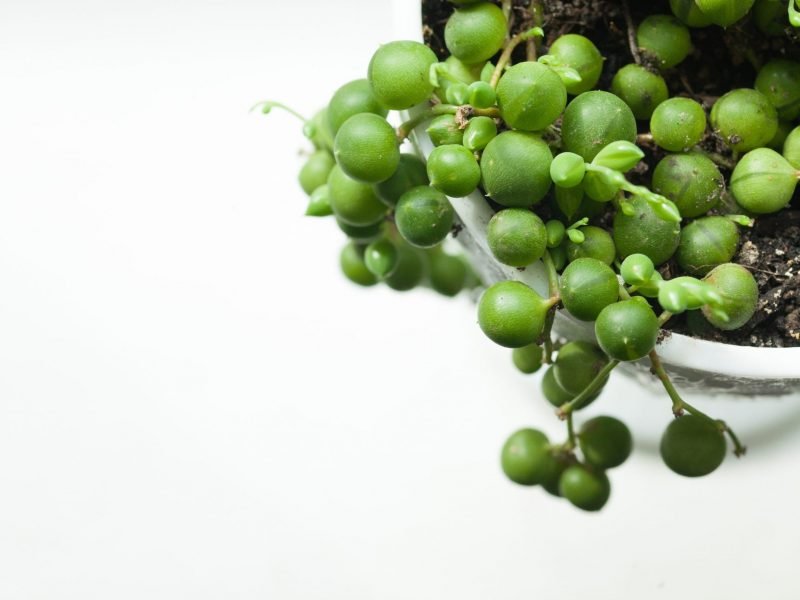
If you think you may have overwatered your plant then you must inspect the soil first before making any changes to your routine. You want to make sure that this is definitely the problem as the same symptoms can occur for various things. Carefully take your plant out of the pot and inspect the roots and soil. If the potting mix is soggy and clumpy then it is most likely overwatering that is causing your String of Pearls to die.

To solve the issue and revive your dying plant, remove and replace all of the potting mix. You might want to downsize the pot as less soil means it’ll dry out quicker in future. Carefully remove as much of the old potting mix from the root system so that it can start to recover. If the roots are badly damaged then trim away the worst affected areas. This will encourage your plant to grow new roots and not waste precious energy trying to keep the rotting ones alive.

A dying String of Pearls can indicate underwatering

If your String of Pearls is very dry then it may be underwatering that is causing it to die. Again you want to be 100% sure this is causing your plant to die before you increase how much you water your String of Pearls. Take the plant out of the pot and see if the potting mix is bone dry. It will start to feel very powdery if there is no moisture.

To start to revive your dying plant you need to be very careful about introducing water again. Plants can get quite shocked if their environment suddenly changes (yes they are quite like humans in that way!) so you need to give it little bits of water once or twice a day to get some moisture into the soil.

The worst thing you could do in this situation is go the other way and start overwatering your String of Pearls because that will also cause it to die on you.

Direct sunlight could be why your String of Pearls is dying

Although you might think that because the String of Pearls is a succulent, it needs bright light – this isn’t actually totally true. Yes, they like areas of the home with plenty of natural sunlight, but direct light can actually scorch the pearls on your plant. This is especially common in summer when the sun is a lot stronger and is out for most of the day.

Move your plant to a spot in your home that doesn’t get any direct sunlight and your plant should start to recover. Unfortunately, once the pearls are scorched by the sun there is no going back. We recommend trimming them off and propagating them if you can get a healthy stem and node.

Your plant might be dying due to cold temperatures

Another thing that these plants hate is cold air. If the pearls on your plant are starting to fall off then it might be because the room is too cold or they are in a drafty spot. Avoid placing them near any windows or doors that have cracks or are regularly open in winter as the cold air will shock your plant and it will start to lose pearls.

The best thing to do to revive your dying String of Pearls is move your plant to a warmer area of your home and monitor how the temperature changes throughout the day and throughout the various seasons using a digital thermometer. You are looking to reach their ideal range of 72 degrees Fahrenheit (22 Celsius) during the day (of course it will drop a little at night).

Check for a pest infestation

If you notice the pearls on your plant starting to turn yellow or there is some kind of residue on your plant then pests might be the problem. These plants are susceptible to an aphid or spider mite infestation. Use a magnifying glass to try and spot any pests on the pearls. Look closely where the pearls and stems meet as that’s where they like to hang out.

Over time pests can suck on the leaves of your plant, suffocating them which slowly kills your String of Pearls. If you spot a pest infestation the first thing you need to do is isolate your plant from any others in the room. Make sure it is at least 1 metre away from any other plants as pests can spread if the leaves are close. Then you want to wash down your plant and treat with an insecticidal spray.

If you have caught the issue relatively early then you should be able to curb the infestation and revive your plant. However, pests can very quickly cause your plant to die so act quickly!

Those are the most common reasons why your String of Pearls plant is dying. If you want to learn more about looking after your plant then check out our String of Pearls care guide.

Fiddle and Thorn is a participant in the Amazon Services LLC Associates Program, an affiliate advertising program designed to provide a means for sites to earn advertising fees by advertising and linking to Amazon.com

Take our houseplant survey!

Quickly respond to our 30 second houseplant survey and get 75% off our Complete Houseplant Care eBook!

Take the Survey

No thanks…