Calathea Orbifolia Care: Tips and Tricks for a Healthy Plant

Last Updated: October 16, 2023

Calathea Orbifolia

Calathea Orbifolia

Introduction to the Calathea Orbifolia

This South American native draws the eye with its large, round leaves, each one patterned with silvery stripes that shimmer in the light.

Aside from its aesthetic, the best thing about the Calathea Orbifolia is that it’s surprisingly easy to maintain; perfect for both beginner plant enthusiasts and seasoned green thumbs. The benefits don’t stop there, as it also has the ability to purify the air, making it a healthy addition to your indoor space.

In this care guide, we will go through the specifics of caring for a Calathea Orbifolia from understanding its light and watering needs to troubleshooting common issues!

The Beauty of Calathea Orbifolia

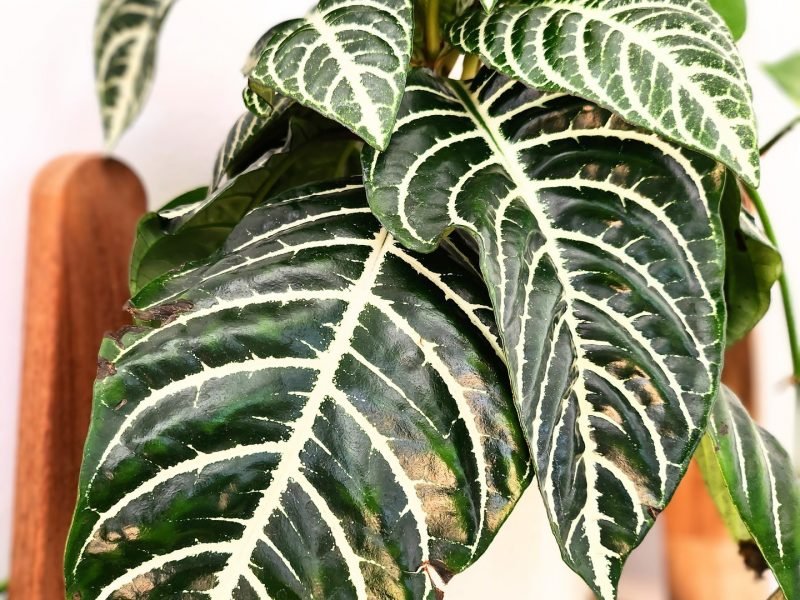
This plant stands out from the rest with its large circular leaves. These are marked with symmetrical stripes which is very unique to the Calathea Orbifolia.

Why Choose Calathea Orbifolia?

The Calathea Orbifolia is known for its air-purifying capabilities which makes it a great addition to homes and offices.

Another benefit is that Calathea Orbifolia plants are non-toxic, making them safe for households with pets or small children.

Understanding your Calathea Orbifolia

Key Features

  • Family: Marantaceae
  • Origin: South America
  • Size: Can grow up to 2.5 feet in height and width
  • Leaf Size: Up to 30cm in diameter

Recognising its distinctive features is paramount to understanding how to care for your Calathea Orbifolia. With a love for warm, humid conditions, this plant is an embodiment of the tropical environment from where is it native to.

Choosing the right location for your Calathea Orbifolia

Choosing the right spot for your Calathea Orbifolia is the first step to ensuring its lush, vibrant growth. This tropical plant is a photophilous species, meaning it thrives in bright, indirect light. However, bear in mind that direct sunlight can scorch its stunning leaves.

Indoor Placement

(Note these placements are for the Nothern Hemisphere)

  • North or East-facing windows are ideal. They provide the gentle morning sunlight that Calathea Orbifolias love. If you only have South or West-facing windows, consider using a sheer curtain to diffuse the sunlight or placing your plant a little further away from the window.
  • Humidity is vital – These plants are native to the tropical rainforests of Bolivia, and do best in a humid environment. A bathroom or kitchen can often provide the moisture they crave but a humidifier can also help you out.

Outdoor Placement

  • Shade is key – When planting outdoors, choose a location with plenty of shade. Direct sunlight can burn the leaves, while shade mimics the plant’s natural rainforest habitat.
  • Protect from wind – Wind can easily damage the broad, delicate leaves of the Calathea Orbifolia. Ensure your chosen location is well-protected from strong winds.

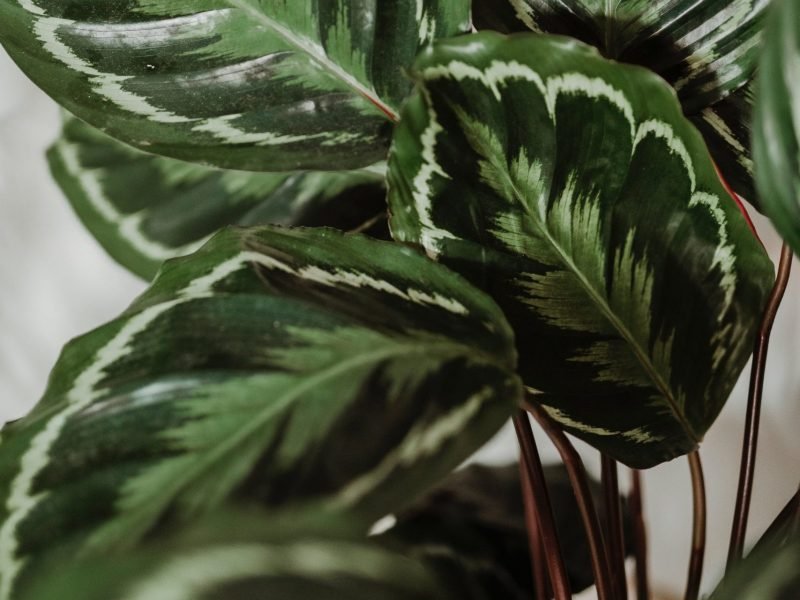
Calathea Orbifolia Leaves
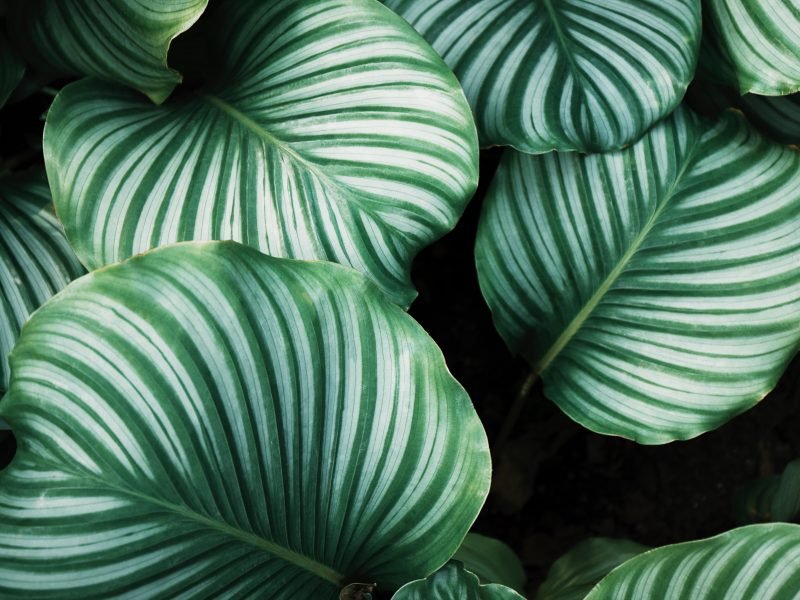
Calathea Orbifolia Leaves

Watering your Calathea Orbifolia

Tip #1: Water Quantity

Unlike some houseplants, the Calathea Orbifolia is not a fan of being waterlogged. It’s essential to provide just enough water to keep the soil moist, but not soaked. A good rule of thumb is to water the plant until you see water begin to drain from the bottom, then allow the soil to dry out before the next watering.

On average you want to be watering around once a week in spring and summer and every 10-14 days in winter. These are just an average and there are so many actors that can determine if your plant needs watering more or less frequently than this so be sure to check the moisture regularly and adjust your watering pattern accordingly.

Tip #2: Water Quality

This plant species has a particular fondness for filtered or rainwater. Tap water often contains chlorine and other chemicals that can harm the delicate foliage, turning the leaves brown at the edges. The level is usually fine but if you live in a hard water area, consider avoiding tap water.

Tip #3: Water Temperature

Avoid shocking your plant with cold water. Room temperature water is ideal, as it mirrors the tropical environment the Calathea Orbifolia is accustomed to. Really warm or hot water can also burn the root system so you want to avoid that as well.

Temperature requirements for your Calathea Orbifolia

Creating the ideal habitat for your Calathea Orbifolia starts with temperature control. This tropical plant thrives best in moderate temperatures, typically between 64 to 75°F (18- 24°C).

Winter Care:

  • During the colder months, it’s essential to maintain a minimum indoor temperature of 59°F (15°C). Anything lower may cause stress to the plant, leading to leaf curling or yellowing.
  • Be attentive to its placement. Avoid placing it near draughty windows or doors, as sharp cold gusts can be harmful.
  • It’s not just cold air that you need to be careful of in winter as radiators, cookers and heating vents can cause your plant to dry out.

Summer Care:

  • In the warmer months, try to keep the indoor temperature below 27°C. High temperatures can cause the leaves to lose their lush green colour and crisp texture.
  • Be mindful of air conditioning units. These can drastically alter the room’s temperature and humidity, both of which are crucial for the plant’s well-being. The cool air might be a nice break for you but it can cause havoc with your plant’s health if it’s in the direct stream of cold air.

Humidity requirements for your Calathea Orbifolia

The ideal humidity range for a Calathea Orbifolia is between 50% and 70%. Anything less could lead to dry, crispy leaves, while a higher rate might encourage mould growth on the leaves and in the soil.

Increasing the humidity isn’t tricky and there are plenty of cheap (and free) ways to do it:

    • Use a humidifier: This device can help maintain the required humidity level, especially during the drier months or in air-conditioned rooms.
    • Group your plants: Keeping your Calathea Orbifolia in close proximity to other houseplants can naturally increase humidity – a clever trick, right?
    • Misting: Misting your plant with water can also help, but be careful not to overdo it, as this could lead to leaf rot.
    • Place on a pebble tray: A tray filled with pebbles and water, with the pot sitting on top (not submerged in the water), can create a mini microclimate of increased humidity.
  • Move to the bathroom or kitchen: These rooms naturally have a higher humidity rate so are a great place for your Orbifolia.

Choosing the Perfect Soil for a Calathea Orbifolia

The Calathea Orbifolia thrives best in a well-draining soil that holds enough moisture without becoming waterlogged. The ideal soil should be rich in organic matter, with a slightly acidic pH.

  • Coir-Based Mix: If you’re looking for an eco-friendlier alternative tp peat, opt for a coir-based mixture. Made from coconut husks, this soil is sustainable and also provides good water retention.
  • Perlite or Pumice: Adding perlite or pumice to your mix can enhance drainage and prevent waterlogging. This is crucial for preventing root rot, a common issue with Calathea Orbifolia.

Checking Soil pH

If you want to ensure your soil has the right pH for your Calathea Orbifolia, you can conduct a soil test. These are readily available online or at garden centres. Your Calathea prefers a slightly acidic soil, so aim for a pH between 6.0 and 6.5.

Fertilizing your Calathea Orbifolia

This tropical plant thrives on a balanced, water-soluble fertiliser, applied approximately once a month during the growing season.

Choosing Your Fertiliser

Search for a fertiliser that is high in nitrogen. Nitrogen contributes significantly to leaf growth and can help keep your Calathea Orbifolia’s leaves vibrant and healthy.

When to Fertilize

Fertilise your Calathea Orbifolia during the growing season only, typically from early spring to late summer. During the winter months, the plant enters a dormancy phase and requires less nutrients, so you can reduce feeding completely during this time.

How to Fertilize

  1. Firstly, dilute the liquid fertiliser to half the recommended strength. This prevents nutrient burn on the plant’s delicate roots (it’s better to be safe than sorry).
  2. Next, water your plant thoroughly before applying the fertiliser. This ensures that the fertiliser is evenly distributed and prevents it from sitting in one spot, which can lead to root burn.
  3. Finally, apply the diluted fertiliser to the soil, avoiding the leaves and stem. After fertilising, do not water your plant for a couple of days to allow it to absorb the nutrients.

Pruning a Calathea Orbifolia: When, How and Why

Why Pruning is Essential

Regular pruning keeps your Calathea Orbifolia looking its best, keeping it in tune with its natural, spherical shape. It also helps the plant focus its energy on new growth, rather than maintaining old, potentially unhealthy foliage, thus promoting overall plant health.

Pruning dead or dying leaves is also important to prevent issues such as various diseases and pests (more on that further down).

When to Prune

Pruning should ideally be done during the plant’s active growth phase, typically in the warm months of spring and early summer. However, if you notice brown or yellowed leaves, these should be pruned at any time of year to prevent potential disease spread.

How to Prune

Pruning a Calathea Orbifolia is a really simple process but it can seem daunting at first if you aren’t sure what to do or how to do it.

All you’ll need is a clean, sharp pair of pruning shears or scissors. Then start by identifying and removing any unhealthy leaves at the base, being careful not to damage the healthy ones. Be sure to disinfect your tools after each cut to prevent any disease or pest transmission during the process.

Flowers on a Calathea Orbifolia

Although its main attraction lies in its large, round silver-green leaves, its flowers are a lovely but very unpredictable bonus!

Calathea Orbifolia flowers are not a common occurrence, particularly when grown indoors. They are small, delicate and often overlooked amongst the striking foliage. However, their rarity makes them all the more special when they do make an appearance.

Typically, these flowers appear in the warmer months when the plant is in its growth phase. Their understated, white and purple blooms create a stunning contrast to the vibrant green of the leaves.

Here are a few tips to encourage your Calathea Orbifolia to flower:

  • Provide ample indirect sunlight. Whilst these plants prefer low to medium light conditions, a touch of indirect sunlight can stimulate flowering.
  • Ensure the right temperature. Calathea Orbifolia prefer warmer conditions, ideally between 18°C and 27°C. Avoid temperatures below 15°C.
  • Consistent humidity is key. Try to maintain a humidity level of around 50-70% for optimal growth and potential flowering.

Remember, flowering is unpredictable and uncommon. It can happen in both very healthy thriving plants but also in struggling plants as an effort to reproduce before they die. So don’t be worried if your plant isn’t blooming.

Calathea Orbifolia Close Up
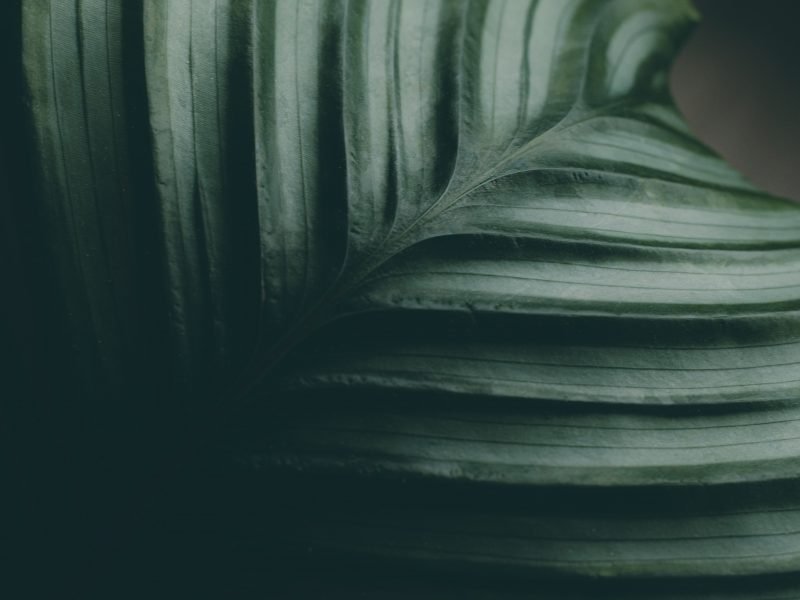
Calathea Orbifolia Close Up

Cleaning your Calathea Orbifolia

Keeping your Calathea Orbifolia clean is crucial to its long-term health and well-being. Dirt and dust can accumulate on the leaves, obstructing sunlight and photosynthesis. Yes, even a very thin layer of dust will block some sunlight and cause slightly slower or smaller new growth over time.

Cleaning procedure:

  1. Use a soft, damp cloth and avoid using any harsh chemicals or cleaning agents as they may harm the plant. If needed, use a drop or two of dish soap but that is all.
  2. Gently wipe each leaf, paying particular attention to the undersides where dust and pests often hide.
  3. Be very gentle so you don’t damage the leaves, as the Calathea Orbifolia does have breakable foliage.
  4. After wiping the leaves, clean the pot and surrounding area to ensure the plant’s environment is as healthy as the plant itself.

Calathea Orbifolia Toxicity

The Calathea Orbifolia is non-toxic. It’s not only safe for human touch but also harmless to your beloved pets. This indeed makes it a perfect choice for households with curious cats, dogs, or toddlers who might want to take a nibble!

However, it’s important to note that while the plant itself is non-toxic, it’s crucial to consider the types of fertilisers or plant food you use. Some can contain harmful chemicals so always opt for pet-friendly options when available.

Note: while Calathea Orbifolia plants are non-toxic, excessive consumption of any plant can still cause some mild stomach upset in pets.

Pests: Identifying and Treating Common Pests

Common Pests

  1. Spider Mites: These tiny arachnids are often invisible to the naked eye. If you notice fine webbing and yellow spots on your Orbifolia, suspect spider mites.
  2. Mealybugs: Characterised by their white, cottony appearance, mealybugs can cause yellowing and curling of the leaves as they suck and dehydrate the foliage.
  3. Scale: These pests appear as small, round, brownish patches on the plant. They can cause the leaves to yellow and drop prematurely.
  4. Thrips: These minute, slender insects cause silver-white streaks or spots on the leaves. They can also stunt growth.

Treating Pests

Once you’ve identified the culprits, it’s time to evict them from your precious Calathea Orbifolia.

  • Isolate the Plant: Always isolate an infected plant from others to prevent the spread of pests (they can jump across leaves hanging close to eachother).
  • Use Soapy Water: A mixture of mild soap and water can be used to wash off most pests. Use a soft cloth or sponge to gently clean the leaves.
  • Apply Insecticide: If the infestation is severe, consider using a suitable houseplant insecticide. Always follow the product instructions to ensure the safety of your plant.
  • Prune Infected Leaves: If only a few leaves are affected, prune them to prevent further infestation and cut down the size of the infestation to make it easier to treat.

Calathea Orbifolia FAQs


Common Problems with your Calathea Orbifolia

Here are some common issues that you might run into. It’s important to diagnose any issues early to give your plant the best chance of bouncing back.

Fiddle and Thorn is a participant in the Amazon Services LLC Associates Program, an affiliate advertising program designed to provide a means for sites to earn advertising fees by advertising and linking to Amazon.com

Take our houseplant survey!

Quickly respond to our 30 second houseplant survey and get 75% off our Complete Houseplant Care eBook!

Take the Survey

No thanks…

Growing a Calathea Medallion: A Comprehensive Care Guide

Last Updated: October 16, 2023

Calathea Medallion

Calathea Medallion

Introduction to the Calathea Medallion

Native to Brazil’s rainforests, the Calathea Medallion is a member of the Marantaceae family, often referred to as the prayer plant family. Much like its relatives, the Calathea Medallion has a fascinating feature – it is known to move its leaves from a horizontal position during the day to an upright one at night, a movement often likened to the act of praying (hence the name).

Care Difficulty Level

The Calathea Medallion is regarded as a moderately challenging houseplant to care for. Its care requirements are specific and it does not respond well to less-than-ideal conditions or neglect. However, equipped with a little knowledge and attention, even a beginner indoor gardener can successfully nurture this stunning plant.

The degree of care required primarily stems from the Calathea Medallion’s native conditions. Originating from the tropical regions of South America, it is accustomed to a warm, humid environment with filtered light. In the home, these conditions must be replicated as closely as possible for the plant to thrive but not close enough that you find yourself living in the uncomfortable climate of the tropics.

Symbolism and Cultural Significance

In certain cultures, the Calathea Medallion is believed to symbolize a new beginning. This concept is derived from its ‘prayer’ behavior, which represents the closing of one day and the start of another. For this reason, it is often given as a gift during moments of change or transition, such as housewarming or graduation events.

Calathea Medallion Characteristics

The Calathea Medallion is well-regarded for its remarkable foliage, which presents an exquisite blend of colors and patterns. Each leaf displays a stunning medallion-like pattern, which is where the plant derives its common name from.

Appearance

The top surfaces of its broad, round leaves showcase a dark green color with a beautifully intricate pattern in shades of green and silver and the undersides of the leaves present a rich, deep purple hue. This stark contrast adds a dramatic touch to the aesthetic appeal of the plant.

Size

When it comes to size, the Calathea Medallion grows to an average height of 2 feet in an indoor environment. However, if given the right conditions and care, these plants can occasionally reach up to 3 feet in height but it’s more common for them to be taller when grown in their native environments. As a houseplant, the leaf size usually varies between 6 to 12 inches in diameter, making it a relatively compact plant suitable for tabletops and shelves.

Growth Habit

The growth habit of the Calathea Medallion is generally upright, but its leaves tend to spread outwards, giving the plant a bushy appearance. This plant is a slow grower and it usually takes several years for it to reach its full size.

Life Cycle

In its natural habitat, it grows throughout the year. However, in an indoor setting, the growth slows down in winter and resumes in spring and summer.

Ideal Growing Conditions for Calathea Medallion

This tropical plant thrives under specific conditions, so understanding and replicating these in your home is essential. Let’s dive into what the ideal growing conditions are for a Calathea Medallion.

Light

Calathea Medallions prefer medium light, as direct sunlight can scorch their leaves. They thrive in places with filtered, indirect light, such as near a north or east-facing window. The ideal light intensity can be likened to the natural light found on a rainforest floor.

While they can somewhat adapt to lower light conditions, note that you may see less variegation and smaller leaves.

Temperature

As tropical plants, Calathea Medallions prefer warmer temperatures ranging from 65 to 85 degrees Fahrenheit. They don’t do well in the cold and should be kept away from drafts and windows during the winter months. In summer you need to watch out that your plant isn’t too close to an air conditioning unit as the cold air coming from those can cause real issues.

Humidity

The Calathea Medallion thrives in humid environments, mirroring its tropical origins. A relative humidity level of at least 50% is ideal. This can be achieved by using a humidifier, placing the plant on a tray with pebbles and water, or frequent misting.

Soil

The ideal soil for a Calathea Medallion should be well-draining and rich in organic matter. Adding some perlite, and compost to a traditional houseplant mix is typically recommended. The soil pH level should ideally be between 6.0 and 7.0.

Water

They prefer their soil to be consistently moist but not waterlogged. It’s also important to use lukewarm, filtered water, as cold or hard water can cause leaf curling and spotting if the plant becomes shocked or the roots become scorched.

On average you want to water your Calathea Medallion once a week during summer and once every other week in winter. However, this is simply a guide and you need to adjust your watering habits to suit your individual plant and its environment. There are so many factors such as temperature, age, pot type and sunlight that will impact how much and how frequently you need to water.

Another top tip is to water enough so that some water flows out of the drainage holes. This ensures that you have evenly watered your plant deeply enough to encourage strong root growth.

Fertilizing a Calathea Medallion

This tropical plant thrives on a balanced, water-soluble fertilizer that is rich in macro and micro-nutrients. More specifically, a Calathea Medallion needs a fertilizer with an NPK (Nitrogen, Phosphorous, and Potassium) ratio of 20-20-20.

When fertilizing your Calathea Medallion, there are a few key points to bear in mind:

  1. Frequency: The plant should be fertilized every four weeks during the growing season, which typically falls between March and October. For the rest of the year, cut back all fertilizing.
  2. Amount: Always follow the manufacturer’s instructions regarding the correct amount of fertilizer to use. Over-fertilization can lead to leaf burn and other issues.
  3. Timing: Apply the fertilizer after watering the plant. This will help to avoid shocking the root system or burning the leaves.

Using fertilizer is great for supporting new healthy growth but it’s equally important to remember that less is more when it comes to feeding a Calathea Medallion. Over-fertilization can lead to a build-up of salts in the soil, which can eventually damage the plant. It’s always better to err on the side of caution and use less fertilizer than to risk overdoing it.

Pruning a Calathea Medallion

Pruning a Calathea Medallion is an essential aspect of its care that ensures the plant remains vibrant and healthy. This process involves careful trimming of the plant’s leaves to enhance its growth and maintain its distinctive appearance.

When to Prune Calathea Medallion

Typically, Calathea Medallion should be pruned during its active growing season, which usually falls between spring and summer. However, if any leaves become discolored, wilted, or damaged, it’s advised to prune them immediately as they will cause more harm than good being on your plant.

How to Prune Calathea Medallion

  1. Inspect the plant: Begin by closely examining the plant. Identify any leaves that are yellow, brown, or wilted or if you are pruning for aesthetics, mark the leaves that have outgrown the space.
  2. Sanitize your tools: Always use a clean, sharp pair of pruning shears or scissors. Sanitizing your tools before use can prevent the spread of disease or pests.
  3. Prune at the base: When pruning, make sure to cut the affected leaves at their base. This prevents the remaining stub from rotting and potentially causing further harm to the plant.
  4. Careful disposal: Dispose of the pruned leaves properly. Do not leave them around the plant, as they could attract pests or spread disease.

Pruning Tips

Pruning your Calathea Medallion can be quite straightforward when done correctly but here are a few additional tips to consider:

  • Remember not to over-prune your plant. Removing too many leaves at once can stress the plant and stunt its growth. It’s best to prune a little at a time and monitor the plant’s response.
  • It is also beneficial to prune the plant early in the day. This gives the plant ample time to heal before the cooler, damper evening hours, which is ideal for preventing the onset of diseases.
  • If you notice a significant number of leaves requiring pruning, this could be an indication of an underlying issue, such as improper watering or lighting. In such cases, it may be advisable to review your plant’s care conditions.

Flowers on a Calathea Medallion

Appearance of Flowers

The flowers of a Calathea Medallion are small and delicate. They tend to appear very infrequently, typically during the summer and fall months. When they do bloom, they are a plume-like shape, growing in clusters from the base of the plant. The flowers are usually white in color, contrasting beautifully against the dark green and purple leaves of the plant.

Flowering Conditions

It’s important to remember that a Calathea Medallion will only flower under certain conditions. Firstly, the plant must be mature enough as young plants will focus their energy on leaf growth before they begin to bloom.

Secondly, the plant needs the right environmental conditions. This means high humidity, warm temperatures, and indirect light.

Encouraging Flowering

While flowering is not the primary goal of most Calathea Medallion owners, those who wish to encourage blooming can follow a few simple steps.

Increasing humidity, either through a humidifier or by placing the plant on a pebble tray with water, can help promote flowering. Regularly feeding the plant with a balanced fertilizer during the growing season can also be beneficial and ensuring that the plant is not exposed to extreme temperatures or direct sunlight will help maintain overall plant health.

It’s worth noting, however, that even with perfect care and conditions, not all Calathea Medallions will flower. Their blooming is very unpredictable and doesn’t mean there is anything wrong with your plant if it doesn’t happen.

Pest and Disease Management

Like any other indoor plant, it might occasionally be affected by a variety of common pests and diseases. However, with proper care and vigilance, you can ensure that your plant thrives and remains pest-free.

Common Pests

The most common pests that threaten Calathea Medallion are spider mites, mealybugs, and aphids. These tiny bugs can suck the sap out of the plant, causing the leaves to yellow and wilt.

  • Spider Mites: These are tiny, spider-like creatures that spin delicate webs on the undersides of leaves. If you notice fine webbing on your plant, it’s a clear sign of a spider mite infestation.
  • Mealybugs: These pests appear as white, cottony masses on the leaves and stems of your plant. They can severely weaken your plant by sucking out its sap.
  • Aphids: Aphids are small, green or black insects that feed on the sap of your Calathea. They can cause the leaves to curl and yellow.

Managing Pests

To manage these pests, you can use an insecticidal soap or a neem oil solution and regularly wiping the leaves with a damp cloth can also help prevent infestations.

Common Diseases

  • Root Rot: This is often the result of overwatering or waterlogged soil. Symptoms include yellowing leaves and a wilting plant. To avoid root rot, make sure your plant’s pot has proper drainage and avoid overwatering.
  • Leaf Spot: This disease manifests as brown or black spots on the leaves. It’s often caused by bacterial or fungal infections. Proper watering techniques and good air circulation can help prevent leaf spot.

Managing Diseases

Disease management involves proper watering and ensuring your plant is in a well-ventilated area. If a plant is affected by root rot, it might be necessary to remove the affected roots and repot the plant. For leaf spot, removing the affected leaves and applying a fungicide may help.

Calathea Medallion Toxicity

The Calathea Medallion is considered safe and non-toxic for humans and pets. This feature makes the Calathea Medallion a perfect choice for households with children or pets.

For Humans:

Calathea Medallion poses no threat to humans, even if ingested in small amounts. It’s always prudent, however, to discourage children from ingesting any houseplants as it can cause discomfort when ingested in large quantities.

For Pets:

Pets, particularly cats and dogs, are often attracted to the vibrant, colorful foliage of houseplants. Fortunately, the Calathea Medallion is non-toxic to both cats and dogs, as confirmed by the ASPCA.

Despite its non-toxicity, it’s important to note that any plant material, when ingested by pets, may cause mild digestive upset. Signs of this can include vomiting or diarrhea. If your pet exhibits any distressing signs after ingesting Calathea Medallion, it’s best to consult a veterinarian.

Repotting a Calathea Medallion

Typically, it’s best to repot your Calathea Medallion every other year, ideally during the spring or early summer when the plant is in its active growth phase. Repotting doesn’t have to be daunting so we have prepared a brief step-by-step to guide you through the process.

Step 1: Preparing the Potting Mix

Start with a well-draining potting mix. You could use pre-prepared mix for tropical plants or make your own.

Step 2: Preparing the New Pot

Choose a pot that’s only slightly larger than the current one, as Calathea Medallion prefers to be root-bound. If the pot it too large it can cause issues with overwatering and stability. The new pot should have good drainage to prevent water-logging. Fill the bottom of the pot with some potting mix.

Step 3: Removing the Plant from the Old Pot

When you’re ready to repot, gently loosen the soil around the edges of the old pot and carefully lift the plant out, taking care not to damage the roots.

Step 4: Planting in the New Pot

Place the plant in the new pot, making sure the top of the root ball is level with the rim of the pot. Fill in around the roots with the potting mix, pressing gently to remove air pockets. Water the plant thoroughly.

Step 5: Aftercare

After repotting, keep your Calathea Medallion in a shaded spot for a week or two to allow it to recover. Resume normal care afterwards, ensuring that it gets sufficient indirect light, high humidity, and regular watering.

Common Problems with your Calathea Medallion

Fiddle and Thorn is a participant in the Amazon Services LLC Associates Program, an affiliate advertising program designed to provide a means for sites to earn advertising fees by advertising and linking to Amazon.com

Take our houseplant survey!

Quickly respond to our 30 second houseplant survey and get 75% off our Complete Houseplant Care eBook!

Take the Survey

No thanks…

How to Care for a Calathea Dottie

Last Updated: October 16, 2023

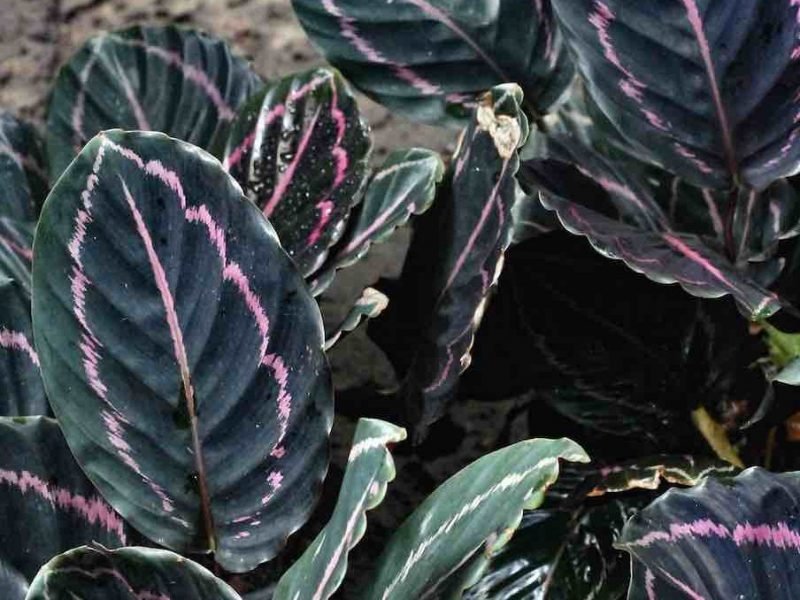
Calathea Dottie Leaves

Calathea dottie foliage

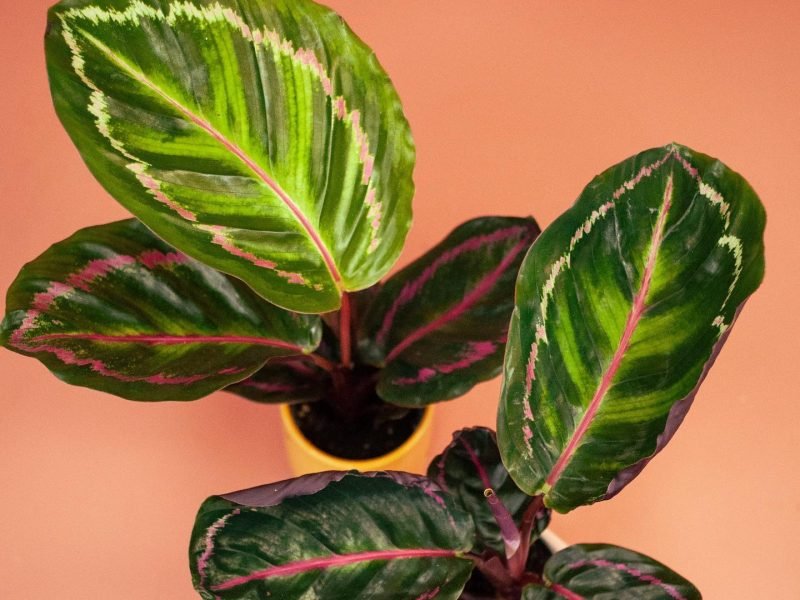
Loved for their incredible dark black/green and pink-lined leaves, the Calathea Dottie is a great option if you’re looking for something a little unusual but still easy to get your hands on. They’ve really risen in popularity over the last few years so are quite widely available globally.

Native to the tropical rainforests of South America, the Calathea Dottie is known for its almost black leaves that feature bright pink lines along the diameter of each leaf and straight down the middle.

Although they are most commonly known as the Calathea Dottie, they can also go by the names Rose Painted Calathea, Calathea ‘Black Rose’ or its Latin name Calathea Roseopicta.

How to care for a Calathea Dottie

Calathea Dottie plants are definitely not a beginner houseplant as they can be quite fussy about temperature and humidity so you’ll often see a brown leaf tip or edge as it can be tricky to mimic the tropical environment found in a rainforest (and even if you could, it wouldn’t be too comfortable to be in).

Alongside high humidity, getting the right amount of sunlight is critical to the long-term health of your plant. Calathea Dottie plants need bright but indirect sunlight and must not be near any direct light during summer as this will burn, scorch and dry out the foliage. They can adapt to medium light levels if needed but will start to suffer in low light levels, where growth rates will stagnate and leaves may fall from your plant.

Below you’ll find our comprehensive Calathea Dottie care guide with everything you need to know to keep it thriving, including temperature requirements, repotting frequency and toxicity to humans and pets.

Calathea Dottie Overview

Origin: Tropical rainforests of South America

Latin Name: Calathea Roseopicta

Common Name(s): Calathea Dottie, Rose Painted Calathea, Calathea ‘Black Rose’

Plant Family: Marantaceae

Difficulty Level: Medium

Appearance: Dark, almost black, leaves with bright pink lines around the edge and through the middle of each leaf.

Height and Size: When grown indoors can reach a height of 1 meter (3 feet).

Growth Rate: Slow

Flowering: Can grow small light-coloured flowers but these are often insignificant and rare.

Pruning: Regular pruning is not necessary, only to remove dead or dying leaves.

Cleaning: Wipe with a damp cloth to remove dust every few weeks.

Light Requirements: Bright, indirect sunlight.

Water Requirements: Moderate watering to prevent bone dry or waterlogged soil.

Best Soil: Light and loose well-draining potting mix

Ideal temperature: Prefers warm temperatures between 65-85°F (18-29°C)

Fertilizing Routine: Apply a well-balanced fertilizer once a month during spring and summer.

Ideal Humidity Level: Thrive in a high humidity level of 60% and above.

Propagation: Propagate through division of the mother plant.

Repotting Frequency: Every 1-2 years

Air Purifying: Yes

Toxicity: Non-toxic and safe for pets and humans.

Risk of Pests: Rare but risk of spider mites, thrips, mealybugs, fungus gnats and whiteflies

Common Problems: Brown and yellow leaves, drooping stems and curling leaves

Origin of a Calathea Dottie

Calathea Roseopicta are native to the tropical rainforests of South America. Because of this, they thrive in warm, bright and humid conditions that mimic their native environment.

Calathea Dottie Family

They are part of the Marantaceae plant family which consists of over 500 species of flowering plants. Also known as the Prayer Plant family, these plants fold up their leaves overnight which mimics praying hands.

Calathea Roseopicta Appearance

The Calathea Dottie is one of our favourite Calatheas because they really stand out with their black and pink-adorned leaves.

Care Difficult Level

Calathea Dottie plants aren’t totally low maintenance but can adapt to ranges of temperature and sunlight. Humidity is the one thing which they can be quite fussy about and while it won’t kill your plant, it can lead to dry leaves developing.

The other thing you need to be careful of is moisture in the soil as they like a moist potting mix but not a soggy one. We don’t tend to recommend these for beginner plant parents but you don’t need to be an expert to keep these thriving.

Calathea Dottie Maximum Height

The Calathea Dottie will reach a maximum of around 1 meter (3 feet) in height when grown indoors.

Calathea Roseopicta Growth Rate

Calathea Dottie plants fit somewhere in the middle of being fast and slow growing. You’ll see plenty of new growth during the warmer months of the year but it won’t outgrow the space too quickly.

Flowers on a Calathea Dottie

You may rarely see small white flowers grow on your Calathea Dottie during spring and summer. However, these are often small and insignificant. The leaves are the real show-stopper rather than the flowers.

Pruning your Calathea Dottie

Regular pruning is not necessary for Calathea Roseopicta and you should only remove foliage if it is dead or dying. Of course, you can also prune your plant so that it fits the space required but you don’t need to prune to see healthy new growth each year.

Cleaning your Calathea Dottie

It’s important to dust the leaves regularly as Calathea Dottie plants have very large flat leaves which means they are prone to a quick build-up of dust.

To make sure that your plant is able to maximise on the light it is getting, and to unclog the tiny pores on the leaves make sure to dust them often. It will also keep the incredible jet-black leaves from looking faded, grey and dull which is a bonus!

@groun.ded on Instagram

Dark Calathea Dottie Leaves

Light Requirements for a Calathea Dottie

Bright but indirect light is best for your plant and make sure to avoid any harsh direct sunlight during summer. Because of the strength and intensity of the sun during this time, it can actually burn and scorch the leaves, as well as dry out the plant.

Whilst Calathea Dottie plants can adapt to lower light levels, growth will be slow and often smaller. They can adapt to medium levels of light if needed but this is less ideal than bright, indirect light.

Water Requirements for a Calathea Dottie

Calathea Dottie plants don’t like to have a really dry or super soggy potting mix which requires getting a good balance with your watering routine. The best way to water them to ensure some moisture in the soil is little but often. This avoids any risk of root rot or drought.

If you don’t already have one, investing in a moisture meter is one of the greatest assets when caring for a Calathea Dottie as it allows you to figure out how much moisture is in the soil and when it’s time to water again.
Another tip is to remove any excess water that is still in the planter or saucer around 15 minutes after watering. This will ensure that your plant had the time to take up the water that it needed, leaving behind what it doesn’t. By tipping that excess water away, you’re preventing the roots from sitting in a pool of water. Without doing this, the risk of overwatering and root rot is dramatically higher.

Best Soil for a Calathea Dottie

Choose a potting mix that has both good drainage and water retention qualities. This will allow you to keep a moist but not soggy potting mix, keeping your plant hydrated but not risking root rot. Most standard potting mixes for houseplants will suffice and should contain a good balance of nutrients.

Try to choose a mix that includes perlite as this is great for both drainage and soil aeration but note that you can buy it separately and add it to your mix as well.

Calathea Dottie Temperature Requirements

It’s important that you find a nice warm spot for your plant as they won’t do so well in cool temperatures. The ideal range for your Calathea Dottie is 65-85°F (18-29°C).

Ensure that they are kept away from drafty doors/ windows or air conditioning vents as the cool stream of air will damage your plant’s health. You also need to be wary of hotspots that can form around windows, radiators and cookers as intense heat will not only dry out the potting mix quicker but will then cause dry brown leaves and stems if the issue isn’t caught in time.

The best thing to do is buy a digital thermometer to keep track of any changes in temperature around your Calathea and any other houseplants. By spotting the issue early, you can either fix the issue or relocate your plant so that it doesn’t cause any irreversible problems.

Calathea Dottie Fertilizer Requirements

Apply a well-balanced liquid fertilizer at half the recommended strength once a month during the growth period of spring and summer. A balance of 10-10-10 or 20-20-20 nitrogen, potassium and phosphorus is best for your Calathea Dottie and can help with the development of new leaves, roots and flowers.

Diluting it more than the recommended amount can help to avoid fertiliser burn that can result in yellow leaves and actually a lack of new growth. Make sure to cut back all fertilizing during fall and winter as your plant is in the dormant phase and feeding during this time can harm your plant and its root system.

It’s also important to note that fertilizing is optional and you can still see incredible new leaves without it.

Ideal Humidity Level for your Calathea Roseopicta

High humidity is vital and your Calathea Dottie will thrive in a 60% humidity level or above. That can be difficult to achieve at home so 50% and higher is a good target. The best ways to boost the humidity are by misting a few times per week, showering occasionally or investing in a humidifier to keep a nice stable humidity level.

If your Calathea is growing in rooms with humidity less than 40%, you will likely start to see brown leaf tips, edges and spots developing.

Using a humidity monitor is pretty much the only way to accurately know if the air is too dry for your plant and we highly recommend using one if you don’t already. Often you can get a 2 in 1 thermometer and humidity monitor which is great for houseplant care.

@friendsorfriends on Instagram

Calathea dottie plants on an orange-pink background

Propagating your Calathea Dottie

The best way to propagate a Calathea Dottie plant is by division of the mother plant. Make sure that each section has a good amount of the root system for success. Repot each new plant into fresh potting mix and resume usual care.

Find out more on how to divide your plant in our guide to Calathea propagation.

Air Purifying Qualities

Calathea Dottie plants are great for bedrooms and offices as they are considered to be air purifying which means they remove toxins from the air. Although this is believed to be in very low quantities, it’s just another reason to have them around!

Repotting your Calathea Roseopicta

On average, your Calathea Dottie will need repotting every 1-2 years. However, do look for signs that your plant is rootbound and needs to be repot into a larger container.

Signs include roots growing out of the drainage holes or popping out of the top of the pot, the root system being in a tight coil when removed from its pot or no new growth during spring and summer.

It’s important to know that there can be other causes of stagnant growth such as a lack of sunlight but check the root system to see if the roots have outgrown the current pot.

When choosing a new pot, it’s important to only go one or two sizes up. While you may be tempted to repot your Calathea Dottie into a much larger pot to give it lots of space to grow, this can actually be damaging. Not only may your plant become unstable in a much larger pot, but it also increases the amount of water the soil can take in and therefore increases the amount of time the soil will take to dry out. This will increase the risk of root rot and other linked issues.

Calathea Dottie Toxicity to Humans and Pets

Calathea Dottie plants are totally non-toxic and safe to have around pets. You don’t need to worry about keeping them out of reach of your furry friends if they are prone to nibbling on your plants!

Treating and Preventing Pests

Although it is rare, your Calathea Dottie may start to suffer from an infestation of spider mites, thrips, mealybugs, fungus gnats or whiteflies. This happens most commonly if your plant spends any time growing outdoors but it can still happen as a houseplant.

Look out for signs of pests that include brown and yellow spots, holes in the leaves, white webbing or powder across the leaves and stems and white mildew. If you do spot pests or signs of them, isolate your plant from all other houseplants to stop the infestation from spreading and treat it with a rigorous routine of neem oil and an insecticide.

With the right treatment, you can be successful at stopping a pest infestation but the chances of doing that are much higher if you catch the issue early. This is why we strongly recommend that you conduct regular and in-depth check-ups of your plant to spot any warning signs as early as possible.

Top tip: always check the undersides of the leaves as this is where pests like to hang out and they can often go undetected there for a long time.

Calathea Dottie Common Problems

Fiddle and Thorn is a participant in the Amazon Services LLC Associates Program, an affiliate advertising program designed to provide a means for sites to earn advertising fees by advertising and linking to Amazon.com

Take our houseplant survey!

Quickly respond to our 30 second houseplant survey and get 75% off our Complete Houseplant Care eBook!

Take the Survey

No thanks…

Buying the perfect Christmas tree: Tips and tricks to help you choose the right one

Last Updated: October 21, 2023

The task of selecting the perfect Christmas tree can often seem daunting, especially with so many options available. From the different species to the varying heights and sizes, finding the right tree for your home can be a challenge.

But fear not, this guide is designed to help navigate this festive decision and ensure that you choose the tree that best suits your preferences and the specific needs of your home.

Why Choose a Real Christmas Tree over an Artificial One

The classic debate among Christmas enthusiasts: real or artificial trees? While artificial trees have their advantages, there’s something special about selecting and decorating a real Christmas tree. Here’s why you might want to consider going the traditional route this year:

The Aesthetic Appeal

The natural beauty of a real Christmas tree is unrivaled. Each tree is unique, with its own shape, color, and texture. This uniqueness adds a personal touch to your home decor that an artificial tree simply can’t replicate. It also means that your tree is unique to that individual year, whereas an artificial one will look the same year in year out.

The piney scent that fills your home when you bring in a live tree puts you in the holiday spirit in a way that an artificial one just can’t.

Environmental Benefits

Real Christmas trees are a renewable resource. Farmers plant new trees to replace each one that’s cut down and they are solely grown for this purpose. This means that without buying real Christmas Trees, these trees wouldn’t exist in the first place. Furthermore, they contribute to air quality during their growth as they absorb carbon dioxide and emit oxygen.

On the other hand, artificial trees are made from non-renewable materials such as plastic and metal, and their production often involves harmful chemicals.

Supporting Local Economy

Buying a real Christmas tree supports local farmers, contributing to the economy of your community or region. Many tree farms also employ local people, providing jobs and supporting families.

Sustainability

Real trees are recyclable and biodegradable so once the holiday season is over, your tree can be converted into mulch, used for erosion control, or even serve as a habitat for wildlife. Artificial trees, however, can take hundreds of years to decompose in a landfill.

Types of Real Christmas Trees to Consider

When it comes to selecting the perfect real Christmas tree, there’s more than one type to consider. Each variety has unique qualities that make it special. Knowing these differences can help you make an informed decision about which tree is right for your household.

Fir Trees

Fir trees are a popular choice for Christmas. They are known for their pleasant scent, excellent needle retention, and branches strong enough to hold heavy ornaments.

  • Balsam Fir: This tree has a classic shape, dark-green color, and a long-lasting, pleasant fragrance.
  • Fraser Fir: It’s admired for its strong branches, pyramid shape, and great needle retention. Plus, it has a lovely scent.
  • Noble Fir: Known for its beauty, this tree has dense branches, a unique shape, and excellent needle durability.

Pine Trees

Pine trees have longer needles which give them a fuller appearance. They are also known for their strong pine scent and good needle retention.

  • Scots Pine: This tree is loved for its bright green color, excellent needle retention, and the strong, pleasant pine aroma it emits.
  • White Pine: With soft, blue-green needles, the White Pine is the largest pine in the U.S. It doesn’t have a strong fragrance, which can be a plus for people with allergies.

Spruce Trees

Spruce trees have stiff branches ideal for hanging heavy ornaments and short, sharp needles. They have a distinctive fragrance, but their needle retention is poorer compared to firs and pines.

  • Norway Spruce: It has a beautiful shape, strong branches, and a lovely dark green color. However, it tends to drop its needles fairly quickly.
  • Blue Spruce: This tree has a unique blue-green color and good needle retention, making it a popular choice.

Factors to Consider When Choosing a Christmas Tree

1. Size

The size of the tree is one of the most crucial aspects to consider. You want to make sure the tree fits comfortably in your home. Start by measuring the height and width of the space where you plan to place the tree. Remember to account for the tree stand and the tree topper when considering the height.

Then bring a tape measure with you when you are choosing your tree. Trees look so much smaller outside than they feel in your home so it can be easy to buy one that’s much too big by accident.

2. Type of Tree

There are various types of Christmas trees, each with its unique characteristics. The most common include the Fraser Fir, Noble Fir, Douglas Fir, and Balsam Fir. Each type differs in terms of needle retention, fragrance, color, and branch strength. Consider these attributes when choosing your tree (more about that above).

3. Freshness

A tree’s freshness is a vital consideration. A fresh tree will retain its needles longer and is less of a fire hazard. To test a tree’s freshness, lightly pull a branch towards you. If the tree is fresh, only a few needles should come off in your hand.

4. Shape and Branch Density

When choosing a tree, look for one with a symmetrical shape and dense branches. Avoid trees with noticeable bare spots or misshapen sides. Remember, a well-shaped tree with thick branches will hold ornaments better and look fuller.

5. Cost

Lastly, keep your budget in mind. The cost of a Christmas tree varies depending on its size, type, and where you purchase it. Make sure to do some research and find a tree that fits your budget while still meeting your aesthetic and size requirements.

How to Select the Perfect Christmas Tree Height and Width

Selecting the perfect Christmas tree involves careful consideration of both its height and width. The right size depends on the scale of the space where you plan on setting up your tree. If you are unsure about how to choose the perfect height and width for your Christmas tree, read on for some helpful tips…

Considerations for Height

When thinking about the height of your Christmas tree, your room’s ceiling height is the most important factor. A good rule of thumb is to select a tree that is at least six inches lower than your ceiling. This allows room for a tree topper and prevents the tree from touching the ceiling, which can damage both your tree and your ceiling.

  • For rooms with standard 8-foot ceilings, opt for a tree that is around 7 to 7.5 feet tall.
  • For rooms with higher ceilings, you can consider taller trees. A 9 to 10-foot tree is suitable for rooms with 10-foot ceilings.

Considerations for Width

The width, or diameter, of your Christmas tree should be proportionate to its height. But it’s also crucial to consider the available floor space.

  • If you’re short on space, look for a slim or pencil tree. These trees are tall and thin, taking up less floor space.
  • If you have more room to spare, a full or round tree could be a good choice. These trees have a wider diameter and can fill out a larger room nicely.

Remember, it’s important to measure your space before you go tree shopping to ensure your new Christmas tree fits perfectly in your home.

Tips for Choosing a Christmas Tree with the Perfect Branches

When choosing your Christmas tree, the quality of the branches is a significant factor to consider. The branches should be full and lush, with a uniform color and strong enough to hold your ornaments.

1. Check for Fullness

When selecting a Christmas tree, full branches make a world of difference. A tree with sparse branches might not look as festive, and it may not support your decorations well.

2. Evaluate the Color

The color of the branches can tell you a lot about the tree’s health. A vibrant green indicates a healthy tree, while a dull color or brown patches might suggest that the tree is not in its prime condition. Make sure to pick a tree with uniform color throughout its branches.

3. Assess Branch Strength

Assess the strength of the branches by gently hanging a few heavier ornaments on them. If they can bear the weight without bending, the branches are likely strong enough to hold your decorations. However, if the branches droop under the weight, consider choosing another tree.

4. Consider the Shape

The tree’s shape should be well-rounded and symmetrical. This is largely dependent on how well the branches are distributed around the tree. Remember, a tree that is too lopsided might not stand straight, even with a sturdy stand.

How to Choose a Christmas Tree with the Right Needle Retention

Needle retention is another important factor when choosing the perfect Christmas tree. It simply refers to how well the tree holds onto its needles. A tree with good needle retention will not shed as quickly, ensuring that it looks full and vibrant throughout the holiday season.

To test a tree’s needle retention before purchasing, run a few branches through your hand. If the tree is fresh and has good needle retention, very few needles should fall off. Additionally, the needles should feel pliable, not brittle.

  • Firs: Firs, including Douglas, Fraser, and Balsam firs, are known for their excellent needle retention. They tend to hold onto their needles well, even after being cut.
  • Spruces: Spruces, such as the Blue Spruce or Norway Spruce, have moderate needle retention. They may drop needles more readily than firs, particularly if they become dry.
  • Pines: Pines, including Scots and Eastern White pines, have varying needle retention. Scots pines are known for excellent retention, while Eastern White pines may shed a little more.

It’s important to note that needle retention can be influenced by how the tree is cared for after it is brought home. To maximize needle retention:

  1. Keep your tree well-watered. A dry tree will drop needles more quickly.
  2. Avoid placing your tree near heat sources, such as radiators or fireplaces, which can dry out the tree.
  3. Consider using LED lights, which produce less heat than traditional incandescent lights and thus are less likely to dry out the tree.

How to Transport and Set Up Your Christmas Tree

Transporting Your Christmas Tree

Once you have selected your Christmas tree, the next step involves transporting it to your home. This task may seem daunting, but with a few tips, you can do it efficiently and safely.

  1. Wrap the tree: Most tree farms will offer netting for your tree. This not only protects the tree during transport but also makes it easier to handle. If netting is not available, try to wrap it in a tarp or blanket with the branches facing upwards while you wrap it.
  2. Position correctly: Always position the tree with the base facing the front of your vehicle if you are using an open truck or tying it to the top of your vehicle. This reduces wind damage to the branches and needles.
  3. Secure the tree: It is essential to secure the tree properly using ropes, bungee cords, or sturdy twine. The tree should not move at all, even at high speeds or in strong winds.
  4. Drive slowly: Finally, remember to drive slowly and avoid highways if possible. The high winds caused by fast driving could damage your tree.

Setting Up Your Christmas Tree

Follow these simple steps to ensure a stable and fresh tree throughout the holiday season.

  1. Prepare the base: Trim a few inches off the base of the tree. This helps the tree to absorb water better, keeping it fresher longer.
  2. Check the stand: Make sure your stand is sturdy enough to hold your tree. Remember, the tree will be heavier once decorated.
  3. Position the tree: Place your tree away from fireplaces, heaters, and other heat sources. These can dry out your tree quickly and even pose a fire risk. You want to do this before you decorate as it can become tricky to move it once it’s unwrapped.

How to Keep Your Christmas Tree Fresh and Healthy Throughout the Holidays

Ensuring your Christmas tree stays fresh and healthy throughout the holiday season involves a few key steps. A well-cared-for tree not only looks better, but it also poses less of a fire risk, making it a crucial part of holiday home safety.

Tree Selection

When choosing your Christmas tree, look for one that is green and vibrant, with needles that are difficult to pull from branches. The trunk should be sticky to the touch – a sign that the tree is fresh.

Tree Placement

Secondly, the placement of your tree can significantly influence its lifespan. Position your tree away from heat sources such as fireplaces, heaters, and even direct sunlight, as these can speed up the drying process.

Water Regularly

One of the most important steps in keeping your tree fresh is to water it regularly. A good rule of thumb is that a tree requires one quart of water per day for each inch of stem diameter. Make sure the water level never goes below the tree base.

Monitor Temperature

It’s also crucial to monitor the temperature in the room where your tree is placed. The cooler the room, the longer the tree will last. Consider lowering your thermostat to help slow the drying process.

Trim The Base

Lastly, consider trimming the base of the tree before installing it in a stand. Cutting off a half inch to an inch of the trunk can help the tree absorb water better, keeping it healthier for longer.

Fiddle and Thorn is a participant in the Amazon Services LLC Associates Program, an affiliate advertising program designed to provide a means for sites to earn advertising fees by advertising and linking to Amazon.com

Take our houseplant survey!

Quickly respond to our 30 second houseplant survey and get 75% off our Complete Houseplant Care eBook!

Take the Survey

No thanks…

Burro’s Tail Turning Brown – Reasons and How to Fix it!

Last Updated: April 1, 2022

Also known as the Donkey’s Tail plant, these succulent plants can be quite sensitive to look after so it can be quite common that they develop brown leaves. Whether you have noticed brown spots on the leaves or patches of your Burro’s Tail have turned brown, there are only two reasons why this might be happening which makes diagnosing and fixing the issue a lot simpler.

Below, you’ll find the main reasons why your Burro’s Tail has developed brown leaves, as well as how to fix it and prevent it from happening again in future.

Underwatering

If your Burro’s Tail’s leaves have become quite brown, dry and crispy, it may be because you have underwatered your plant for a while. Although your Burro’s Tail won’t die on you suddenly if you make it go a little while without water (as they are succulents), consistent underwatering will start to have an impact on your plant’s roots and overall plant health. It is important to keep an eye on the moisture levels in the soil so you know when your Burro’s Tail is ready to be watered.

Check the moisture levels in the soil before each water so you can start to see when it may need more or less water and adjust your watering schedule accordingly to prevent more brown leaves. To do this, there are a few really easy ways to make sure that your Burro’s Tail definitely needs water. First check the moisture at the top of the soil, if it is still damp then wait a few days before watering again. You can also lift up your Burro’s Tail to check the weight of the plant before and after watering. After a few weeks of doing this, you’ll start to be able to gauge how heavy your plant is when it’s time for watering. If you still aren’t sure how to tell if your Burro’s Tail needs watering, then we recommend using a moisture meter to help you prevent brown leaves. They are really affordable little devices that you pop into the soil and it’ll tell you how damp the soil is – a total plant lifesaver! You can pick one up from Amazon here.
Once you have figured out if underwatering is the cause of the brown leaves on your Burro’s Tail, you now need to think about how to fix it. Your first instinct might be to give your Burro’s Tail loads of water straight away. However, this can actually be harmful to your plant if the soil goes from one extreme to the other as this can cause plant shock and can cause more issues than brown leaves. You want to reintroduce frequent watering by giving your Burro’s Tail a little bit once a day for a week or two and this should solve the problem.

Sunburn

Burro’s Tail plants thrive in bright areas of the home/garden but can show symptoms of sunburn if they are getting too much bright direct sunshine and this shows up as brown patches throughout your plant. This often occurs during the summer months where the sunlight is a lot stronger and out for longer each day.

Unfortunately, brown sunburn scars are permanent so you might want to think about re-locating your Burro’s Tail to a spot in your home that gets less direct sunlight and this should avoid any more brown leaves.

Those are the main two reasons why Burro’s Tail plants develop brown leaves. We recommend taking a close look at the environment your Burro’s Tail is in, as well as your watering routine to determine which is causing the brown leaves. If the problem hasn’t spread to the entire plant, you have a good shot at getting your Burro’s Tail back to full health.

Check out our Burro’s Tail care guide for more information about how to care for your plant, propagate it and deal with a whole range of issues.

Fiddle and Thorn is a participant in the Amazon Services LLC Associates Program, an affiliate advertising program designed to provide a means for sites to earn advertising fees by advertising and linking to Amazon.com

Take our houseplant survey!

Quickly respond to our 30 second houseplant survey and get 75% off our Complete Houseplant Care eBook!

Take the Survey

No thanks…

How to Care for a Burro’s Tail Plant

Last Updated: October 16, 2023

Burro’s Tail Plant

Burro's Tail Plant

Also known as the Donkey’s Tail Plant, these striking succulents can be a little tricky to take care of so it is important you know what type of care they need and what environmental requirements they have.

Native to Southern Mexico, the Burro’s Tail is a type of succulent that has very small plump leaves that grow from short hanging stems. It is an extremely delicate plant and it can break very easily. This makes finding the right place in your home for it is crucial as it can’t be somewhere that leaves it at risk of being knocked and bumped by pets or even just people moving through your home.

The Burro’s Tail is sometimes referred to using its Latin name ‘Sedum Morganianum’ or other common names such as Donkey’s Tail, Donkey Tail and Lamb’s Tail.

How to Care for a Burro’s Tail

Other than being highly breakable, the Donkey’s Tail is very sensitive to overwatering so it’s essential that you water infrequently and monitor the soil moisture before watering.

They also need a high level of bright sunshine to thrive. While they can tolerate direct sunlight if your plant is too close to the window and a hotspot forms, this can dry out the plant.

Below you’ll find our complete Burro’s Tail care guide with all the information you need to help your plant thrive.

Burro’s Tail Overview

Origin: Areas throughout Southern Mexico

Latin Name: Sedum morganianum

Common Name(s): Donkey’s Tail, Donkey Tail, Burro’s Tail and Lamb’s Tail

Plant Family: Crassulaceae

Difficulty Level: Medium to Hard

Appearance: Hanging stems made up of layers of plump teardrop-shaped leaves

Height and Size: 1-4 feet (30-120 centimeters) in length

Growth Rate: Slow

Flowering: Occasionally may grow small pink flowers

Pruning: Only to remove dead or dying leaves

Cleaning: Use a light feather duster to gently clean the stems

Light Requirements: Bright, indirect with some direct exposure

Water Requirements: Infrequent, once a month on average

Best Soil: Coarse, well-draining potting mix

Ideal temperature: 65-75°F (18-24°C)

Fertilizing Routine: Apply a well-balanced fertilizer once or twice each growth season

Ideal Humidity Level: 40-55% humidity

Propagation: Through leaf cuttings

Repotting Frequency: Every 2-3 years

Toxicity: Safe and non-toxic to pets and humans

Risk of Pests: Rare but risk of aphids and mealybugs

Common Problems: Plant losing leaves, discoloration of leaves (brown, white, yellow) and soft leaves

Origin of a Burro’s Tail

Native to Sothern Mexico, the Burro’s Tail can tolerate warm temperatures, bright sunlight and dry soil. The one thing you don’t need to worry about loads is humidity as the normal humidity of your home should suffice.

Burro’s Tail Family

The Burro’s Tail plant is part of the Crassulaceae family (also known as the stonecrop family or the orpine family) which is made up of a diverse range of succulent plants.

Burro’s Tail Appearance

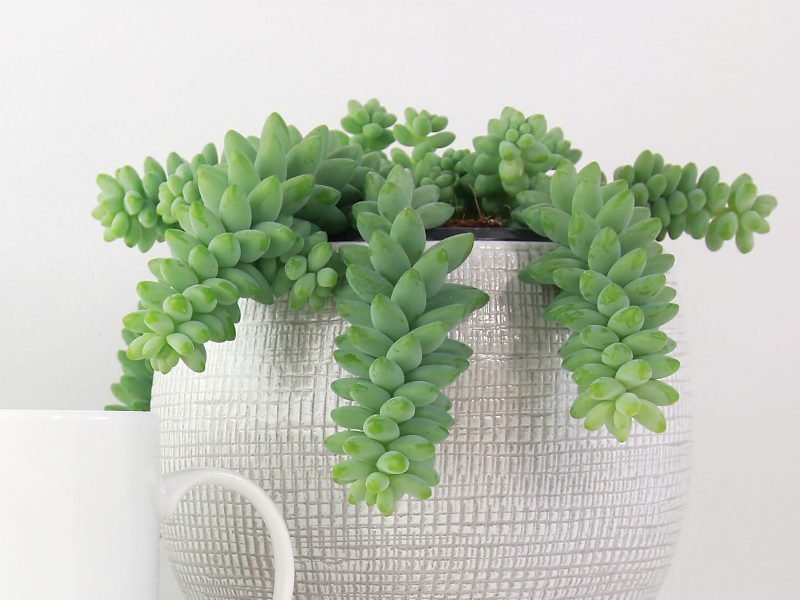
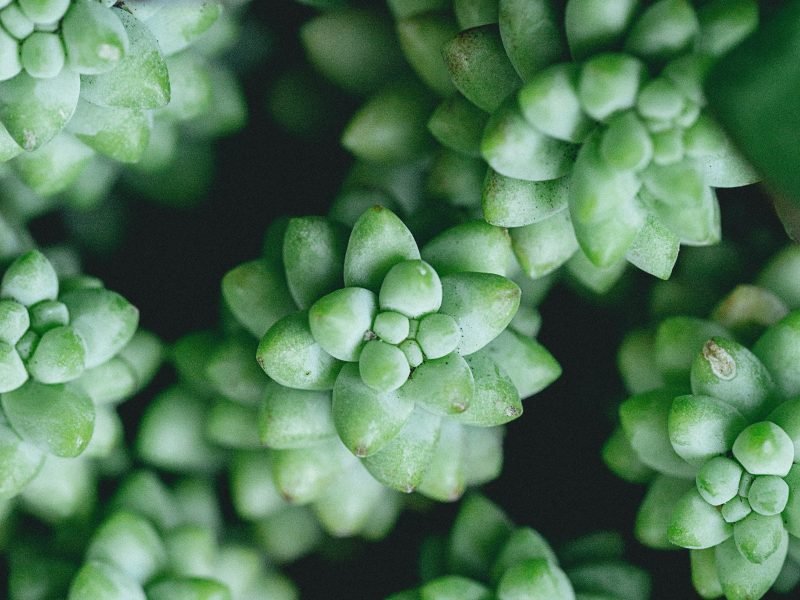
Unique and striking, the Donkey’s Tail is made up of small teardrop-shaped leaves around short hanging stems. The leaves are pretty light green in colour, with a turquoise tinge.

Burro’s Tail Height and Size

At maturity, a Burro’s Tail will reach anywhere between 1-4 feet (30-120 centimeters) in length. As they are quite breakable, their stems don’t become that long, especially when grown indoors as a potted plant. In their native environment, they can grow slightly longer.

Difficulty Level

Although succulents often have a low maintenance reputation, the Burro’s Tail isn’t the easiest to care for as it does have very specific care requirements. Dry soil, warm temperatures, low humidity and bright sunshine can be difficult to achieve in a lot of homes so not always one for beginner plant parents. Their breakability makes them also a little tricky to keep alive as they are often losing leaves and entire stems sometimes.

Growth Rate of a Burro’s Tai

As with a lot of succulent types, the Burro’s Tail is quite a slow-growing houseplant. It will often take 5-7 years for the stems to reach maturity so a little patience is required.

Flowers on a Donkey’s Tail

Although blooming is rare when grown as a houseplant, the Burro’s Tail can occasionally grow clusters of small pink flowers, often near the ends of the stems. These are quite insignificant and don’t last long before wilting.

Pruning your Burro’s Tail

Burro’s Tail plants don’t need regular pruning but if growth has started to slow, you may need to prune a few of the ends off the stems to stimulate growth hormones. On average, you may have to prune the stems every 2-3 years.

Other than pruning to generate more new growth, you may also need to prune parts of your plant that are dead or dying. If part of a stem has discoloured (turned brown, yellow or white), then these changes are irreversible and it is best to remove them from the plant. Do this very carefully so you don’t cause any other damage to the rest of the plant.

Cleaning your Burro’s Tail

Because the Burro’s Tail is breakable and often loses leaves and chunks of stems if knocked, cleaning them can be risky. However, it is very important that you keep your plant free from a large build up of dust.

Donkey Tail plants love sunshine and even a thin layer of dust can prevent your plant from getting all of the sunlight as the dust acts as a thin blocker. Dust can also clog up the tiny little pores in the leaves so semi-regular cleaning is vital.

To do this, use a very light feather duster to gently wipe over the leaves. Don’t apply much pressure or you risk the stem breaking off.

If your plant is particularly dusty or perhaps sticky, bathing in water is also a good way to clean them without needing to press down with a cloth.

New growth on a Burro’s Tail

Burro's Tail new growth

Light Requirements for a Burro’s Tail

As with most succulent types, they love sunlight and can suffer in very low-light areas of your home. Be careful not to expose your Burro’s Tail to too much direct light in summer as this can scorch the plant over time.

At all other times of the year though they will absolutely love direct sunlight like most other succulent types but the summer sun can be a little hot for your plant sometimes.

Water Requirements for a Burro’s Tail

Your Burro’s Tail thrives from having dry soil and too much moisture can very quickly lead to root and plant rot. We recommend watering deeply once a month, rather than light watering more often.

It’s very important that you check the moisture in the soil each time before watering your Donkey Tail plant so that you know if it needs a few more days for the soil to dry out. To do this you can use a moisture meter, the chopstick method or the lifting method.

Best Soil for a Burro’s Tail

As with most other succulent and cactus types, the Burro’s Tail needs a well-draining coarse potting mix to prevent soggy soil. Sand and pumice are essential ingredients as well as perlite which helps not only drainage but aeration of the soil too which is important.

You will often find succulent-specific potting mixes that already have perlite included but you can also buy it separately and add it into any mix yourself.

Ideal temperature for your Burro’s Tail

Donkey’s Tail plants thrive in a warm environment and the ideal temperature range is 65-75°F (18-24°C). Don’t worry too much if temperatures drop a little in winter as this is their dormant period anyway.

The main things you need to be aware of are temperature extremes caused by long-term problems as this can be very damaging to your plant over time. Make sure that there aren’t any drafts coming in through windows and external doors as the cold air can mean your Burro’s Tail begin losing leaves and maybe also developing brown leaves.

But it isn’t just cold extremes that you need to be wary of as hotspots can dry out your plant over time. They are slightly more tolerant of it compared to other non-succulent plant types but hotspots caused by cookers, radiators and heating vents can turn the leaves on your Donkey’s Tail crispy and dry.

If you don’t already have one, a digital thermometer will be your best friend when caring for a Burro’s Tail as you will be able to spot any inconsistencies in temperature and fix the issue before it’s started to damage your plant’s health.

Donkey’s Tail Fertilizer Requirements

Burro’s Tail plants aren’t heavy feeders and only need to be fertilized once or twice per year, in spring and summer.

Although you can still see plenty of new healthy growth without fertilizer if you do choose to feed your Donkey Tail, apply a well-balanced (10-10-10) fertilizer at half strength. The reason that you should dilute the fertilizer more than recommended is to prevent issues such as yellow leaves, your plant losing leaves and stagnant growth that can occur if you over-fertilize.

Make sure that you do not fertilize your Burro’s Tail at all during autumn and winter. This is the dormant period and feeding during this time will do more bad than good.

Ideal Humidity Level for a Burro’s Tail

You don’t need to worry about raising the humidity levels for your Burro’s Tail as the ideal humidity range is between 40-55%. The best thing to do if you are unsure about the humidity level is to get a humidity monitor. A lot of digital thermometers have these included which is great for plant care.

One tip we do have around humidity is to avoid growing your Burro’s Tail in a bathroom or kitchen if there isn’t much ventilation. Those two rooms can be slightly higher in humidity due to steam released when either cooking or showering and this can lead to mushy leaves on your Donkey’s Tail.

Burro’s Tail Plant (Right)

Burro's Tail Plant in a white ceramic pot

Propagating your Burro’s Tail

Propagating a Burro’s Tail is simple, partly due to the fact that their leaves are very prone to dropping off. You can propagate each of these individual leaves to create an entirely new Donkey’s Tail plant. This can either be planted back into the pot to make your plant bushier, or used to create a new plant altogether.

Leave the dropped leaves out of water and soil for a few days for them to harden at the bottom. Then insert them into fresh, nutrient-rich soil and resume normal care. We have more details in our Burro’s Tail propagation guide!

Repotting your Burro’s Tail

Your Donkey’s Tail plant really quite enjoys being root bound so you don’t need to worry about repotting it very often. On average, you may only need to repot your Burro’s Tail every 2-3 years minimum.

When the time comes to repot your plant, be extra careful when handling it as the leaves can drop very easily. You should also never repot into a pot that is a lot bigger as this can lead to your plant becoming unstable.

Donkey’s Tail Toxicity to Humans and Pets

Burro’s Tail plants are safe and non-toxic for pets and children when handled or ingested. If ingested in large quantities, however, it can cause stomach irritation, vomiting and diarrhoea.

Treating and Preventing Pests

Pests are rare on a Burro’s Tail, particularly when grown as an indoor plant the whole year around. However, it is still susceptible to pests and you may find that mealybugs or aphids have infested your plant. Signs that your plant is suffering from pests include brown spots on the leaves, dehydrated leaves or white webbing/powder on the leaves.

Below is more information on the two most common pests on a Burro’s Tail:

Mealybugs: They are small, soft-bodied insects that often appear as white, cottony clusters across your Donkey’s Tail. The reason that they are so harmful is that they feed on the plant’s sap and can cause stunted growth and yellowing leaves. To fight the mealybugs, you can remove them manually with a cotton swab dipped in rubbing alcohol and use neem oil and an insecticide.

Aphids: They are tiny insects that cluster on new growth and also suck the plant’s sap, dehydrating it slowly. They can also cause distorted growth and yellowing of leaves so watch out for those signs. Neem oil and an insecticide are also the best ways to fight the infestation and we also recommend removing the worst affected stems to cut down the size of the infestation.

Burro’s Tail Common Problems

Fiddle and Thorn is a participant in the Amazon Services LLC Associates Program, an affiliate advertising program designed to provide a means for sites to earn advertising fees by advertising and linking to Amazon.com

Take our houseplant survey!

Quickly respond to our 30 second houseplant survey and get 75% off our Complete Houseplant Care eBook!

Take the Survey

No thanks…

Burnt Monstera Leaves: Common Causes and Solutions

Last Updated: May 9, 2023

Burnt monstera leaves

Burnt monstera leaves

Monstera plants have become increasingly popular among plant enthusiasts due to their unique heart-shaped split leaves. However, as with any plant type, your Monstera is still susceptible to a wide range of issues if there are problems with either the care or any environmental factor.

One issue you can find with Monsteras is burnt leaves, which can be very frustrating. This can appear as yellow patches or spots across the plant, or concentrated on the leaf tips. Luckily though there are only really two main causes of burnt leaves on a Monstera, which makes diagnosing and fixing the issue a lot easier than with other common problems.

In this article, we will discuss not only the two common causes of burnt Monstera leaves but also how to treat and prevent the issue.

Common Causes of Burnt Monstera Leaves

Too much direct sunlight

The most common reason why your Monstera has developed burnt patches or spots across its leaves is exposure to too much sunlight. This will only tend to happen during summer when the sun is a lot strong and is out for more of the day. During winter, you can place your Monstera closer to the window without fearing sunburn as the sun is weaker.

If your Monstera is receiving several hours of direct sun rays on its leaves, then this is likely the cause of the burnt and scorched leaves.

To diagnose the issue, monitor the environment around your Monstera throughout the day. It may be that it isn’t receiving any sunlight in the morning, but is hit with intense sun rays all afternoon without you realising it.


Over-fertilization

The other potential cause of burnt Monstera leaves is over-fertilization. This can either be happening because you are fertilizing your Monstera too deeply or too frequently. Fertilizing over autumn and winter can also cause burnt leaves as your plant is in its dormant phase and won’t be producing new growth.

Getting the right amount of fertilizer for your individual plant can be tough as there is no one-fits-all amount. Factors such as light level, pot size, plant size and age can all affect how much your Monstera needs to be fertilized. This makes feeding the right amount a real guessing game.

Symptoms of Burnt Monstera Leaves

Brown or yellow spots on leaves

If your Monstera has developed brown and yellow spots on the leaves, then this can be an indication that it is being burnt either by too much light or fertilizer. The good thing about small spots though is that you should have caught the issue early which makes fixing it a lot easier.

When it comes to small spots, we also don’t recommend removing the leaves from your Monstera as they are still very valuable in the photosynthesis process. It is only when the majority or all of the leaf has burnt that we would recommend removing it.

When the leaf is burnt through sunlight, you’ll find most of the damage on the leaves that are facing the window. This is because they will have had more exposure to the light. However, you will often see damage across the plant to some extent as the whole plant will have dried up a lot quicker in the heat.


Brown and yellow leaf tips

If your Monstera has developed burnt yellow or brown leaf tips, then this is often an over-fertilization problem. If the leaf tips are only dry and brown then this tends to be caused by watering or humidity problems but if there are yellow halos, then this can indicate over-fertilization.

Burnt leaf tips on your Monstera also indicate that you have caught the problem relatively early which is great. The sooner you spot and treat an issue, often the easier it is to solve and the quicker your Monstera will get back to full health.

It’s worth noting though that once the leaf tips have burnt, there is no reversing this.


Large yellow patches across your Monstera

If your Monstera has developed large yellow burnt patches across its leaves, then the issue has probably been going on for a while without you noticing. If the issue is progressing quite fast, then this often means that intense direct sunlight is the cause rather than over-fertilization. This is because fertilizer issues are quite slow to develop into large burnt patches.


Curling or wilting of leaves

If the leaves on your Monstera are curling or have wilted alongside yellow patches or spots, then this can also mean that the issue has started to progress quite far. These problems on their own can indicate a range of issues beyond lighting or fertilizer so it is something you would spot alongside yellow burnt patches.

If the leaves that are facing the window are curling up a lot more, then lighting is most likely the answer. Monstera plants can naturally curl their leaves up away from the light source to protect themselves so watch out for this to help you diagnose the problem.


Brittle or dry leaves

Burnt leaves can also feel very brittle and dry to touch. This tends to happen more with lighting issues as the heat from the sun can very quickly dry out the leaves.


Leaf drop

Once the issue has been going on for a while and has progressed quite far, it can happen that the burnt leaves naturally fall off your Monstera. This will happen once the leaf is dead and your plant is no longer able to use it to photosynthesise.

Although the worst affected leaves will naturally drop, we do recommend trimming off leaves that are mostly or completely burnt. This will redirect any energy that your Monstera was using to try to keep it alive, into new healthy growth.

Solutions for Burnt Monstera Leaves

Now that you’ve hopefully been able to successfully diagnose why your Monstera has developed burnt leaves, the next stage is solving the issue. It’s important to make any changes as soon as you’re confident in the diagnosis as the longer the issue goes on, the more damage it’s causing. Over time, the issue will become increasingly more difficult to treat.

Adjust your Monstera’s positioning
The only way to prevent your Monstera from being burnt by the sun during summer is to find a more suitable spot for your plant. You want to find somewhere that still has ample sunlight but that light is indirect.

This means that none of the actual sun rays are hitting the leaves. Often this will be just a touch further in the room.

You will also need to think about the positioning throughout the year because it might be the case that your Monstera’s original placement was perfect in winter, but a little too bring in summer.

As the sun is a lot weaker in winter, you can and should be placing your plants a little closer to the windows to maximise on the light. A good light level in winter is crucial to avoid leggy, small growth but also risks caused by the potting mix not drying out as fast in darker areas. Because of this, you may just need to find a better spot for your Monstera in summer so that it’s not burnt by the sun but still has plenty of sunlight to aid new growth.


Flush out the soil

If you have used liquid fertilizer, then the best way to solve the issue is to flush out the soil. You can do this best by placing your Monstera in the shower and running water through it for a good few minutes. A lot of the excess fertilizer will flush out with the water through the drainage holes.


Replace the potting mix

If you have used fertilizer pellets that are mixed into the soil of your Monstera, then the only way to solve the issue is to replace the potting mix with fresh mix. If you have used fertilizer spikes, then it’s a little easier as all you need to do is remove those from the soil.

Prevention Tips for Burnt Monstera Leaves

Once you have taken the initial steps to solve the issue causing burnt leaves on your Monstera, you need to ensure that you are taking further action to prevent the issue from reoccurring. Below we’ve outlined a few tips…


Adjust fertilization schedule

If you have been over-fertilizing your Monstera and this is the cause of the burnt leaves, then one of the things you need to be doing is altering how often you are fertilizing your plant. This applies mostly when using liquid fertilizer as with the other types you will need to control how much you give (more on that below).

On average, you want to be fertilizing your Monstera no more than once a month during the growth period of spring and summer to avoid over-fertilization and burnt leaves. You should never be fertilizing during autumn and winter as your plant is dormant. Fertilizing during this time can be damaging to your plant and its root system.

There are, however, some factors which may mean you should be fertilizing your Monstera less than once a month. For example, if your Monstera is somewhere that doesn’t receive that much sunlight or if you’ve recently repotted your plant, then cut back fertilizer frequency to match this.


Dilute the fertilizer more

Alongside cutting back on how frequently you fertilize your Monstera, you can also treat burnt leaves by reducing how deeply you feed them. When fertilizing with a liquid fertilizer, all you need to do is dilute it more so that you aren’t adding as much feed in each time.

When fertilizing with spikes, you can either use less each time or break one in half if you are using a higher-strength fertilizer spike. Similarly with pellets that are mixed into the soil, add in less when you are next fertilizing. Research and understand the plant’s care requirements


Keep a close eye on your Monstera

We highly recommend that you give your Monstera a thorough check-up at least once a month if you aren’t already doing so. This will enable you to hopefully spot any early warning signs that something isn’t quite right before it is able to cause a lot of irreversible long-term damage.

Hopefully, this guide to burnt Monstera leaves and how to fix them has given you all of the information you need to diagnose, treat and prevent the problem. Too much sunlight and over-fertilization are your two main enemies when it comes to burnt leaves and because there are only two main causes, the diagnosis stage is a lot simpler. There are a lot of problems that have more than 8 potential causes which makes them a nightmare to properly figure out the cause.

Unfortunately, once you have treated the issue, the burnt patches on the leaves won’t turn back to their luscious green colour. You may then be wondering if you should be removing the burnt leaves from your plant but we only recommend you do this if the entire leaf (or most of it) is burnt. If there are only a few little patches, then this leaf is still very valuable to your plant. Removing too much can reduce how much your Monstera is able to photosynthesise, which can lead to smaller and more solid new leaves.

To learn more about how to care for your plant and diagnose/treat other common problems, check out our Monstera care guide.

Fiddle and Thorn is a participant in the Amazon Services LLC Associates Program, an affiliate advertising program designed to provide a means for sites to earn advertising fees by advertising and linking to Amazon.com

Take our houseplant survey!

Quickly respond to our 30 second houseplant survey and get 75% off our Complete Houseplant Care eBook!

Take the Survey

No thanks…

Burnt Fiddle Leaf Fig Tree Leaves and How To Prevent Them

Last Updated: May 14, 2023

Fiddle Leaf Fig Tree Leaf

Fiddle Leaf Fig Tree Leaf

Fiddle Leaf Fig Trees have become one of the most popular choices for an indoor plant, mostly due to their large elegant leaves and minimalist aesthetic. However, as with any plant type, caring for your Fiddle Leaf Fig Tree isn’t always a breeze and you may come across some issues from time to time.

One of the most common problems for your Fiddle Leaf Fig Tree to be susceptible to is burnt leaves. This can appear as yellow patches or spots across the plant, or concentrated on the leaf tips.

You will be happy to know that although burnt leaves are a very stressful problem to have, they are a lot easier to diagnose than some other issues. This is because there are only really two main causes of burnt leaves on a Fiddle Leaf Fig Tree.

In this article, we will discuss not only the two common causes of burnt Fiddle Leaf Fig Tree leaves but also how to treat and prevent the issue.


Common Causes of Burnt Fiddle Leaf Fig Tree Leaves

Intense direct sunlight

One primary cause of burnt leaves on a Fiddle Leaf Fig Tree is exposure to too much direct sunlight. This typically happens during summer when the sun is stronger and shines for longer each day compared to autumn and winter.

You won’t often really get this issue during winter as the sun isn’t as intense so you’re able to place your Fiddle Leaf Fig Tree a lot closer to the window without any risk of sunburn. So if this is happening during winter, it’s likely not caused by the sun’s intensity.

To identify the cause and make a diagnosis during summer, observe your Fiddle Leaf Fig Tree’s environment throughout the day, as it may be receiving intense sunlight in the afternoon without your knowledge.


Too much fertilizer

The second cause of burnt leaves in a Fiddle Leaf Fig Tree is over-fertilization. This may happen if you are fertilizing your plant too deeply or too often.

One thing to note when making the diagnosis in winter or autumn is that any fertilization will be too much. This is the dormant phase of the year which means your Fiddle Leaf Fig Tree won’t be producing any new growth. Fertilizing during this time can be really damaging.

Since there is no one-size-fits-all amount for fertilization, it can be challenging to determine the right amount for your individual Fiddle Leaf Fig Tree. Factors such as light levels, pot size, plant size, and age can all affect how much fertilizer your plant needs.

However, if you are fertilizing more than the recommended amount stated on the bottle, then it’s likely the cause of the burnt leaves.


Signs of Burnt Fiddle Leaf Fig Leaves

Here’s what to look out for across the leaves as an indication that your Fiddle Leaf Fig Tree is developing burnt leaves.


Small brown or yellow spots across the leaves

If you notice brown and yellow spots on your Fiddle Leaf Fig’s leaves, then this is a possible indication of leaf burn due to overexposure to light or over-fertilization. Spotting the issue early is will make solving and preventing the problem so much easier so make sure to be checking over your plant regularly.

We don’t recommend removing the leaves with small spots as they still contribute to the photosynthesis process. However, if a majority of the leaf is affected, then it is best to remove it from your Fiddle Leaf Fig Tree.


Brown and yellow leaf tips

If your Fiddle Leaf Fig’s leaves have developed burnt yellow or brown tips, this may be due to over-fertilization rather than lighting issues. If the leaf tips are only dry and brown, it could be caused by watering or humidity issues, but yellow halos around the brown tips can indicate over-fertilization.


Large yellow patches across your Fiddle Leaf Fig

If your Fiddle Leaf Fig is displaying large yellow burnt patches on its leaves, it may indicate that the problem has been present for a while. If the issue is progressing rapidly, it could mean that intense direct sunlight is the cause rather than over-fertilization. Burnt patches caused by fertilizer issues take a while to develop into large patches.

It’s also worth looking at where the yellow burnt patches are on your Fiddle Leaf Fig Tree as sunlight will mostly cause burnt patches on the side that faces the sun.


Curling or wilting of leaves

If you notice that the burnt yellow leaves on your Fiddle Leaf Fig Tree are also curling or wilting, then this suggests that the problem is quite severe and has gone undetected for a long period of time.


Brittle or dry leaves

Burnt Fiddle Leaf Fig leaves can feel brittle and dry when touched. This is more prevalent with lighting issues as the heat from the sun can quickly dry out the leaves. Over-fertilization however, won’t dry out the leaves quite in the same way.


Your Fiddle Leaf Fig is losing leaves

When the issue has persisted for an extended period, burnt leaves will naturally fall off your Fiddle Leaf Fig Tree. Once the leaf is dead, your plant can no longer use it for photosynthesis which is why it will shed it.

We recommend that you trim off leaves that are mostly or entirely burnt to redirect the energy that your Fiddle Leaf Fig was using to keep the leaves alive into healthy green foliage.


Solutions to Help Burnt Fiddle Leaf Fig Tree Leaves

After successfully identifying why your Fiddle Leaf Fig Tree leaves are burnt, it’s time to take the necessary steps to begin solving the problem. The longer you wait, the more harm it can cause to your plant which is why it’s super important to figure out the issue early and take the needed steps straight away.


Adjust the position of your Fiddle Leaf Fig Tree

To protect your Fiddle Leaf Fig Tree from intense direct sunlight, you need to find a more appropriate spot for it to live during the summer months. Ideally, the plant should be placed in an area where it can get sufficient sunlight, but the light should be indirect, without any sun rays actually hitting the leaves in the middle of the day.

Sometimes you can get away with a bit more direct sunlight in the morning or evening as it’s a lot weaker but it’s better not to risk it with an already damaged and burnt Fiddle Leaf Fig Tree.

It’s also necessary to consider the positioning of your Fiddle Leaf Fig Tree throughout the year. The spot that was perfect in winter may be too bright in summer so make sure to monitor the environment across the year and make any needed position changes.


Flush out the soil

If the problem is caused by overfertilization and you have used liquid fertilizer, flushing out the soil can be the best way to let your plant begin the recovery process.

You can do this by placing your Fiddle Leaf Fig Tree in the shower and running water through it for a few minutes. Flushing the soil will help remove the excess fertilizer, which is causing the leaves to burn. When doing this, make sure to let the soil drip dry before returning it to the shower to prevent any root rot risks.


Replace the potting mix

If you have used fertilizer pellets that are mixed into the soil, the only solution is to replace the potting mix with fresh soil. However, if you have used fertilizer spikes, it’s easy to solve the issue as you simply remove them!

Preventing Burnt Leaves on your Fiddle Leaf Fig

To prevent burnt leaves from recurring on your Fiddle Leaf Fig Tree plant, it’s important to take further steps after solving the initial issue. Here are some tips to follow:

  • Adjust the fertilization schedule

    If over-fertilization is causing the burnt leaves on your Fiddle Leaf Fig Tree, reduce how often you fertilize your plant moving forward. You also need to avoid fertilizing during autumn and winter as the plant is dormant, unless there are specific factors such as living in a particularly warm climate that mean the fertilizer window is increased.

  • Increase how much you dilute the fertilizer

    In addition to reducing how frequently you fertilize, reduce how deeply you feed your Fiddle Leaf Fig Tree to treat burnt leaves. With spikes or pellets, use less each time or break them in half if using a stronger variety. When using liquid fertilizer, just add less to the same amount of water as before.

  • Monitor your plant’s health

    Regularly check your Fiddle Leaf Fig Tree for any early warning signs of issues before they cause irreversible damage. Spotting the issue early gives you the best shot at treating it easily so a monthly checkup is a must.

We hope that this guide has helped you to figure out not only the cause of the burnt leaves on your Fiddle Leaf Fig Tree, but also learn what the best method of treatment is. Do note that the burnt patches on the leaves will not turn green again even after you’ve taken the steps to solve the issue. These are simply ways to prevent more leaves from being burnt.

To learn more about how to keep your plant happy and problem-free, check out our Fiddle Leaf Fig Tree care guide.

Fiddle and Thorn is a participant in the Amazon Services LLC Associates Program, an affiliate advertising program designed to provide a means for sites to earn advertising fees by advertising and linking to Amazon.com

Take our houseplant survey!

Quickly respond to our 30 second houseplant survey and get 75% off our Complete Houseplant Care eBook!

Take the Survey

No thanks…

How to Grow and Care for a Bunny Ear Cactus

Last Updated: October 16, 2023

Loved for their flat pad-like leaves, and lack of long sharp spikes, the Bunny Ear Cactus make for a great houseplant. They are low maintenance and quite compact meaning they can adapt to most homes and are great for small spaces where you still want to add a touch of greenery.

There are a lot of names given to this plant, from Polka Dot Cactus to Angle Wings, but we love Bunny Ear Cactus the most as the fuzzy bristles on the pads give it that furry look. However, although they sound cute, Bunny Ear Cacti are definitely not as cuddly as you’d like them to be. Although they don’t grow spines, they do have fuzzy glochids that grow on the pads. These are painful to touch and can be really difficult to remove from skin so make sure you wear gloves at all times when handling the plant.

How to Care for a Bunny Ear Cactus

Native to the Mexican desert plains, the Bunny Ear Cactus will thrive if you replicate the native conditions. There are two things that we recommend you pay particular attention to and that is humidity level and lighting.

Opuntia microdasys don’t do so well with high humidity levels so you want to place them in the rooms with a slightly lower level. Avoid the bathroom and kitchen as these can get quite humid with the steam from cooking and showering.

When it comes to finding the right spot for your plant, bright light is crucial. These plants love sunshine and will struggle to thrive in areas with medium or low light.

Below you will find our complete and comprehensive Bunny Ear Cactus Care Guide with all the tips and information you need to help your plant grow.

Bunny Ear Cactus Overview

Origin: Mexico

Latin Name: Opuntia microdasys

Common Name(s): Bunny Ear Cactus, Angel’s Wings Cactus, Polka Dot Cactus

Plant Family: Cactaceae (Cactus Family)

Difficulty Level: Easy

Appearance: Thin pads that grow in pairs with short hair-like spines

Height and Size: Maximum of 3 feet (90 centimeters) in height and spread.

Growth Rate: Slow

Flowering: Small cream-coloured flowers during spring and summer

Pruning: Regular pruning is not necessary, only to remove dead or dying leaf pads

Cleaning: Use a soft brush or water to clean your plant

Light Requirements: Bright sunlight (indirect or direct)

Water Requirements: Infrequent watering, drought-tolerant

Best Soil: Coarse, Well-draining coarse potting mix

Ideal temperature: 70-100°F (21-38°C)

Fertilizing Routine: Apply a cactus fertilizer once a year during spring

Ideal Humidity Level: 30-50% Humidity

Propagation: Through leaf cuttings

Repotting Frequency: Infrequent repotting, on average every 2-3 years

Toxicity: Non-toxic. However, the glochids (spines) will cause skin irritation

Risk of Pests: Mealybugs and scale insects

Common Problems: Discolouration of the leaf pads, shrivelling or drooping plant

Bunny Ear Cactus Origin

The Opuntia microdasys is native to the Mexican desert plains. It’s really important to know the origin of all of your houseplants as it makes understanding their care needs a little easier. If you are able to replicate some of the environmental factors that are found in that environment, then you’ll help keep your plant thriving and can avoid a lot of common issues.

In this case, the Cacti’s origin helps us know that they can tolerate high heat and light, a low humidity level and are fairly drought-tolerant.

Angel’s Wings Cactus Family

The Bunny Ear Cactus is part of the Cactaceae, Cactus Family. This is a family that consists of over 1,500 species of flowering plants.

Bunny Ear Cactus Appearance

The reason that this species has the name Bunny Ear Cactus is that its pads (leaves) grow in pairs and the spines are short and hair-like. This gives the pads a fuzzy look that resembles bunny ears!

Difficulty Level

The Bunny Ear Cactus is a great low-maintenance houseplant that is perfect for beginner plant parents. As with most cactus types, they need little tending to when it comes to watering or humidity. Just make sure that they are getting enough sunlight and they’ll mostly be happy!

Large bunny ears cactus behind a wire fence at sunset

Bunny Ear Cactus Height and Size

The Angel’s Wings Cactus is quite a small cactus type which is why they are great houseplants. At their maturity, they can grow to about 3 feet (90 centimeters) tall but can often become unstable and break off before they get to that height.

Bunny Ear Cactus Growth Rate

The Opuntia microdasys is a very slow-growing plant so don’t expect new pads to be growing out here and there. This does mean that the plant won’t outgrow the space or need repotting frequently so there are benefits to it being a small plant.

Flowers on a Bunny Ear Cactus

They will occasionally grow small light yellow flowers on the tops of the most mature pads. It can also sometimes happen that red or purple fruit starts to grow out of your plant. This will usually only happen in summer and only with mature plants that are several years old.

Although you won’t die from eating the fruit, it usually won’t taste great so we don’t recommend giving it a try, unfortunately.

Pruning your Bunny Ear Cactus

There’s no need to prune your Angel’s Wings Cactus as long as the pads are healthy. With some other houseplants, it can be beneficial to encourage bushier growth but this doesn’t apply to this Cactus type.

Only prune when the leaves have discoloured (brown, yellow or white patches), are wilted or show other signs that it is dying. Once an issue develops, reversing it is not possible. Instead, pruning it off your plant will help divert energy into new healthy pads.

Cleaning your Bunny Ear Cactus

Cleaning any Cactus can be tricky and the short spines (glochids) on the Bunny Ear Cactus make it even trickier. You can’t use a cloth as you would with flat leaves and even a feather duster can often get caught in the spines.

Instead, there are only two options, using a small brush, like a paintbrush, or submerging it in water. Just be careful if you do choose to bathe your plant that you only do this in hot weather. You don’t want the leaves to become too soggy when the temperature is low as this can lead to the leaves rotting.

Light Requirements for an Angel’s Wings Cactus

The best spot for a Bunny Ear Cactus is somewhere that gets bright, direct sunlight for several hours each day. During the hottest summer days, you may want to bring your cactus away from the window a little to stop it from burning (as hotspots can be common and damaging) but otherwise, you shouldn’t have too many issues placing it in direct sunlight.

In terms of medium and low light, the Bunny Ear Cactus won’t adapt so well to these conditions and you will likely see issues such as stagnant growth, small leaves, wilting leaves and even plant death.

How and when to water your Bunny Ear Cactus

As with most cacti, your Bunny Ear Cactus doesn’t need much water at all. The roots are adapted to catch even the slightest bit of water meaning too much water can quickly lead to root rot. Use a saucer or planter to capture excess water and remove any water after about 10 minutes. This will allow the plant to soak up the right amount of water but will help to prevent the roots from sitting in puddles of water.

During the growth period of spring and summer, your Bunny Ear Cactus does like to have some moisture in the soil so water a little once a week but not more. During autumn and winter, however, we recommend only watering your Angel’s Wings Cactus once a month as this is the dormant period.

Best Soil for a Bunny Ear Cactus

Good drainage is key for your Bunny Ear Cactus. They have small, shallow and delicate roots which means the risk of root rot is high.

Use a well-draining potting mix that is specially designed for cacti. A pre-packaged cactus and succulent soil will usually work well but you can also create your own sand-based potting mix if you wish to. The key ingredient is perlite as this really helps with both the drainage and aeration of the soil.

Make sure the pot has sufficient drainage holes so that excess water can run out of the pot and be poured away rather which will help reduce the risk of root rot. It’s a good idea to put some small pebbles at the bottom of the pot to prevent the drainage holes from being blocked by clumps of potting mix.

Opuntia microdasys Temperature Requirements

Bunny Ear Cacti thrive in warmer temperatures between 70-100°F (21-38°C) so be careful to keep them away from cold drafts. This can be both drafty windows and external doors in winter and air conditioning units in summer. The constant stream of cold air can be really damaging to your Cactus, causing issues such as brown leaves, soft leaves and a lack of new growth.

If you are unable to raise the temperature, don’t think that you aren’t able to have an Angel’s Wings Cactus as they can adapt to cooler environments. You may see growth slow even more and they likely won’t produce any flowers, but they can survive.

Bunny Ear Cactus Fertilizer Routine

Apply a well-balanced Cactus fertilizer at half strength once a year during spring. These plants are quite sensitive to over-fertilization and don’t need much to start developing related issues.

However, when applied properly, fertilizer can help to encourage new pads to grow as well as flowers and fruit to develop. It’s important that you use a water-soluble fertiliser made for cacti which are slightly lower in nitrogen rather than using a generic houseplant fertiliser.

When feeding your Bunny Ear Cactus, dilute the fertiliser more than recommended so it’s weaker than what it says on the bottle. Too much fertiliser can damage and burn the roots so it’s better to be on the safe side. You should also never fertilise your Opuntia microdasys in autumn or winter as this can actually kill your plant.

Signs of over-fertilization include yellow leaves, yellow spots, scorched leaves and stagnant growth.

Ideal Humidity Level for your Bunny Ear Cactus

As with most Cacti types, the Bunny Ear Cactus thrives in low humidity. This is because they are native to desert plains and their pads will begin to rot if in a humid environment. This makes the plants great for those who find their homes are too dry for other tropical houseplants to thrive in. You can also use a dehumidifier to prevent your Opuntia microdasys from rotting.

They will start to rot if placed in bathrooms or kitchens where there is naturally a higher humidity level so choose the placement carefully.

Bunny ear cactus on a white background

Propagating your Bunny Ear Cactus

Propagate an Angel’s Wings Cactususing leaf cuttings and potting these into a few centimeters of a coarse potting mix.

We have found that using tweezers to break off the pads works really well and avoids you from coming into contact with the sharp bristles on the plant. Pop your pads deep into potting mix and water regularly to encourage root growth.

Top tip: we have always found propagating Bunny Ear Cacti to be more successful when you use cuttings that have 2-3 pads on each. This helps the plant to mature faster and reduces the risk of disease.

Repotting your Bunny Ear Cactus

On average, you should repot your Bunny Ear Cactus every 2-3 years. As they are slow growers, they won’t become rootbound very quickly. However, the main signs that your plant is rootbound are roots growing out of the drainage holes in the pot or appearing above the soil on top of the plant. Your Bunny Ear Cactus will also not be able to grow any new leave when rootbound but this can be difficult to diagnose as they are such slow growers.

When repotting your Cactus, make sure to choose a pot only a few centimetres larger in diameter so that the plant doesn’t become unstable in its new home and begin falling over.

You should also use thick gloves when repotting your Bunny Ear Cactus as the bristles can be quite painful and difficult to remove from skin.

Bunny Ear Cactus Toxicity to Humans and Pets

Although the Cactus itself is not toxic, it should be kept away from pets and children due to its glochids which can cause irritation when touched or swallowed.

The bristles on the Bunny Ear Cactus are actually very loose and come away even with a bit of wind so it can be really easy for yourself or any pets to get them stuck in skin if touched.

When handling, repotting or propagating your Bunny Ear Cactus, make sure to wear gloves to protect yourself.

Treating and Preventing Pests

A pest infestation is very rare on the Bunny Ear Cactus but it can happen that your plant suffers from mealybugs or scale insects. As soon as you see pests (or signs of them) isolate your plant and check over all of your houseplants. Pests can easily move between plants that are close to each other so it’s important to determine the scale of the infestation.

To treat the issue, use a rigorous treatment of neem oil and an insecticide. It can take several weeks and months to get the infestation under control so it’s very important that your plant is isolated during this entire period.

Bunny Ear Cactus Common Problems

Fiddle and Thorn is a participant in the Amazon Services LLC Associates Program, an affiliate advertising program designed to provide a means for sites to earn advertising fees by advertising and linking to Amazon.com

Take our houseplant survey!

Quickly respond to our 30 second houseplant survey and get 75% off our Complete Houseplant Care eBook!

Take the Survey

No thanks…

Brown Zebra Plant Leaves | Causes and Solutions

Last Updated: May 25, 2023

Zebra Plant Leaves

Zebra Plant Leaves

With their thick glossy striped leaves, the Zebra Plant will stand out in every urban jungle! They aren’t the fussiest houseplant out there but definitely need a certain environment to really thrive and bloom. If your Zebra Plant has started to develop brown leaves, then there is definitely something wrong that needs to change before your plant gives up on life entirely. There are quite a few reasons why a Zebra Plant might display brown leaves, from watering issues, lighting and even temperature problems.

To figure out what is specifically causing the brown leaves on your Zebra Plant, we have put together this extensive guide which goes over how to diagnose the problem, as well as how to treat and prevent the issue from happening again.

Causes of brown leaves on Zebra Plant

Underwatering is a common cause

If you notice that your Zebra Plant is developing light brown spots or dry crispy edges on the leaves, then it is likely that a consistent lack of water has caused the problem. Although Zebra Plants don’t like having really soggy soil, they also don’t like their potting mix being too dry for longer periods of time. They like to have slightly moist soil so watering little but often is the way to go.

The easiest way to tell if your Zebra Plant is being overwatered is by checking the moisture in the soil. If it feels very powdery and the roots are starting to look shrivelled, then underwatering is a likely cause of the brown leaves on your Zebra Plant.

Overwatering can also cause brown leaves

Overwatering is probably the most damaging of houseplant issues and is quite a common reason why Zebra Plants develop brown leaves. As we mentioned above, Zebra Plants don’t like soggy soil as it can cause their root system to rot.

The browning due to overwatering does look a little different from underwatering. Instead of dry light brown edges, an overwatered Zebra Plant will have dark brown and yellow patches throughout the leaf. It usually starts from the base of the plant upwards but not always. An overwatered Zebra Plant will also be quite droopy and the leaves will feel softer than usual to touch.

To figure out if overwatering is the reason your Zebra Plant is turning brown, check the moisture levels in the soil immediately. If the soil is quite waterlogged and clumpy then replace it with fresh dry mix which will allow the plant to start to recover. Trim away the rotten roots and hold off on watering either as much or as often as you did before.

Low humidity levels can lead to brown leaf tips

Alongside watering habits, low humidity can also be a cause of brown leaves on your Zebra Plant. Often our homes can have quite dry air, especially in the winter months when we often have the heating on for several hours or more each day. A lack of humidity in the air can cause the leaves to be a little limp, droop down, and turn dry, brown and crispy (usually starting from the tips of the leaves).

Zebra Plants need a nice boost to the humidity levels to properly thrive. Although low humidity won’t tend to kill your plant, it will still cause quite a few dry brown leaf tips and edges.

Brown spots can indicate Sunburn

Your Zebra Plant may also be turning brown due to it getting too much direct sunlight. This won’t tend to happen during winter as the sun is a lot weaker but during summer intense light can cause brown spots. You’ll notice this happening on the side of the plant that is facing the light. It is best to move your plants a little further away from the window in warmer months to avoid any leaf burn.

Unfortunately, once the leaves have been burnt by the sun, there is no going back. Relocating your Zebra Plant should help it get back to full health and develop new healthy green and white striped leaves.

Drafts and cold temperatures

Cold temperatures and drafts can also be very harmful to your Zebra Plant. Make sure your plant is not placed near doors or windows that may be drafty. Even though the temperature of your home may seem fine, drafts coming in from outside may be colder and cause the leaves on your Zebra Plant to turn slightly brown. You can always pick up a digital thermometer to keep track of the different temperatures in your home.

It’s also important to keep them away from AC vents during summer as this constant flow of cool air will stress your plant out and cause brown leaves that may even eventually fall off your plant completely.

@aqua.pad on Instagram

Healthy zebra plant leaves

Solutions for brown leaves on Zebra Plants

Adjust your watering habits

In future, to avoid the problem of brown leaves happening again use a moisture meter and adjust your watering schedule accordingly. If you have been overwatering then you want to either water your Zebra Plant less often or less deeply. We prefer to water less often as these types of plants do like a deep watering and then enough time to dry out in between.

Replace any waterlogged soil

If your Zebra Plant’s potting mix is waterlogged then it’s vital to change it immediately, ideally on the same day that you notice it. Whilst you may be tempted to wait a few days for the potting mix to dry out on its own, this only risks more damage being done.

The worse affected your Zebra Plant is, the harder it will be to solve the issue of brown leaves so it’s crucial that you don’t risk any more damage, as this can lead to irreversible problems.

Increase the humidity

Luckily there are loads of simple tips and tricks to boost the humidity for your Zebra Plant. These will also have quite an immediate effect on your plant which will help solve the issue of more brown leaf tips or edges developing.

Misting the plant

One of the simplest ways to increase the humidity for your Zebra Plant is to mist them with a spray bottle a few times each week. This will also help get rid of any dust on the leaves. Win-win!

When misting, it’s important to do it earlier in the day. This leaves enough time for the water droplets to evaporate off the leaves before it gets colder at night. Cold damp leaves can result in leaf rot if the issue persists so make sure to mist them earlier in the day if possible.

Give your Zebra Plant a shower

A quick but short-term solution to boosting the humidity and preventing further brown leaf tips is to give them a quick shower. Simply pop your Zebra Plant in the shower or sink and wash them down with lukewarm water, this will clean off the leaves and give the soil a good soaking.

You want to keep the water pressure relatively low to avoid damaging your Zebra Plant.

Move your Zebra Plant to the bathroom

If you’re lucky enough to have great lighting in your bathroom you can move your Zebra Plant in there to increase the humidity. The running water from your showers means your bathroom is probably one of the most humid in your home. You can also move them to the kitchen if you have a spot free that’s not too close to the cooker. Again, the steam released when cooking makes this a naturally humid room.

Invest in a humidifier (they’re cheap and easy to use)

These affordable little devices make keeping a consistent humidity level so easy! Most will allow you to place them on a timer so they run on a fixed schedule, and some will even have a built-in monitor so they automatically turn on and off to keep the humidity exactly where you want it.

How to prevent brown leaves on your Zebra Plant

Now that you’ve hopefully correctly diagnosed and solved the issue, the hard work isn’t necessarily over. This is because the best way to solve brown leaves is actually to prevent them from occurring in the first place. Luckily there are a few easy things you can do to help stop brown leaves on your Zebra Plant.

Adjust your watering throughout the year

Monitor environmental changes that might have an impact on how slowly the potting mix dries out so you know how to adjust your watering. Factors such as warmth and light level will speed up and slow down how fast the potting mix dries out.

Keeping on top of these changes will help prevent overwatering and therefore brown leaves (and a whole range of other issues that come along with root rot!).

Regularly mist your plant

Try to build misting into your weekly routine, giving your Zebra Plant a spray a few times a week. This will help to give a small boost to the humidity long-term.

We also recommend picking up a humidity monitor (most digital thermometers will also show you this) so that you can monitor changes in the humidity level throughout the year.

Avoid environmental extremes

As we just mentioned with humidity, it’s also important that you keep track of light and temperature extremes. Intense sunlight can burn the leaves in summer so you may need to relocate your Zebra Plant for the sunniest months of the year.

Avoiding extreme hotspots and cold drafts will also help to not only prevent brown leaves but other issues such as a drooping plant or leaf drop.

Frequently Asked Questions

We hope that this guide to diagnosing, fixing and preventing brown leaves on a Zebra Plant has been useful. The number one thing that will help you solve the issue quickly is spotting it early. This is why we strongly recommend giving your plants a thorough check-up once a month to spot any early warning signs. This will help you to fix the issue before it has caused irreversible damage to your plant. Monitoring the environment is also crucial to spot any extremes as they happen.

To learn more about how to best take care of your plant, including our secret tips and tricks, check out our Zebra Plant care guide.

Fiddle and Thorn is a participant in the Amazon Services LLC Associates Program, an affiliate advertising program designed to provide a means for sites to earn advertising fees by advertising and linking to Amazon.com

Take our houseplant survey!

Quickly respond to our 30 second houseplant survey and get 75% off our Complete Houseplant Care eBook!

Take the Survey

No thanks…