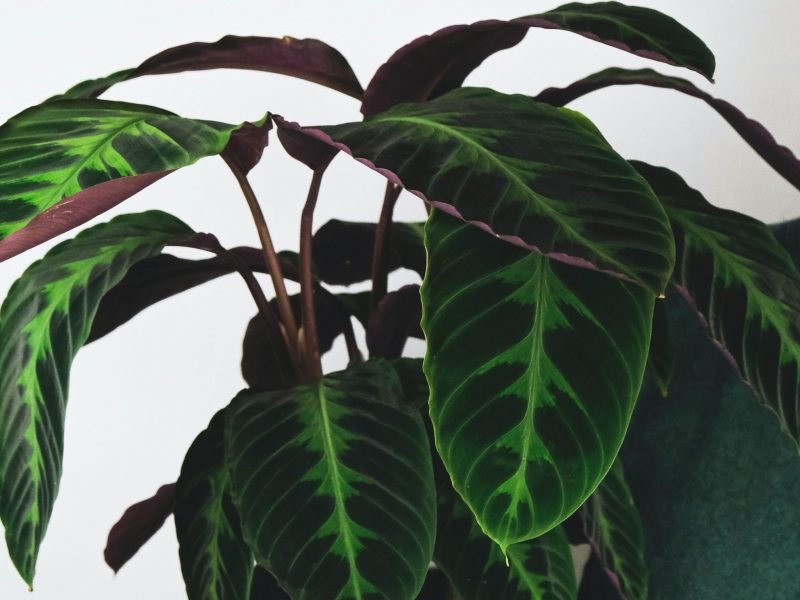
Common Calathea Jungle Velvet Problems | Causes and Solutions

Last Updated: April 9, 2022

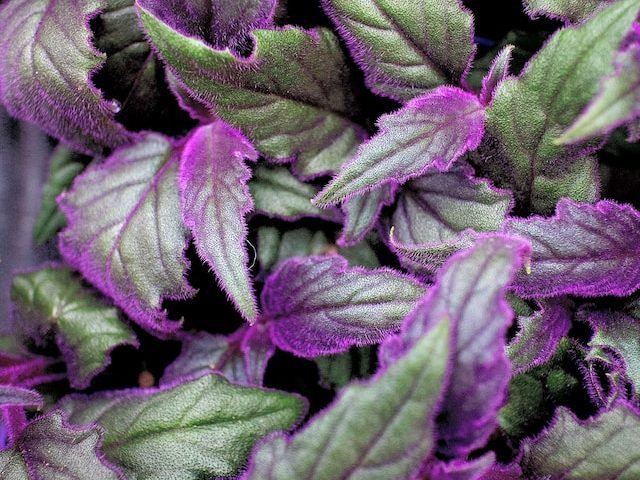
It can be pretty frustrating and worrying to find that your Calathea Jungle Velvet is struggling and you can’t figure out what’s causing it. Often there are quite a few different reasons why the same problems occur, so it’s all about knowing what specific signs to look for to make the proper diagnosis.

Below we will go over the 5 main problems that plant parents face when caring for a Calathea Jungle Velvet. This post also includes what you need to do to treat the problem properly, as well as how to prevent it from harming your plant again in future.

Causes of brown leaves on a Calathea Jungle Velvet

  1. Underwatering.

    Whilst this won’t cause brown leaves overnight, consistent underwatering will start to dry out the root system, which in turn dries out the stems and leaves on your Calathea Jungle Velvet, turning them brown. This will usually appear quite light brown in colour which is one way to tell if it’s being underwatered. To confirm this is the issue, check the moisture levels in the soil and see if the roots have started to crisp. If they have, this indicates that the issue has been going on for a while. Adjust your watering schedule moving forward but don’t drown your Calathea Jungle Velvet as this will cause shock and won’t solve the issue.

  2. Low humidity can cause brown leaf tips.

    Native to the tropical rainforests of Central and South America, Calathea Jungle Velvet plants love a humid environment and this often gets forgotten alongside watering and sunlight requirements. Luckily, this is an uneasy issue to prevent progressing any further as you just need to get into the habit of misting your plant with a spray bottle every few days or using a humidifier to keep a nice stable humidity level.

  3. Water sensitivity.

    Although this is quite a rare issue, if your Calathea Jungle Velvet has brown leaf tips and the issue isn’t humidity, then you should also consider sensitivity to chemicals in the tap water. If you live in a hard water area then this can be a real issue. One way to know if chemical sensitivity is the cause of the brown leaf tips on your Calathea Jungle Velvet is if the issue has been very slow to take a hold of your plant. It won’t happen from one day to the next, but over months if brown leaf tips are slowly occurring then this could be the problem. You might also be able to spot white salt-like powder on the roots or on top of the soil.

  4. Cold temperatures.

    It’s really important that you keep your Calathea Jungle Velvet away from areas that are often drafty. This can be both drafty doors/windows in winter or even air conditioning vents in summer. It’s best to invest in a digital thermometer if you don’t already have one to check that your Calathea Jungle Velvet is in a good spot temperature-wise.

Causes of yellow leaves on a Calathea Jungle Velvet

  1. Overwatering.

    Too much water is the most common factor in why Calathea Jungle Velvet plants turn yellow and we recommend ruling out this issue before looking at the others. Overwatering can very quickly harm your plant, so you want to treat this one as soon as possible to prevent more damage to the root system. Measure the moisture in the soil and replace it with fresh dry potting mix if needed. To prevent the issue from happening again, make sure that the soil has time to dry out between waterings.

  2. Direct sunlight can cause yellow patches.

    If watering isn’t an issue with your Calathea Jungle Velvet, and the yellowing on the leaves is quite patchy, rather than one solid yellow leaf, then it might be intense light that’s the cause. During summer, if your Calathea Jungle Velvet is too close to the window, the sun can actually burn the leaves, resulting in yellow patches. Although the yellowing is irreversible, moving your Calathea Jungle Velvet to a spot that doesn’t receive any direct light (bright, indirect is ideal) will stop any more yellow patches from developing.

  3. Natural ageing.

    If the rate of yellowing is quite slow, then it might simply be the natural ageing process that’s behind it. As your Calathea Jungle Velvet gets older, it will prioritise its energy for growing new bigger growth. This means that every year it will shed some of its oldest and smallest leaves. These leaves will often turn solid yellow before falling off your plant.

Why is my Calathea Jungle Velvet losing leaves?

  1. Low temperatures.

    Cold drafts can be very harmful to your Calathea Jungle Velvet and the stress caused can mean they lose a few leaves as a result. Use a thermometer to check the temperature around your plant and move them to a more suitable spot if required. Be wary of cracks in windows or external doors as when the temperature drops at night, this can be very harmful to your plant.

  2. Temporary shock.

    If you have recently moved your plant to a new spot, repotted it, propagated it or if it gets knocked around a lot by pets or children, then this stress can cause it to drop a few leaves. As long as the environment and care routine is giving your Calathea Jungle Velvet everything it needs, it should stop losing leaves after about a week. This stress/shock is temporary so monitor the rate of leaf drop.

  3. Natural ageing.

    If your Calathea Jungle Velvet is only losing a few leaves each year but nothing in the environment is changing that would indicate stress or fluctuations in temperature, then this leaf drop might be natural. This happens when your Calathea Jungle Velvet wants to focus its energy on new leaves so will lose some of its smallest and oldest leaves.

Why is my Calathea Jungle Velvet drooping?

  1. Underwatering.

    Although consistent underwatering can cause brown leaves on your Calathea Jungle Velvet, a drooping plant can often be the precursor to these more serious problems. This happens when the roots start to dry up, preventing your plant from getting what it needs to survive.

    Check the potting mix and root system to confirm before slowly reintroducing more frequent watering. Moving forward, it’s important to keep an eye on how much you are watering your Calathea Jungle Velvet by checking the moisture in the soil frequently.

  2. Overwatering.

    It might seem strange but the opposite can actually also cause your Calathea Jungle Velvet to droop down, so it’s very important to determine which is the cause. There would be nothing worse than watering an overwatered Calathea Jungle Velvet more because you thought it was being underwatered.

    As with underwatering above, check the soil to see if it is soggy or holding onto too much excess water and replace the wet soil with fresh mix. This will mean your Calathea Jungle Velvet can begin the recovery process and should stop drooping as the roots get stronger.

Causes of curling leaves on a Calathea Jungle Velvet

  1. Underwatering.

    Plants curl up their leaves as a way to retain as much moisture so your Calathea Jungle Velvet might have curling leaves due to underwatering.

    Measure the moisture in the soil (by using a moisture meter or another method) and if the soil is incredibly dry and the roots look and feel crispy, then give your plant a little bit of water once a day for a week before going back to a more regular schedule. Luckily, curling leaves are reversible if the issue hasn’t progressed too far, so you should see the leaves start to uncurl in a few days.

  2. Temperature extremes.

    If you’ve checked the potting mix and there aren’t any issues with the moisture levels, then high heat might be why your Calathea Jungle Velvet has curling leaves.

    Although they thrive in warmer environments, intense hotspots can dry out the plant and cause it to curl up. These can occur next to windows in summer but also near radiators and cookers.

The key to preventing all of these issues from progressing too far that you’re unable to revive your Calathea Jungle Velvet is to catch the problem early. Therefore, we recommend that each time your water your plant, you give it a quick once over, inspecting the leaves thoroughly. This will give you the best chance at quickly solving any issues that crop up.

Take a look through our Calathea Jungle Velvet care guide to find out more about how to best keep your plant happy and healthy.
Fiddle and Thorn is a participant in the Amazon Services LLC Associates Program, an affiliate advertising program designed to provide a means for sites to earn advertising fees by advertising and linking to Amazon.com

Take our houseplant survey!

Quickly respond to our 30 second houseplant survey and get 75% off our Complete Houseplant Care eBook!

Take the Survey

No thanks…

Common Calathea Dottie Problems | Causes and Solutions

Last Updated: April 9, 2022

With their dark pink-lined leaves, there’s no wonder that the Calathea Dottie has found itself deep in the hearts of so many plant parents globally. But they aren’t always the easiest plant to care for and it can become quite worrying when your Calathea Dottie starts to develop issues and you don’t know what’s causing them. What’s even more confusing is that a wide range of issues can actually cause the same problem with your Calathea Dottie so you need to know a few other things to look out for to properly diagnose the problem.

In this post, we will cover some of the most common problems that can occur with Calathea Dottie plants so you can not only treat the problem but stop it from harming your plant again in future.

Causes of yellow leaves on Calathea Dottie plants

  1. Overwatering.

    Too much water and waterlogged soil tend to be the most common reason why Calathea Dottie plants develop yellow leaves. If the roots are in waterlogged soil for too long they will start to rot, which cuts off your plant from needed nutrients, moisture and oxygen.

    If you have a moisture meter, you can use this to check the water levels in the soil, but otherwise taking your plant out of the pot and inspecting the soil will also help you determine if this is the cause of the yellow leaves. Make sure you leave enough time between waterings for the potting mix to dry out and this should prevent more yellow leaves in future.

  2. Intense sunlight levels.

    If you don’t seem to be overwatering your Calathea Dottie, then direct sunlight might be causing the yellow leaves on your plant. This mostly happens during summer when the sun is stronger and out for more of the day. If your plant is too close to the window then the sun can actually burn the leaves, causing yellow patches across your Calathea Dottie. Although the yellowing is irreversible, moving your Calathea Dottie to a slightly shadier spot will prevent any more yellow patches from forming.

  3. A pest infestation.

    A rarer but definitely more worrying cause of yellow leaves is a pest infestation and this is one cause that is especially important to catch early. Give your Calathea Dottie a thorough check with a magnifying glass to see if you can spot any bugs on the leaves. If you do spot pests on your Calathea Dottie, then move it away from all other plants immediately and treat with neem oil daily for a week or two.

  4. The natural ageing process.

    If none of the other causes fit with what’s happening with your Calathea Dottie, then it might simply be the natural ageing process. As your Calathea Dottie matures, it will sometimes lose a leaf or two and use that saved energy to grow new bigger leaves. Often these leaves will turn a solid yellow in colour before falling off your Calathea Dottie. This is nothing for you to worry about as long as the rate of yellowing continues to be a couple of leaves a year.

Why is my Calathea Dottie losing leaves?

  1. Low temperatures.

    A nice warm and stable temperature is key to keeping your Calathea Dottie happy and healthy and if your plant is exposed to cold airstreams then this can cause them to lose a few leaves. Keep your Calathea Dottie away from drafty doors and windows and at least 1 metre away from air conditioning vents during summer. We strongly recommend using a digital thermometer to check the temperature that all of your houseplants are in.

  2. Temporary shock or stress.

    Plants are sort of like people in that sudden and drastic changes in their environment stress them out quite a bit. This can lead to them losing a few leaves. Shock can be caused by a range of things, for example, moving your plant to a new spot, repotting it or propagation. The good thing about this though is that this stress should be temporary and you shouldn’t see your plant consistently lose leaves. Monitor the leaf loss to make sure that something else isn’t wrong.

  3. Natural ageing.

    As we mentioned above with yellow leaves, if your Calathea Dottie is only losing a few leaves each year but nothing in the environment is changing that would indicate stress, then this leaf drop might be natural. This will usually impact the oldest, lowest and smallest leaves and as long as your Calathea Dottie is growing more new healthy leaves then this isn’t a problem you need to worry about.

Why is my Calathea Dottie drooping?

  1. Too much water.

    Drooping leaves and stems are one of the early warning signs that your Calathea Dottie is being overwatered. This happens as the roots begin to rot a little and the stems become weakened. Inspect the potting mix immediately as if you are able to catch the issue early, then it can help you avoid more irreversible issues such as brown or yellow leaves. Moving forward to avoid your Calathea Dottie drooping again, make sure to allow the water to fully dry out before watering again.

  2. Too little water.

    Funnily enough, the exact opposite can cause the same problem and can cause your Calathea Dottie to droop. This happens when the roots begin to crisp up. Your first instinct might be to give your droopy Calathea Dottie a bucket full of water but this can actually be harmful if the soil moisture level changes suddenly. Instead, you want to reintroduce watering by giving your Calathea Dottie a bit of water each day for one full week and adjust your watering habits in future.

Causes of curling leaves on a Calathea Dottie

  1. Natural curling habits.

    Calathea Dottie plants naturally curl their leaves at night and unfold their leaves in the morning. This is where the term ‘Prayer Plant’ comes from as it looks as though the leaves are praying. It can be easy to mistake this curling for an issue but monitor the position of the leaves and if they uncurl during the day, then this isn’t a problem but just their natural trait.

  2. Underwatering.

    However, if you notice that the leaves are not uncurling and are permanently curled, then this indicates that there is something wrong with the care/environment that your plant is receiving. Curling up their leaves is one way that plants are able to retain as much moisture as possible so this can indicate underwatering. Inspect the soil to confirm the issue and adjust your watering habits accordingly.

  3. Temperature extremes.

    Another factor that can cause Calathea Dottie to curl up their leaves is temperature stress. This can be both extremely high and low temperatures so it’s best to use a digital thermometer to check that the environment is right for your plant. Things like drafts, air conditioning vents, radiators and cookers can lead to extreme temperature fluctuations.

  4. Low humidity levels.

    Calathea Dottie plants need a higher than average humidity level to properly thrive and can really struggle in rooms with dry air. Whilst this won’t cause an issue overnight, over time if the air continues to be particularly dry, it can result in your Calathea Dottie curling its leaves. Luckily there are quite a few different ways you can boost the humidity. We recommend misting and buying a humidifier but you can also try pebble trays and moving them into the bathroom (as long as you have good lighting in there).

Alongside good methods to solve the issue, the key thing about reviving your plant is actually spotting the issue early. This will give you the best chance at getting your Calathea Dottie back to full health. We recommend getting into the habit of checking over your plants each time you water them and maybe once a month doing a more in-depth check. This will help you spot any early warning signs and stop the problem from progressing enough to cause irreversible damage to your houseplants.

Check out our Calathea Dottie care guide to learn more about how to best care for your plant.

Fiddle and Thorn is a participant in the Amazon Services LLC Associates Program, an affiliate advertising program designed to provide a means for sites to earn advertising fees by advertising and linking to Amazon.com

Take our houseplant survey!

Quickly respond to our 30 second houseplant survey and get 75% off our Complete Houseplant Care eBook!

Take the Survey

No thanks…

Cleaning your Houseplant’s Leaves: The Ultimate Guide

Last Updated: March 10, 2023

Cleaning your houseplants is so commonly a missed step in the care routine but it can be super beneficial to their overall health. In this guide, we will take you through why you should be regularly cleaning your plants, as well as how to do it and what to look out for along the way.

Why is it important to clean your houseplants’ leaves?

Cleaning your houseplants’ leaves is crucial to their overall health. If there is a build-up of dust and dirt on the leaves then this can actually block some of the sunlight.

You might not think so because it’s not totally covered up by dust, but even small particles can have an impact. When your plant is getting less light, it slows down photosynthesis which is when your plant turns sunlight into energy. When your plant can’t photosynthesise as well, it can lead to a stressed-out plant and slower/less healthy new growth.

Alongside enhancing photosynthesis, cleaning the leaves of your houseplants also makes them look better! Dusty leaves can look quite dull and just by giving them a quick clean, you can bring a lot more vibrance into the room.

So how do you go about cleaning them? Well, there are a few key things to know to make sure that you aren’t damaging your plants whilst cleaning them. We’ll go through everything you need below.

Signs that it’s time to clean the leaves on your houseplant

  • If you rub the leaves gently with your fingers and a layer of dust comes off, then it’s definitely time that you clean the leaves. This can build up naturally but is also really common after building works of any kind in your home.

  • If you notice any sticky residue on your plants then it’s important this is removed. It’s also worth checking if there are any signs of pests that might have caused this residue, or if it came from something falling onto your plant.

  • If you notice any pests then one of the ways to treat the issue is to give your entire plant a clean and a wash. But even if you haven’t spotted pests yet, doing this regularly can help prevent an infestation.

How to clean the leaves on your houseplants

There are quite a few different methods you can use to successfully clean the leaves of your plants. Not every method will be suitable for all plants (for example, plants with small delicate leaves need to be handled very carefully). But don’t worry, we’ll explain all with each different method.


Wipe the leaves over with a soft dry cloth

For an everyday quick clean, we recommend using a soft dry cloth to wipe over the leaves. This will remove any dust and leave the leaves looking and feeling a lot fresher. This method can be used on most houseplant types, but we recommend against it for plants with super small delicate leaves such as the String of Hearts. It would simply be impossible to go over each leaf and even the smallest touch can damage the stems and the leaves.

When wiping over the leaf, we recommend using your other hand to press up from underneath the leaf. This gives it a bit more stability and means you don’t put all of the weight on the stem joint which can sometimes damage the plant.

Wipe the leaves using a damp cloth

If the leaves haven’t been cleaned for a while, or have become super dirty after building work, for example, then using a damp cloth will work better to remove the grime. Use lukewarm water to avoid shocking the plant and gently wipe over, the same way you would when using a dry cloth.

If this still isn’t getting the dirt off your houseplants, then you can add a small drop of washing up liquid into the water. This will help remove the dust and grime from the leaves but is still a very gentle cleaner.

Use a very soft-bristled brush or feather duster

For plants that either have very delicate leaves or stems (or both), then a feather duster or very soft-bristled brush works best. This will remove the dust without needing to go over every leaf individually or put any pressure on the leaves.

The only thing you need to be careful of is brushing any pests across your houseplants. Whilst this is quite rare, if there are pests living on one of your plants without you realising it, feather dusters can spread them around quite a bit. To avoid this, make sure to check over your plants regularly for signs of pests and dust each plant in isolation, away from your other plants.

Shower your houseplant

Showering is a great way to clean your plant, lift the humidity and get rid of any potential pests all in one go. This is only suitable for plants with very strong leaves and stems as otherwise, you will likely cause damage.

We have three main tips when it comes to showering your houseplants. Firstly, make sure you only wash your plants with lukewarm water. Cold or hot water can shock or burn your plant which is less than ideal.

Secondly, keep the water pressure fairly low. The level depends a lot on what type of plant you are showering as some can deal with a higher water pressure than others. But be careful with this.

Lastly, once you’ve showered your plant, make sure that you let the excess water drain out from the pot for about 15 minutes, before returning it to its usual spot. You don’t want your plant’s roots to be sitting in pools of water as this can cause root rot.

Submerge your houseplant in water

If you want to wash your plant down but it has quite weak stems, or you’re worried about getting the water pressure right, then submerging your plant is a great alternative. Grab a container large enough to cover your plant and fill it with lukewarm water. Then slowly lower your plant into the water and submerge for a few minutes. Remove and let it drip dry before returning your plant to its usual spot.

Can I use leaf shine to clean my houseplants?

We actually advise against using leaf shine or products with chemicals in when cleaning your plants. Some products can actually clog up the little pores in your plant’s leaves, meaning they can’t breathe (take in carbon dioxide) as well as they need to survive. There are some better leaf shine products out there that don’t do it as much but for us, it’s not worth the risk.

Using harsh chemicals can also eat away at your plants, causing holes or discoloured patches on your plants. This is why we tend to only recommend washing up liquid to remove anything that water won’t on its own.

Tips on how to maintain clean houseplant leaves

Get into a dusting routine

It’s best to get into the habit of dusting your leaves with a dry or damp cloth about once a month. You might find some rooms are dustier than others which means some plants might need more or less attention when it comes to cleaning, but on average once a month will prevent dust from building up too much.

By keeping on top of it regularly, it reduces the need for larger deep cleans and helps keep photosynthesis levels where they should be.

Ventilate your home well

To prevent lots of dust from settling onto your houseplants, ensure that the rooms have good ventilation. This helps keep the air moving which has a range of benefits for your houseplants including temperature control and keeping the humidity up. A well-ventilated room doesn’t mean a drafty one though so watch out for any drafts that might be damaging your plants.

Buy an air purifier

Alongside creating nice clean air for you, air purifiers can help remove dust and toxins from the air that will keep your houseplants looking and feeling fresher. A great investment for your home and one that’s benefitted us and our plants a lot over the years.

Find a better spot for your houseplants

FiId that a few of your plants are just getting a lot dustier and dirtier than others? It might be because of where they are in your home. You might need to relocate your plants to a better spot to keep them cleaner and healthier.

Mist your plant’s leaves

Misting is a great way to not only boost the humidity, but to remove dust from your plant’ leaves. It’s important that you only do this to plants that need medium to high humidity levels and reduce the level of misting during winter. Cold damp leaves invite leaf rot which isn’t ideal.

Mist your plants in the morning so that there’s enough time for the water particles to evaporate before it gets cold and dark.

Move plants when you’re having building works

Dust from renovations can be a really big problem for houseplants and they hate being covered in a thin layer of dust and debris. If you are having work done, make sure to move your houseplants as far away as possible.

Whilst it’s not ideal, another good way to keep your plants away from dust is to cover them with a sheet. This is only really an option for a day or so as the lower light level can start to impact them pretty quickly. Top tip: use a transparent sheet to cover your plants as this way they still get some sunlight whilst being sheltered from the renovations.

We hope our guide to cleaning your houseplants has been useful and you now know how and why to keep the leaves free from dust and dirt. We find that keeping on top of regular dusting really helps to prevent the need for a longer more intense clean and means our plants stay vibrant.

You might think that it’s only valuable to clean your plants in spring and summer as growth levels dip during the colder months of the year, but cleaning in winter is just as important. Because the sun is out for less of the day and is weaker overall, you need to make sure you are maximising the light available.

This is why you’ll often see us recommend that you move your plants a little closer to the window in winter. Cleaning the leaves and removing any particles that will block out the sun can also help your plant receive as much sunlight as possible!

Fiddle and Thorn is a participant in the Amazon Services LLC Associates Program, an affiliate advertising program designed to provide a means for sites to earn advertising fees by advertising and linking to Amazon.com

Take our houseplant survey!

Quickly respond to our 30 second houseplant survey and get 75% off our Complete Houseplant Care eBook!

Take the Survey

No thanks…

Cinnamon for Houseplants: Why and How to Use It

Last Updated: October 24, 2023

Cinnamon for Houseplants

Cinnamon for Houseplants

Who knew your favorite spice and kitchen staple could do so much more than just enhance flavor in food? Cinnamon turns out to be beneficial for houseplants too! Below we will walk you through what cinnamon can do for your houseplants, as well as how to use it and what to be cautious of.

Understanding How Cinnamon Works as a Natural Fungicide

Cinnamon isn’t just for your favorite baked goods and savory dishes, it can also be great for plant care, particularly as a natural fungicide.

Cinnamon contains a chemical compound known as cinnamaldehyde and this little component is known to have antimicrobial properties, and it’s exactly what makes cinnamon a potent natural fungicide.

When applied to the soil, Cinnamaldehyde inhibits fungal growth and prevents the disease from spreading to other parts of the plant or contaminating the neighboring plants.

One of the best things about using cinnamon as a fungicide is that it’s totally non-toxic to plants. There’s no risk of harming your green friends if used correctly.

How often should you use cinnamon as afungicide?

The answer depends on the degree of the fungal infection. For minor issues, sprinkling cinnamon once every month or so should do the trick.

But if your plant has a more severe infection, it might require more frequent applications, perhaps once every week until the fungus clears up.

You’ll need to observe your plants closely and adjust the treatment frequency as needed, keeping in mind not to overuse it.

What about cinnamon oil?

Can you use cinnamon oil instead of the powdered form? Absolutely.

Cinnamon essential oil has a higher concentration of cinnamaldehyde, making it even more effective against fungus. However, it must be diluted; otherwise, it could harm your plants.

Just add a few drops to a spray bottle filled with water and you’ve got yourself a homemade, highly effective anti-fungal plant spray.

Using Cinnamon to Boost Root Growth and Development

Cinnamon has proven to be quite effective in boosting root growth and development for houseplants by producing hormones that spur root proliferation.

But how do you go about using cinnamon for root growth? You simply sprinkle the ground cinnamon around the base of the plant where the roots begin.

The plant absorbs the cinnamon, which then catalyzes root development. It’s that easy!

Top tip: Mixing cinnamon with warm water and letting your plants have a drink can also work really well.

Aiding Cuttings and Seedlings Using Cinnamon

Beyond mature plants, cinnamon can also aid cuttings and seedlings. Dipping the stem of a new cutting or the roots of a new seedling into cinnamon can help them take root more quickly.

It’s important to remember though that while cinnamon is a powerful and natural supplement for your houseplants, using it should be balanced as you don’t want to overload your plants.

Enhancing Nutrient Absorption with Cinnamon

Cinnamon improves the nutrient uptake process by promoting beneficial soil bacteria while inhibiting harmful ones.

How to Use Cinnamon for Better Nutrient Absorption?

The application process is surprisingly simple. Sprinkle a light layer of cinnamon on the top soil and gently mix it in. Over time, your plants will benefit from the increased availability of necessary nutrients.

However, it’s essential to remember that cinnamon is best used as a complementary aid to plant nutrition. It should not replace a balanced fertilization regimen exclusive for your indoor plant species.

Combined with regular watering, adequate sunlight, and the right soil, cinnamon can be the extra boost your indoor plants need to thrive.

Protecting Houseplants from Insects and Pests Using Cinnamon

While insects and pests can be a considerable problem for indoor plants, cinnamon can often be the answer to fighting and preventing them.

Why Do Insects Hate Cinnamon?

It turns out that many insects greatly dislike the strong aroma of cinnamon. Although researchers are not fully confident about why this is, they believe it’s due to cinnamon’s potent scent, which can be overwhelming.

How to Use Cinnamon for Pest Control

Using cinnamon as a pest deterrent is surprisingly simple. You can sprinkle a light dusting of cinnamon powder on the surface of the soil surrounding your plants – a thin layer is enough.

This creates a barrier that will repel many types of insects. Alternatively, you can mix five to six sticks of cinnamon in a liter of water, let it steep overnight, and use this cinnamon-infused water to water your plants.

This method not only deters pests but also offers the additional benefits of cinnamon to the plant’s roots and soil.

Limitations of Cinnamon as a Pest Deterrent

While cinnamon is a natural and safe method to deter pests from your houseplants, it’s important to note that it may not work on all species of insects so it’s not a definitive solution.

Promoting Healthy Soil with Cinnamon

Cinnamon is not just great because it wards off pests and disease-causing fungi, but it also enriches the soil, which leads to healthier and happier houseplants.

Cinnamon aids in controlling and preventing certain soil-borne diseases. It makes the environment safe for your plants to get nutrients without the threat of being invaded by harmful microbes.

Another useful quality of cinnamon is its ability to retain the soil’s moisture by reducing the rate of evaporation.

How to Use Cinnamon for Soil Health

To prepare a soil mix, sprinkle a good amount of cinnamon powder in the soil or compost you’re about to use for planting. Mix it well to ensure the cinnamon is well distributed.

Another way to introduce cinnamon to your soil is by making a cinnamon solution. Mix a spoonful of cinnamon powder in water and use it to water your plants. You can use this solution once a week or less, depending on the needs of your plants.

Choosing the Right Type of Cinnamon for Your Houseplants

The Basics: Ceylon vs. Cassia

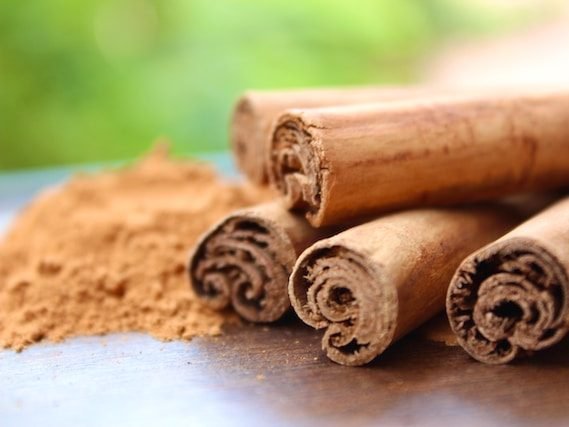
There are mainly two types of cinnamon readily available in the market: Ceylon Cinnamon and Cassia Cinnamon. Although both are beneficial for your plants, they have different aspects which can be more suitable depending on your specific needs.

Ceylon Cinnamon, often referred to as “true” cinnamon, is mildly sweet and is the recommended choice if you are mainly focusing on enhancing your plant’s root growth and boosting nutrient absorption.

Characterized by thin and fragile layers, it’s easy to grind into powder – making it easy to mix with soil.

On the other hand, the stronger, spicier Cassia Cinnamon makes an excellent choice if your primary concern is fighting fungal diseases or warding off insects thanks to its antifungal properties.

This type of cinnamon comes in thick and rough chunks, which work well when sprinkled on the soil’s surface or within it.

Other Considerations: Organic vs. Regular Cinnamon

Organic cinnamon is harvested and processed without synthetic pesticides and fertilizers, making it the best choice for our eco-conscious gardeners.

Plus, it’s also good practice to cross-check that your cinnamon hasn’t been irradiated, as this process can kill the beneficial elements that are beneficial to your plant.

Applying Cinnamon as a Topical Treatment for Plant Wounds

It can happen from time to time that our houseplants suffer from accidental injuries like cuts or scrapes which could occur when pruning your plants, repotting, or even due to pets in the house.

High humidity can make these wounds prime real estate for fungal infections. However, this is another area where cinnamon can be really handy for houseplant care.

Cinnamon: ANatural Antiseptic for Plant Wounds

Cinnamon can act as an antiseptic due to a compound known as cinnamaldehyde, which is found in cinnamon and gives it its characteristic warm, spicy aroma.

This compound has antifungal and antibacterial properties making it an excellent choice for treating plant wounds.

Applying Cinnamon to Houseplant Wounds: A Step-by-Step Guide

Here is how you can go about it.

  1. First, clean the wound. Remove any dirt or debris from the injured area meticulously.
  2. Then, sprinkle a small amount of cinnamon powder directly onto the wound.
  3. Ensure that the wound is entirely covered with the cinnamon.
  4. If necessary, you can reapply cinnamon every few days until the wound appears to be healing properly.

Safety Measures and Considerations

While cinnamon is generally safe and beneficial for plants, it’s important to bear in mind a couple of things.

Firstly, always handle your plants with care to prevent unnecessary wounds and injuries. Secondly, not all plants may respond to cinnamon in the same manner, so it’s worth doing a small test patch first, especially on sensitive plants.

Downsides of Using Cinnamon for Houseplant Care

Cinnamon might seem like a miracle spice for struggling greenery, but as with everything, moderation is key and it’s essential to understand that not every plant problem can be solved with a sprinkle of cinnamon.

Overuse of cinnamon can prove harmful. Using too much of it, especially directly on plant parts or in the soil, could disrupt the natural balance and potentially burn plant tissues.

Another point to consider is that cinnamon is not a quick fix. While it does have amazing properties that benefit your houseplants, these effects are not immediate. It’s a preventive and a slow healer, not an instant remedy.

If a plant has a severe infection or infestation, a stronger course of treatment might be necessary rather than just cinnamon.

It’s also good to keep in mind that it’s not useful against all pests. While it is effective against certain types of fungus and pests, not all pests will be deterred by cinnamon. You’ll need to identify the type of pest and then decide the most effective form of treatment.

Frequently Asked Questions

Can I use any type of cinnamon for my houseplants?

Typically, both Ceylon and Cassia types can be used for houseplant care. However, it’s essential to note that each gives a slightly different set of benefits.

Ceylon Cinnamon is the recommended choice if you are focusing on enhancing your plant’s root growth and boosting nutrient absorption.

The stronger, spicier Cassia Cinnamon is great if you’re fighting fungal diseases or warding off insects thanks to its antifungal properties.

While deciding, consider whether organic or regular is more fitting for your needs, and don’t forget to check the freshness!

Will cinnamon harm my houseplants if I use it too often?

Cinnamon, just like any other plant treatment, can have counterproductive effects if overused. Though it’s a natural substance, overapplication could stress the plant. It’s best to start off lightly, observe how your plant responds, and adjust accordingly.

Is cinnamon effective against all types of pests?

Unfortunately, no. While cinnamon can ward off several insect species, it’s not a one-size-fits-all solution to all insect-related problems. This spice mostly deters ants and fungus gnats. For larger pests and a wide range of insects (or a very serious case of an infestation), a tougher solution might be necessary.

Can Iuse cinnamon in conjunction with other treatments?

Yes! In fact, that’s one of the advantages of using cinnamon. It’s safe to mix with most organic and artificial treatments. However, as always, it’s important to first test a small dose and observe your plant’s reaction before proceeding with larger applications.

Fiddle and Thorn is a participant in the Amazon Services LLC Associates Program, an affiliate advertising program designed to provide a means for sites to earn advertising fees by advertising and linking to Amazon.com

Take our houseplant survey!

Quickly respond to our 30 second houseplant survey and get 75% off our Complete Houseplant Care eBook!

Take the Survey

No thanks…

Christmas Tree Care: How to Keep Your Tree Green and Fresh Throughout the Holidays

Last Updated: October 16, 2023

Christmas Tree Care

Christmas Tree Care

Why Keeping Your Christmas Tree Green is Important

As the holiday season rolls around, the vibrancy of your Christmas tree plays a pivotal role in setting the festive mood. A lush, green Christmas tree not only enhances the aesthetic appeal of your holiday decor, but it also brings a sense of liveliness and warmth to the celebrations.

Choosing the Right Tree Species for Longevity

Choosing the right tree species for your Christmas decoration is a critical first step to ensuring your tree stays vibrant and green throughout the holiday period. It’s essential to understand that not all trees are equal. Some species have better needle retention abilities and can withstand indoor conditions far better than others.

The Fraser Fir

The Fraser Fir is highly sought after for its superior needle retention and delightful fragrance. Its blue-green needles are soft to the touch, making it an excellent choice for households with children or pets.

The Balsam Fir

The Balsam Fir is another species that’s known for its longevity. It has lush, dark green needles and a strong, spicy aroma that fills the room with the scent of the holiday season.

The Douglas Fir

Douglas Fir is a traditional choice, loved for its dense, bushy appearance and sweet fragrance. However, it requires a bit more care to keep it looking its best for the entire holiday season.

Buying a Fresh Christmas Tree

Choosing a fresh Christmas tree is the first step towards ensuring its longevity and vibrant green appearance throughout the holiday season. The quality of the tree at the time of purchase plays a significant role in how well it will retain its freshness.

Signs of a Fresh Christmas Tree:

  1. Color: A fresh Christmas tree has a vibrant green color. Brown patches are an indication that the tree is drying out or has been cut a while ago.
  2. Needles: The needles should be firmly attached to the branches. A way to check this is by running your hand along the branch. If many needles fall off, it’s a sign that the tree is not fresh.
  3. Aroma: Fresh Christmas trees have a distinct pine aroma. If the tree doesn’t smell, it could mean that it’s not as fresh as you’d like it to be.

It’s also crucial to buy your tree from a reputable seller as they usually have a better tree turnover that ensures their trees are not sitting for long periods, thus maintaining their freshness.

Storing the Tree Before Bringing it Indoor:

For those who buy their tree early, proper storage is necessary to keep it fresh. Keep the tree in a cool, shaded area like a garage or shed. Avoid storing it in an area that gets direct sunlight, as the heat can dry it out (especially if you live somewhere that has Christmas fall over summer).

It’s also wise to place the tree in water as soon as you get it home. A bucket of water will suffice. This keeps the tree hydrated, keeping it green for longer.

Preparing Your Tree before Decorating

Before you start decorating, there are a few crucial steps we recommend you take to prepare your tree to help your tree stay vibrant and green for a longer period.

Cut the Trunk

Once you’ve chosen your tree, make a new fresh cut straight across the trunk about half an inch from the bottom. This process allows the tree to absorb water more efficiently, thus maintaining its green hue. Remember, your tree will absorb the most water within its first few hours of being cut, so it’s important to put it in water immediately after this step.

Water Your Tree

Keeping your tree well-hydrated is key to preserving its lush green color. Place your tree in a stand that can hold at least one gallon of water. Water the tree as soon as possible after making the cut, and continue to check the water level daily. Your tree should never be allowed to dry out as it can cause the needles to brown and drop prematurely.

Keep Your Tree Cool

Position your tree away from heat sources, such as fireplaces, radiators, heating vents, and even direct sunlight. Excessive heat can cause your tree to dry out faster, resulting in a dull and faded color. A cooler environment will help your tree retain moisture and stay green longer.

Use LED Lights

When it comes to lighting your tree, choose LED lights over traditional incandescent bulbs. They produce less heat and are less likely to dry out your tree. Plus, they’re energy-efficient, making them a great choice for the environment as well as your tree’s longevity.

Watering Your Tree Correctly

Watering your Christmas tree correctly is an essential part of ensuring it stays fresh and green for as long as possible. The process may seem straightforward, but there are certain tips and tricks you might not be aware of.

Firstly, it is important to check the water level in your tree stand every day. If the water level falls below the base of the tree, the cut end may seal itself and restrict further water intake. Remember to keep the stand filled with water at all times.

Pro tip: Use a tree stand that has a large water reservoir. A stand that holds at least one gallon of water is recommended for most trees.

Secondly, the temperature of the water should be room temperature water to avoid shocking or burning your trees stump.

Key Takeaways

  1. Check your tree’s water level daily.
  2. Use a tree stand with a large water reservoir.
  3. Water temperature isn’t critical; room temperature water will suffice.

Remember, a well-hydrated tree not only looks better and stays green longer, but it’s also less of a fire hazard!

Adding Nutrients to Keep Your Tree Fresh

Keeping your Christmas tree fresh sometimes requires more than just water. The tree absorbs essential nutrients from soil in its natural environment, and when you bring it indoors, it will need the same vital nutrients to stay green and healthy. Adding these nutrients to your tree’s water can help maintain its freshness for longer.

Tree Nutrient Supplements

There are a variety of commercial Christmas tree nutrients and preservatives available on the market. These products often contain a blend of ingredients such as:

  • Nitrogen – for promoting healthy green color
  • Phosphorus – for aiding root development and growth
  • Potassium – for improving overall vigor and resistance to stress

While these can be beneficial, it’s worth noting that not all trees respond the same way to these additives. Therefore, it’s crucial to follow the product instructions and monitor your tree’s response.

Alternative Natural Nutrients

If you prefer a natural approach, there are several household items you can use to supplement your tree’s water:

  1. Sugar: Adding a few tablespoons of sugar to the water mimics the tree’s natural sap and provides it with a source of energy.
  2. Corn Syrup: Much like sugar, corn syrup can serve as a makeshift sap to feed your tree.
  3. Aspirin: Some people swear by adding a crushed aspirin to the tree water. It’s thought to help the tree absorb water more efficiently, though scientific evidence for this is limited.

Remember, the key to using these alternatives is moderation. Too much of any additive can do more harm than good. Also, ensure your tree has plenty of fresh water, as no amount of nutrients can compensate for a lack of hydration.

Monitor and Adjust as Needed

Monitor your tree’s health regularly and adjust your nutrient additions as needed. If you notice browning needles or a slowdown in water consumption, it may be time to reassess and adjust how much or frequently you are giving your plant nutrients.

Avoid Heat Sources That Can Dry Out Your Tree

When choosing a place for your Christmas tree, our number one rule is to avoid areas near heat sources. Direct heat can cause your tree to dry out faster, causing it to lose its vibrant green color and causing needles to fall off prematurely. Here are a few heat sources you should steer clear of:

  • Fireplaces: While the image of a Christmas tree near a roaring fireplace may be cozy, it’s not ideal for the longevity of your tree. The heat from the fire accelerates the drying process, making the tree less green and more likely to shed its needles.
  • Heaters: Much like fireplaces, heaters can also speed up the drying process of your tree. Always ensure your tree is positioned at a safe distance from any kind of heating device.
  • Sunlight: Direct sunlight can also be a culprit in drying out your Christmas tree. Try to place your tree in a location that doesn’t receive intense sunlight for prolonged periods.

Keeping your tree away from these sources of heat will significantly lengthen its lifespan, ensuring it remains green and vibrant for the entire holiday season.

What About Lights?

Christmas lights, particularly older ones, can produce a significant amount of heat. When decorating your tree, opt for LED lights which produce less heat and are much safer for a live tree. They also consume less energy, making them a more economical and environmentally friendly choice.

Note: Always remember to switch off and unplug your Christmas tree lights when not in use. This not only prevents unnecessary heat but also reduces the risk of a fire hazard.

By carefully considering the placement and decoration of your Christmas tree, away from direct heat sources and using LED lights, you should be able to keep your tree green for longer.

Minimizing the Impact of Sunlight on Your Tree

Although trees naturally thrive in the sun, excessive light exposure can cause your indoor Christmas tree to dry out and lose its vibrant green hue. Here are some strategies to minimize the impact of sunlight on your tree.

Positioning Your Christmas Tree

Where you place your Christmas tree in your home can significantly affect how much sunlight it receives. It’s advisable to avoid positioning your tree near windows where it can be exposed to direct sunlight.

Such locations can increase the rate at which your tree dries out. Instead, pick a cool, shaded spot in your home that doesn’t receive much direct sunlight.

Using Window Treatments

Another effective way to minimize sunlight exposure is by using window treatments. These can range from curtains, blinds, or drapes to more advanced solutions like tinted window films.

A well-placed curtain can significantly reduce the amount of sunlight that reaches your tree, helping to keep it green for longer.

Regular Rotation

Regularly rotating your tree can also help to evenly distribute sunlight, preventing one side from becoming excessively dry or discolored. Try to rotate your tree a quarter turn every couple of days to ensure even exposure.

Keeping Your Tree Away from Drafts

Keeping your Christmas tree away from drafts is a crucial step in maintaining its vibrancy for an extended period. Drafts can accelerate the drying out process, leading to a prematurely brown or drooping tree.

Large temperature fluctuations and drafts, often found near windows, doors, and heat vents, can cause undue stress to your tree.

  • Position Away from Doors and Windows: When setting up the tree, avoid placing it near doors and windows. These areas are often the source of drafts and cold air, which can speed up how quickly your plant dries out and turns brown.
  • Insulate Your Tree: If it’s not possible to keep the tree away from drafty areas, consider using a draft blocker or insulating curtains. These can help maintain a consistent temperature around your tree.
  • Avoid Heat Sources: Fireplaces, radiators, and heating vents can also create drafts and dry out your tree. The heat radiated from these sources can cause your tree to lose moisture quickly. Placing a digital thermometer around your home can help you to pick out the best spot. Ideally, you want to do this before you’ve decorated your tree as they can be difficult to move afterwards.

By being mindful of where you place your tree, you can significantly reduce the exposure to drafts and keep the tree looking lush and green for much longer. Remember, maintaining a consistent and cool environment is crucial to preserving your tree’s freshness.

Fiddle and Thorn is a participant in the Amazon Services LLC Associates Program, an affiliate advertising program designed to provide a means for sites to earn advertising fees by advertising and linking to Amazon.com

Take our houseplant survey!

Quickly respond to our 30 second houseplant survey and get 75% off our Complete Houseplant Care eBook!

Take the Survey

No thanks…

How to Grow and Care for a Chocolate Soldier Plant

Last Updated: October 16, 2023

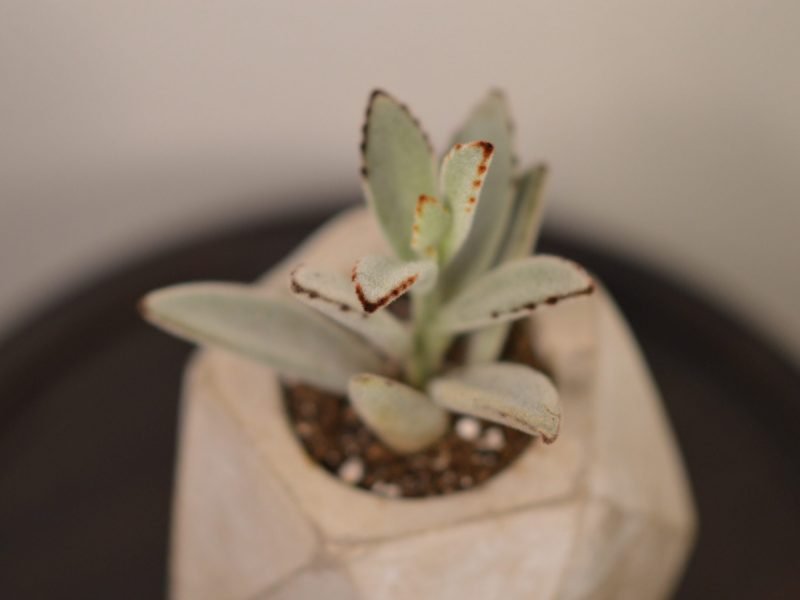
Small Chocolate Soldier Plant

Chocolate Soldier Plant in a small concrete planter

Chocolate Soldier Plants are popular succulents as they are super low effort and easy to care for. They have a few specific requirements when it comes to light level and water but other than that, you don’t need to worry about much!

Native to Madagascar, these succulents are part of the Crassulaceae family (also known as the Stonecrop family). They can be easily identified through their pale green fuzzy leaves that have brown spots lining the rim of each leaf.

Known sometimes by their Latin name of Kalanchoe tomentosa, they are commonly called either the Chocolate Solider Plant, Panda Plant or Pussy Ears.

How to Care for a Chocolate Soldier Plant

Other than their gorgeous leaves, these plants are loved for their easy care routine and adaptability. When it comes to sunlight, bright but indirect light is best. A lot of succulents love the warm direct summer rays but these plants don’t like it so much and can become scorched if placed in intense light.

The other important thing to remember is to water your Chocolate Soldier Plant infrequently. These plants need their potting soil to fully dry out between waterings which is why we recommend watering deeply but not very often.

We’ll go into both of these points as well as plenty of other care guidance below!

Chocolate Soldier Plant Overview

Origin: Madagascar

Latin Name: Kalanchoe tomentosa

Common Name(s): Chocolate Solider Plant, Panda Plant, Pussy Ears.

Plant Family: Crassulaceae family (also known as the Stonecrop family)

Difficulty Level: Easy

Appearance: Green fuzzy leaves that have brown spots lining the rim of each leaf.

Height and Size: Maximum height of 2 feet (30cm)

Growth Rate: Slow-growing

Flowering: Small red flowers when grown outdoors, rare for it to bloom as a houseplant.

Pruning: Only to remove dead or dying leaves

Cleaning: Use a soft-bristled brush or feather duster to remove dust.

Light Requirements: Bright but indirect.

Water Requirements: Deep but infrequent watering.

Best Soil: Well-draining cacti and succulent potting mix

Ideal temperature: 65-80? F (16-27?C)

Fertilizing Routine: Apply a water-soluble fertilizer once a year, in late spring.

Ideal Humidity Level: 30-50% humidity

Propagation: Through leaf cuttings

Repotting Frequency: Every 2-4 years

Toxicity: Toxic to pets and humans

Risk of Pests: Spider mites and mealybugs

Common Problems: Brown, yellow or soft leaves

Origin of a Chocolate Soldier Plant

Native to Madagascar, Chocolate Soldier Plants are slow-growing compact succulents.

Plant Family

Chocolate Soldier Plants are part of the Crassulaceae family (also known as the Stonecrop or Orpine family). This is a diverse family of flowering plants that are characterised by not only their succulent leaves but by their own unique form of photosynthesis, called Crassulacean acid metabolism.

Latin and Common Names

The Latin name for this succulent is Kalanchoe tomentosa but they are commonly known as either the Chocolate Solider Plant, Panda Plant or Pussy Ears.

Chocolate Soldier Plant Appearance

They can be easily identified through their pale green fuzzy leaves that have brown spots lining the rim of each leaf. They are compact succulents with slightly concave narrow leaves. The thin short hairs that cover the small leaves give it a furry texture and make it almost look velvety.

Chocolate Soldier Plant Height and Size

These are compact plants that will only grow to about 2 feet (30cm) in size. The individual leaves are also very small, on average only a few centimetres in width and length.

Care Difficulty Level

Chocolate Soldier Plants are easy to care for and adaptable to a range of environments.

Growth Rate of a Chocolate Soldier Plant

Chocolate Soldier Plants are slow-growing succulents so don’t expect more than a few new leaves each year. However, there are a few benefits to this as it makes them perfect for smaller spaces and you don’t need to worry about repotting for a while.

Flowers on a Chocolate Soldier Plant

When grown outdoors in their ideal environment, they can develop small red flowers in spring and summer. However, it is very rare for them to bloom when grown indoors as houseplants.

Pruning your Chocolate Soldier Plant

They do not need regular pruning and we only recommend trimming your plant back if it has developed brown, yellow or soft leaves. Once the leaf has started to die, the damage to that leaf is irreversible. Pruning it will allow your plant to refocus that energy on producing new healthy leaves rather than trying to keep the dying ones alive.

When pruning, make sure that you use clean, sharp scissors to avoid transferring bacteria into the cut. You should also wear gloves as Chocolate Soldier Plants are toxic.

Cleaning your Chocolate Soldier Plant

It can be difficult to properly clean these plants as they have very small furry leaves. Wiping them with a cloth can damage them so we recommend a soft-bristled brush or feather duster to remove any dirt or dust from your plant.

It’s important to keep your plant clean as dust not only forms a thin barrier between the leaf and sunlight, but it can also clog up the pores, making it harder for your plant to ‘breathe’.

@plantsofjoyvip on Instagram

Mother Chocolate Soldier Plant

Chocolate Soldier Plant Light Requirements

Keep your Chocolate Soldier Plant away from intense bright sunlight during summer. Instead, bright but indirect light is best to prevent the leaves from becoming burnt and scorched. This is slightly different to a lot of other succulent types who love bright sunshine so it can be something that a lot of plant parents get wrong with these plants.

You can place your plant in direct sunlight during winter as the sun is a lot weaker (and around for less hours each day) but if you are doing this, then remember to relocate your plant in spring to avoid burning and/or drying out your succulent.

Chocolate Soldier Plants don’t survive well in low-light areas and will start to become leggy before losing leaves and eventually dying.

If you do find this to be an issue (particularly over winter which can be unavoidable), then it’s best to supplement the light level with an LED grow light. These are not only great at getting your houseplants through the darker months of the year but then can help to stimulate and strengthen growth when propagating your plants.

Chocolate Soldier Plant Water Requirements

Chocolate Soldier Plants need their potting mix to fully dry out between waterings as they are very sensitive to root rot. Because of this, it’s best to water deeply but infrequently rather than little but often.

Always make sure that the potting mix has fully dried out either by using a moisture meter, the finger method or the lifting method.

Avoid using a watering schedule with these plants as there are so many factors that can cause the potting mix to dry out faster or slower (eg. pot size, temperature and light level just to name a few). This is why you want to be adjusting how often you water according to the moisture level.

Too much or too little water can cause brown and soft leaves to develop on your plant so make sure to find a good balance and adjust depending on the seasons. You want to be watering less during the colder, darker months as your plant will be dormant.

Dry brown leaves can often indicate underwatering, whereas if the leaves on your Chocolate Soldier Plant are dark brown and soft, then you may be overwatering.

Best Soil for a Chocolate Soldier Plant

Choose a well-draining, high-quality, nutrient-rich potting soil for your Chocolate Soldier Plant. Ingredients such as perlite will help with drainage to prevent waterlogged soil and consequent root rot.

Other ingredients that work well for these succulents are sand, pumice and coir to create a porous, sandy potting mix.

Ideal temperature for your Chocolate Soldier Plant

Average room temperatures between 65-80? F (16-27?C) are perfect for your Chocolate Soldier Plant. You want to avoid extremes as they can over time cause real issues for your plant.

Avoid placing your plant near drafty windows, external doors or air conditioning vents as a slow and steady stream of cold air can cause leaf loss and waterlogged soil. You also want to make sure that your plant isn’t too close to radiators or heating vents as this can dry out the leaves.

If you don’t already, use a digital thermometer to track any fluctuations in temperature. They will help you to spot and solve any issues before it’s caused any problems for your plant. You can often get thermometers that also have a humidity gauge as a 2 in 1 which is great for tracking your plant’s environment.

Chocolate Soldier Plant Fertilizer Requirements

Apply a well-balanced water-soluble fertilizer once a year, in late spring. They don’t need regular feeding and you risk issues caused by over-fertilizing if you feed more regularly throughout the year.

Although a regular-purpose houseplant fertilizer will work, sometimes you can get specific cacti and succulent fertilizers. Look out for a 5-10-10 blend or 10-10-10 fertilizer for the best results.

Top tip: Never fertilize your Chocolate Soldier Plant in autumn or winter as they will be in the dormant phase and it can cause serious, irreversible problems.

Ideal Humidity Level for your Chocolate Soldier Plant

Average humidity between 30-50% will be perfect for your Chocolate Soldier Plant. They thrive in slightly dry environments so high humidity levels can cause the leaves to become soft and rot.

Use a humidity monitor to ensure that the air is in the ideal range and avoid placing your plant in either the bathroom or the kitchen. The humidity level is naturally higher in these rooms due to steam from cooking and showering.

Chocolate Soldier Plant Propagation

The best way to propagate your Chocolate Soldier Plant is through single leaves and offshoots. Remove healthy leaves using sharp, clean shears and place them on top of a pot filled with soil. Mist gently and after a few weeks, you should start to see some roots growing into the soil.

This method of propagation does not have a 100% success rate so it’s best to propagate several leaves at once.

Top tip: wear protective gloves when you propagate your Chocolate Soldier Plant as the sap released when you cut a leaf off is toxic.

Repotting a Chocolate Soldier Plant

Chocolate Soldier Plants are slow growers so won’t become pot-bound very quickly. You might need to only repot it once every 2-4 years.

Look out for signs that your plant is rootbound such as roots growing out of the bottom or top of the pot, roots being coiled up when removed from their pot and stagnant growth during the peak growth period.

Chocolate Soldier Plant Toxicity to Humans and Pets

The sap found in the Chocolate Soldier Plant is mildly toxic to humans, and toxic to both dogs and cats. Symptoms of exposure include mouth and throat irritation and swelling, drooling, vomiting, and difficulty swallowing.

If you, your pet or anyone has come into contact with the sap from a Chocolate Soldier Plant then seek medical treatment immediately.

Treating and Preventing Pests

A pest infestation is rare but Chocolate Soldier Plants can suffer from mealybugs and spider mites. If you do find pests on your plant, make sure to isolate it and check all of your other houseplants in case the infestation is not only isolated to this one plant.

The next step is to remove any of the worst affected leaves. This will cut down the number of pests on your plant which makes the infestation slightly easier to tackle. You then want to treat with a rigorous routine of neem oil and an insecticide to remove the pests.

Fighting mealybugs or spider mites can be a tricky and lengthy process but it’s easier if you spot the problem early. Inspect your plant thoroughly about once a month and isolate it for several weeks if you are moving it inside from outdoors. This is when the risk of pests is at its highest compared with plants that only grow indoors.

Chocolate Soldier Plant Common Problems

Fiddle and Thorn is a participant in the Amazon Services LLC Associates Program, an affiliate advertising program designed to provide a means for sites to earn advertising fees by advertising and linking to Amazon.com

Take our houseplant survey!

Quickly respond to our 30 second houseplant survey and get 75% off our Complete Houseplant Care eBook!

Take the Survey

No thanks…

Chinese Evergreen Care Guide: How to Keep Your Aglaonema Healthy

Last Updated: October 16, 2023

Chinese Evergreen Care

Chinese Evergreen Care

Introduction to the Chinese Evergreen Plant

The Chinese Evergreen, scientifically known as Aglaonema, is a popular plant among indoor garden enthusiasts for its incredible leaf patterns and low-maintenance requirements. Native to the tropical and subtropical regions of Asia, it is well-known for its lush foliage that comes in a variety of patterns and colors, from deep green to silver, and even some with hints of red.

One of the key reasons the Chinese Evergreen has gained popularity is its adaptability as this plant is known to thrive even under less ideal conditions. It’s particularly forgiving when it comes to tolerating low-light conditions, which isn’t such a common occurrence with houseplants.

It also offers health benefits as it is an excellent air purifier. It removes toxins from the environment, contributing to better indoor air quality. In fact, NASA included it in their list of top air-purifying plants!

Main Characteristics

Appearance

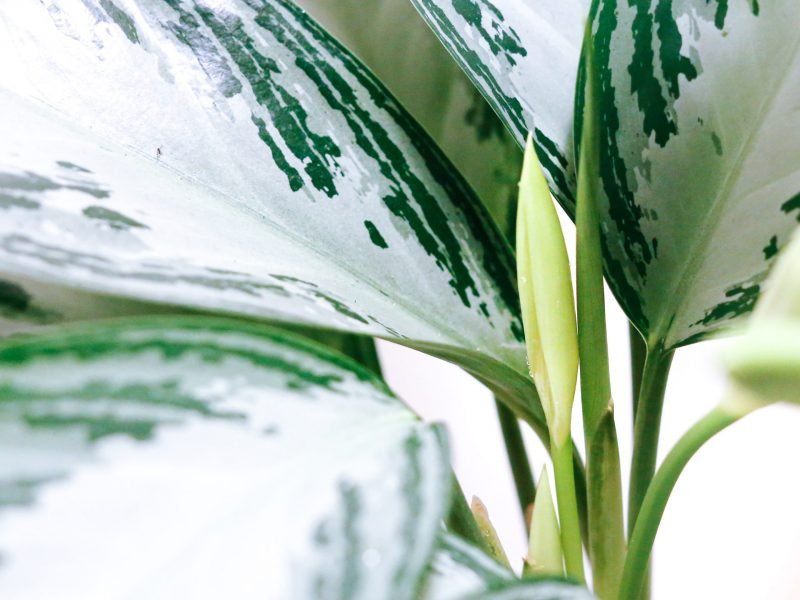
Chinese Evergreen plants are renowned for their striking variegated leaves that come in an array of colors ranging from rich green to silver, red, and even pink hues. The leaves themselves are elongated and pointy, giving the plant a distinct, lush appearance.

Variety

There is an impressive variety of Aglaonema species available, each with its unique leaf pattern and color. Some popular varieties include Aglaonema ‘Silver Queen’ with its silvery leaves, Aglaonema ‘Red Gold’ boasting vibrant red hues, and the Aglaonema ‘Cutlass’ known for its elongated, striped leaves.

Size and Growth

Chinese Evergreen plants typically reach a moderate size, making them ideal for indoor settings. They can grow anywhere from 1 to 4 feet tall, depending on the care and conditions provided. Their growth rate is generally slow to moderate so you don’t need to worry about these plants outgrowing your home anytime soon!

Resilience

One of the main characteristics that set Chinese Evergreen plants apart is their resilience. They are incredibly hardy and can adapt to less-than-ideal conditions, such as low light, inconsistent watering, and varying temperatures. This makes them a favorite among both professional and beginner plant enthusiasts.

Longevity

With optimal care, Chinese Evergreen plants can live for many many years. Their longevity, coupled with their stunning appearance, makes them a worthwhile investment both in terms of money but also time.

Choosing the Right Location for Your Chinese Evergreen Plant

The Chinese Evergreen prefers medium light levels, but can tolerate less than perfect light conditions. That said, the plant should never be put in direct sunlight as it could lead to scorched leaves (these will appear as dry/ scorched brown and yellow patches).

On the other hand, if the plant is placed in a room with minimal light, its growth may be slowed and its vibrant colors may fade.

Watering Your Chinese Evergreen Plant: How Often and How Much?

These plants thrive in environments that mimic their native rainforest habitat, which is consistently moist but never waterlogged. It is important to allow the top inch or so of the soil to dry out between waterings. This helps to prevent root rot, a common issue that can arise from consistent overwatering, particularly in cooler environments where it’ll take a lot longer for the soil to naturally dry out.

Remember, it’s always better to underwater than overwater when it comes to Chinese Evergreens. They can tolerate periods of dryness, but they are less forgiving of waterlogged conditions and the issues can progress a lot quicker when overwatering.

When it comes to how often to water your Chinese Evergreen, several factors come into play including the size of the plant, the pot it’s in, the type of soil, and the conditions of your home. However, as a general guideline:

  1. During the warmer months, water your Chinese Evergreen once a week.
  2. In cooler months, watering can be reduced to once every two weeks.

Adjust these general guidelines depending on your individual plant. If you see the leaves turning yellow or dropping, it could be a sign of overwatering. Conversely, if the leaves are turning brown and crunchy, it may be a sign that the plant is too dry. Inspect the soil as soon as you spot any issues as it’s important to treat watering issues quickly.

As for how much water to use, aim for enough to thoroughly moisten the soil without causing it to become waterlogged. A good rule of thumb is to water until you see it start to drain from the bottom of the pot. Then, wait for approximately 15 minutes and empty any remaining water from the saucer to prevent the roots from sitting in a puddle of water.

Water Quality

Chinese Evergreens are not particularly fussy about water quality, but they do prefer water that is at room temperature. Cold water can shock the roots causing the plant to become stressed. If you live in a hard water area and your tap water is heavily treated with chemicals, consider using filtered, rain, or distilled water. Too many chemicals can cause the tips of the leaves to turn brown over time.

Fertilizing Your Chinese Evergreen Plant: Tips and Tricks

The Chinese Evergreen plant is not a heavy feeder, but it does appreciate some extra nutrients during its active growth periods to promote healthy new growth. Fertilizing your Chinese Evergreen doesn’t have to be a complex task, and with a few simple tips and tricks, you can keep your plant healthy and vibrant.

Choosing the right fertilizer

When it comes to choosing a fertilizer for your Chinese Evergreen, a balanced houseplant fertilizer that includes all the essential nutrients is typically the best option. You can also opt for a slow-release product, such as pellets depending on your personal preference.

Fertilizing schedule

Chinese Evergreen plants generally require fertilizing about once a month during active growth periods, which is during spring and summer. During the fall and winter, the plant enters a dormant stage, and fertilizing should be stopped during this time.

How to apply fertilizer

When applying fertilizer, make sure to do so after watering the plant. This will help to prevent root burn, which can occur if fertilizer is applied to dry soil. Also, remember that less is often more with fertilizer as over-fertilizing can lead to salt buildup, which can harm the plant.

Signs of over-fertilizing

If your Chinese Evergreen is getting too much fertilizer, it may show signs of stress. This can include yellowing leaves, leaf drop, or browning leaf tips. If you notice these symptoms, it’s a good idea to hold off on fertilizing for a while and flush the soil with clean water to remove excess salts.

For any of these signs though don’t jump to the conclusion that fertilzer is the issue and not look any further as these common issues can be caused by other factors too. Check the soil moisture, the health of the root system and environmental elements such as humidity and temperature to see if there are any other potential issues.

Temperature and Humidity Requirements for Your Chinese Evergreen Plant

When it comes to the Chinese Evergreen Plant, temperature and humidity play significant roles in its growth and overall health. These plants are native to tropical and subtropical regions, which means they thrive best in warm and humid conditions.

Temperature Requirements:

The ideal temperature for Chinese Evergreen is between 70-85 degrees Fahrenheit during the day and not lower than 60 degrees at night. They can tolerate temperatures as low as 50 degrees, although their growth may slow down if it is exposed to such cold temperatures for a prolonged period of time.

Humidity Requirements:

Chinese Evergreen plants thrive in high humidity, ideally around 50-60%. If your home is typically dry, especially during winter, consider using a humidifier near your plant or place the pot on a tray filled with water and pebbles. The water evaporates throughout the day, increasing the humidity around the plant. However, make sure the plant’s roots are not sitting in water as this can lead to root rot (hence why using pebbles is so important).

Tips for Regulating Temperature and Humidity

  • Keep your Chinese Evergreen plant away from drafts, air conditioners, and heating vents to avoid sudden temperature changes.
  • Mist the leaves of your plant with a spray bottle filled with water to increase humidity.
  • Group your Chinese Evergreen with other plants. This can create a microclimate with higher humidity.

Tips for Displaying Your Chinese Evergreen Plant in Your Home

1. Choose the Right Spot

The first thing to consider when displaying your Chinese Evergreen is the location. This plant thrives in low to medium light and can even tolerate fluorescent lighting. A corner of your living room or office that receives indirect sunlight would be perfect. Ensure the place is away from direct sunlight as it can scorch the plant’s leaves.

2. Use an Attractive Pot

Chinese Evergreens have lush green leaves with beautiful variegation that can be accentuated with the right pot. Opt for a pot that complements the color of the leaves and your home decor. Ceramic pots in earthy tones, metallic pots, or brightly colored pots can all make your plant stand out.

3. Group with Other Plants

A Chinese Evergreen can hold its own as a standalone plant. However, it can also be grouped with other houseplants to create a mini indoor garden. When grouped, ensure each plant has its own space and that they do not overshadow each other. Grouping not only has aesthetic benefits but it can also help with areas such as boosting the humidity.

4. Size Matters

Chinese Evergreens come in various sizes, ranging from compact tabletop plants to larger floor-standing plants. Choose a size that fits the space and doesn’t make the area look crowded.

5. Rotate the Plant

For even growth and to maintain its lush look, it’s advisable to rotate your Chinese Evergreen every few days. This ensures that all sides of the plant get an equal amount of light and you avoid your plant leaning towards the light which can cause instability.

6. Keep It Clean

Regularly dust the leaves to maintain their shine and health. A soft, damp cloth is perfect for this task. This not only keeps your plant looking its best but also allows it to effectively photosynthesize and purify the air.

Avoid all harsh chemicals when cleaning your plant though as they can actually damage the top coating of the leaves which can be irreversible. Only use a drop or two of mild dish soap to remove tough dirt.

Chinese Evergreen Toxicity

Chinese Evergreens are toxic to pets and humans as they contain calcium oxalate, a substance that can be toxic when ingested. Therefore, caution should be exercised if your home contains pets or small children who might be tempted to chew on the leaves.

Effects of Ingestion:

  • Vomiting: Ingesting parts of a Chinese Evergreen can induce vomiting, which can be distressing and potentially harmful, especially for small pets.
  • Mouth Irritation: The calcium oxalate crystals can cause severe irritation in the mouth, throat, and gastrointestinal tract.
  • Difficulty Breathing: In severe cases, ingestion can lead to difficulty breathing as the airway can swell.

Pet Toxicity and Safety:

Both cats and dogs are susceptible to the toxic effects of Chinese Evergreens. Symptoms to watch out for include drooling, pawing at the mouth, vomiting, and decreased appetite. If your pet exhibits these symptoms after coming into contact with a Chinese Evergreen, seek immediate veterinary attention.

Common Problems with your Chinese Evergreen

Here are some common issues that even the most experienced plant parents come across. It’s important to know what to look out for so that you can diagnose any issues early to give your plant the best chance of bouncing back.

Fiddle and Thorn is a participant in the Amazon Services LLC Associates Program, an affiliate advertising program designed to provide a means for sites to earn advertising fees by advertising and linking to Amazon.com

Take our houseplant survey!

Quickly respond to our 30 second houseplant survey and get 75% off our Complete Houseplant Care eBook!

Take the Survey

No thanks…

Ceramic Pots for Houseplants: The Ultimate Guide

Last Updated: November 2, 2023

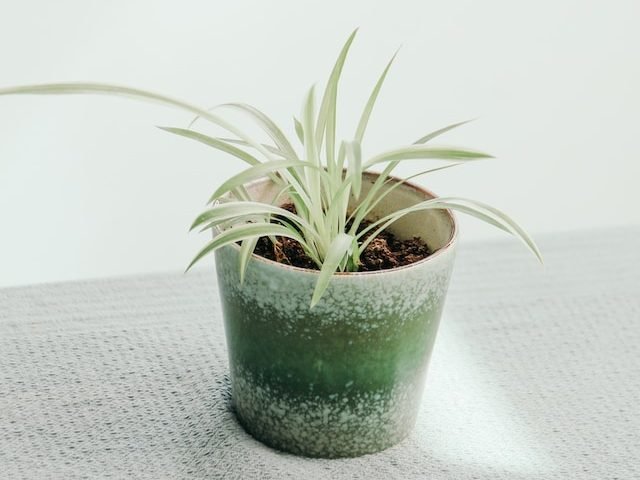
Spider Plant in a Ceramic Pot

Spider Plant in a Ceramic Pot

Whether you are a seasoned plant parent or just discovering your love for houseplants, it’s like you’ll already know that choosing the right type of pot for your houseplants is super important!

Ceramic pots not only lend aesthetic appeal to your interiors but also offer several benefits conducive to healthy houseplants.

Below we will discuss not only their key benefits but also touch upon how to choose the right pot size, the range of styles and types available, and much more.

We’ll go into preparing the pot for planting, necessary care instructions and common mistakes to steer clear of.

Benefits of Using Ceramic Pots for Houseplants

First and foremost, ceramic pots are renowned for their excellent ability to hold moisture. Unlike terracotta pots, ceramics are less prone to drying out which means your plants stand a better chance of thriving, especially if they prefer moist soil.

Moreover, ceramic pots are heavier which makes them a great choice if you have taller or top-heavy plants. This reduces the risk of your precious greenery toppling over.

Also, their weight means they’re less likely to be knocked over by pets or children, and can withstand stronger winds if placed outside.

The thermal properties of ceramic pots are another important advantage to consider. These pots do a brilliant job at insulating the soil, protecting the roots from drastic temperature changes. This is particularly beneficial for houseplants that are sensitive to rapid fluctuations in temperature.

Lastly, the element of aesthetics can’t be ignored when it comes to ceramic pots. They’re available in a vast array of designs, colours, and sizes which means you’re also sure to find a style that goes with your home décor.

Disadvantages of Ceramic Pots for Houseplants

With all their advantages, ceramic pots are not without a few drawbacks that may impact your decision to use them for your precious houseplants.

Weight: Ceramic pots are significantly heavier than their plastic or fibreglass counterparts. This added weight can be problematic when you need to move matured plants or reposition your indoor greenery due to changes in light exposure or temperature. Although this can be a benefit as mentioned above, it’s also something for this list too!

Cost: As compared to other types of pots, ceramic pots can be a bit more on the pricey side. High-quality designs, in particular, can get rather expensive. If you’re on a budget or have a large number of plants, this may pose a problem.

Limited Drainage: Ceramic pots typically only have one drainage hole at the bottom or none at all. While this may suffice for some plants, for others it might limit proper water drainage causing potential overwatering problems, particularly in plants with high water sensitivity.

Thermal Conductivity: Thick ceramic walls can easily heat up when exposed to direct sunlight, increasing the pot’s temperature. As a result, the soil may dry out fairly quickly, posing a risk to the plant’s health.

Breakability: Ceramic pots, though sturdy, are fragile and prone to breaking. Accidental falls or hefty impacts can cause cracks or chips, potentially damaging the pot. This makes it crucial to handle ceramic pots with care.

Choosing the Right Size Ceramic Pot for Your Houseplant

Considering the Plant’s Root System

Every plant species differs in root development. Some have small, compact root systems, while some other varieties can quickly grow large, wide-reaching root systems.

Ever noticed a plant that became root-bound, with roots coming out of the top and bottom of the plant? That is a sign that the pot is too small.

And if the pot is too big then there are issues with watering too as the excess soil will stay wet for too long, leading to potential root rot.

  • Small or Slow-Growing Plants: These typically require pots that are 1″- 2″ larger in diameter than the root system.
  • Medium to Large or Fast-Growing Plants: They typically require pots that are 2″- 4″ larger in diameter than the root system.

Different Types of Ceramic Pots

  • Glazed Ceramic Pots: These pots are very popular, thanks to their shiny, high-gloss finish which can range from smooth to textured. The glazing process renders these pots non-porous, preventing water seepage which is useful if you have houseplants that prefer a humid environment or need to retain moisture for extended periods.
  • Unglazed Ceramic Pots: Contrarily, unglazed pots, often called terracotta pots, are porous and allow water and air to pass through their walls. This makes them a great choice for plants that prefer a dry, well-ventilated environment and could help prevent over-watering.
  • Semi-glazed Ceramic Pots: As the name suggests, these ceramic pots are half glazed and half unglazed. They’re a great middle ground if you’re unsure about your plant’s water retention preferences. The glazed portion maintains moisture, while the unglazed part facilitates air flow and water evaporation.
  • Self-Watering Ceramic Pots: These pots come with an in-built reservoir at the base designed to hold water. A wick draws water up from the reservoir to keep the soil moist over time, reducing the frequency of watering required. It’s a handy tool for those who are busy or frequently forget to water their plants.

Ceramic Pot Styles and Designs

Catering to both modern and traditional decors, ceramic pots can complement your home’s look or add a contrasting element for a pop of character.

Glazed – A common choice among houseplant enthusiasts, glazed ceramic pots are known for their shiny, smooth finish, that’s available in various colours and patterns. The finish not only adds an aesthetic appeal but also helps in moisture retention, benefiting your plants.

Terracotta – Coming from the Italian phrase, ‘baked earth’, Terracotta pots are made from a particular clay and are often unglazed. Typically brown-orange, they are a classic choice, adding a rustic charm to your decor.

Hand-painted – These ceramic pots are for you if you’re a fan of artistry and unique designs. Hand-painted pots feature a selection of creative and individualistic patterns and motifs, painted by skilled artisans.

Patterned – These ceramic pots incorporate everything from geometric shapes to intricate floral designs, offering a flamboyant touch to your interiors. These are perfect for adding visual interest, particularly if you want your plants to be key features in your decor.

How to Properly Prepare a Ceramic Pot for Planting

Step 1: Clean the Pot

Begin by cleaning the ceramic pot thoroughly with warm water and soap. Even if the pot is brand new, this step helps to remove any chemicals or dust that might be present. Simply, wash it thoroughly and allow it to dry completely.

Step 2: Prepare the Drainage System

Most ceramic pots come with one or more holes in the bottom. This is where the excess water will exit the pot to prevent overwatering. Place a few pieces of broken pottery or small stones over the holes to prevent soil from leaking out.

Step 3: Layer the Bottom with a Base Material

Put a layer of base material, like perlite or potting mix, in the pot. This aids in drainage and creates a lighter mix that promotes healthy roots.

Step 4: Put Your Plant in the Pot

Now, gently place your plant in the pot. Adjust its position until the top of its root ball is about 1 inch below the top of the pot. This leaves room for watering.

Step 5: Fill the Pot with Soil

Finally, fill the rest of the pot with soil. When adding the soil, press it lightly around the plant to remove any air pockets. Then, water your plant and add more soil if necessary.

Tips for Transferring Houseplants to Ceramic Pots

  1. Choosing the right time: It’s a good idea to transplant your houseplants in the morning as they have the rest of the day to recover, before temperatures fall at night.
  2. Watering the plant: A day before replanting, water your houseplant thoroughly. This reduces transplant shock and makes removing the plant from its current pot easier.
  3. Preparing the ceramic pot: Be sure to refer back to our section on how to prepare your ceramic pot properly. In a nutshell, you’ll need to clean it and add a layer of fresh potting soil.
  4. Handling the plant: When removing your plant from its current pot, handle it with care. Gently loosen the soil and tease the roots apart if they’re tightly bound.
  5. Planting: Plant the houseplant in the centre of the ceramic pot and fill in the space around it with more soil. Just be careful not to cover the stem or the base of the plant with soil.
  6. Aftercare: Water the plant after replanting and keep it in a shaded area for a few days to help it recover.

Caring for Houseplants in Ceramic Pots

Cleaning: It’s essential to keep your ceramic pots clean, which can be achieved by simply scrubbing with warm water and a soft brush. As you clean, watch out for the signs of mineral deposits or salt residues. These are signs of over-fertilization and can harm the health of your plants if not removed.

Check for cracks: While ceramic pots are known for their durability, it’s not uncommon for them to develop cracks or chips over time. Regularly inspect your pots for any signs of damage. If a pot becomes cracked, it may no longer retain water as efficiently, which could lead to your plants’ roots drying out.

Control sunlight exposure: Ceramic pots can get very hot in direct sunlight which can cook the plant roots, especially in dark-colored pots which absorb more heat. Make sure your ceramic pots aren’t placed in areas with harsh, direct sunlight all day. Morning sun exposure is acceptable and beneficial for most houseplants.

Proper watering: The porosity of some ceramic pots can make them dry out more quicker than others, especially in the exposure of sunlight and wind. Remember to water your plants accordingly, keeping in mind the specific water requirements of each plant species. Try not to over-water, as this can lead to root rot.

Regular re-potting: Most houseplants need to be re-potted every 12-18 months, and those in ceramic pots are no exception. This maintains the pot’s soil quality and gives the plant’s roots room to grow. The size of the pot should be approximately 2 inches larger in diameter than the old pot. Be gentle when you’re moving the plant to avoid causing root damage.

Common Mistakes to Avoid When Using Ceramic Pots

Ignoring Drainage Requirements: While ceramic pots often come with a single hole at the bottom for drainage, you might find some without any. If so, think twice before planting directly into them. Without proper drainage, your plant could suffer from root rot and other related issues.

Neglecting Balance: When choosing a plant for your ceramic pot, consider the balance of the pot and plant together. A top-heavy plant in a lightweight ceramic pot is a recipe for disaster. The pot might consistently tip over which can be dangerous for you or damage the plant/pot.

Disregarding Suitable Pot Size: Ceramic pots are denser and heavier than plastic pots, which can make larger ceramic pots difficult to move. Consider the full, mature size of your plant before deciding on a pot size. A pot that’s too large can result in water sitting in the extra soil, which can cause your plant’s roots to rot.

Overwatering: Ceramic pots are often glazed, inside and out, to make them waterproof. This looks great, but it also means that water doesn’t evaporate as quickly as it does in unglazed clay pots. Consequently, you should water less frequently and with less quantity than you might in other types of pots.

Forgetting to Clean the Pots: Ensuring your ceramic pots are clean is a crucial part of plant care. Dirty pots can house diseases, pests, and fungus. When you’re changing out the plants in your pots, give the pot a good scrub with soap and water.

Frequently Asked Questions about Ceramic Pots for Houseplants

Are ceramic pots good for houseplants?

Yes, some unglazed ceramic pots are excellent for houseplants because of their porous nature, which allows roots to breathe, preventing waterlogging and root rot.

All ceramic pots are also heavy, which offers stability for top-heavy plants. Not to mention, they are very aesthetic and come in a variety of designs to complement any decor.

Should I choose a glazed or unglazed ceramic pot?

Both glazed and unglazed pots have their merits. Glazed pots retain moisture better, which is beneficial for moisture-loving plants but may not be advantageous for succulents or plants that prefer dry soil.

On the other hand, unglazed pots absorb excess moisture, making them ideal for plants that don’t require high humidity around their roots.

Does the colour of a ceramic pot matter?

While the colour of a ceramic pot is often a personal preference, notably, it can affect how quickly the soil dries out. Darker coloured pots absorb more heat and can cause the soil to dry out faster than lighter coloured pots. Therefore, consider your plants’ water requirements and your local climate when choosing the pot colour.

Do ceramic pots need drainage holes?

Yes. Drainage is crucial for the health of houseplants. Most ceramic pots come with a drainage hole at the bottom to allow water to escape, preventing waterlogging.

If your pot doesn’t have one, consider drilling one yourself or use it as a cover pot and place your plant in a smaller, plastic pot with drainage holes within the ceramic one.

Fiddle and Thorn is a participant in the Amazon Services LLC Associates Program, an affiliate advertising program designed to provide a means for sites to earn advertising fees by advertising and linking to Amazon.com

Take our houseplant survey!

Quickly respond to our 30 second houseplant survey and get 75% off our Complete Houseplant Care eBook!

Take the Survey

No thanks…

Cast Iron Plant Care

Last Updated: August 21, 2022

Basic Cast Iron Plant Care

If you’re looking for a striking but low-maintenance houseplant, then the Cast Iron Plant is your perfect match. They are actually one of the few houseplants that thrive from almost being neglected (hence the name) as they like the occasional watering and can adapt to almost every light level (direct light should be avoided). So wherever you have a little space in your home that needs brightening up with some greenery, we always recommend the Cast Iron Plant.

Detailed Cast Iron Plant Care

They’re super easy to keep

The great thing about Cast Iron Plants is that it’s one of the easiest plants to keep. They can deal with a huge range of environments with no issues.

Cast Iron Plant lighting needs

The Aspidistra is one of the least fussy houseplants when it comes to lighting conditions. They’re more than happy with a shady spot, just keep them out of bright direct light.

Keeping the leaves lush and green

To make sure that the leaves stay lush and healthy, make sure to keep the humidity a little higher. To make it easy just spray the leaves down with a misting bottle every few days.

Cast Iron Plant watering

As with lighting requirements, the Aspidistra is really not fussy. Make sure that your pot isn’t holding in excess moisture to avoid root rot, but don’t worry about missing the odd watering.

Keeping the leaves clean

Just like any other plant with larger leaves, the Cast Iron plant will definitely appreciate having its leaves dusted off once in a while. This will just allow it to ‘breathe’ a little better.

Cast Iron Plant Care FAQs

Common Issues with Cast Iron Plants

Although they have the reputation of being impossible to kill, you might notice a few issues crop up from time to time so it’s important you know what to look out for and how to get your Cast Iron Plant back on track.

Fiddle and Thorn is a participant in the Amazon Services LLC Associates Program, an affiliate advertising program designed to provide a means for sites to earn advertising fees by advertising and linking to Amazon.com

Take our houseplant survey!

Quickly respond to our 30 second houseplant survey and get 75% off our Complete Houseplant Care eBook!

Take the Survey

No thanks…

Calathea Triostar Care Guide: How to keep your Stromanthe thriving

Last Updated: October 16, 2023

Calathea Triostar

Calathea Triostar

Introduction to Calathea Triostar

If you’re looking for a houseplant with striking colors, Calathea Triostar is one of our favourite options. This vibrant plant is known for its dazzling variegated leaves that feature shades of green, white, pink, and even burgundy on the undersides.

Native to the Brazilian rainforest, Calathea Triostar has made its way into many homes and hearts worldwide, thanks to its unique aesthetic appeal and fairly easy care routine.

Appearance of the Calathea Triostar

What makes the Calathea Triostar a standout is its spectacular foliage. The leaves are long and lance-shaped and the top is covered in a cream, green, and pink pattern, while the undersides reveal a rich burgundy hue.

Size and Growth Rate

Calathea Triostars are medium-sized houseplants. When given the right care and conditions, it can reach up to 2-3 feet in height. The plant’s growth is relatively slow, and it takes a few years to reach its full size but it’s definitely worth the wait!

Natural Habitat

Understanding a plant’s natural habitat can provide insights into its care needs. In its native environment, Calathea Triostar plants grow under the canopy of the Brazilian rainforest, where it receives filtered light, high humidity, and a stable temperature. These are the conditions we aim to replicate when caring for this plant indoors..

Growth Habit

The Calathea Triostar has a compact growth habit. It grows upright to a moderate height, making it an ideal choice for small spaces. You’ll notice that the plant occasionally sends out new shoots directly from the soil, contributing to a bushier appearance.

Light Requirements for Calathea Triostar

Calathea Triostar plants thrive in medium sunlight and don’t do well with harsh intense light as it can quickly burn and dry out the leaves. On the other hand, low light levels can cause smaller and less variegated leaves, although your plant often will be able to adapt to some extent.

Indoor settings can be tricky when trying to provide the right light conditions for your Triostar. Here are a few tips:

  • Place the plant near a north or east-facing window, where it can receive gentle morning sunlight and avoid harsh afternoon rays.
  • Ensure the plant isn’t placed directly next to the window as cold drafts or heat from the glass can damage the leaves.
  • Use sheer curtains or blinds as a buffer to diffuse sunlight, preventing direct rays from hitting the plant.

Artificial Lighting for Your Calathea Triostar

If your home doesn’t have enough natural sunlight for your Calathea, artificial light can also work. Here’s are a few tips:

  • Use fluorescent lights or specialized grow lights to supplement natural light.
  • Position the plant about 2 feet away from the light source to avoid overheating and leaf burn.
  • Keep the lights on for approximately 12 hours a day to mimic a natural day-night cycle.

Watering Calathea Triostar: How Much and How Often?

How Much:

The amount of water your Calathea Triostar requires can vary depending on several factors. These include the size of your plant, the size of its pot, the type of soil you’ve used, and the current season or climate. As a general rule, try to keep the top inch of your plant’s soil moist, but not waterlogged.

Water enough so that some water flows out from the drainage holes at the bottom. This ensures a nice even moisture throughout the pot. But do remember to remove any excess water about 20 minutes after watering to minimize the potential of overwatering.

How Often:

In general, watering your Calathea Triostar once a week should suffice. However, this can vary depending on the conditions in your home. In warm, dry conditions, you might need to water your plant more frequently. In cooler, more humid conditions, your plant may require less frequent watering.

Here are a few tips to help you water your Calathea Triostar effectively:

  1. Check the soil: Before watering, always check the top inch of soil. If it feels dry, it’s time to water your plant. If it’s still moist, hold off on watering for a few more days.
  2. Use lukewarm water: Tropical plants like the Calathea Triostar aren’t fans of cold water and it can cause your plant to become shocked. Use lukewarm water to avoid damaging your plant’s roots.
  3. Don’t overwater: Overwatering can lead to root rot, a serious condition that can kill your plant. Avoid the temptation to water your Triostar too frequently.

Temperature and Humidity Needs of Calathea Triostar

When it comes to the well-being of your Calathea Triostar, temperature and humidity play pivotal roles but are very often forgotten as the emphasis is only placed on sunlight and watering habits.

The Calathea Triostar is accustomed to warm and humid environments, so it’s important to mimic these conditions as closely as possible in your home.

Temperature:

The ideal temperature for a Calathea Triostar ranges between 60°F and 85°F. They do not tolerate cold drafts or low temperatures well, so you must ensure your plant is situated in a room that consistently maintains the correct temperature range.

Note: Avoid placing your Calathea Triostar near air conditioning vents, open windows during cold weather, or other drafty spots.

You also need to watch out for high temperatures as this can dry out your plant quickly and cause brown leaves. Avoid placing your plant too close to windows where hotspots can occur and be wary of the placement near radiators, cookers and heating vents.

Humidity:

Calathea Triostar loves high humidity and this is a really important element in getting the care just right. Aim to keep the humidity level above 50% for these plants to truly thrive and it will really help to avoid brown tips and leaf edges which can be common in plants with lance-shaped leaves. In drier environments, you might need to take some extra steps to increase the humidity around your plant for example:

  • Misting: This is by far one of the easiest ways to boost humidity.
  • Humidifier: If your home’s air is particularly dry, consider investing in a humidifier as a nice easy way to get the job done without you really having to do anything.
  • Pebble tray: Place your plant pot on a tray filled with pebbles and water. As the water evaporates, it will increase the humidity around the plant.

Calathea Triostar Leaves

Calathea Triostar Leaves

Fertilizing a Calathea Triostar: Tips and Recommendations

Just like most other houseplants, the Calathea Triostar needs a nutrient boost from time to time and fertilizing is the best way to do this. It’s not a complicated process, but it does require some knowledge and care to get it right.

When to Fertilize

Generally, the Calathea Triostar benefits from being fertilized only during its active growing season. This typically falls between spring and summer. During these months, consider fertilizing your plant every four weeks. In fall and winter, it’s best to stop fertilizing altogether as your plant will enter a dormant period.

Choosing the Right Fertilizer

When deciding on a fertilizer, opt for a balanced, water-soluble houseplant fertilizer. A balanced fertilizer means it has equal parts Nitrogen (N), Phosphorous (P) and Potassium (K). These three elements are essential to plant health and are often represented as a ratio on the fertilizer packaging, such as 10-10-10.

How to Fertilize

Fertilizing your Calathea Triostar is a simple process. Here are some steps to guide you:

  1. Prepare the fertilizer by diluting it in water according to the package instructions (often we dilute even further than suggested to avoid any overfertilization).
  2. Before applying the fertilizer, ensure your plant’s soil is damp. This can be achieved by watering your plant a day before fertilizing as this helps to avoid fertilizer burning the roots.
  3. Apply the diluted fertilizer to the soil. Be careful not to splash any on the plant’s leaves as this could cause leaf burn.
  4. After fertilizing, wait at least a month before repeating the process.

Choosing the right pot and soil for your plant

Selecting the right pot

Make sure to select a pot that has good drainage as the Calathea Triostar dislikes waterlogged conditions. A pot with holes at the bottom is ideal to prevent water from sitting at the base of the pot, which could lead to root rot.

As for size, choose a pot that is slightly larger than the root ball of your plant. This gives it space to grow without becoming root-bound too soon. On the other hand, a pot that’s too large can retain excessive moisture and may potentially cause some instability.

Soil Selection

When it comes to soil, the Calathea Triostar prefers a well-draining mix. A combination of peat and perlite is often recommended. This mix retains enough moisture for the plant’s roots, but drains excess water quickly to prevent waterlogging.

Here’s a simple recipe you can try:

  1. Two parts peat moss: This component helps to retain moisture and provides organic material for your plant.
  2. One part perlite: This light, volcanic rock helps to improve drainage and aeration in the soil.

Pruning a Calathea Triostar

Pruning a Calathea Triostar is an essential part of the plant’s care routine but so many plant parents either forget about it or are too scared to do it. Pruning not only keeps your plant looking tidy and attractive but also promotes healthier growth by removing old, damaged, or diseased leaves.

When to Prune

The best time to prune your Calathea Triostar is during its active growth period, typically in the spring or summer. This is because the warm sunny weather will help your plant recover from the shock of pruning. However, you can remove dead or yellowing leaves at any time of the year.

Tools Needed

  • Pruning shears: Choose a pair with sharp, clean blades to avoid causing damage to the leaves.
  • Gloves: These will protect your hands during the pruning process.

Pruning Procedure

  1. Identify the leaves to be pruned: Look for leaves that are yellowing, browning, or withering. These leaves are usually older and can be removed. If the rate of discolouration of the leaves is faster than the rate of your plant growing new ones, then this isn’t usually natural ageing so it’s important to diagnose the issue quickly.
  2. Make the cut: Using your pruning shears, cut the leaf at the base, close to the soil. Ensure the cut is clean and straight to prevent damage to the remaining part of the plant.
  3. Discard the cut leaves: Don’t leave the pruned leaves lying around as they can attract pests or diseases.

Post-Pruning Care

Once you’ve pruned your Calathea Triostar, it’s important to continue caring for it properly and ensuring it has the right environment to grow new leaves. This includes maintaining the right temperature, humidity, and watering routine. Your plant will reward you with vibrant, healthy growth.

Calathea Triostar Red Leaves

Calathea Triostar Red Leaves

Toxicity of the Calathea Triostar

The Calathea Triostar is non-toxic, making it a perfect addition to homes with pets or children. It’s rated as safe for both cats and dogs by the American Society for the Prevention of Cruelty to Animals (ASPCA). The plant also doesn’t pose any risk to human health, making it an ideal choice for households with curious toddlers or infants.

Safe Interaction with the Plant

While the Calathea Triostar is non-toxic, it’s still recommended to prevent pets from chewing on the leaves. Although it won’t result in poisoning, dogs and cats might experience minor discomfort or gastrointestinal upset if they ingest large amounts of any plant material.

Necessary Precautions

Even though the Calathea Triostar is safe, there are some precautionary measures that should be taken into account. Owners should avoid using chemical fertilizers or pesticides that may be harmful if ingested. Opt for organic plant care products wherever possible, particularly if you have children or pets.

Flowers on a Calathea Triostar

Although the Calathea Triostar is known for its multicolored foliage rather than its flowers, under optimal conditions, it may surprise you with small white or pink blooms.

Understanding Calathea Triostar Flowering

Flowering is not a common occurrence in Calathea Triostar, especially when grown indoors. The plant channels most of its energy into producing its spectacular variegated leaves. But with the right care, you might be lucky enough to see it bloom.

The flowers are usually small and tucked among the leaves and their color can vary from white to a light shade of pink. The flowering usually occurs during the warmer months of the year and when your plant is receiving the right care.

What to Do After Flowering

Once your Calathea Triostar has flowered, it’s important to remove spent blooms. This process, known as deadheading, helps the plant conserve energy for leaf production and potential future flowering. Simply snip off the faded flowers at their base using clean, sharp scissors.

Common Pests and Diseases

Common Pests

The most common pests that attack Calathea Triostar are spider mites, mealybugs, and scale insects.

  • Spider mites: They are tiny, spider-like creatures that can be identified by the fine, silky webbing they leave on the foliage. They suck the sap from the plant, causing the leaves to become yellow and dry. Regularly misting your plant and wiping the leaves can help deter these pests.
  • Mealybugs: These are small, cotton-like pests that are often found in warm, moist environments. If left untreated, they can cause the leaves to yellow and drop. To eliminate them, you can use a cotton swab dipped in alcohol to wipe the plant.
  • Scale insects: These are brown or grey, shield-like bugs that stick to the plant and suck out its nutrients. Scraping them off gently or using an insecticidal soap can help in their removal.

Common Diseases

  1. Leaf Spot: This condition is recognized by yellow or brown spots on the leaves. It’s usually a result of overwatering or poor drainage. Cut off the affected leaves and ensure your plant is watered properly, giving it time to dry out between watering.
  2. Root Rot: This is often caused by overwatering where the roots become soggy and start to decay. If you notice a stale smell or see black, mushy roots, it’s likely your plant is suffering from root rot. Repot the plant in fresh soil and maintain a proper watering schedule to combat this issue.

In general, remember that maintaining a clean environment and proper watering schedule are the best ways to keep your Calathea Triostar healthy and free from pests and diseases.

Common Problems with your Calathea Triostar

Here are some common issues that you might run into. It’s important to diagnose any issues early to give your plant the best chance of bouncing back.

Fiddle and Thorn is a participant in the Amazon Services LLC Associates Program, an affiliate advertising program designed to provide a means for sites to earn advertising fees by advertising and linking to Amazon.com

Take our houseplant survey!

Quickly respond to our 30 second houseplant survey and get 75% off our Complete Houseplant Care eBook!

Take the Survey

No thanks…