How to propagate a Calathea Triostar

Last Updated: October 25, 2022

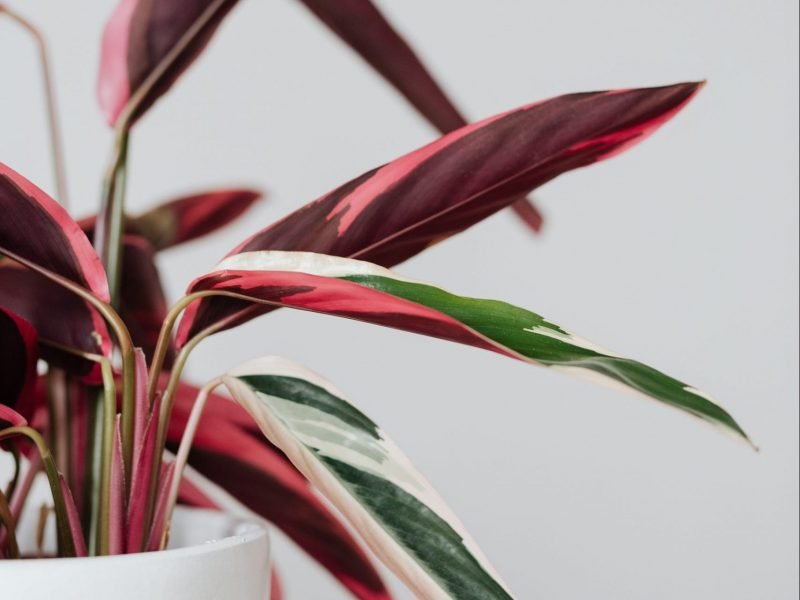
Known for their incredible colourful leaves, Calathea Triostar plants aren’t always the easiest to take care of. They can be quite fussy when it comes to curling or brown leaves but when you get the care right, it’s really worth it. However, one thing that is super easy when it comes to Calathea Triostars is propagation. We have written this propagation guide to give you all the information you’ll need to propagate your Calathea Triostar.

Below you’ll find a step by step process, as well as what tools and equipment are needed, what problems you might face and how to fix them as well as all of our top tips to help you propagate your Calathea Triostar successfully.

Why propagate your Calathea Triostar?

Before we get into the individual steps required to propagate your Calathea Triostar, we thought it would be useful to go through the reasons why plant parents might want and need to propagate it. The main reason is simply wanting to multiply the number of plants you have without actually having to buy any more. Who can say no to free Calathea Triostar plants?! Calathea Triostar cuttings and young plants also make great gifts for friends and family.

The other main reason why plant parents might choose to propagate their Calathea Triostar is because their plant is becoming too big for the space and they need to prune it. But instead of simply throwing away those beautiful Calathea Triostar cuttings, why not propagate them and start a whole new mother plant.

You might also end up not having a choice but to propagate your Calathea Triostar if it is showing signs of distress and unhappiness. We always recommend you try and figure out what is causing the issue but if nothing seems to be getting better then you might need to propagate part of the plant to save it. Just make sure that the part of the plant you are propagating is healthy as any issues will transfer onto the young new plant.

What tools/equipment will I need to propagate a Calathea Triostar plant?

Let’s start off with the easy part. It’s important to make sure you have all the right things before you start propagating your Calathea Triostar


  • Healthy and mature Calathea Triostar plant

  • Sharp scissors/shears

  • Spare pot(s)

  • Fresh soil and water

  • Newspaper or plastic sheet if you’re propagating indoors

What methods can be used to propagate a Calathea Triostar?

Unlike most other houseplants, you can only propagate your Calathea Triostar through division of the mother plant. This can be a problem if you have quite a young plant and don’t want to take such a large chunk from it. But the good thing about the division method of propagation is that it’s very successful and much quicker. Your new plant will already have quite a mature root system which makes them more robust.

How to propagate a Calathea Triostar through division of the mother plant


  1. Take your Calathea Triostar out of its pot

    To be able to propagate your Calathea Triostar through division, you’ll need to locate the various natural sections of the plant. Carefully take your plant out of the pot, shaking off the potting mix around the root system.

  2. Locate the various offshoots in your plant

    When looking for a part of the plant to divide it will become very obvious if there are various offshoots on your Calathea Triostar. They will have a separate root system and growth will stem from the middle of each section.

  3. Separate the different sections

    You should be able to carefully pull the various sections apart from each other. It’s ok if you have to slice around the plant a little to separate them but just make sure that each part of the plant has a substantial amount of the root system to aid a successful Calathea Triostar propagation.

    It’s at this point that you can choose how many new plants you want to create. It will depend on not only the size of your Calathea Triostar but on how big and bushy you want the plants to end up.

  4. Place in either water or fresh potting mix

    Pot the main mother Calathea plant back into its original pot (or downsize if you have taken a lot away from the plant as this will help stabilise it as well as reduce the risk of root rot too!)

    Now you need to decide whether to place the new plant(s) in water first or straight into potting mix. This will depend on the maturity of the root system. If your plant has quite strong roots then go ahead and pot it straight into potting mix. However, if you’ve damaged the roots whilst propagating, or feel they are quite underdeveloped then you might want to grow the plant in fresh water for a few weeks.

    When potting into soil make sure to use a high-quality potting mix. This will ensure that your Calathea Triostar gets the right balance of nutrients. You also need to use fresh soil rather than reusing any from other plants. Bacteria and pests can linger in potting mix without you even knowing and this will transfer onto your new young Calathea Triostar.

  5. Continue normal Calathea Triostar care

    Now that your new Calathea Triostar plant is at home in its new pot, you can care for it as you would your other mother Calathea plant. If it’s in water first you want to refresh that water every couple of days before repotting into soil once the root system is stronger.

Calathea Triostar Propagation FAQs

Whilst propagating your Calathea Triostar plant is quite simple as you’re propagating it through division rather than stem or leaf cuttings, it’s still important to understand the basics to make sure it’s a success. Below you’ll find all the answers to your Calathea Triostar propagation questions!

Common problems you might face when propagating a Calathea plant

Propagating houseplants will always be a little unpredictable and you might well come across some issues along the way. But don’t fret, we have learnt the hard way to figure out what’s causing the problem as well as the best way to fix it.

So that’s everything you need to know to successfully propagate your Calathea Triostar! It’s never an exact science and some divisions of the plant will take longer to grow new leaves than others. But with the right methods, care and environment you should have several thriving Calathea Triostar plants in no time.

Check out our Calathea Triostar complete care guide for all the information you need to care for your new plants after you’ve propagated them.

Fiddle and Thorn is a participant in the Amazon Services LLC Associates Program, an affiliate advertising program designed to provide a means for sites to earn advertising fees by advertising and linking to Amazon.com

Take our houseplant survey!

Quickly respond to our 30 second houseplant survey and get 75% off our Complete Houseplant Care eBook!

Take the Survey

No thanks…

How to propagate a Calathea Orbifolia

Last Updated: February 22, 2022

There’s no such thing as too many houseplants, but constantly buying more green friends can get a little expensive, so propagating your existing collection is a great cheap way to get more plants. Cuttings can also be used as gifts for friends or you can choose to sell them to make a little bit of money on the side.

In this post, we will go through the entire process to show you how to propagate a Calathea Orbifolia and share our top tips to make sure it’s a success!

Is propagating a Calathea Orbifolia difficult?

You’ll be very pleased to hear that propagating a Calathea Orbifolia is actually quite an easy process, and it’s super quick too! If you know what steps you need to take, then there’s no reason you should run into any problems. It’s also a lot simpler than propagating other plants so if you’ve any previous propagation experience, this should be easy!

What methods can I use to propagate my Calathea Orbifolia?

The only downside to propagating a Calathea Orbifolia is that there is only really one method you can use; division. Whilst it’s possible to propagate through the use of seeds, this is a very difficult and slow process that is better left to the professionals. The division method does require a fairly mature plant that can be divided into sections.

How to divide your Calathea Orbifolia to ensure the propagation is a success!

  1. Take your Calathea Orbifolia out of its pot

    Carefully lift the plant out without tugging at the leaves. Instead, you want to hold the plant firmly at the bottom of the stems and gently pull. We recommend squeezing the pot (if it’s plastic) to help it come away from the pot. Be careful if any of the roots have started to grow out of the drainage holes as you might need to untangle these to prevent them from snapping.

  2. Remove the potting mix from the roots

    To be able to divide your mother plant, you’ll need to locate the various offshoots that make up the plant. To do this, carefully remove some of the potting mix from the roots so you can see the roots clearly. Our top tip is to loosely run your fingers through the root system to shake off the soil.

  3. Untangle the various natural sections

    To do this, you might need to slice through a few roots using pruning scissors. If your Calathea Orbifolia only has one central section, then you will need to slice your plant in half or slice off a section to create two individual plants.

  4. Grow in water or straight into fresh potting mix

    Get your mother Calathea Orbifolia plant back in its pot (or downsize if you have removed a large section of the root system and leaves). Then you need to decide if you want to grow your new plant in water first or plant it straight into potting mix.

    Either will work but if your new plant has quite small roots, you might want to grow them in water a bit so they mature.

  5. Continue a normal Calathea Orbifolia care routine

    If your new plant is now in fresh potting mix then you can care for it as you would your other Calathea Orbifolia. If you’ve decided to grow it in water for a while, make sure to refresh the water every few days to prevent it from stagnating. Once the roots have matured a little, pot into fresh soil.

Is it possible to propagate a Calathea Orbifolia from just a single leaf?

Unfortunately, you can’t propagate using just a leaf cutting from your Calathea Orbifolia. If you were to try it would die on you pretty quickly. This is because it needs a node to grow roots from so the best way is through division.

What time of year should I propagate my Calathea Orbifolia?

We always recommend that you do this in Spring or Summer. This means that your plant can grow new roots and leaves during the warmer months. However, as you can only propagate your Calathea Orbifolia through division, you can actually get away with doing it at less than ideal times of the year. This is because you aren’t trying to grow a stem cutting or leaf cutting, but instead your new plant will already have an established root system.

There you have it, all the important things you need to know to propagate a Calathea Orbifolia. Each and every plant is different so the process won’t always be identical each time you do it but as long as you follow the steps correctly and give your new plant good lighting and warmth, you should have plenty of success.

To learn more about how to care for your new plants after propagation, check out our Calathea Orbifolia care guide.

Fiddle and Thorn is a participant in the Amazon Services LLC Associates Program, an affiliate advertising program designed to provide a means for sites to earn advertising fees by advertising and linking to Amazon.com

Take our houseplant survey!

Quickly respond to our 30 second houseplant survey and get 75% off our Complete Houseplant Care eBook!

Take the Survey

No thanks…

How to propagate a Calathea Musaica Network

Last Updated: May 29, 2022

Whether you are trying to propagate your Calathea Musaica to create new plants, give cuttings to friends or if you are trying to save part of your plant if it’s dying, the process is really rewarding and quite simple.

In this post, we will go through the entire process of Calathea Musaica (Network) propagation, as well as go through any problems you might face and share our top tips for success.

How to propagate a Calathea Musaica through the division method

  1. Take your Calathea Musaica out of its pot

    Lift your plant out carefully so you don’t damage your plant. Never pull from the leaves as they can end up ripping. Check if the roots have started to grow out of the drainage holes as you might need to untangle these to prevent them from snapping.

  2. Remove the potting mix from the root system

    To be able to divide the plant, you’ll need to locate the various natural sections of your Calathea Musaica. To do this, carefully remove the bulk of the potting mix from the roots. A good way is to loosely run your fingers through the root system, shaking the roots slightly to separate them.

  3. Separate the sections

    The roots might need some delicate untangling easily but you should be able to pull the various sections of your plant apart. If your Calathea Musaica only has one central section, then you can slice this section in half to create two new plants. Use a clean, sharp knife to slice the plant in half.

  4. Place the sections in fresh potting mix

    The first thing to do is get your mother Calathea Musaica plant back in its pot, or a smaller pot if you have taken away a large section of the plant. Then you need to plant your new section into fresh potting mix.

  5. Continue normal Calathea Musaica care

    Now that your cutting is now in fresh potting mix you can care for it as you would your other Calathea Musaica. And that’s it – your Calathea Musaica (Network) propagation is complete! All that’s left to do is decide if you want to keep your new plant or if you want to gift it to someone.

To learn more about how to care for your new plants after propagation, check out our Calathea Musaica care guide.

Fiddle and Thorn is a participant in the Amazon Services LLC Associates Program, an affiliate advertising program designed to provide a means for sites to earn advertising fees by advertising and linking to Amazon.com

Take our houseplant survey!

Quickly respond to our 30 second houseplant survey and get 75% off our Complete Houseplant Care eBook!

Take the Survey

No thanks…

How to propagate a Calathea Medallion

Last Updated: February 24, 2022

There are multiple reasons that you might want to or need to propagate your Calathea Medallion. From sharing cuttings with friends, selling your plant cuttings to earn a little extra cash, to save a dying plant or simply expanding your urban jungle. But whatever the reason, the process is still the same and we will guide you through everything you need to know. In this post, you’ll find a step by step method you can follow, as well as all of our top tips to help your Calathea Medallion propagation be a success.

Is propagating a Calathea Medallion difficult?

Although their care requirements can sometimes be difficult to manage, Calathea Medallion propagation is a breeze. There aren’t that many steps involved or opportunities for things to go wrong.

What methods can I use to propagate my Calathea Medallion?

The only thing we don’t like so much about propagating Calathea Medallions is that there is only really one good method to do it; division of the mother plant. The downside to this method is that you will need quite a mature plant to be able to divide it.

Whilst you can also, of course, grow them through seed cultivation, this is a very time-intensive and difficult process that is better left to the professionals.

How to propagate a Calathea Medallion through the division method

  1. Remove your Calathea Medallion from its pot

    Before removing your plant from its pot, check the bottom of the pot to see if the roots are growing out of the drainage holes. If so, carefully untangle these so they don’t break off when you remove your plant. Then carefully lift your plant out of its pot whilst trying not to tug too much at the stems to avoid damage. One thing you never want to do is pull at the leaves as they can rip easily if there is some resistance.

  2. Remove the soil from the root system

    A good way is to loosely run your fingers through the root system, shaking the roots slightly to separate them. This will allow you to see the natural divisions in your plant and you can decide how you want to divide it.

  3. Separate your Calathea Medallion into sections

    It’s OK if you need to cut through the odd root to do this (make sure you use pruning scissors though).

    If your Calathea Medallion only has one central section, then you can slice this section in half to create two new plants. It’s important to sure that each section has a substantial amount of mature roots to aid a successful Calathea Medallion propagation.

  4. Place your new plant in water or pot into fresh soil

    Place your mother plant back in its pot and add a little fresh potting mix to fill the gap where your new plant used to be. Then you need to decide what to do with your new Calathea Medallion, grow straight in soil or use an intermediary step of water.

    If your new plant has quite mature roots then it will be totally fine growing in potting mix already. However, if the roots are quite small or a lot have been damaged in the propagation process, then we recommend placing them into water so they can mature a little. If you have chosen to grow your new plant in water, make sure you are switching out the water every few days to prevent it from stagnating.

  5. Continue normal Calathea Medallion care

    If your cutting is now in fresh potting mix then you can care for it as you would your other Calathea Medallion.

Is it possible to propagate a Calathea Medallion from a single leaf cutting?

Unfortunately, it’s not! Your leaf wouldn’t be able to grow roots and would wilt and die pretty quickly. Division is really the only option other than seed cultivation to produce more Calathea Medallion plants.

What time of year is best for Calathea Medallion propagation?

Because you are using the division method, you can pretty much propagate all year around. For other houseplants, where you might be using stem cuttings or leaf cuttings, you will want to do it in spring so that the warm sunny months aid root growth.

There you have everything you need to know to propagate your Calathea Medallion. It’s a super quick process that gives you new plants in minutes which is definitely an advantage over some other methods which can take months to produce roots. At least with division, you can enjoy your new plants right away!

To learn more about how to care for your new plants after propagation, check out our Calathea Medallion care guide.

Fiddle and Thorn is a participant in the Amazon Services LLC Associates Program, an affiliate advertising program designed to provide a means for sites to earn advertising fees by advertising and linking to Amazon.com

Take our houseplant survey!

Quickly respond to our 30 second houseplant survey and get 75% off our Complete Houseplant Care eBook!

Take the Survey

No thanks…

How to propagate a Calathea Jungle Velvet (Calathea Warscewiczii)

Last Updated: February 22, 2022

Whether you are choosing to propagate your Calathea Jungle Velvet to give cuttings to friends, grow your plant collection further or are saving a dying plant, this post will share with you everything you need to know about the process.

Is it easy to propagate my Calathea Warscewiczii?

Calathea Jungle Velvets can be difficult to care for but this doesn’t apply to how they are propagated. Luckily, the process is very simple, quick and pretty successful too. You can’t go wrong if you know the right steps and is a lot simpler than a lot of other plants.

What methods can I use to propagate my Calathea Jungle Velvet?

Although the process is easy, this does come at a cost as there is actually only one way you can propagate your Calathea Jungle Velvet. This is through the division of the mother plant. While you can, of course, also propagate through seeds, not only does this take a very long time, but it’s difficult to get right.

How to propagate a Calathea Jungle Velvet using the division method

Below you’ll find a step by step method of how to divide your plant properly.

  1. Take your plant out of its pot

    To be able to divide up the root system, you’ll need to remove it from its pot. Carefully lift the plant out without tugging too much at the stems as you don’t want to damage your Calathea. One thing you should never do with Calatheas is pull them by their leaves as they can often rip off.

  2. Remove some of the soil from the roots

    To be able to divide the plant, you’ll need to locate the various sections of your Calathea Jungle Velvet. A good way to remove some of the soil from the roots is to loosely run your fingers through the root system, shaking the roots slightly to separate them.

  3. Separate the sections

    Now that you are able to see how many sections there are on your Calathea Jungle Velvet, you need to decide how many plants you want to create. Unless your plant is really mature and bushy, we usually recommend only taking one section away from the mother plant but it’s your choice. If your Calathea Jungle Velvet only has one central section, then you can slice this section in half to create two new plants. The one thing to make sure of when separating your plant is that each section has a good amount of the overall root system.

  4. Place the sections in water or fresh potting mix

    Both options work well so it depends on the maturity of the root system on the section that you have removed. If the part of the plant has quite mature roots then it will be totally fine growing in potting mix already. However, if the roots are quite small and thin, then we recommend placing them into water as a middle step so they can mature a little.

  5. Continue normal Calathea Jungle Velvet care

    If your cutting is now in fresh potting mix then you can go straight into your usual care routine. If, however, you have chosen to grow your plant in water for a few weeks, make sure that you are refreshing the water every few days and pot your plant when it’s ready.

Will it work if I propagate a Calathea Jungle Velvet from just a single leaf?

Unfortunately, if you tried to propagate a single leaf, it wouldn’t be able to grow roots and would wilt and die pretty quickly. Because of this, division of the mother plant and its root system is the only way to successfully propagate your Calathea Jungle Velvet outside of seeds.

What time of year should I propagate my Calathea Jungle Velvet?

With plants that allow you to take stem or leaf cuttings, we always recommend that you propagate in spring and summer as this gives the cuttings plenty of warm sunny weather to grow. However, because you can only propagate your Calathea Jungle Velvet through division, you can get away with doing it at less ideal points in the year. This is because your new plant will already have an established root system.

So that’s it! There’s everything you need to know to successfully propagate your Calathea Jungle Velvet (Calathea Warscewiczii). As you are dividing your plant you shouldn’t run into too many issues and you should care for your new plant as you have been caring for your mother plant!

If you want to learn more about how to care for your new plants after propagation, check out our Calathea Jungle Velvet care guide.

Fiddle and Thorn is a participant in the Amazon Services LLC Associates Program, an affiliate advertising program designed to provide a means for sites to earn advertising fees by advertising and linking to Amazon.com

Take our houseplant survey!

Quickly respond to our 30 second houseplant survey and get 75% off our Complete Houseplant Care eBook!

Take the Survey

No thanks…

How to Propagate a Calathea Dottie

Last Updated: May 2, 2022

There are a few different reasons why plant parents choose to propagate their plants, either they simply want to create more, give cuttings as gifts or are forced to if their plant is starting to die. Whatever the reason, propagating plants can be quite rewarding and is a great way to expand your urban jungle for free. In this post, we will go through the entire process of Calathea Dottie propagation, as well as go through any problems you might face and share our top tips for success.

Why would you want or need to propagate your Calathea Dottie?

The main reason is often just wanting to grow more plants without having to spend any more money. Cuttings make great gifts for friends and family which is why we always make sure to take a few cuttings from each of our new plants to share.

The other reason why many plant parents choose to propagate their Calathea Dottie is that their plant is either getting too big for the space. Propagating is a great way to cut your plant back whilst not wasting any of it!

You may also be forced to propagate your Calathea Dottie if you see that your plant is starting to show any worrying symptoms. Brown or yellow leaves, as well as other common problems, are worrying for all plant parents. We always recommend trying to solve the problem but it’s always a good idea to divide the healthy part of the plant just in case it doesn’t make it.

How difficult is it to propagate a Calathea Dottie?

You’ll be very pleased to know that propagating a Calathea Dottie is actually a fairly simple process. You can’t go wrong if you know the right steps and is a lot simpler than a lot of other plants.

What methods can I use to propagate my Calathea Dottie?

There is one main disadvantage which is there is only really one method of propagation you can use; division of the mother plant. Whilst it’s possible to propagate through seeds, this is very difficult, time-intensive and best left to the professionals. Although the division method is a lot easier, and there are several other positives, it does mean that you can only propagate if your Calathea Dottie is fairly mature.

How to propagate a Calathea Dottie through the division method

Below you’ll find the step by step method of how to divide your plant to ensure the propagation is a success!

  1. Remove your Calathea Dottie from its pot

    As you’ll be dividing the root system of your plant, you’ll need to remove it from its pot. Carefully lift the plant out without tugging too much at the stems as you don’t want to damage your Calathea. Take care if the roots have started to grow out of the drainage holes as you might need to untangle these to prevent them from snapping

  2. Shake off the potting mix

    To be able to divide the plant, you’ll need to locate the various offshoots. To do this, carefully remove the bulk of the potting mix from the roots. A good way is to loosely run your fingers through the root system, shaking the roots slightly to separate them.

  3. Separate the sections

    You may need to cut the odd root using pruning scissors if your plant isn’t untangling easily but you should be able to pull the various sections of your plant apart. If your Calathea Dottie only has one central section, then you can slice this section in half to create two new plants.

    When separating the sections, make sure that each part of the plant has a substantial amount of the root system to aid a successful Calathea Dottie propagation.

  4. Place the sections in water or fresh potting mix

    The first thing to do is get your mother Calathea Dottie plant back in its pot, or a smaller pot if you have taken away a large section of the plant. Then you need to think about whether you want to grow your offshoot in water first or plant straight into potting mix.

    Both work well and it depends on the size of the Calathea Dottie section and the maturity of the root system. If the offshoot has quite mature roots then it will be totally fine growing in potting mix already. However, if the roots are quite small and thin, then we recommend placing them into water as a middle step so they can mature a little.

  5. Continue normal Calathea Dottie care

    If your cutting is now in fresh potting mix then you can care for it as you would your other Calathea Dottie. If you’ve decided to grow your offshoot in water first then refresh the water every few days and pot into soil once you can see they have matured.

Can I propagate a Calathea Dottie from just a single leaf?

Unfortunately, you’ll need the cutting to include a node for roots to grow out from. If you were to propagate a single leaf, it wouldn’t be able to grow roots and would wilt and die pretty quickly. Because of this, division is the only way to successfully propagate your Calathea Dottie outside of seed cuttings.

What time of year should I propagate my Calathea Dottie?

As with all houseplant propagation, we tend to recommend starting the process in Spring, once all the cold wintery weather is behind you. This then gives your offshoots plenty of warm sunny months to recover from the shock of propagation as well as mature.

Because you are using the division method, it does mean that it’s possible to propagate a Calathea Dottie at other times of the year if you need to. This is because the offshoots will already have roots so root growth isn’t as important as with the other methods.

How to care for a Calathea Dottie after propagation

You might be wondering how much light your new plants need after propagation and whilst you want to care for your plants as you would the mother plant, there are some differences in newly propagated plants. Firstly, you want to keep your plant well away from any direct light as this can scorch the leaves. Find a spot with ample light but ensure it is filtered or indirect. Intense light can damage your plant as they are particularly sensitive after propagation.

Ensure that the potting mix is kept moist but never soggy. Whilst your plant goes through some shock after propagation, the last thing you want to be doing is overwatering. This will mean your plant is very susceptible to disease at a time when it is also going through a lot of stress. Use a moisture meter to keep track of when to water your new Calathea Dottie.

Temperature is also a key element in ensuring that your new Calathea Dotties take root in their new home. Make sure they are in a warm spot in your home but aren’t exposed to any hotspots. Areas near cookers and radiators are a big no-no and be sure to monitor the temperature around the windows as during summer, they can be a real heat trap. This will dry out the leaves on your Calathea Dottie and cause a variety of issues.

Your Calathea Dottie will love you if you make sure the humidity level around it gets a good boost! The best ways to do this are by misting a few times per week, showering occasionally or investing in a humidifier to keep a nice stable humidity level.

Stay away from fertiliser for several months after propagating your Calathea Dottie for a few months. This goes for both the parent plant and any new plants created. They need to recover from the stress and shock of propagation before being given any feed.

You now know everything you need to successfully propagate a Calathea Dottie plant. The division method is a lot less prone to issues so you should see growth resume after just a few weeks (you’ll need to allow your plant to get over the shock of propagation first!).

To learn more about how to care for your new plants after propagation, check out our Calathea Dottie care guide.

Fiddle and Thorn is a participant in the Amazon Services LLC Associates Program, an affiliate advertising program designed to provide a means for sites to earn advertising fees by advertising and linking to Amazon.com

Take our houseplant survey!

Quickly respond to our 30 second houseplant survey and get 75% off our Complete Houseplant Care eBook!

Take the Survey

No thanks…

How to Propagate a Caladium

Last Updated: May 28, 2022

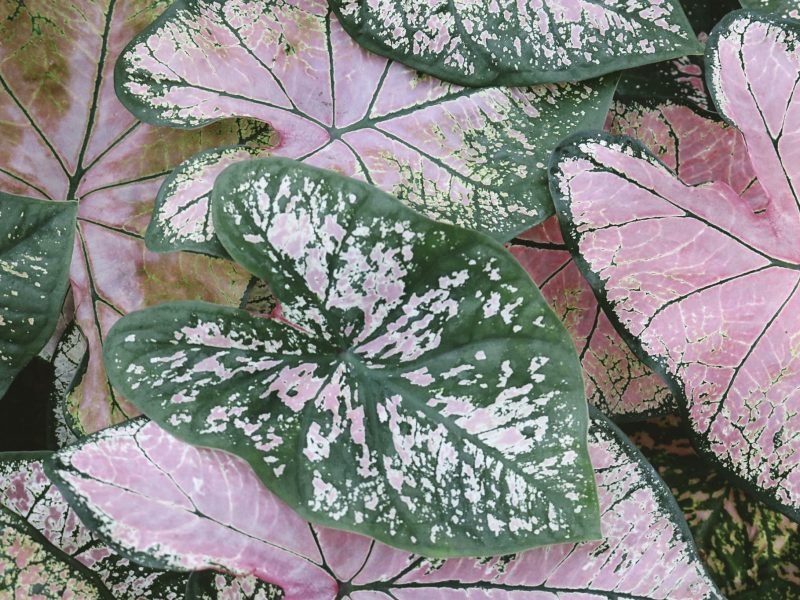
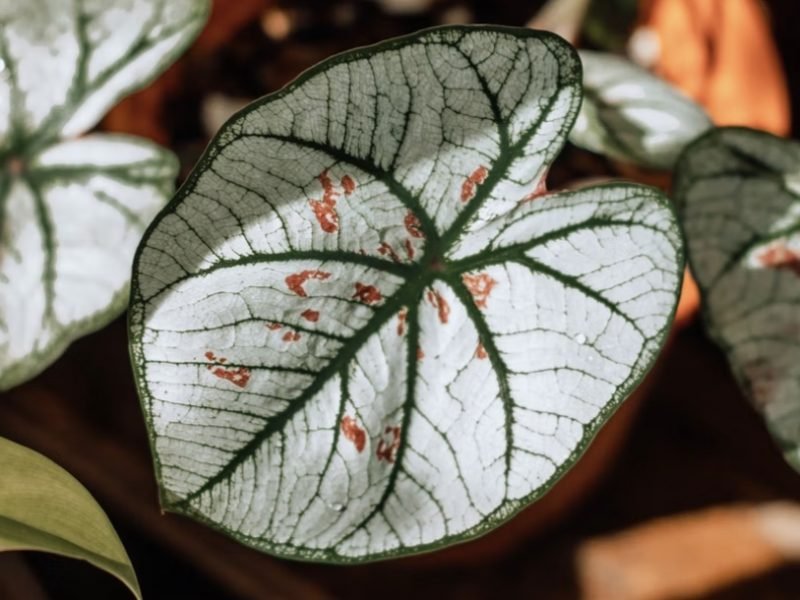
With over 1,000 varieties, plant lovers all around the world are going crazy for Caladium plants! Their beautiful coloured heart-shaped leaves will leave you wanting more and more which is why it’s great that they are so easy to propagate!

In this post we will guide you through the complete process; the various methods you can use, the various dos and don’ts, what tools you’ll need to propagate and things to look out for to ensure you’re successful!

Why propagate a Caladium plant in the first place?

There are several reasons why plant parents might choose to propagate their plants, sometimes it’s more out of necessity rather than choice. Houseplants don’t always grow how we want them to and can often grow sideways, leggy or just too big for your space. But instead of throwing away those cuttings, why not use them to grow a new plant.

If you notice that your plant is looking a little unhealthy and might be dying then sometimes your only option is to propagate a healthy section of the plant and give up on the rest. We will forever recommend that you first try to diagnose the issue and try to fix it but sometimes if there is no positive change, it might be your best and only option.

But it doesn’t have to be all gloom and doom, you may also choose to propagate your Caladium plant to simply make new ones. It can be a great way to multiply the amount of greenery in your home without having to spend a cent. Caladium cuttings also make great gifts for friends and family, especially as they may struggle to get a hold of your specific variety!

Propagating a Caladium can be easy!

Caladium plant

What tools/ equipment will I need?

Before you start, It’s important that you have all the right things!


  • Healthy and mature Caladium plant

  • Sharp scissors/shears

  • Spare pot

  • Fresh soil and water

  • Newspaper or plastic sheet if propagating indoors

What methods can I use to propagate my Caladium Plant?

Unfortunately, there is only really one proper method; division of the mother plant. This is because the plants reproduce through their tubers in the soil which is why leaf and stem cuttings won’t ever grow new roots.

But luckily using division of your mother plant is not only super easy but it’s very successful too. The new plants will already have a healthy root system and you won’t be waiting months and months for new growth to appear.

The one downside to using the division method means that you’ll need quite a mature plant with several offshoots that you don’t mind separating. They are pretty fast growers, so if your plant isn’t quite mature yet, just wait a few months and come back to it.

Below you will find a step by step guide to the division method:

How to propagate a Caladium plant

Caladium

How to propagate a Caladium plant through division of the mother plant


  1. Locate the various stems of your Caladium mother plant

    When choosing how to divide your plant it will become obvious if there are various offshoots/stems. They will be completely separate and leaves will grow out from each of the stems. If you’re still unsure, follow each of the stems down to the soil so you can see the separate offshoots growing out of the pot.

  2. Take your Caladium out of the pot

    This method of propagation requires you to get your hands a little dirty as you need to remove your Caladium from the pot to separate the sections.

    Carefully lift your plant out and start to shake off the soil around the roots. An easy way to loosen the potting mix is to gently run your fingers through the roots to start to separate them. This also helps stop too much damage to the root system but don’t worry if you clip the odd root.

  3. Separate the sections

    You may have to cut through some of the roots f they aren’t detangling easily but you should be able to carefully pull the sections apart from each other. The most important thing to make sure of is that each section of the plant has a good amount of the root system as this will help them recover quickly from the shock of propagation and repotting and grow new leaves.

    It is completely up to you how many new plants you create, and how many offshoots are in each one. It depends on the maturity of your plant as well as your personal preference.

  4. Place in water or fresh potting mix

    Pot the main mother plant back into its pot (or downsize if you’ve taken a lot away) and decide whether you want to place your new Caladium plant(s) in water or potting mix.

    If the roots on your new plant are still quite small and delicate then you may want to pop it in water for a few weeks to help them mature. However, if the roots system is mature and strong then you can pot your new Caladium plant straight into fresh potting mix.

    Use a high-quality potting mix so that your new plants get the right nutrient balance. At first, it can be quite a shock for your plant to be separated and moved into a new pot so good soil will help them develop.

  5. Continue normal Caladium care

    Now that your new plant is happily in its new home with plenty of fresh potting mix, your propagation is complete! You can now care for your new plant as you would your mother plant, making sure it gets the right amount of light, warmth, water and humidity to thrive! Soon enough it’ll be big and bushy enough for you to propagate all over again.

Caladium Plant Propagation FAQs

Here are a few of the most common questions we find people have when looking to propagate their plant.

Caladiums come in all shapes and colours

Rare Caladium Plant

Common problems when propagating a Caladium Plant

Although the process can be fairly simple, it will be slightly different each time around and occasionally you might run into some unexpected problems along the way. We recommend keeping a close eye on your new plants to help you spot any early warning signs.

Below we have all of the answers to how to fix any common problems you might run into.

That’s all there is to know about Caladium propagation. As you’ll need to do it through division, it definitely makes the process easier. With the right care and the ideal environment, you shouldn’t have too many problems.

Check out our full Caladium Care Guide that has all the information on how to continue caring for your plants after dividing them.

Fiddle and Thorn is a participant in the Amazon Services LLC Associates Program, an affiliate advertising program designed to provide a means for sites to earn advertising fees by advertising and linking to Amazon.com

Take our houseplant survey!

Quickly respond to our 30 second houseplant survey and get 75% off our Complete Houseplant Care eBook!

Take the Survey

No thanks…

How to Propagate a Burro’s Tail | Step by Step Methods

Last Updated: May 18, 2022

Burro’s Tail plants are one of the easiest plants to propagate so are great for beginner plant parents and you’ll have plenty of new plants before you know it. The other great thing about is you can propagate your plant no matter how big, small, young or old it is.

In this post, we’ll go through each of the methods to help you choose which is right for you and your plant. You’ll also find a list of tools you’ll need as well as how to diagnose and fix any issues you might come across along the way.

Why propagate a Burro’s Tail plant?

Before we get into the step by steps of all the different methods, we thought it’s important to go through the different reasons why plant parents choose to propagate their plant.

Burro’s Tail plants are quite delicate so you’ll notice that they often drop leaves. This is totally normal and nothing to worry about if the number of new leaves is more than the number they are losing. It can also happen that full stems fall off the plant, either because they are knocked or simply due to natural ageing. Instead of throwing away these incredible leaves and stems, why not use them and create new plants.

Another reason is to reshape your plant. During the dark winter months, growth can become quite leggy and uneven. Pruning your plant can help encourage bushier growth and also help your plant fit into the space better (sometimes they can grow too long and hit the floor or other furniture). Like with the stems that fall off naturally, it’s a waste to throw them away.

The other reason a lot of plant parents are actually forced into propagation is if it sadly starts to develop brown, yellow, mushy or dry leaves. At Fiddle and Thorn, we are strong believers in always diagnosing the issue and attempting to fix it before taking cuttings or giving up on your plant. But if things don’t start to improve you might need to take a section of the healthy part of the plant to keep it alive. When doing this you need to make absolutely sure that the stem(s) you are using are still completely healthy. Any issues with the cutting will actually affect the cutting a lot more as they are more sensitive than mother plants.

What tools will I need?

It’s important to make sure you have all the right things before you start propagating your Burro’s Tail.

  • Healthy Burro’s Tail plant

  • Sharp scissors/shears

  • Spare pot(s)

  • Fresh soil and water

  • Newspaper or plastic sheet if you’re propagating indoors

What different methods of propagation can I use?

There are two main methods for Burro’s Tail plants; stem cuttings or leaf cuttings. Stem cuttings is the main method which not only has quicker results but is also slightly more successful in our experience. But as your plant will often lose a few leaves, it’s a great experiment to try and propagate these as you have nothing to lose. Leaf cuttings are probably the preferred method for plant parents with quite a young plant, as they might not want to take off a whole stem.

We will go over each different method in detail below so you can figure out which is the best for you and your plant!

How to propagate a Burro’s Tail plant using stem cuttings

This is the main method as it’s quicker than growing individual leaves and is also more successful.

  1. Locate a healthy stem

    When taking a stem cutting you want to make sure that the part you are cutting is healthy to give you any chance of success. Avoid using stems that show any sign of disease or pests as they will be transferred onto your new cuttings and very quickly take over your new plant.

  2. Make the cut

    Using sharp scissors or a knife make the cut across the stem. Make sure your tools are clean as you don’t want to pass on any direct, bacteria or pests to the wound in your cutting. We recommend cutting diagonally across the stem to increase the surface area for root growth.

  3. Remove the lower leaves

    You want to carefully remove the leaves at the lower third of the cutting. You will be growing it directly in potting mix to this ensures there is plenty of space for root growth. The lower leaves will also start to rot if they are growing in often damp potting mix so best to remove them.

  4. Let the stem cutting callous over

    Before placing in potting mix, you want to leave your stem cutting out in a warm but dry place for a few days. This will ensure the cutting wound callouses over and will help prevent any bacteria from getting into your plant.

  5. Pot your cutting in soil

    Now that your Burro’s Tail stem cutting has calloused over, it’s time to pot it into soil. Use a fresh high-quality potting mix that is designed for succulent plants. This will not only ensure that your cutting gets the right balance of nutrients, but it also means the mix will contain perlite and other ingredients to help with drainage. Without these, the risks of overwatering and root rot are much higher.

    Sometimes when the cuttings are quite long and heavy, you’ll have a difficult time keeping it in the soil. If this happens then you just need to use plant ties to keep it in the soil.

  6. Resume normal care

    That’s it – your Burro’s Tail propagation is complete. Now all you need to do is resume usual care and keep an eye on your new plant to spot any signs of unhappiness. With the right care and environment, your new plant will soon be long enough to take cuttings from!

How to propagate a Burro’s Tail using single leaf cutting

Whilst this method can take quite a while to actually create new plants, it’s a great one to try as you can do it with just a few single leaves. We recommend trying about 5-10 individual leaves at the same time to give you the best chance of success.


  1. Remove the leaves from your Burro’s Tail

    You’ll want to start by collecting a few leaves from your healthy plant. You can simply snap these off with your fingers, but if you want to be a little more accurate we advise using some small scissors or shears. It can often happen that leaves naturally fall off your Burro’s Tail. You can use these leaves if they look healthy, just avoid any that are dry, shrivelled or faded in colour.

  2. Let the leaves callous

    Lay your single leaves on a piece of paper towel to dry out. Over time the leaves will slowly callous over the cut end which helps to avoid bacteria getting into the leaf cutting. This should take about 3-5 days.

  3. Lay your Burro’s Tail on potting mix

    Gently lay your individual leaves on top of fresh succulent soil. Press them in ever so slightly but you don’t want them to be dug into the soil.

  4. Mist your leaves occasionally

    Leaf cuttings really don’t need much water as they will rot and wilt. However, giving them the occasional mist will help the potting mix retain some moisture which will encourage root growth.

  5. Be patient

    Now all you have to do is wait. With the right care and environment, you should start to see the individual leaves grow some roots and eventually even new leaves. It looks pretty cool when this starts to happen, so it is 100% worth the wait.

  6. Resume usual care

    Now that your individual leaf cuttings have taken root and have started to develop their own leaves, your propagation process is complete! Continue your usual Burro’s Tail care routine and you’ll have plenty of new healthy stems in no time!

Burro’s Tail Propagation FAQs

Propagating your plant can sometimes feel a bit daunting because the process is slightly different to a lot of other houseplants. But don’t worry, we have all of the answers to your questions below to make sure it’s is a success and you come away with plenty of new healthy and happy Burro’s Tail plants.

When is the best time of year to propagate my Burro’s Tail?

Startings in spring will give you the best chances of success. It means that you will have plenty of warm and bright months ahead which will aid the growth of new roots and leaves.

Growing cuttings in colder and darker months increases the risk of leaf and root rot as growth will take much longer as your plants will be dormant for a lot of that period. It can be quite a shock for your plant so giving it the ideal conditions to recover will help avoid problems with the mother plant.

Is it a good idea to use root gel for Burro’s Tail propagation?

Whilst it is not essential, you can have a lot of success with rooting hormone. You can choose between rooting powder, gel or liquid. We recommend using powder as you can dip your leaves and stems into it before placing them in soil.

Should I use a grow light for my cuttings?

Grow lights are great to use when you’re propagating without much natural sunlight. They help to stimulate both root and leaf growth and can be used to speed up the process too.

LED grow lights are also great for mature houseplants over autumn and winter as they help to prevent leggy growth and other issues caused by a lack of sunlight.

Can I propagate a Burro’s Tail from a single leaf?

Yes, you can! Leaf cuttings are one of the best methods to propagate as they root pretty easily when placed directly on potting mix.

How do you take care of a young Burro’s Tail plant?

Caring for young plants is pretty much the same as mature mother plants! Lots of bright light and little water will keep your young plant growing and thriving.

Common problems when propagating a Burro’s Tail

We always recommend keeping a close eye on your cuttings to help you spot any issues early as this will give you the best chance at bringing your plant back to full health.

How to care for your Burro’s Tail cuttings after propagation

Now that the difficult part of propagation is over, and you have come away with plenty of new Burro’s Tail plants, it’s important to continue the right care to help them thrive. All new plants and cuttings are quite sensitive after propagation so it’s especially crucial that they are in the right environment.

One of the most important factors to monitor is sunlight. They love sunshine and can really struggle in the darker areas of your home. However, it’s important not to expose your young Burro’s Tail cuttings to too much direct sunlight, especially in summer. This can very quickly burn the leaves and dry out the plant.

Second to sunlight, it’s not a surprise that watering habits need to be closely monitored for Burro’s Tail plants. As they are a type of succulent, it’s crucial that you don’t let the potting mix become too soggy. Mature Burro’s Tail plants have very sensitive and delicate root systems, and it is even more so with younger plants that have just been propagated. Even the slightest waterlogged soil can start to rot the roots and cause serious damage.

Other important environmental factors to consider when caring for your Burro’s Tail after propagation are temperature and humidity. Whilst they require warm temperatures to really thrive and grow, humidity is something you don’t need to consider. They will thrive in the natural humidity level of your home and can even start to rot if you boost the humidity.

Hopefully, this guide has given you all the information you need to create plenty of new happy and healthy plants. It will require a bit of patience though so it’s not something that will happen overnight.

Check out our detailed Burro’s Tail care guide for more information on how to continue to care for your new plants once they have matured.

Fiddle and Thorn is a participant in the Amazon Services LLC Associates Program, an affiliate advertising program designed to provide a means for sites to earn advertising fees by advertising and linking to Amazon.com

Take our houseplant survey!

Quickly respond to our 30 second houseplant survey and get 75% off our Complete Houseplant Care eBook!

Take the Survey

No thanks…

How to Propagate a Bunny Ears Cactus | Step by Step Methods

Last Updated: March 4, 2023

Although they might sound cute and cuddly, Bunny Ears Cacti are still houseplants you need to be careful of as their bristly hairs are sharp and cause irritation when touched. This is their in-built security system that stops them from being eaten or harmed. But the great thing about them is that they are super easy to multiply, which is good news for plant parents everywhere.

In this post, we will be showing you the best method to propagate your plant, including a detailed step by step, a list of things you’ll need as well as how to diagnose and fix any issues along the way. By the end, you’ll be fully equipped with all the information you need.

Why propagate a Bunny Ears Cactus?

Before we get into the step by step processes, we thought it would be important to go through the various reasons you might want to or even need to propagate them. Firstly, it’s a great way to expand your urban jungle without having to spend any more money! They also make great gifts for friends and family if you don’t have any more space for plants.

You might also need to do this out of necessity if you notice that it’s starting to wilt and die. We are always strong advocates of trying to figure out the issue and fixing it, but if nothing seems to change and your plant is unfortunately still dying, then propagating it might be the best option. You need to be sure that the pads you have chosen are still healthy. Plant cuttings are much more sensitive to disease or bacteria so the issue will get worse and probably kill your cutting pretty quickly.

What are the different methods you can use?

There is one main method to propagate Bunny Ears Cacti which does make it easy for plant parents who can’t decide which is the right method for them and their plant. They grow new pads as they mature which often come in pairs (hence the name) but can be removed individually and grown as new plants.

This method of removing pads does mean that your plant does need to be somewhat mature enough to have pads that you don’t mind removing. If your plant is still quite small and only has a few pads, then maybe wait a year or so before starting the process.

We will go over the pad cutting method in detail below to ensure you know what to do at each stage.

What tools/equipment will I need?

It’s important that you have all the right things to propagate your Bunny Ears Cactus before you take off the first pad cutting.


  • Healthy and mature Bunny Ears Cactus

  • Gardening gloves

  • Sharp scissors/shears/tweezers

  • Spare pot(s)

  • Fresh soil and water

  • Newspaper or plastic sheet if you’re propagating indoors

How to propagate a Bunny Ears Cactus using leaf pad cuttings

Luckily for parents across the world, the method using pad cuttings is pretty successful and also pretty simple to do once you know what the steps are.


  1. Locate a healthy pad

    Each of these individual pads can be used to create a new mother plant. When taking a pad cutting you want to make sure that the part of the plant you are using is healthy to give you any chance of success. Avoid any sign of disease, leaf rot or pests as these problems be transferred onto your new cuttings and amplified.

    You can try to propagate pads that have naturally fallen off but you will have more success cutting leaves from the plant as chances are they will be healthier.

  2. Make the cut *Make sure to wear gloves for this part!

    We like to use tweezers to pull off a pad from the mother plant. You can also use shears and scissors to remove the pads. Make sure your tools are clean to avoid passing on any bad bacteria to your cutting. To increase your chances of success, we recommend cutting off several pads and going through the process with each of them at the same time.

  3. Place your cuttings in potting mix

    After a few days, grab a spare pot and fill it with fresh high-quality potting mix. Use a cactus/succulent specific potting mix as this will include ingredients such as perlite which helps with drainage and aeration. This is key as they are sensitive to leaf and root rot caused by soggy soil.

    Whilst wearing gardening gloves, place the bottom of the pad into the potting mix so that about one-third of the pad is covered. This will help stabilise the pad and encourage the roots to grow.

  4. Occasionally water your leaves

    Bunny Ears Cacti don’t need much water so keep an eye on the moisture levels in the soil and water accordingly. You will want to water it slightly more than your mother plant as this will encourage root growth. It’s all about the right balance to avoid the pad becoming too soggy and rotting.

  5. Be patient

    Now all there is left to do is wait and occasionally add water and check in on your pad cuttings. It will take several weeks or even months for roots to start to grow. The most important thing is that you don’t try and check root growth every few days by pulling the cutting out to inspect it. This can damage the cutting and stop any future growth.

  6. Enjoy your new Bunny Ears Cactus

    It will take a while for you to see anything happening above the surface but as long as the pad cuttings still look healthy this is a good sign that your propagation has been a success. You’ll soon start to see some new leaves growing out from the top of the pads and before you know it you’ll have plenty of mature plants to care for.

Bunny Ears Cacti Propagation FAQs

The whole process can be a little scary as you are removing entire pads from your mother plant. However, with the right methods and knowledge, it should be a success. Below you can find all of the answers to your questions!

When’s the best time of year to propagate a Bunny Ears Cactus?

We recommend beginning in spring/early summer. This will give your pad cuttings plenty of warm sunny months for them to grow new roots and pads of their own.

Starting in autumn or winter will mean that your pad cuttings will be trying to grow in the dormant period and you won’t see much new growth. On top of colder temperatures, a small root system means the risk of leaf rot increases as the potting mix will stay soggy for longer.

Is it a good idea to use rooting powder when propagating a Bunny Ears Cactus?

Rooting hormone isn’t essential and you can have plenty of success without it, but it’s a great way to speed up the root growth. As you are moving the pads straight into potting mix, rooting powder is a great way to go. You simply dip the cutting in water and then into powder before potting. The water helps the powder stick to the cutting.

Can I use a grow light for my Bunny Ears Cactus cuttings?

Grow lights are great to use when you’re propagating a Bunny Ears Cactus and your home doesn’t get much natural light. Grow lights help to stimulate root growth as well as encourage new pads to grow.

LED lights can also support your more mature houseplants during autumn and winter when they won’t get as much light.

When can I start fertilising my Bunny Ears Cactus cuttings?

Fertilisation is one thing you really don’t need to worry about for quite a while. You don’t want to fertilise your pad cuttings until they are about 1 year old and are growing new pads of their own. Fertiliser can shock the young cuttings which can kill them or cause a range of issues.

If/when you do start to fertilise your new Bunny Ears Cacti, make sure you use a fertiliser that is specifically designed for cacti. A regular houseplant fertiliser will have the wrong balance of nutrients for your cacti.

Common problems when propagating a Bunny Ears Cactus

It can sometimes be a bit tricky as you are using individual pads which need to grow a whole new root system. But don’t think that if you encounter an issue along the way that your propagation is doomed. If you spot the issues early and know how to fix them, most of the time you’ll be able to bring your cutting back to full health.

Why isn’t my Bunny Ears Cactus cutting growing any roots?

It’s difficult to give an accurate timeline of root growth for Bunny Ears Cacti pads as it’s so unpredictable. The pad needs to grow a whole new root system before even thinking about growing new leaves. It will take several weeks and often months for the new root system to establish itself and new leaves to form. As long as your pad cutting looks healthy, there’s no reason why it won’t grow roots.

If you’re trying to do this when the temperatures in your home are quite cool then this may be the cause of the lack of root growth. You can help to speed up root growth by using a heat pad underneath your cuttings.

Why is my Bunny Ears Cactus pad cutting turning mushy?

If your pad cutting is mushy or shrivelled then this means it is starting to rot and has been overwatered. This is the most common reason why Bunny Ears Cactus propagation isn’t a success as they are very sensitive to it. We recommend trimming away the mushy or shrivelled parts of your cutting and hoping that it can still recover and grow roots.

In future, you want to make sure you are watering your cuttings less as well as using a high-quality well-draining potting mix with plenty of perlite.

Why are the new leaves on my cutting small?

Great news, your new cutting is finally growing new leaves, but how come they are much smaller than the leaves on my mother plant are? Luckily this is normal and is simply because the root system is still very small and can’t deliver enough moisture, energy and nutrients needed to grow such large leaves yet.

Give it time and slowly the pads on your Bunny Ears Cactus will mature and gradually get bigger!

That’s everything there is to know about propagating a Bunny Ears Cactus! Each process will be a little bit different as factors such as plant maturity, pad size, sunlight and water schedules will impact how your cuttings grow but with the right care, attention and environment your cuttings should grow into happy and healthy plants in no time. Trust us when we tell you that any stress is worth it in the end as these plants are incredible to see grow.

Check out our full Bunny Ears Cactus care guide to find all the information on how to continue to care for your cuttings once they have matured.

Fiddle and Thorn is a participant in the Amazon Services LLC Associates Program, an affiliate advertising program designed to provide a means for sites to earn advertising fees by advertising and linking to Amazon.com

Take our houseplant survey!

Quickly respond to our 30 second houseplant survey and get 75% off our Complete Houseplant Care eBook!

Take the Survey

No thanks…

How to Propagate a Boston Fern

Last Updated: May 2, 2022

Boston Ferns are a great non-toxic and fast-growing plant so perfect to have around the home.

Anyone who loves these plants as much as we do, will also probably be desperate to know what methods you can use to propagate them, as well as how easy and quick it is… Well, the good news is that it couldn’t be easier if you want to do it through division. There are also a few other methods that are a little tricker but we will cover everything in this post to make sure you pick the right method for you and your plant.

In this post, we will go over the step by step process as well as what tools you’ll need, issues you may face and all of our top tips.

Why Propagate a Boston Fern?

Firstly, lots of people want to simply multiply the number of plants they have in their urban jungle without actually having to spend any more money.

Another reason is if it has become too big for the space or quite leggy. These plants grow pretty quickly so this can happen more often with these ferns compared to your other houseplants. Dividing your plant and pruning your back can help shape your plant better and it would be a waste if you didn’t make use of the offcuts.

You may also be forced to propagate your Boston Fern if part of it is sunburnt or starting to die.

What tools/equipment will I need?

Let’s start off with the easiest part as you want to make sure you have everything you need before making the first cut.


  • A healthy and mature Boston Fern

  • Sharp scissors/shears

  • Spare pot(s)

  • Fresh soil and water

  • Newspaper or plastic sheet if propagating indoors

What methods can I use to propagate my Boston Fern?

So this is where things get interesting. There are several different methods for a Boston Fern, some of which are easier than others. The most common method is through the division of the mother plant. For this, you need quite a bushy and mature plant as it requires cutting away a chunk. You might also want to propagate through runners and spores but these methods are a lot tricker. Below we will go over the two methods of division and runners but using spores is a lot more difficult so we tend to leave that to the professionals.

How to propagate a Boston Fern by division


  1. Take your plant out of its pot

    To be able to divide your Boston Fern you’ll need to cut sections of the plant, including the root system. To do this, carefully take your plant out of its pot. These plants have quite delicate leaves so don’t tug too hard at the plant to remove it or you risk causing quite a bit of damage.

    Shake off the potting mix around the roots and run your fingers through the roots if they are quite packed together.

  2. Separate the sections

    How many sections you cut off, or how large those new plants are is completely up to you and depends on the size of your plant really! To cut the plant, use your shears to slice the root system. You’ll have to cut directly through some roots to do this but don’t worry as this won’t affect the health of your plant.

  3. Place in water or fresh potting mix

    Pot the main mother Boston Fern plant back into its original pot (or downsize to a smaller pot if you have taken away a large amount of the Fern).

    Now the next step is to decide whether you want to grow your new offshoots in water before potting into soil. You only really the middle step of water if the sections have very short roots but usually with division we go straight into potting mix.

  4. Continue normal Boston Fern care

    If your new plants are now in fresh potting mix then you can care for them as you would your mother plant. If you’ve chosen to grow the roots a little more in water first, then you want to refresh that water every couple of days and repot into potting mix once the roots reach a good few inches in length.

How to propagate your Boston Fern using runners

If you don’t want to remove a whole section of your Fern, then this method is for you!


  1. Locate several healthy runners

    You may notice some leafless stems poking out of your Fern, these are called runners and can be used to propagate. Don’t choose any runners that are brown or crispy as you won’t have much success.

  2. Remove the runners from the mother plant

    Remove the runners from the plant at the closest possible point to the plant. Make sure the cutting includes a little section of the root system as this will significantly increase success.

  3. Place the runners in potting mix

    Choose a good size pot and fill with fresh, high-quality draining mix. Next, bury the root system into the soil and lay out the runner on top of the pot. You need to make sure that the runner is coming into contact with the soil at several points as this is where roots will form and your new Boston Fern will begin.

  4. Keep the potting mix moist

    You want to get a good balance of keeping the soil moist but not waterlogged for your Boston Fern runners. Feeling the top of the soil as well as using a moisture meter should help you find a good middle ground.

  5. Be patient

    Now all you need to do is keep up a good watering routine and wait. You might be tempted to regularly check in on growth but avoid lifting or even touching the runner as this can impact the success rate and damage the delicate roots. Soon enough you’ll be seeing new growth in no time.

  6. Resume usual Boston Fern care

    Now that you’re seeing new growth appear from the runner, you can resume usual care.

Boston Fern Propagation FAQs

Below you’ll find all the answers to make sure that yours is a success!

Common problems when propagating a Boston Fern

Top tips for a successful Boston Fern propagation

Alongside following the right method, there are a few things to watch out for to promote a successful propagation. Firstly, ensure that all cold weather is out of the way before you start the process. Although springtime is the best time to start, you don’t want to begin the process too early. Make sure that any frost is out of the way before you take any cuttings or spore cultivation. A drop in temperatures can damage your propagation chances very quickly!

Secondly, keep a very close eye on both your mother plant, and your new plants for the entire process. Propagation can be quite stressful for all plants involved so be sure to check over daily. This will help you spot any signs early before they have taken hold of your plant. The key to fixing issues is catching them as early as possible!

How to care for your new Boston Ferns after propagation

When it comes to sunlight, Boston Ferns can deal with very bright spots but be careful not to expose your young plants to too much direct sunlight at first. This can be a little too intense for them but you still want to make sure they are getting enough light to aid new growth and develop a strong root system.

When it comes to caring for your new Boston Ferns, moisture is also key as dry soil is one of the main reasons why these Ferns don’t survive. They hate the potting mix drying out and will quickly crisp up as a result. Alongside moisture in the soil, humidity also needs to be a little higher than usual to prevent your Fern from drying out. Misting and using a humidifier are the best ways to keep your new plants looking fresh.

But there is one thing that you really don’t need to worry about after propagating your Fern and that is fertiliser. Although we never recommend fertilising new plants within the first year, this is especially so for Boston Ferns. They are quite oversensitive to over fertilisation.

We hope you have found this guide useful. It’s never an exact science and sometimes it will take a while for your plant to recover and grow more leaves or in the case of runners, grow some roots! But with the right methods, care routine, warmth and light level you should find success.

Check out our detailed Boston Fern care guide to find all the information on how to continue to care for your new plants!

Fiddle and Thorn is a participant in the Amazon Services LLC Associates Program, an affiliate advertising program designed to provide a means for sites to earn advertising fees by advertising and linking to Amazon.com

Take our houseplant survey!

Quickly respond to our 30 second houseplant survey and get 75% off our Complete Houseplant Care eBook!

Take the Survey

No thanks…