How to propagate a Pinstripe Calathea

Last Updated: March 26, 2022

Pinstripe Calathea

Pinstripe Calathea

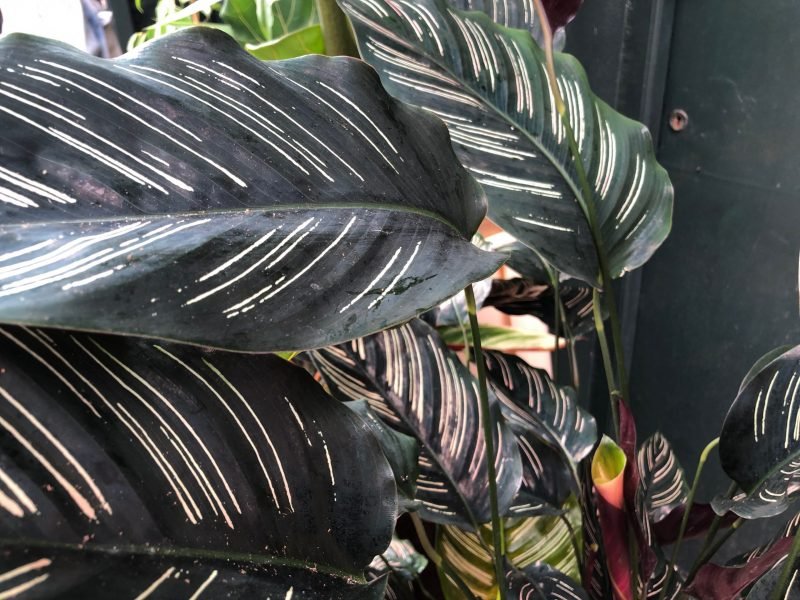
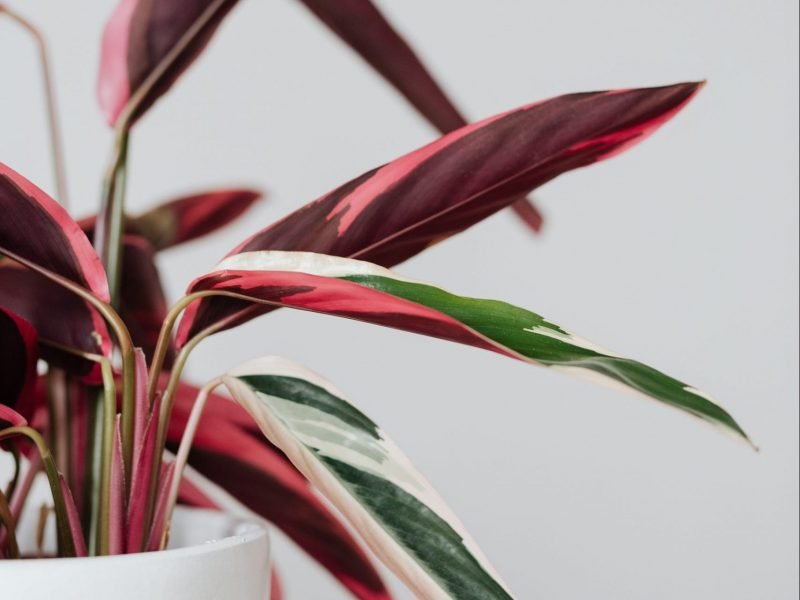
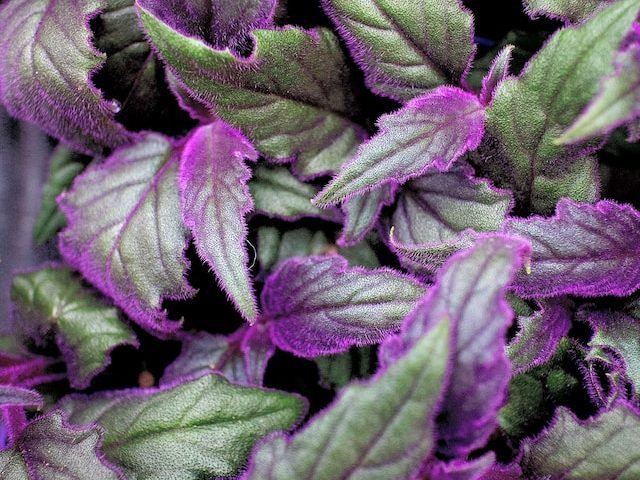
Adored for their pink striped leaves, Pinstripe Calathea is one of the most popular Calathea varieties and we totally understand why. However, they aren’t always as widely available as we might like them to be so propagating your mother plant is a great way to multiply the number of Pinstripe Calathea plants you have. Propagating Pinstripe Calathea plants is also quite easy and the success rate is pretty high if you follow the right method.

In this post, we will go through how to propagate a Pinstripe Calathea and share our top tips to make sure it’s a success!

Is it difficult to propagate a Pinstripe Calathea?

We have good news for you, propagating a Pinstripe Calathea is actually really simple and it’s super quick too! As long as you use the right propagation method and have a healthy plant to begin with, you should be able to successfully propagate your Pinstripe Calathea without any issues.

What methods can I use to propagate my Pinstripe Calathea?

There is one downside to propagating Pinstripe Calathea plants and that is that you can only use the division method. Although you could propagate through the cultivation of seeds, this is a very slow, tricky and often unsuccessful process so we don’t recommend it to anyone other than the professionals. It’s important for the division method that you have quite a mature plant as you’ll need to separate the stems and the root system into multiple new plants.

Below you’ll find the step by step method of how to divide your Pinstripe Calathea!

  1. Take your Pinstripe Calathea out of its pot

    Carefully lift your Pinstripe Calathea out of its pot. You want to make sure you aren’t pulling at the leaves as this can damage them. If it won’t come out of the pot easily, then take a firm grasp on the bottom of the stems near the root system and gently move from side to side. You might also need to untangle the roots from out of the drainage holes.

  2. Shake off the potting mix from the roots

    To be able to divide your mother plant into various new plants, you’ll need to locate the natural offshoots. To do this, carefully remove some of the potting mix from around the root system so you can see what’s going on underneath the soil. Loosely run your fingers through the root system to shake off the soil.

  3. Untangle the various natural sections

    To do this, you might need to slice through a few roots using pruning scissors. As long as you are only cutting through a few of the smaller thinner roots, this shouldn’t impact the overall health of your plant.

    If your Pinstripe Calathea only has one central section, then you will need to slice your plant in half or slice off a section to create two individual plants.


  4. Grow in water or straight into fresh potting mix

    Pot your original plant back into its pot (or downsize if you have removed a large section of the root system). Then you need to decide if your new plant is mature enough to grow straight into soil or if you want to grow your new plant in water for a few weeks. Usually, when using the division method, the roots will be mature enough to support the plant in soil.

  5. Continue your normal Pinstripe Calathea care routine

    If you are growing the new plant in water, change this out every few days and pot your plant into soil once you’ve seen the roots start to mature a bit more. Now your propagation efforts are complete!

Can I propagate my Pinstripe Calathea from just a single leaf?

Unfortunately, you won’t be able to use just a single leaf or stem to propagate your Pinstripe Calathea. It needs part of the node found in the central section of the plant as this is where the roots will grow out from.

What time of year should I propagate my Pinstripe Calathea?

With other houseplants where you can use the leaf or stem cutting method, we always recommend spring and summer as the best time to propagate. However, as you are propagating your Pinstripe Calathea through division, and the root system on the new plant is already mature, you can get away with doing this at any point in the year. Spring and summer will offer better weather for your plant to grow new leaves so if possible, we do recommend doing it at this time.

Those are all the important details you need to know to successfully propagate your Pinstripe Calathea. If you have quite a mature plant, you can often get 3 or even 4 new plants from just one mother plant so this is a great way to instantly multiply your plant collection! Keep a close eye on your plants for a few weeks after propagation just to check that there aren’t any issues popping up as a result.

To learn more about how to care for your new plants after propagation, check out our Pinstripe Calathea care guide.

Fiddle and Thorn is a participant in the Amazon Services LLC Associates Program, an affiliate advertising program designed to provide a means for sites to earn advertising fees by advertising and linking to Amazon.com

Take our houseplant survey!

Quickly respond to our 30 second houseplant survey and get 75% off our Complete Houseplant Care eBook!

Take the Survey

No thanks…

How to propagate a Pilea Peperomioides through cuttings

Last Updated: May 17, 2022

Chinese Money Plants, also known by their latin name Pilea, are one of the easiest plants to propagate. So much so that many people call it the Pass On Plant because they make the perfect gift for friends and family. There is only really one successful method and that is through the growth of babies/pups. These can either grow directly off the stem or as offshoots under the soil which pop up next to the mother plant.

Pilea plants after propagation

3 Pilea plants

Why propagate a Pilea Peperomioides?

Before we get started you might be wondering why it’s beneficial to propagate your plant? Well here are a few good reasons:


  • Create more plants for free!

    This will multiply your plant collection without needing to spend any more money! They also make great gifts for friends and family if your home is already overflowing with plants.

  • To save a dying plant

    If you accidentally overwatered, over-fertilised or mistreated your plant and it has started to die, sometimes the best way to save it is by taking the healthy pups off the mother plant.

  • To avoid your Pilea becoming root-bound.

    When more and more pups start to grow out from the mother plant, the whole plant will become pot bound very quickly. There will be a lack of nutrients for the plant and will stunt growth if not removed.

  • To make your plant fit its environment.

    If your Pilea has become too big for your space or you simply want to prune the shape a little then propagating the pups you cut off is a great way to stop them from going to waste.

Mature Pilea plants are easy to propagate

Pilea plants

How to propagate a Pilea peperomioides through cuttings

Taking cuttings of Pilea pups is the only way to propagate your plant with high chances of success. The only downside to this method is that not all plants will have pups growing off them if they aren’t mature plants. But it shouldn’t take too long before your plant starts to grow offshoots so just be a little patient and make sure your Pilea is getting the right care.

It’s always exciting when we see the first signs of a little pups popping up from the soil or stem and our first instinct might be to remove it straight away. However, you need to sit tight for a little while to allow the pup to strengthen and grow about 5-7cm tall with several leaves before starting to think about separating it from the mother plant. If you repot the pup too early, chances are it won’t survive on its own for very long as the roots won’t have fully developed.

Propagating a Pilea through pups

Pilea cuttings
  1. Locate a healthy Pilea pup

    When taking a cutting you want to make sure that the pup is healthy to give you the best chance of success. Avoid any sign of disease or pests as this will hinder healthy growth.

  2. Take your plant out of its pot

    In order to cut the pup from the mother plant we recommend taking the mother plant out of its pot and remove the potting mix around the pup. This means you can take a longer cutting and include some of the roots if it has started to grow any.

  3. Make the cut

    You want to use clean scissors/ shears or a knife to make the cut to avoid passing on dirt or any infection to the cuttings. Use your tools to make a clean cut across the stem. Try to make the cut as close to the mother plant as possible. Avoid breaking it off or tugging at the pup as this can damage the main stem.

  4. Fill up your container with water

    Next, you want to fill up a glass with fresh temperate water to place your Pilea pup(s) into. Make sure the water isn’t super cold or hot as this will shock or burn the cutting and weaken your chances at a successful propagation.

    It’s best to use purified water so the levels of chlorine and fluoride aren’t as high as in the water straight out of the tap as Pilea plants can be a little sensitive to this. A great way to do this naturally is to leave the water out for 24 hours to allow the chemicals to evaporate. You can also use filtered water or collected rainwater to avoid this sensitivity.

  5. Place your cuttings in water

    Make sure that the water is covering about half of the cutting to boost root growth. Keep all of the leaves out of the water as they will start to rot. Place your glass in bright but indirect sunlight. Intense light will damage the cutting and prevent a successful propagation.

  6. Change out the water regularly

    One of the most important steps in the Pilea propagation process is to switch out the water in your glass regularly. You want to be doing this every 2-3 days. This keeps the water free from bacteria and stops it from stagnating which is harmful to your cutting. Stagnant water will also start to smell so it’s something you really want to avoid.

  7. Be patient

    Luckily Pilea plants are one of the quicker plants when it comes to growing roots. After a couple of weeks, you should start to see some thin roots growing from your pups. Timing can be a little unpredictable though and depends a lot on your cutting and its environment so just make sure your pups are getting enough light, warmth and fresh water and you should start to see roots soon.

  8. Plant your cuttings into fresh potting mix

    Keep an eye on root growth and when your pup’s roots are several inches long you can pot them into soil! We recommend using a high-quality potting mix to make sure your new plants are getting the right mix and level of nutrients. Carefully place your cuttings a few centimetres into the soil, making sure not to damage the newly formed roots as they will be very delicate at this stage.

  9. Resume usual plant care

    For the first few weeks of your new plants living in potting mix, we recommend keeping the soil a little more moist than usual. This is because your cuttings are used to living in water and will need some time to adapt. But after a few weeks, you can go back to regular Pilea care and soon those pups will be mature enough to grow offshoots of their own – and the cycle starts again!

Use sharp scissors to cut off your Pilea baby

Scissors cutting off a Pilea plant

A Pilea pup cutting

A Pilea pup cutting

Pilea Propagation FAQs

Here’s some answers to the most common questions we get on this subject, hopefully something here can help!

Make sure to use high quality mix when propagating your Pilea plant

Repotting a Pilea

Common problems when propagating Pilea Peperomioides

Propagating plants doesn’t always have a 100% success rate and you may encounter some problems along the way. But don’t worry, below we have all the main problems you may face so you can figure out what is causing these problems to arise and hopefully solve them before it kills your plant cuttings.

Fiddle and Thorn is a participant in the Amazon Services LLC Associates Program, an affiliate advertising program designed to provide a means for sites to earn advertising fees by advertising and linking to Amazon.com

Take our houseplant survey!

Quickly respond to our 30 second houseplant survey and get 75% off our Complete Houseplant Care eBook!

Take the Survey

No thanks…

How to propagate a Philodendron Birkin

Last Updated: April 1, 2022

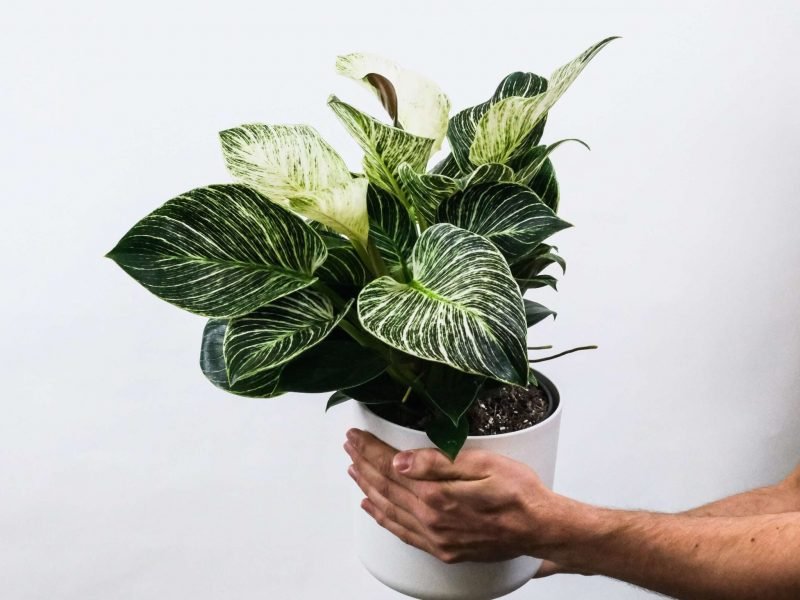
A healthy looking Philodendron Birkin

Although they are starting to become very popular in the houseplant world, Philodendron Birkins can be quite difficult to find in plant shops so propagation is the best way to multiply your Birkin! These incredible white striped plants are fairly easy to care for and bring that special something to your home.

Propagating your Philodendron Birkin doesn’t have to be a difficult process if you know exactly what to do. So we hope this post will guide you through the whole process, from tools needed to a step by step method as well as issues you might face and top tips for a successful Philodendron Birkin propagation.


Why propagate your Philodendron Birkin?

There are several reasons why you might choose to propagate your Philodendron Birkin. The main one is simply wanting to multiply the number of plants you have without actually having to buy any more. Who can say no to free plants?! Plant cuttings also make great gifts for friends, especially when it might be hard for them to get their hands on their own Philodendron Birkin.

The other main reason why many plant parents choose to propagate is because their plant is either becoming too big or very leggy. Cutting your plant back encourages bushier growth and is a great way to cut back that winter growth which may have become straggly or leggy. But instead of simply throwing away those cuttings, why not propagate them and start a whole new mother plant.

What tools will I need to propagate a Philodendron Birkin?

Let’s start off with the easy part. It’s important to make sure you have all the right things before taking the first cutting!

  • Healthy and mature Philodendron Birkin

  • Sharp scissors/shears

  • Spare pot(s)

  • Fresh soil and water

  • Newspaper or plastic sheet

  • Toothpick, plastic wrap and peat moss (if you are using the air layering method)

What methods can I use to propagate my Philodendron Birkin?

There are three main methods of propagation you can use for Philodendron Birkins; stem cuttings, division and layering. Stem cuttings and division are definitely the more common propagation methods used and the ones we would recommend if you are fairly new to propagating houseplants. Below you will find a step by step guide to each method.

Stem cutting method

  1. Locate your stem cutting

    When taking a stem cutting you want to make sure that the part of the plant you are cutting is healthy to give you any chance of success. You also need to make sure this section of your Philodendron Birkin has at least one node. This is a stem joint and where the roots would appear out of. If you can, try to choose a section of the plant that also has aerial roots as this means it will be a more mature plant and propagation will be quicker.

  2. Make the cut

    You want to use clean scissors/ shears or a knife to make the cut to avoid passing on dirt or any infection to the plant. Use your tools to make a clean cut across your plant in a diagonal way. This increase the surface area of the cutting.

  3. Take off any lower leaves

    As you will be placing your cutting in water for several weeks you want to carefully remove any leaves on the lower part of the cutting that may end up sitting in the water. They will rot if they are sat in water for a long period of time so best to cut them off now.

  4. Fill up your container with water

    Next, you want to fill up a glass with fresh temperate water to place your Philodendron Birkin cutting into. Make sure the water isn’t super cold or hot as this will shock or burn the cutting and cause it to die. It is best to use purified water so the levels of chlorine and fluoride aren’t as high as in the water straight out of the tap. A great way to do this naturally is to leave the water out for 24 hours to allow the chemicals to evaporate. You can also use filtered water or collected rainwater.

  5. Place your cuttings in water

    Make sure that the nodes on the stem cutting are sat in the water so that the roots will start to grow out from them. Place your glass in bright but indirect sunlight. Intense light will damage the cutting and prevent a successful propagation. You can use a light monitor to figure out if you’re Philodendron Birkin cuttings are getting the right amount of sunlight. You can also supplement sunlight levels by using an LED grow light which are great at encouraging growth in cuttings. We love this one which is available on Amazon here.

    It’s at this stage that you might choose to use rooting hormone. This will help to speed up root growth on the new cuttings. We have always found this rooting gel to be successful – you can buy it on Amazon here.

  6. Change the water regularly

    It’s super important that you keep the water in your propagation station fresh so we recommend switching it out every couple of days. This keeps it free from bacteria and stops it from stagnating and smelling.

  7. Plant your cuttings into potting mix

    Once the roots on your Philodendron Birkin cutting are longer than a few centimetres you can pot it into soil. We recommend using a high-quality potting mix to aid with drainage and aeration. Our top choice for soil would be this potting mix from Miracle Gro. Carefully place your cutting into the mix making sure not to damage the delicate newly formed roots and continue regular Philodendron Birkin care.

Method 2: Division

You can only use this method if your Philodendron Birkin has several offshoots growing off the same mother plant. If your plant is only one offshoot then you must use the stem cutting or layering methods.

  1. Locate the various offshoots

    When looking for a part of the plant to divide it will become very obvious if there are various offshoots on your Philodendron Birkin. They will be completely separate and growth will stem from the middle of each section.

  2. Take the plant out of the pot

    Once you have located the various sections of the plant you will need to take your Philodendron Birkin out of the pot so you can divide the root system. Carefully lift the plant out and shake off the potting mix around the roots. A good way to loosen the soil is to run your fingers through the roots to start to separate them.

  3. Separate the sections

    You may have to trim off the odd root if they aren’t detangling easily but you should be able to carefully pull the sections apart from each other. It’s ok if you have to slice around the plant a little to separate them but just make sure that each part of the plant has a substantial amount of the root system to aid a successful propagation. When separating parts of the plant, make sure to always use shears rather than pulling the plant apart as this can damage it quite easily!

  4. Place in water or fresh potting mix

    Pot the main mother plant back into its original pot and decide whether you want to place the offshoot in water first or straight into potting mix. This depends on the size of the cutting and the maturity of the root system. If the offshoot has quite mature roots then it will be totally fine growing in potting mix already. However, if you feel the roots need to grow a little more then we recommend placing them into water as a middle step.

  5. Continue normal care

    If your cutting is now in fresh potting mix then you can care for it as you would your other Philodendron Birkin. If it is in water first you want to refresh that water every couple of days and repot into potting mix once the roots have matured a little.

Method 3: Air layering

This method can be a little trickier and fiddlier so we only recommend it if you are a slightly more experienced plant propagator!

  1. Locate a healthy stem

    When choosing the air layering method you want to make sure you are using a healthy and strong part of the stem.

  2. Make a vertical incision into the stem

    Using a clean knife make a vertical cut into the stem that is a couple of inches long. You want it to go about halfway through the stem.

  3. Open up the incision

    We recommend inserting a toothpick into the centre of the incision to hold it open.

  4. Attach damp peat moss to the side of the incision

    You want to tie the peat moss around the stem with the cutting in making sure it stays damp but not soggy at all times.

  5. Wrap up the peat moss

    Wrap a piece of plastic wrap around the peat moss and stem to keep it tight.

  6. Once you see a new root you can cut off the stem

    After several weeks you should start to see new roots growing out of the peat moss. Once you see this you can slice the cutting off the main plant, remove the film and pot the cutting into fresh potting mix. Handle the cutting with care as the fresh roots will be delicate and easily damaged.

Philodendron Birkin Propagation FAQs

Here’s a few of the most common questions we find people have when looking to propagate their Philodendron Birkin.

Common problems when propagating a Philodendron Birkin plant

Propagating plants doesn’t always have 100% success and you may encounter some problems along the way. But don’t worry, below you can figure out what is causing these problems to arise and hopefully solve them before it kills your plant cuttings.

We hope you have found this complete guide to Philodendron Birkin propagation useful. It’s never an exact science and some cuttings will take longer to root than others and sometimes it just won’t work for no real reason. But with the right methods, care and environment you should find success. We have had to wait several months before we saw roots on some of our plant cuttings so it really can just be a waiting game. But the end result is worth it so be patient!

Check out our full Philodendron Birkin care guide to find all the information on how to continue to care for your cuttings once they have matured.

Fiddle and Thorn is a participant in the Amazon Services LLC Associates Program, an affiliate advertising program designed to provide a means for sites to earn advertising fees by advertising and linking to Amazon.com

Take our houseplant survey!

Quickly respond to our 30 second houseplant survey and get 75% off our Complete Houseplant Care eBook!

Take the Survey

No thanks…

How To Propagate a Peacock Plant

Last Updated: April 29, 2022

Part of the Calathea family, the Peacock Plant is known and loved for its incredible leaves, adorned with striking patterns and a natural tendency to curl up at night. It’s no surprise that plant parents across the world are looking to multiply these plants to share the love around, or simply expand their urban jungle. Thankfully, it’s quite simple to propagate Peacock Plants, and this post is going to provide you with a detailed step by step guide to the entire process.

How to propagate a Peacock Plant: The easiest, most successful method of propagating a Peacock Plant is to divide it. This can be done by dividing the roots at the natural divisions and potting each division separately. You can also grow Peacock Plants from seeds, but we don’t recommend this as it’s tricky and takes a very very long time.

How To Propagate Peacock Plants

The best and most successful way to propagate a Peacock Plant is by division. Remove the plant from its pot and gently divide the plant where it has created its own natural separations in the roots. Peacock Plant can sometimes have very delicate roots, so you should be as gentle as possible to prevent damage to the root system. It can also happen that you need to slice one of the sections in half if your Peacock Plant doesn’t have natural separations.

Once separated, plant your new Peacock Plants in new pots with fresh soil, then keep your new divisions warm, moist, and in as much humidity as possible for a few weeks to aid growth.

Why Propagate a Peacock Plant?

There are many reasons that you might choose to or need to propagate your Peacock Plant.

If your Peacock Plant has outgrown its pot, it’s a great time to divide your plant. Peacock Plants generally don’t like being repotted unnecessarily, so dividing your plant at the same time as repotting is a good way to minimize disruption.

Dividing your Peacock Plant also gives you the opportunity to have more beautiful Peacock Plants that you can either keep for yourself or gift to friends and family to grow.

Dividing your Peacock Plant will also help to maintain the size of your plant to ensure it fits the space in your home. If you like having your plant at a particular size, propagating by division prevents your plant from growing too large and outgrowing the space.

When To Propagate Peacock Plants

The best time to propagate your Peacock Plant is in the early spring. This is because your plant will soon be entering the growth stage again. It will not only help the plants get over the stresss of propagation, but it means your new plants will grow new leaves and roots quicker. You can get away with propagating at other times of the year, but new growth will be slower and it can be a little riskier when temperatures are super low.

Step by Step Method to Propagating a Peacock Plant

Follow these simple steps to ensure your Peacock Plant propagation is a success!

Before propagation

  • Choose your new pots for the divisions to be potted into. Make sure the new pots have good drainage holes to prevent waterlogged soil from damaging your new plants. The pots should be a couple of inches wider than the root ball of the divided portion of the plant.
  • Fill the pots about 1/3 of the way full with an appropriate potting mix.

During propagation

  • The first thing you need to do is gently tip your Peacock Plant on its side and slide it out of the pot. You might need to untangle some of the roots that have grown out of the drainage holes first so these don’t rip.
  • Shake away the loose soil and gently separate the roots by running your hands through them.
  • Locate the natural divisions in the rootball of your Peacock Plant and carefully separate the roots at these divisions. At this stage, you can decide how to divide your plant.
  • Place the new plants into the pots and fill up the pot with fresh potting mix.

After propagation

  • Water your new Peacock Plants and allow any excess water to drain away to avoid water stress.
  • Keep your new plants in a warm and humid environment to help recovery and aid new growth.
  • Monitor your new plants closely for a few weeks to spot any issues early. This will give you the best chance of fixing the problem.
  • Continue to care for your new Peacock Plants as you would your mother plant.

How big does my Peacock Plant have to be to propagate it?

Don’t force a division or cut apart the roots before it is ready, just wait until the plant has grown large enough to create its own divisions. A healthy plant will probably be large enough to divide every spring if it has had the right environment for the past year. You also want to ensure that your plant is more than 2 years old as this means it will often be mature enough to have divisions.

Aiding a Successful Peacock Plant propagation

You should always propagate healthy plants regardless of what type of plant you are propagating. Taking cuttings or dividing a sickly plant won’t often be successful. However, in some circumstances, propagating by division might be the only means to save a plant.

How To Care For Peacock Plants After Propagation

Peacock Plant divisions need much of the same care as their parent plants as they already have established root systems when dividend.

For soil, you should choose a well-draining mix to avoid any issues with overwatering and waterlogged soil. Make sure the potting mix contains perlite, to aid with drainage and aeration of the soil.

Peacock Plants, and especially offspring, need warm temperatures and indirect light to thrive. Ensure they are away from any drafts or intense heat. Direct sunlight can also scorch the plant or cause fading of the beautiful colour patterns so avoid this with all Peacock Plants.

When it comes to watering your Peacock Plant, only want to water when the top inch of the soil is dry. Then water thoroughly and let any excess water drain away.

Common Peacock Plant Propagation Problems

If you have propagated your Peacock Plant and the leaves on the new plants are getting brown edges, this signals watering issues, either too much, too little or inconsistent patterns. Make sure to keep the soil evenly moist and keep the humidity around the plant high to prevent it from drying out.

If the divided Peacock Plants start to develop curling leaves throughout the day, rather than just at night, then it suggests underwatering or low humidity. Confirm the issue by checking the moisture in the soil and using a humidity meter.

If your new Peacock plants are wilting and drooping, it might be a sign that they are too cold Move them to a warmer spot in your home, ensuring they are away from drafty windows or AC vents.

Can You Propagate Peacock Plants From Seed?

Although it is possible for Peacock Plants to be propagated by seed, it is often better left to the professionals. It is a lengthy process and is often unsuccessful. However, if you would like a challenge, then here are the steps to maximize success with propagating Peacock Plants from seed:

  • Seeds should be grown in small pots or propagation trays. Use a seed-starting potting mix for the best results.
  • Moisten the soil and plant the Peacock Plant seeds at a depth of 0.5-1cm deep.
  • Use a propagation tray cover to put over the pots. This helps to maximize humidity and keeps the seedlings warm which aids growth.
  • You might also choose to use a heat pad to warm up the area.
  • Keep the soil lightly and evenly moist and place the pots in bright, indirect light.
  • Once the seedlings are 3-4cm high, they can be very carefully moved into individual pots. You need to be very careful when doing this as the roots will be very delicate at this stage, and even the smallest bit of damage can harm your chances at a successful propagation.

Is it possible to propagate Peacock Plants from stem or leaf cuttings?

Unfortunately, it is not possible to propagate a Peacock Plant from either stem or leaf cuttings. Peacock Plant stem cuttings simply do not contain the correct plant tissue to grow new roots and develop into a separate plant which is why you need a section of the main plant to grow new roots from. If you do try to propagate your Peacock Plant through a single leaf, it will start to wilt and die pretty quickly.

To learn more about how to care for your new plants after propagation, check out our Peacock Plant care guide.

Fiddle and Thorn is a participant in the Amazon Services LLC Associates Program, an affiliate advertising program designed to provide a means for sites to earn advertising fees by advertising and linking to Amazon.com

Take our houseplant survey!

Quickly respond to our 30 second houseplant survey and get 75% off our Complete Houseplant Care eBook!

Take the Survey

No thanks…

How to Propagate a Peace Lily | Step by Step Methods

Last Updated: May 2, 2022

Anyone who loves Peace Lilies as much as we do, will also probably be desperate to know what methods you can use to propagate them, as well as how easy and quick it is… Well, the good news is that it really couldn’t be easier but the only downside is that you can only propagate them through division of the mother plant.

In this post we will cover the step by step process as well as what tools you’ll need, issues you may face and all of our tips to ensure success!

Why propagate a Peace Lily?

There are several reasons why you might choose to propagate your Peace Lily. Firstly, lots of people want to simply multiply the number of plants you have without actually having to buy any more. Offshoots will also make great gifts for friends and family, and with correct care will soon flower on its own.

You may also choose to multiply your Peace Lily if part of it is sunburnt or starting to die. You just want to be sure that the section of the plant you are using is healthy and pest-free. Otherwise, the illness or pests will transfer onto your new plant, which really isn’t ideal!!

What tools will I need to propagate my Peace Lily?

Let’s start off with the easiest part. It’s important to make sure you have all the right things before taking the first cutting!

  1. Healthy and mature Peace Lily

  2. Sharp scissors/shears

  3. Spare pot(s)

  4. Fresh soil and water

  5. Newspaper or plastic sheet

What methods can I use to propagate my Peace Lily?

Unlike many other houseplants, Peace Lilies are herbaceous, this means that they have no stems above the soil level. Because of this, there is only really one way to successfully propagate them which is through division of a large mother plant. This means you will need quite a mature plant with various natural offshoots to be able to make two or more plants out of it which can be a bit of a barrier if your plant is still quite young.

How to propagate a Peace Lily by division of the mother plant

  1. Take your plant out of its pot

    To be able to divide your Peace Lily you’ll need to locate the natural offshoots of the plant, so start by taking it carefully out of the pot. As they grow they develop new sections of leaves that will almost appear to be separate plants already.

    Shake off the potting mix around the roots and run your fingers through the roots if they are quite packed together, a chopstick can also be handy for loosening any tightly packed soil.

  2. Locate the various offshoots on your plant

    When looking for a part of the plant to divide it will become very obvious where the natural offshoots are. Each section will have its own root system that can be separated to form a new plant.

  3. Separate the sections

    You may have to trim off the odd root if they aren’t untangling easily, but you should be able to carefully pull the offshoots apart from each other.

    When doing this, you want to make sure that each part of the plant has a substantial amount of the root system to aid a successful propagation. The number of new plants you make at this stage is completely up to you and how bushy or small you want them to be.

  4. Place in water or fresh potting mix

    Pot the main mother plant back into its original pot (or downsize to a smaller pot if you have taken away a large amount of the growth).

    Now the next step is to decide whether you want to grow your new offshoots in water before potting into soil. You only really need to do this if the sections have very short roots but usually with division we go straight into potting mix.

  5. Continue normal care

    If your cutting is now in fresh potting mix then you can care for it as you would your mother Peace Lily. If it’s in water first you want to refresh that water every couple of days and repot into potting mix once the roots have grown.

Peace Lily Propagation FAQs

Below you’ll find all the answers to your questions, from time of year to equipment you can use to aid success.

Should I use a grow light for my Peace Lily cuttings?

Grow lights are great to use when propagating houseplants as they provide ideal light conditions for young cuttings. They can avoid problems caused by a lack of sunlight and help to stimulate growth. Grow lights can also be used more generally on your mature houseplants if they don’t get enough light in autumn and winter so are a great investment for any plant parent.

What’s the best time of year to propagate a Peace Lily?

You want to begin in spring/summer but make sure that any wintery cold weather is behind you so that your new plants are growing in warmer brighter months. This will speed up growth and help them recover from any stress.

As you will be dividing the plant, rather than growing cuttings it won’t matter so much about doing it at the start of the warm weather as the process is much quicker. Propagating Peace Lilies in autumn or winter is still possible but will mean your new, now less mature plants won’t be growing as fast and the risk of root rot is much higher!

Can I propagate my Peace Lily from a single leaf?

Unfortunately, no! The only ways to grow new Peace Lilies is by division of the mother plant or by germinating seeds (but this is a very lengthy and often unsuccessful process).

How do you take care of a young Peace Lily?

Exactly the same as you would a fully grown plant! Native to the tropical rainforests of Central and South America, they love bright indirect light, a moderate amount of water and higher than normal humidity (this can be supplemented with a spray bottle, or even better, a humidifier). You can learn more at our Peace Lily care guide.

Should I mist my young Peace Lily plant?

Absolutely! They love humidity and will really appreciate the misting from a spray bottle.

If you’re into making your life a little easier, you could invest in a humidifier (this is our favourite) and take the work out of maintaining the health of your plant.

Common problems when propagating a Peace Lily

Why is my young Peace Lily turning yellow?

This is normally a sign that your plant isn’t happy with its current lighting situation. Unfortunately, this could mean too much or too little light is getting to the plant, so try a few different spots and give it some time to adapt and react to its new environment.

Why is my young Peace Lily drooping?

This is almost always a sign that your plant doesn’t have enough water. Once you water it, your Peace Lily will spring back to life in around 30 minutes. They can just be a little dramatic at times!

Check out our detailed Peace Lily care guide for more information on how to care for your plants after propagating!

Fiddle and Thorn is a participant in the Amazon Services LLC Associates Program, an affiliate advertising program designed to provide a means for sites to earn advertising fees by advertising and linking to Amazon.com

Take our houseplant survey!

Quickly respond to our 30 second houseplant survey and get 75% off our Complete Houseplant Care eBook!

Take the Survey

No thanks…

How to propagate a Nerve Plant – Step by Step Methods

Last Updated: April 29, 2022

A Complete Guide To Nerve Plant Propagation

Loved for their array of colours, the Nerve Plant has shot up the houseplant popularity rankings in the past few years and we totally understand why. Although their care requirements may be a little fussier than some other plant types, propagating Nerve Plants couldn’t be easier!

Below, we will go through the main method of Nerve Plant propagation as well as tips and advice to help you along the way.

Nerve Plant Propagation Methods

There is one main method to propagate Nerve Plants and that is through stem cuttings. You can also choose to use the division method which we will also outline below, but it’s worth noting that you’ll need a bushier, more mature plant for this.

How to propagate a Nerve Plant through stem cuttings


Step 1: Locate healthy stems

When choosing a part of the plant to propagate you need to make sure that the part of the plant you’re cutting is healthy to give you any chance of success. Avoid any sign of disease or pests as they will be transferred onto your new cuttings and will normally mean your propagation won’t work.

You want to look for longer stems to choose as cuttings if possible as these will have greater success and are easier to work with.


Step 2: Make the cut(s)

How many cuttings you take is up to you and depends both on how many new plants you want to grow and how bushy your mother Nerve Plant is. Make sure the tools you use are clean to avoid passing any dirt or bacteria onto both the main plant and the cutting. Oh and never rip off the stems, always cut them properly as you don’t want to damage the stems.


Step 3: Fill a container with fresh water

Avoid particularly hot or cold water as you don’t want to shock or burn your Nerve Plant cuttings as they are quite sensitive having just been removed from the mother plant.


Step 4: Place your cuttings in water

You want about one third of the cutting to be in the water, any more and you risk the stem cutting rotting. Then place your glass in bright but indirect sunlight making sure it doesn’t receive any direct sunlight which can burn and dry out the young cutting.


Step 5: Continue to refresh the water regularly

This will prevent the water in your Nerve Plant propagation station from stagnating and harming your cutting.


Step 6: Wait, wait wait

Luckily, you don’t have to be too patient with Nerve Plant cuttings as you should start to see some roots growing after a week or two. This process is unpredictable though so be prepared to wait a while in some cases.


Step 7: Transfer your cuttings to soil

Once the roots on your Nerve Plant cutting are a few inches long, it’s time to pot them into soil! Handle your cuttings with care as the roots will be very very delicate.


Step 8: Your Nerve Plant propagation is complete

You can now begin to care for your new plants as you were the mother plant!

Nerve Plant Propagation Through Division

The benefit of this method is that you’ll have multiple Nerve Plant in a matter of minutes! It’s also the less risky method as each new plant will already have an established root system. However, the downside is that you do need to take a chunk of your mother plant so isn’t suitable for more mature plants. Below you’ll find the step by step for this method to follow along with:


Step 1: Remove your mother Nerve Plant from its pot

Before tugging at the plant, check the bottom of the pot to see if the roots are growing out of the drainage holes. If so, carefully untangle these as otherwise, they will rip off as you remove the pot and you want to keep as much of the root system intact for this method.


Step 2: Loosen the soil from the root system

A good way to do this is carefully run your fingers through the roots, shaking them to remove the soil. This will allow you to see the various divisions of your plants and you can start to think about how you want to divide your plant up.


Step 3: Separate your Nerve Plant into sections

It’s important to sure that each section has a substantial amount of mature roots to aid a successful Nerve Plant propagation. But exactly how you want to divide your plant is up to you!


Step 4: Pot your plants

Place your mother plant back in its pot (or into a smaller pot if you have taken a lot away from it). Then pot your new divisions into fresh potting mix, lightly compressing the soil to keep them upright.

Step 5: Continue normal Nerve Plant care

As your cutting is now in fresh potting mix you can care for it as you would your other Nerve Plant. Do keep a close eye on both your new plant and your mother plant over the next few weeks to make sure that everything is OK.

Nerve Plant Propagation FAQs


Is it possible to propagate individual leaf cuttings on a Nerve Plant?

Whilst it technically can be possible to propagate a leaf cutting, the survival and success rates are very low so we don’t often recommend it. Stem cuttings and the division methods are a lot safer and lead to incredible results.


Will the stem cuttings look like my mother Nerve Plant?

Yes, using stem cuttings with Nerve Plants means that the new plants will have the same colour as the mother plant.


What time of year should I propagate my Nerve Plant?

Spring is the best time to take cuttings as the warm summery months ahead will aid root growth. However, if you are looking to use the division method, you can do this whenever as the root system is already established.

We hope you have found this guide to Nerve Plant propagation useful. It’s a lot quicker than most other plant types and you’ll find your stem cuttings growing roots in no time with the right care and environment.

To learn more about how to nurture your cuttings after propagation, check out our Nerve Plant care guide.

Fiddle and Thorn is a participant in the Amazon Services LLC Associates Program, an affiliate advertising program designed to provide a means for sites to earn advertising fees by advertising and linking to Amazon.com

Take our houseplant survey!

Quickly respond to our 30 second houseplant survey and get 75% off our Complete Houseplant Care eBook!

Take the Survey

No thanks…

How to propagate a Monstera Deliciosa plant

Last Updated: March 15, 2023

Monstera Deliciosa, also commonly known as Swiss Cheese Plants, is one of the most unique, popular and striking houseplants. Originating from the tropical rainforests, they are loved for their large heart-shaped split leaves which dominate the room. Propagating your Monstera may feel a little daunting at first but if you have a strong and healthy mother plant it can be a really simple process. Luckily they also grow fairly fast and they are quite resilient so are a great plant to propagate.

In this post we will guide you through the complete propagation process; the various ways you can propagate a Monstera, the dos and don’ts, what tools you’ll need to propagate and things to look out for to ensure a successful propagation.

Why propagate a Monstera plant?

There are several reasons why you might choose to propagate your plant. Firstly, they don’t always grow how we want them to! They sometimes grow sideways, too leggy or tall. Propagating can help to keep your beloved plant in the right shape for your space.

If you notice that your plant is dying then sometimes the only option is to propagate the healthy part of the plant and give up on the rest. Although we never like this option, sometimes it’s the only way to keep at least some of the plant alive.

And lastly, our favourite reason to propagate Monstera plants; get free plants! Propagating is a great way to multiply the amount of greenery in your home without actually having to spend any more money on plants. Cuttings also make great gifts for friends and family so the reasons you might want to propagate one are almost endless…

What tools you will need

Let’s start off with the easy part. It’s important to make sure you have all the right things before taking your first cutting!


  • Healthy and mature Monstera Deliciosa plant

  • Sharp scissors/shears

  • Spare pot

  • Fresh soil and water

  • Newspaper or plastic sheet

  • Toothpick, plastic wrap and peat moss (if you are using the air layering method)

What methods can I use to propagate my Monstera Deliciosa?

There are three main methods are stem cuttings, air layering and division. Stem cuttings and division are definitely the more common propagation methods used and the ones we would recommend if you are fairly new to propagating houseplants. But you can have really great success with the air layering method and is perfect for plant parents wanting to do something a little different. Below you will find a step by step guide to each method.

How to propagate a Monstera through stem cutting

This is probably the most straight forward method of propagation, it’s likely this is the route you’ll take for the first time.


Propagating a Monstera through stem cuttings
Monstera stem cutting
  1. Locate your stem cutting

    When taking a Monstera stem cutting you want to make sure that the part of the plant you are cutting is healthy to give you any chance of success. You also need to make sure this section has at least one node. Nodes are stem joints where the ariel roots grow out from. They are really easy to spot as they are just below each leaf on the main stem. Most nodes on your plant will have a long ariel root attached but it may happen that some of the newer parts of the plant just have a bump and no root yet.

    If you can, try to choose a section of the plant that contains a few nodes, one or more of which have mature aerial roots as this will help speed up the propagation process a little.

  2. Make the cut

    This is the scary part! Now that you have located the section of the stem, you need to cut it off! Use clean scissors/ shears or a knife to make the cut to avoid passing on dirt or any infection to the plant. Use your tools to make a clean cut across your plant in a diagonal way. This increases the surface area of the cutting.

  3. Take off any lower leaves

    As you will be placing your cutting in water for several weeks you want to carefully remove any leaves on the lower part of the cutting that may end up sitting in the water. They will rot if they are sat in water for a long period of time so best to cut them off now. If your cutting only has a few leaves then skip this step and make sure the water level isn’t super high.

  4. Fill up your container with water

    Next, you want to fill up a glass with fresh temperate water to place your cutting into. Make sure the water isn’t super cold or hot as this will shock or burn the cutting and cause it to die. It is best to use purified water so the levels of chlorine and fluoride aren’t as high as in the water straight out of the tap. Monstera plants aren’t super sensitive to this compared to other houseplants but if you can use filtered water or rainwater then go for it!

  5. Place your Monstera cutting in water

    Make sure that the node(s) on the stem cutting is sat in the water so that the roots will start to grow out from there. Place your glass in bright but indirect sunlight. Intense light will damage the cutting and might mean your propagation isn’t successful.

    You can use a light monitor to figure out if your Monstera cuttings are getting the right amount of sunlight. You can also supplement sunlight levels by using an LED grow light which are great at encouraging growth in cuttings. We love this one which is available on Amazon here.

    It’s at this stage that you might choose to use rooting hormone. This will help to speed up root growth on the new cuttings. We have always found this rooting gel to be successful – you can buy it on Amazon here.

  6. Change out the water regularly

    It’s super important that you keep the water in your Monstera propagation station fresh so we recommend switching it out every couple of days. This keeps it free from bacteria and stops it from stagnating and smelling. Some parents believe that the water shouldn’t be switched out as this can remove nutrients from the cutting but we always recommend keeping it fresh as stagnant water breeds bacteria which can harm your cutting.

  7. Be patient

    This is the point at which things can get a little boring. There is nothing left to do other than change out the water and wait for roots to grow. Don’t worry if this process takes several weeks or months as that is totally normal! Growth on your cuttings is very unpredictable and depends on a lot of things so just make sure your cutting is healthy and you should start to see new roots soon.

  8. Plant your Monstera cuttings into potting mix

    Once the roots on your cutting have matured well growing in water you can pot your cutting into soil. We recommend using a high-quality potting mix to aid with drainage and aeration. Our top choice for soil would be this potting mix from Miracle Gro. Carefully place your cutting into the mix making sure not to damage the delicate newly formed roots and continue regular care.

Propagating a Monstera can be easy!
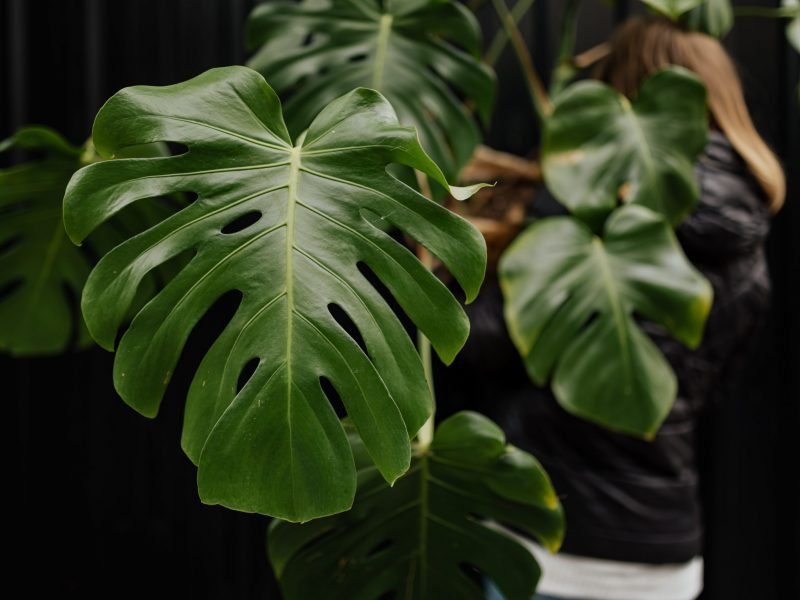
Monstera plant

How to propagate a Monstera through air layering

This method of propagation can be a little trickier and fiddlier so we only recommend it if you are a slightly more experienced plant propagator!


  1. Locate a healthy stem

    When choosing the air layering method you want to make sure you are using a healthy and strong part of the stem. Avoid any part of the plant that is yellow, brown or showing signs of pests/sunburn etc. This will impact how successful your propagation is so choosing the right part of the stem is key to this method of Monstera propagation.

  2. Make a vertical incision into the stem

    Using a clean knife make a vertical cut into the stem that is a couple of inches long. You want it to go about halfway through the stem. When making the cut it’s important you don’t slice all the way through to the other side of the stem.

  3. Open up the incision

    We recommend inserting a toothpick into the centre of the incision to hold it open. This can be a little fiddly as you don’t want to poke through the stem.

  4. Attach damp peat moss to the side of the incision

    You want to tie the peat moss around the stem with the cutting in making sure it stays damp but not soggy at all times. Use brown string, plant ties or garden wire to secure the peat moss to the stem.

  5. Wrap up the peat moss

    You want to wrap a piece of plastic wrap around the peat moss and stem. Wrap it firmly around the stem but still leaving some air pockets around the peat moss.

  6. Once you see a new root you can cut off the stem

    After several weeks you should start to see new roots growing out of the peat moss. Once you see this you can slice the cutting off your plant, remove the film and pot the cutting into fresh potting mix. Handle your new Monstera cutting with care as the fresh roots will be delicate and easily damaged.

How to propagate a Monstera plant through division

You can only use this method if your plant has several stems growing in the same pot. If your plant is only one offshoot then you must use either the stem cutting or air layering methods.


Propagating a Monstera plant through division
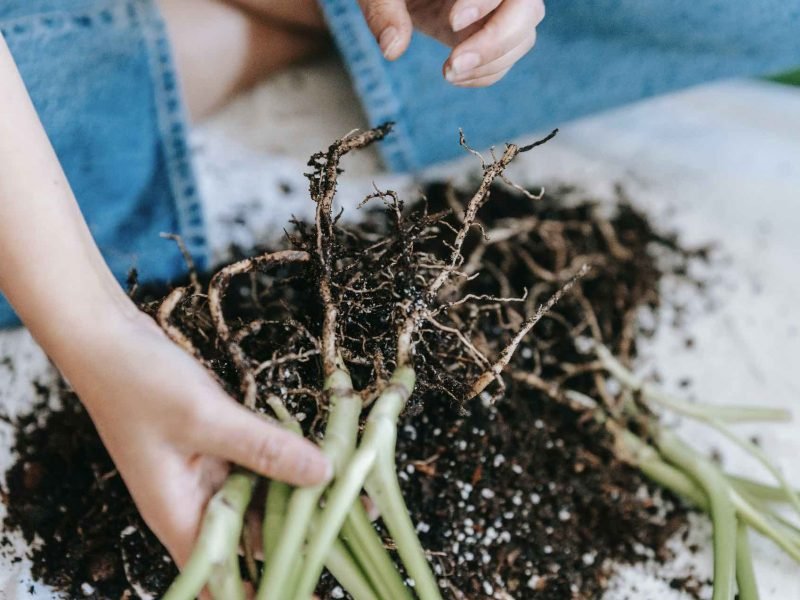
Propagating a Monstera through division
  1. Locate the various offshoots of your Monstera

    When looking how to divide your plant, it will become very obvious if there are various offshoots/stems. They will be completely separate and leaves will grow out from each of the stems.

  2. Take your Monstera out of the pot

    Whilst the other methods of propagation you can do without even needing to get your hands dirty, with the division method you need to divide the root system so you’ll need to remove your plant from its pot. Carefully lift the plant out and shake off the potting mix around the roots. A good way to loosen the soil is to run your fingers through the roots to start to separate them.

    Be careful not to damage the roots. Monstera plants have fewer but thicker roots in comparison to many other houseplants so damage to the root system can impact the plant’s health and future growth.

  3. Separate the sections

    You may have to trim off the odd root if they aren’t detangling easily but you should be able to carefully pull the sections apart from each other. It’s ok if you have to slice around the plant a little to separate them but just make sure that each part of the plant has a substantial amount of the root system to aid a successful propagation.

  4. Place in water or fresh potting mix

    Pot the main mother plant back into its pot (or downsize if you have taken a lot away from the plant) and decide whether you want to place the new plant in water first or straight into potting mix. This depends on the size of the cutting and the maturity of the root system. If the divided section has quite mature roots then it will be fine growing in potting mix straight away.

  5. Continue normal care

    Now that your new plant is happily in its new home with plenty of fresh potting mix, your propagation is complete! You can now care for your new plant like you would the other one, making sure it gets the right amount of light, warmth, water and humidity to thrive!

Monstera Deliciosa Propagation FAQs

Here are some answers to the most common questions we get on this subject, hopefully, something here can help!

What’s the best time of year to propagate a Monstera plant?

Ideally, you want to propagate at the beginning of spring for the best chance at a successful propagation. Make sure that any wintery cold weather is behind you so that your cuttings are growing in warmer brighter months. Monstera propagation can be a little slower than other houseplants so make sure you don’t leave it too late as they will struggle to grow once autumn arrives.

Propagating in autumn or winter will mean that your cuttings will be trying to grow at a time where the plant is usually dormant. So you won’t really see much happening at all and the risk of leaf and root rot is a lot higher due to the cold temperatures. Propagating in spring also means the mother plant has the ideal conditions to recover as sometimes propagation can be a little stressful for plants.

Do I need to use a rooting gel or powder when propagating a Monstera plant?

Whilst it is not essential, you can definitely use rooting gel or powder to speed up the propagation process a little. Rooting hormone stimulates root growth and produces stronger roots which is really important for Monstera plants.

You can buy rooting hormone in 3 types: powder, liquid or gel. When using a powder you dip the end of the cutting (including the node) into water and then into the powder before planting directly into fresh potting mix. The moisture helps the powder to stick to the cutting. Gel and liquid forms work in a similar way but are great when choosing to propagate in water first. We recommend this rooting gel which is available from Amazon.

Should I use a grow light for my Monstera cuttings?

Grow lights are great to use when propagating houseplants as they provide ideal light conditions for young seeds and cuttings. They can avoid problems caused by a lack of sunlight and help to stimulate growth. Grow lights are also great to use more generally on your houseplants if they don’t get enough light in autumn and winter so are a great investment for any plant parent. This is a great one from Amazon which we have always found works really well on our Philodendron Birkin cuttings.

What is a node?

It’s important that you are able to identify the different parts of the plant so you know where to make the cut. A node is where the stem and leaf joints meet. You will often see aerial roots grow from these nodes. If there isn’t a root there yet, you may feel a little bump in the stem which indicates a node.

When propagating plants through stem cuttings, you need to include at least one node. Without it, you won’t have any chance of a successful propagation as there is nowhere for the roots to form and the leaf will die relatively quickly.

Can I propagate a Monstera from a single leaf?

Unfortunately, you aren’t able to propagate a Monstera from a single leaf cutting. There needs to be at least one node so that roots can start to form. Often you’ll see on Instagram that people put individual leaves in a container for decoration but this won’t actually lead to successful propagation. Often individual Monstera leaves can survive on their own in water for a while but won’t actually ever grow into a new plant.

How many nodes do I need on my cutting?

Whilst you can have plenty of success propagating with just one node, try to choose a cutting with 2 or 3 nodes. It will help growth and we have had more success than with a single leaf. It also means that the cutting immediately feels like a new plant, rather than just one lonesome leaf.

Should I fertilise my Monstera cutting?

We always recommend staying away from fertiliser until your new plant is around 1 year old. Fertilising too early can have the opposite effect as it provides nutrients straight to the plant which discourages root growth. Fertilising such young plants can also shock them and cause various issues such as yellow leaves and small growth so hold off the feed for a while.

After about a year you will want to start introducing fertiliser using this liquid feed as you can easily regulate how much you are fertilising your new plant compared to plant food spikes.

How do I propagate a Monstera without a node?

Unfortunately, it’s not possible to propagate a Monstera if you have a cutting without a node. You will need to either divide your Monstera or use a stem cutting that has at least one node. As the growth tissue exists in the node, without it it’s not possible for new growth to grow without it.

If you do try propagating a Monstera without a node, the leaf will likely survive on its own for a while, but after a few weeks will wilt and die.

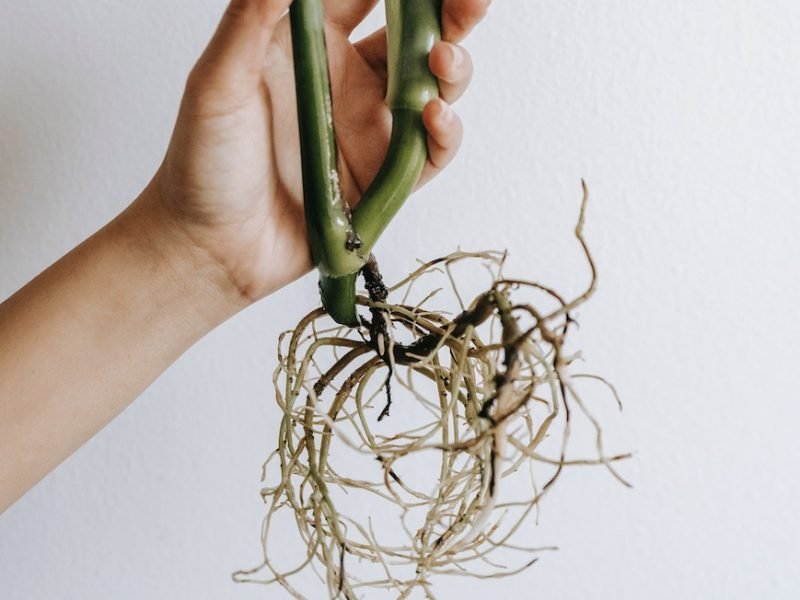
Be careful when removing your Monstera from its pot
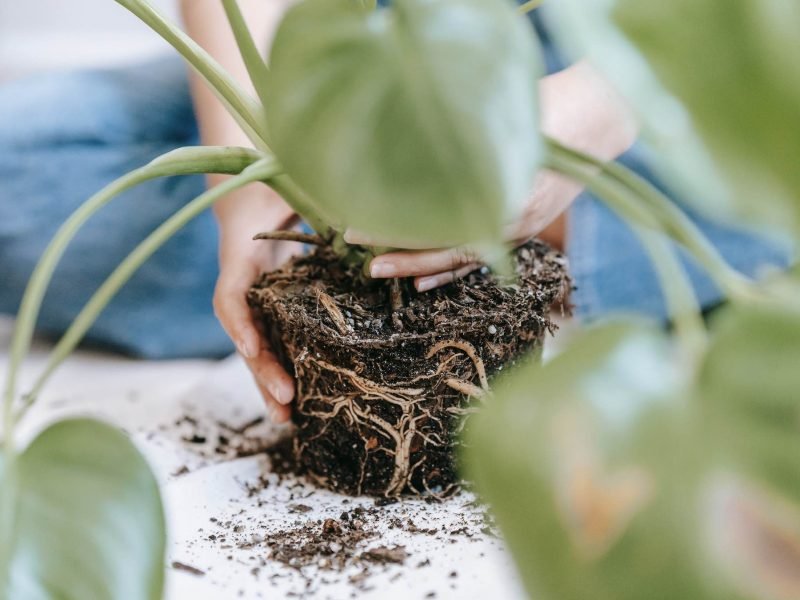
Root system of a Monstera plant

Common problems when propagating a Monstera Deliciosa plant

Propagating plants won’t always be successful and you’re more than likely to come across some issues along the way. But if you catch the problem early, and know how to fix it properly, you should be able to revive your cutting and propagate it successfully.

Why isn’t my Monstera cutting growing roots?

Propagating Monstera plants isn’t as quick as a lot of other houseplants and can take many weeks and sometimes even months for roots to appear. Make sure you are changing out the water regularly and keeping the plant in a nice warm environment and you should start to see new roots growing eventually.

If you want to try and speed up the process you can use rooting hormone (either a gel, powder or liquid) which encourages faster root growth but it’s not always a guarantee and comes with risks of its own.

If you are trying to propagate your plant when the temperatures aren’t super high in your home then this may be the cause of the lack of growth. Remember, these plants are native to the rainforests so won’t like cold or dry environments. You can help to speed up root growth by using a heat pad that you place underneath your cuttings. This warms up the area and provides an ideal environment for new growth.

Why is my Monstera cutting turning mushy?

If your cutting is turning brown and mushy then unfortunately this isn’t a good sign. This is usually due to the cutting rotting in stagnant water. You want to make sure you are regularly refreshing the water every few days so that it doesn’t encourage the growth of bacteria. We recommend trimming away the mushy part of your Monstera and hopefully, there is still at least one node on the cutting so that it can still recover and grow roots.

Why are the new leaves on my Monstera cutting small?

If your cutting is starting to grow new leaves but they are much smaller than the leaves on the mother plant don’t worry at all. This is completely natural and simply due to the root system being less mature than that of the larger plant. Mature Monstera plants have really large leaves but you shouldn’t expect that on the new plants straight away. Give it time and slowly the new leaves will start to get bigger and you can trim away the smaller leaves to encourage new healthy growth.

You can help growth a long a little by using an LED grow light to make sure your new plant is in the ideal environment. We have found this one from Amazon to work really well on new cuttings and plants.

Why is my Monstera cutting turning yellow?

If the leaves on your cutting are turning yellow then it may be due to too much direct sunlight which has burnt or scorched the leaves. Using a light monitor can help you figure out how much light your plant is getting throughout the day.

If you have recently moved your cutting from water to potting mix take it out of the pot and see if you can spot a problem with the roots as yellow leaves can be caused by overwatering. As your new plant will be a lot smaller than your mother plant, adjust your watering habits accordingly. One way we make sure to water our cuttings the right amount is by using a moisture meter. You just pop them into the soil and it’ll do the work for you!

There is a weird film on my cuttings in water?

It’s totally normal for a weird layer to form around your cutting and its roots in water. This is totally normal and just comes from the water. You don’t need to worry about this at all as it shouldn’t harm your chance of a successful propagation. We recommend giving your cutting a quick rinse each time you change out the water to remove this layer.

Check out our full Monstera Care Guide that has all the information on how to continue care for your cutting once it has matured.

Fiddle and Thorn is a participant in the Amazon Services LLC Associates Program, an affiliate advertising program designed to provide a means for sites to earn advertising fees by advertising and linking to Amazon.com

Take our houseplant survey!

Quickly respond to our 30 second houseplant survey and get 75% off our Complete Houseplant Care eBook!

Take the Survey

No thanks…

How to Propagate a Monkey Mask Monstera

Last Updated: May 17, 2022

The good news is that Monkey Mask Monstera plants are really easy to propagate and it can be done by a variety of methods which we will explain below.

In this post, we will guide you through not only the different ways you can propagate your Monkey Mask Monster but the tools and equipment you’ll need as well as how to spot and solve any issues you may face along the way. Before you know it, you’ll have plenty more Monkey Mask Monstera plants to fill your urban jungle!

Why would you want or need to propagate your Monkey Mask Monstera plant?

Before we get into the finer propagation details, we thought it would be useful to cover off the reasons why plant parents choose to or are forced to, propagate their Monkey Mask Monstera.

The main reason is often just wanting to grow more plants without having to spend any more money. Plants and plant cuttings make great gifts for friends and family which is why we always make sure to take a few cuttings from each of our new plants to share.

The other reason why many plant parents choose to propagate their Monkey Mask Monstera is that their plant is either too long for the space or has become quite leggy. Pruning your Monkey Mask Monstera encourages bushier growth and is a great way to cut back that winter growth which can often be straggly or leggy. But it would be such a shame to throw away those beautiful Monkey Mask Monstera cuttings so why not propagate them!

You may also be forced to propagate your Monkey Mask Monstera if you see that your plant is starting to show any worrying symptoms. Brown or yellow leaves, as well as other common problems, are worrying for all plant parents. We always recommend trying to solve the problem but it’s always a good idea to take a few cuttings in case your mother plant doesn’t make it!

What tools/equipment do you need to propagate a Monkey Mask Monstera plant?


What different methods can you use to propagate a Monkey Mask Monstera plant?

The great thing about Monkey Mask Monstera plants is that there are plenty of ways to propagate them. The most common of which is vine cuttings but you can also use the layering method as well as division of the mother plant. Note that the layering technique is different to air layering. Luckily for us all, it’s much simpler as it means rooting your vines whilst still attached to the mother plant.

Below you’ll find a detailed step by step process of each propagation method so you can figure out what’s best for you and your plant.

How to propagate a Monkey Mask Monstera plant through vine cuttings

This is the most common method of propagating Monkey Mask Monstera plants as it’s suitable for all maturities. So however big, small, bushy or leggy your Monkey Mask Monstera is, this propagation method can work for you! It’s also really easy and you can create several new Monkey Mask Monstera plants just by taking a short vine cutting.


  1. Locate a healthy vine (or two)

    When taking a vine cutting it’s important the part of your Monkey Mask Monstera you’re propagating is healthy to give you the best chance of success. Avoid using any vines that are showing any signs of disease or pests as these problems will be transferred onto your new cuttings.

    Each vine cutting you take from your Monkey Mask Monstera should have several healthy nodes and leaves. A node is the joint in the stem where the root would grow out from (you may feel a slight bump running a finger down the vine). If you can, try to choose a section of the plant that already has a small aerial root stub as this means root growth will be quicker but you can still have success without it.

  2. Make the cut

    Use your scissors to make a clean cut across the vine. Each cutting needs one vine to be successful as this is where the roots will grow out from.

    Top tip: Make sure your scissors/ shears are clean when making the cut to avoid passing on dirt or any infection into the cutting(s).

  3. Fill up a container with water

    Next, fill up a container with fresh water to place your Monkey Mask Monstera cuttings into. Make sure the water you are using is temperate as hot or cold water will shock or burn your cuttings which can damage your chances at root growth.

    We recommend using a transparent container when propagating your plants as it not only allows you to see the new roots growing (which is pretty cool) but it’ll help you spot any issues early!

  4. Place your Monkey Mask Monstera cutting(s) in water

    Make sure that the nodes on your Monkey Mask Monstera stem cutting are sat directly in the water. Then place your cuttings in bright but indirect sunlight and away from any cold drafts.

  5. Refresh the water every few days

    One of the most important steps in the propagation process is to refresh the water every 2-3 days. This keeps the water from stagnating and releasing bad bacteria into the water. Stagnant water is not only harmful to your Monkey Mask Monstera cutting, but it will also start to smell pretty bad!

  6. Be patient

    Monkey Mask Monstera cuttings should grow roots fairly quickly compared to a lot of other houseplants which is probably music to your ears. After just a few weeks, you should spot some roots growing out from the nodes.

    Don’t worry if this process takes a little longer though as it is unpredictable and doesn’t mean that it won’t be a success. As long as your cuttings are getting enough light, warmth and fresh water, you should see roots appearing soon.

  7. Plant your cuttings into fresh potting mix

    Once the roots on your Monkey Mask Monstera cutting are about 5-10 centimetres in length, you can pot them into soil!

    You want to use a high-quality potting mix to ensure your Monkey Mask Monstera cuttings are getting the right balance of nutrients to encourage new healthy growth. Carefully place your cuttings a few centimetres into the soil, as you don’t want to damage the new delicate roots.

  8. Resume usual Monkey Mask Monstera care

    As your cuttings will be quite used to living in water, we recommend watering them a little more than usual in the first few weeks to avoid the root system becoming dry and crispy.

    Then slowly adjust the watering and care for your cuttings as though they were mature plants. With the right care, the vines will be long enough to propagate again in no time!

How to propagate a Monkey Mask Monstera plant through layering

As we mentioned above, the layering method is very different to what is known as air layering. It’s simpler and doesn’t require cutting into the stem and using peat moss as air layering does.


  1. Locate a healthy vine

    As with all other propagation methods, you want to make sure that you choose a nice healthy vine as any issues will harm your chances of a successful propagation of your Monkey Mask Monstera.

  2. Fill a spare pot with fresh soil

    Make sure to use a high-quality potting mix so that your vine cutting gets the right balance of nutrients. It’s also important to use a potting mix that is well-draining (you’re looking for a large amount of perlite) as this will help to prevent waterlogged soil which will rot the vine.

  3. Place the vine on top of the potting mix

    Place your new pot next to the mother plant and carefully place your Monkey Mask Monstera cutting on top of the pot.

    It’s important that the vine is still attached to the mother plant as this will mean it still gets vital nutrients. We like to wrap the vine around in circles so that each of the nodes is touching the soil. Press in each node gently into the potting mix but don’t cover the vine or leaves entirely.

  4. Keep the potting mix moist, but not soggy

    You want to keep some moisture in the top of the potting mix at all times as this will encourage roots to grow from the nodes of your Monkey Mask Monstera vine. The best way to do this is by using a spray bottle as this will help avoid waterlogged soil.

  5. Be patient

    Now that your Monkey Mask Monstera vine is happy in its pot and you are watering it occasionally, the only thing left to do is wait for roots to grow. It will be several weeks before anything happens above the soil but this doesn’t mean things aren’t developing underneath the node.

    Whilst you might be tempted to check on progress, we strongly recommend against disturbing the vine as this can damage the delicate root growth.

  6. Check on growth

    After a month or so, now is a good time to check on root growth. Carefully dig around the nodes of your vine to see if roots have grown under the surface. If there is a healthy root system growing from the nodes, this means your propagation has been a success!

  7. Remove from the mother plant

    Now that each of the nodes has its own root system, you can carefully remove the vine from the mother plant. You can now cut up the vine into several sections, with at least one node per section. Exactly how you choose to divide up the vine is entirely up to you!

  8. Continue normal care

    Now that your new plants have their own root system, your Monkey Mask Monstera propagation process is complete! Enjoy your new plant(s) and continue to care for them as you would your mother plant!

How to propagate a Monkey Mask Monstera plant through division of the mother plant

This method of propagation is great for when you have a really mature and bushy plant that you don’t mind taking a few vines out of it. It’s also the preferred method for those who don’t want to wait months and months for roots and new leaves to grow. With the division method, you get several new Monkey Mask Monstera plants instantly!!


  1. Take your Monkey Mask Monstera plant out of the pot

    To propagate through the division method, you’ll need to separate the different vines to create new plants. The first step is to carefully lift your plant out of the pot, trying not to damage the leaves or root system as they are very delicate.

    A good way to get the plant out of the pot without tugging on the leaves is by squishing the sides of the pot to loosen the potting mix.

  2. Separate out the vines

    You may have to trim off the odd root if they aren’t detangling easily but this shouldn’t harm your plant too much. Each vine should have its own roots so make sure these are healthy before dividing. If you’re struggling to see where the natural divisions in the plant are, follow each vine from the tip to the root system.

    You then want to group the vines together to form new plants. How many new plants, and how bushy each of them depends on your personal preference as well as your individual plant.

  3. Place each new section in fresh potting mix

    Plant your mother Monkey Mask Monstera plant back into its original pot (or downsize slightly if you have taken away a substantial amount of the original plant as this will help with stability and avoiding waterlogged soil). Then pot your new plant(s) into well-draining potting mix.

    Top tip: ALWAYS use fresh potting mix as bacteria and pests can hide in soil without you noticing. Although there’s still a risk with fresh soil, the risk is much much smaller.

  4. Continue normal Monkey Mask Monstera care

    You’re all done, your Monkey Mask Monstera propagation is complete! Now all you need to do is find a good spot or a new home for each of your new plants!

FAQs on Monkey Mask Monstera Propagation

Common problems that may arise when propagating Monkey Mask Monstera plants

Even for the most experienced plants parents, propagating houseplants can be temperamental and unpredictable. Sometimes it will go off without a hitch, other times you might never see a single root appear. But don’t worry, we have learnt the hard way to make sure you can figure out what is causing various issues with your Monkey Mask Monstera.

That’s it, your Monkey Mask Monstera propagation is complete! We hope that this guide has been useful and taught you everything you need to know. It can be a little difficult at first to know which method is right for you but there’s no harm in experimenting a little and trying out new ways to create these incredible plants.

For more information on how to care for your Monkey Mask Monstera cuttings once they have been propagated check out our Monkey Mask Monstera care guide.

Fiddle and Thorn is a participant in the Amazon Services LLC Associates Program, an affiliate advertising program designed to provide a means for sites to earn advertising fees by advertising and linking to Amazon.com

Take our houseplant survey!

Quickly respond to our 30 second houseplant survey and get 75% off our Complete Houseplant Care eBook!

Take the Survey

No thanks…

How to propagate a Marble Queen Pothos

Last Updated: August 26, 2022

With their marble patterns and heart-shaped leaves, the Marble Queen Pothos is an incredible cascading plant that takes centre stage in every room that it adorns. Whether you are looking to make your mother plant fuller, or simply create new plants, propagating the Marble Queen Pothos is easy. In this article, we will go through each of the methods you can use to propagate your Marble Queen Pothos. We will also share our top tips to help you along the way.

How to propagate a Marble Queen Pothos using stem cuttings

This is the main method of Marble Queen Pothos propagation as it’s suitable for all maturities and lengths of Pothos plants. No matter how long the vines on your plant are, you can create a few new ones from just one short stem cutting.


  1. Locate the vines you want to propagate

    Avoid using a part of the plant that is showing any sign of disease or pests as they will be transferred onto your new cuttings. Ideally, you want to locate a stem that has several healthy nodes and leaves. A node is the joint in the stem where the root would grow out from. You will often see a small root growing out of the vine of your Marble Queen Pothos, or a small bump on less mature areas of the vine.

  2. Make the cut(s)

    Make a clean cut across the stem making sure that each cutting has one or more nodes.

  3. Prepare fresh water to grow your cuttings into

    Make sure the water is at room temperature to avoid shocking or burning the cuttings. You might also choose to use purified water to avoid your cuttings being affected by high levels of chlorine or fluoride. A great way to do this naturally is to leave the water out for 24 hours to allow the chemicals to evaporate.

  4. Place your vine cuttings in water

    Make sure that the nodes on your Marble Queen Pothos stem cutting are sat in the water so that the roots will start to grow out from them. But you want to avoid placing too much of the cutting in water as this can lead it to rot.

  5. Find the right place to grow your cuttings

    Place your glass in bright but indirect sunlight in a spot that also gets enough warmth and isn’t exposed to any cold drafts.

  6. Get into the habit of refreshing the water

    One of the most important steps in the Marble Queen Pothos propagation process is to switch out the water in your glass regularly. You want to be doing this every few days.

  7. Now you wait

    Luckily all Pothos varieties are fairly quick at growing roots and after a week or two, you should start to see them popping through. If the process is taking a little longer, don’t worry, this doesn’t mean it hasn’t been a success. Things can just be a bit unpredictable so just make sure your cuttings are getting enough light, warmth and fresh water and you should start to see roots soon.

  8. Plant your cuttings into fresh potting mix

    Once the roots on your Marble Queen Pothos cutting are a few inches long, it’s time to pot them into soil! Carefully place your cuttings a few centimetres into the soil, making sure not to damage the newly formed roots as they can be quite delicate at this point.

  9. Resume usual Marble Queen Pothos care

    With the right care, soon your new cuttings will be long enough to propagate again!

How to propagate a Marble Queen Pothos through division of the mother plant

This method of propagation is best for more mature plants that have plenty of vines cascading down. But it’s a great way to propagate your Pothos plant if you don’t want to wait weeks and months for cuttings to grow.

  1. Remove your Pothos from its pot

    In order to propagate your Marble Queen Pothos through division, you need to remove your plant and separate out the roots. Be careful when you do this so that you don’t damage too much of the root system.

  2. Locate the various natural divisions

    Each of the vines will have its own root system and can be separated out to make a new plant.

    Shake off the potting mix around the roots so you can see the entire root system clearly. A good way to loosen the soil is to run your fingers through the roots to start to separate them.

  3. Separate your plant

    You may have to trim off the odd root here and there if they aren’t detangling easily but you should be able to carefully pull the sections and vines apart from each other. It’s at this point that you need to decide how many new plants you want to create.

  4. Place each section in fresh potting mix

    Pop your mother plant back into its original pot (or downsize slightly if you have taken away a substantial amount of the original plant). Then pot your new Marble Queen Pothos plant(s) into fresh potting mix.

  5. Continue normal care

    It’s as easy as that. Within minutes you can create new Marble Queen Pothos plants through this method. All you have to do now is find a good spot for them to grow.

Marble Queen Pothos propagation FAQs

We hope you have found this complete guide to Marble Queen Pothos propagation useful. As long as you follow the right steps you can have plenty of success with this propagation as these cuttings are slightly less sensitive than a lot of other houseplant types.

Check out our full Marble Queen Pothos care guide to find all the information on how to continue to care for your cuttings once they have matured.

Fiddle and Thorn is a participant in the Amazon Services LLC Associates Program, an affiliate advertising program designed to provide a means for sites to earn advertising fees by advertising and linking to Amazon.com

Take our houseplant survey!

Quickly respond to our 30 second houseplant survey and get 75% off our Complete Houseplant Care eBook!

Take the Survey

No thanks…

How to Propagate a Maidenhair Fern

Last Updated: April 1, 2022

Maidenhair Ferns can be easy to care for and easy to propagate too! This post will guide you through everything you need to propagate your Fern, including a step by step process of the different methods, the tools required, as well as how to spot and solve problems that creep up.

Why propagate a Maidenhair Fern?

Before we get into the finer details of how to multiply your plant, we wanted to go over the different reasons why you might want or need to.

Firstly, propagation is the best way to create new plants and multiply your plant collection without having to spend any money! They also make great gifts for friends and family if you already have enough houseplants.

You might also want to propagate your Maidenhair Fern if your plant has become too big for your space or look too leggy. Propagating your plant through division can help cut back the growth of your plant as it would be a waste to cut back and simply throw it all away.

Lastly, accidental overwatering, over-fertilisation or the wrong environment can cause your plant to start to die. We always recommend trying to change things to save your plant, but there’s no harm in propagating a healthy section of the plant in case your mother plant doesn’t make it.

What tool/equipment will I need?


  • A healthy and mature Maidenhair Fern

  • Clean, sharp scissors/shears

  • Spare pot(s) with and without drainage holes

  • Fresh soil and water

  • Newspaper or plastic sheet if you are propagating indoors

  • Rooting hormone (optional)

  • Gardening gloves (optional)

What methods can I use to propagate my plant?

There are two main methods of Maidenhair Fern propagation, with one being a lot easier than the other. The most common (and simpler) method is through the division of the mother plant. For this, you need quite a bushy and mature plant as it requires cutting away a chunk or two

It is also possible to do this through spores. These can be found on the leaves of your mature plant. This method can take a little longer though and has a lower success rate than division but it’s fun to try if you’re looking for a challenge.

How to propagate a Maidenhair Fern through division of the mother plant


  1. Take your Maidenhair Fern out of its pot

    To be able to divide your Fern you’ll need to cut sections of the plant and the attached root system. To do this, carefully take your plant out of its pot. These plants have very delicate leaves so don’t tug too hard at the plant to remove it or you risk damaging your plant.

    Shake off the potting mix around the roots. If it doesn’t fall off easily then run your fingers through the roots to loosen it up.

  2. Separate the sections

    How many sections you cut off, or how large those new Maidenhair Ferns will be is completely up to you. It depends on the size of your plant and how big you want to keep the mother plant. To cut the plant, use your shears to slice the root system. You’ll have to cut directly through some roots to do this but don’t worry as this won’t affect the health of your plant.

  3. Place in water or fresh potting mix

    Pot the main mother plant back into its original pot (or downsize to a smaller pot if you have taken away a large amount of your plant).

    Next, you need to decide whether you want to grow your new plants in water before potting them into soil. You should be able to go straight into fresh potting mix but if you have a section with very small roots, then growing in water a bit can help the plant establish itself.

  4. Continue normal Maidenhair Fern care

    If your new Maidenhair Ferns are now in fresh potting mix then you can care for them as you would your mother plant. If you’ve placed your new plant in water first, then you want to refresh that water every couple of days. This will help avoid the water stagnating and releasing bacteria that can harm your new plant. Once the roots have matured a little more, you can repot into potting mix and resume normal care.

How to propagate a Maidenhair Fern through spores


  1. Locate healthy spores

    Once your plant matures, you should start to see spores forming on the leaves. These look like brown fuzzy spots. Make sure that when you propagate your Fern, that the spores are pump and fuzzy as this will increase the success of propagation.

  2. Cut off the frond

    Once you have located one or more leaves (fronds) that have fuzzy spores, cut one or more of them off with clean, sharp scissors. One leaf should be enough but if your fern is bushy and you don’t mind taking a few more leaves off, then use a few more to increase your chances at successful propagation.

  3. Place the frond(s) in a paper bag

    The next step is to place the fronds into a paper bag and place it somewhere dry. Over the next few days, the spores should start to fall off into the bottom of the bag for you to collect.

  4. Add to sphagnum moss

    Collect the spores and place them on top of a container filled with sphagnum moss. Make sure to mist the sphagnum moss regularly. This should keep the moss moist but not waterlogged.

  5. Cover with a plastic bag

    To create the perfect environment for the spores to germinate, cover the container with a clear plastic bag and place it in a warm, shady spot. This will lock in some of the moisture and create a mini-greenhouse.

  6. Mist the moss regularly

    Lift the plastic bag and mist the sphagnum moss regularly. You want to have some moisture in the moss, but prevent it from becoming soggy. On average, you’d look to mist every few days but adjust this depending on your spores. Lighting, temperature and the type of moss used will impact how much you need to mist.

  7. Enjoy your new growth

    Germination should happen in a few weeks and growth should soon be visible. Growth across the spores will differ, some will be quicker than others and some may not even grow at all. Continue misting but remove the plastic bag once you start to see some growth. After a few months, you should have several small Maidenhair Ferns! This process takes a while but the results are worth it.

Maidenhair Fern Propagation FAQs

Common problems when propagating a Maidenhair Fern

So that’s it, everything you need to know to successfully propagate a Maidenhair Fern! It’s never an exact science and sometimes it will take a while for you to see anything happening with the spores. But with the right methods, care routine, warmth and light level you should get some new plants in no time. And if you don’t fancy the spores method, remember you can still always do this through division.

Check out our detailed Maidenhair Fern care guide to find all the information on how to continue to care for your new plants!

Fiddle and Thorn is a participant in the Amazon Services LLC Associates Program, an affiliate advertising program designed to provide a means for sites to earn advertising fees by advertising and linking to Amazon.com

Take our houseplant survey!

Quickly respond to our 30 second houseplant survey and get 75% off our Complete Houseplant Care eBook!

Take the Survey

No thanks…