How to Propagate a Spider Plant | Step by Step Methods

Last Updated: May 18, 2022

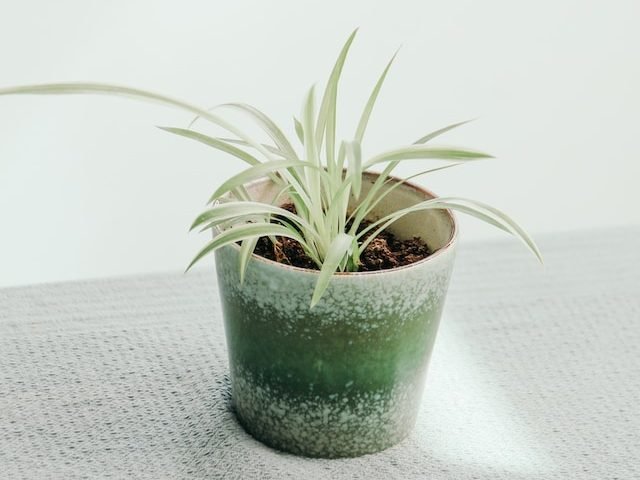
Spider Plants (Chlorophytum comosumi) are definitely one of the easiest plants to propagate if you have a strong and mature mother plant. There are two main methods you can use and we will guide you through each of them in this post, including the step by step guide, tools you will need and advantages of each method. You will come away knowing everything you need to make this process a success.

Why propagate a Spider Plant?

Before we get started you might be wondering why it’s beneficial to propagate your plant? Well here are a few good reasons:


  1. Create more plants for free!

    This will multiply your plant collection without needing to spend any more money! They also make great gifts for friends and family if you have enough greenery in your home already.

  2. Save a dying plant

    If you have accidentally overwatered, over-fertilised or mistreated your Spider Plant and is feeling neglected or looking as though it is dying, sometimes the best way to save the whole plant is by taking the healthy parts of the plant and using them to form new plants.

  3. To make your plant fit its environment.

    If your Spider Plant has become too big for your space or propagating the plant is a great way to stop cuttings from going to waste.

What tools will I need to propagate my Spider Plant?

Let’s start off with the easy part. It’s important to make sure you have all the things you need before taking any cuttings.


  • Healthy and mature Spider Plant

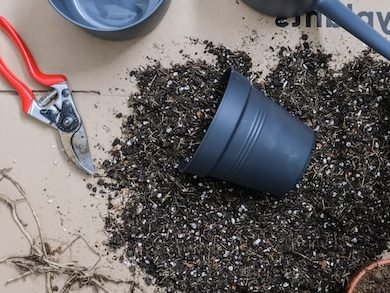
  • Clean, sharp scissors/shears

  • Spare pot(s) with and without drainage holes

  • Fresh soil and water

  • Newspaper or plastic sheet if propagating indoors

  • Rooting hormone (optional)

  • Gardening gloves (recommended)

How to propagate a Spider Plant with cuttings

This is a nice and easy way to propagate your plant once the mother plant is mature enough to produce spiderettes. Your plant will only produce babies if given the right care and are in the ideal environment.


  1. Check the growth of any Spiderettes

    You will only be able to successfully grow your plant babies if they have some roots growing. If removing them too early, there is a risk that the spiderettes won’t root quick enough and the cuttings will wilt. If the roots are an inch long, they are ready to be separated from the main plant.

  2. Make the cut

    Using sharp scissors or shears, cut off the spiderette from the main plant. We always try to grow a few at a time to increase the chance of getting a few successful growers.

  3. Choose how you will grow your spiderette(s)

    Here you have two options; soil or water. We tend to always go with propagation in water as you can keep an eye on roots that are forming and it is easy to change out the water every few days. Make sure that the water is fully covering the roots, but not the whole spiderette as the leaves may start to rot.

    However, you can also have success with potting them directly into soil if you give them the right care and attention and the roots are long enough.

  4. Pick your location

    Once you have popped your cuttings in water or well-draining soil, it’s time to give them a home. You want to choose somewhere that gets a good amount of sunlight each day to maximise growth. However, be careful about too much direct light as it can lead to leaf burn which you want to steer clear of as it can damage your delicate cutting.

  5. Switch out the water regularly

    If you have chosen to pot your Spiderettes in water, make sure you change the water out completely every 2-3 days. This will stop the water from stagnating and bacteria growing. If you have pot your cuttings in soil, continue your usual plant care. Water every few days and keep an eye on any drainage issues that may be occurring.

  6. Be patient!

    We tend to forget a little bit about this step. In all the excitement that comes along with propagating, we sometimes get a little disappointed when we don’t see any new roots or leaves pop out straight away. But just because there isn’t any new growth happening immediately, it does not mean your propagation has been unsuccessful. It may take a week or so for new growth to appear! So just take care of your spiderette and keep an eye on it.

  7. Repot your cuttings into something bigger

    So you have slaved away changing out the water on your new Spider Plant cuttings and finally, they are thriving and growing plenty of new strong roots! Once the roots are about 5-7cm it may be time to repot your cuttings.

  8. Enjoy your new plants

    Whether it becomes a gift for someone or the new focal point of a room, your new plantshould now be a grown-up and may even someday become a mother of its own to new spider babies.

How to propagate a Spider Plant through division

This method only really works if your plant is quite bushy and you don’t mind taking part of it to form a whole new plant. But if you do have a big enough Spider Plant with various sections, then this method is great for those who don’t want to wait for weeks/months for roots and new leaves to grow. With the division method, you get new plants instantly!!


  1. Take your plant out of the pot

    To be able to propagate your Spider Plant through division, you need to locate the various natural offshoots of the plant and separate them out. The first step is to carefully lift your plant out of its pot, trying not to damage the leaves or root system.

  2. Locate the various natural divisions

    When looking for a part of the plant to divide it will become very obvious if there are various different offshoots that make up your Spider Plant. Carefully shake the root system to loosen the soil so you can see the root system clearly. Don’t worry if a few roots break during this process as it won’t harm your plant.

  3. Separate out into sections

    You may have to trim off the odd root to detangle the plant but with a little gentle tugging, you should be able to pull the sections apart to form individual plants. If your plant only has one offshoot you can use a clean knife to slice this section in half. Just make sure that each part has a good amount of the root system.

  4. Place each section in fresh potting mix

    Pop your mother plant back into its original pot (or downsize slightly if you have taken away a substantial amount of the original plant). Then pot your new Spider Plant(s) into fresh potting mix. Make sure not to reuse old potting mix from other plants as this can really easily transfer pets or bacteria without you even realising!

    If the roots on any of your sections aren’t very mature you may want to grow them in water for a few weeks.

  5. Continue normal Spider Plant care

    Now your new plants are safely in their new homes you want to resume normal care.

Spider Plant Propagation FAQs

Here’s some answers to the most common questions we get on this subject, hopefully something here can help!

Common problems when propagating Spider Plants

Propagating plants doesn’t always have a 100% success rate and you may encounter some problems along the way. But don’t worry, below we have all the main problems you may face when propagating your plant so you can figure out what is causing these problems to arise and hopefully solve them before it kills your plant cuttings.

Check out our full Spider Plant Care Guide that has all the information on how to continue care for your cuttings once they have matured.

Fiddle and Thorn is a participant in the Amazon Services LLC Associates Program, an affiliate advertising program designed to provide a means for sites to earn advertising fees by advertising and linking to Amazon.com

Take our houseplant survey!

Quickly respond to our 30 second houseplant survey and get 75% off our Complete Houseplant Care eBook!

Take the Survey

No thanks…

How to propagate Calathea Plants

Last Updated: March 4, 2023

Known for their incredible foliage, Calathea plants can be a little tricky to take care of. However, when it comes to propagation, Calatheas are super easy to propagate if you know how to do it. We have written this post to give you a complete guide to Calathea propagation and luckily for all of us, each type of Calathea can be propagated in the same way.

Below you will find a step by step process, as well as what tools you will need, what issues you may face and all of our top tips to help you propagate your Calathea successfully.

Why propagate a Calathea plant?

There are several reasons why you might choose to propagate your Calathea, The main one is simply wanting to multiply the number of plants you have without actually having to buy any more. Who can say no to free Calathea plants?! Calathea cuttings also make great gifts for friends, especially when it might be hard for them to get their hands on their own.

The other main reason why many plant parents choose to propagate is that their plant is either becoming too big or very leggy. Cutting your Calathea back encourages bushier growth and is a great way to cut back that winter growth which may have become straggly or leggy. But instead of simply throwing away those beautiful Calathea cuttings, why not propagate them and start a whole new mother plant.

You may also want to propagate your Calathea if you notice that it is starting to die. If you are unable to revive your plant, then propagating the healthy parts of it is a great way to save your plant.

What tools will I need to propagate a Calathea plant?

Let’s start off with the easy part. It’s important to make sure you have all the right things before taking the first cutting!


What methods can I use to propagate my Calathea plant?

Unlike many other houseplants, the disadvantage of propagating Calathea plants is that there is only really one way to do it. Whilst you can also propagate through seeds, this is very difficult, takes a very long time and is not always successful. The main method of propagating Calathea plants is through the division of the mother plant. This means you will need quite a mature Calathea to be able to make two or more plants out of it.

How to propagate Calathea plants through division

Follow this quick guide and hopefully you’ll have a successfully propagated Calathea in no time!


  1. Take your Calathea out of its pot

    In order to locate the various sections of the Calathea plant, you will need to take your plant out of the pot so you can divide the root system. Carefully lift the plant out and shake off the potting mix around the roots. A good way to loosen the soil is to run your fingers through the roots to start to separate them.

  2. Locate the various offshoots

    When looking for a part of the plant to divide it will become very obvious if there are various offshoots on your Calathea. They will be completely separate and growth will stem from the middle of each section.

  3. Separate the sections

    You may have to trim off the odd root if they aren’t detangling easily but you should be able to carefully pull the sections apart from each other. It’s ok if you have to slice around the plant a little to separate them but just make sure that each part of the plant has a substantial amount of the root system to aid a successful Calathea propagation.

  4. Place in water or fresh potting mix

    Pot the main mother Calathea plant back into its original pot and decide whether you want to place the offshoot in water first or straight into potting mix. This depends on the size of the cutting and the maturity of the root system. If the offshoot has quite mature roots then it will be totally fine growing in potting mix already. However if you feel the roots need to grow a little more, then we recommend placing them into water as a middle step.

  5. Continue normal care

    If your cutting is now in fresh potting mix then you can care for it as you would your other Calathea plant. If it is in water first you want to refresh that water every couple of days and repot into potting mix once the roots have matured a little.

Calathea Propagation FAQs

Whilst propagating a Calathea plant is a fairly simple process compared to some other plant propagation needs, it’s still really important to understand the basics, such as time of year, equipment and fertiliser needs. Below you will find all the answers to your Calathea propagation questions!

Common problems when propagating a Calathea plant

Propagating plants will never have a 100% success rate and you may encounter some problems along the way. But don’t worry, we have learnt the hard way to bring you all the different problems that might arise as well as what this means and how to solve them!

We hope you have found this complete guide to Calathea propagation useful. It’s never an exact science and some divisions of the plant will take longer to grow than others. But with the right methods, care and environment you should be successful.

Check out our Plant Index to find all of our Calathea care guides for more information on how to care for your Calathea plants after propagation.

Fiddle and Thorn is a participant in the Amazon Services LLC Associates Program, an affiliate advertising program designed to provide a means for sites to earn advertising fees by advertising and linking to Amazon.com

Take our houseplant survey!

Quickly respond to our 30 second houseplant survey and get 75% off our Complete Houseplant Care eBook!

Take the Survey

No thanks…

How to Propagate an English Ivy

Last Updated: May 27, 2022

Although English Ivy Plants are often associated with outside gardens, they also make incredible houseplants. They are easy to care for and forgiving about care routines and environments. And luckily for us, they’re super easy to propagate as well, you can make several new plants from just a short vine cutting.

In this post, we will go through how to propagate your English Ivy through stem cuttings including a step by step process as well as top tips and any issues you may come across to ensure your propagation is a success!

Why propagate your English Ivy plant?

There are several reasons why you might choose to or be forced to propagate your plant. The main reason is often simply wanting more plants without actually having to spend any more money. English Ivy cuttings also make great gifts for friends and family as they are so easy to grow into full plants.

Another reason why many plant parents choose to propagate their English Ivy is that their plant is either too long or becoming very leggy. Cutting your English Ivy back encourages bushier growth and is a great way to cut back that winter growth which may have become straggly or leggy. But instead of simply throwing away those special English Ivy cuttings, propagating them stops them from going to waste.

You might also be forced to propagate your English Ivy plant if you notice that part of the plant is slowly dying. Whilst we are always strong believers that you should do everything you can to save your plant, we do recommend taking a few vine cuttings from the healthy part of the plant just in case your English Ivy plant doesn’t make it.

What tools/equipment you’ll need to propagate an English Ivy

It’s important to make sure you have all the right things before you start the propagation process. It’s always frustrating if you’re ready to propagate but don’t have the right equipment handy.


  • A healthy and mature English Ivy plant

  • Clean, sharp scissors/shears

  • Spare pot(s)

  • Fresh potting mix and water

  • Newspaper or plastic sheet (if propagating indoors)

  • Rooting hormone (optional)

You need a node to propagate an English Ivy Plant

English Ivy Plant

How to propagate an English Ivy using vine cuttings

This is the main method of propagating English Ivy plants as it’s suitable for all maturities and lengths of English Ivy plants. It’s also really easy and means you can easily come away with several new English Ivy plants by taking a short vine cutting.


  1. Locate a healthy vine or two

    It’s super important that you only propagate a part of the plant that’s healthy. Avoid using any vines that are showing signs of unhappiness such as brown or yellow leaves, mushy vines etc. It’s likely that any problems will be transferred onto your cuttings which can cause them to die as young cuttings are very sensitive.

  2. Make the cut(s)

    Using clean scissors, shears or a knife, make the cut across the vine. It’s important your tools are clean so they don’t pass on dirt or pests to the cutting or mother plant.

    Make sure that each section of the vine has at least one node and leaf. If possible try to include 2-3 nodes and leaves on each cutting but it will also work with just 1 so it depends on how much you want to cut off your plant. The number of cuttings you take is entirely up to you and depends on your English Ivy plant!

  3. Remove the lower leaves

    As you’ll be placing the cuttings into water, you want to remove the lowest few leaves from the cutting. They’ll rot if sitting in water for several weeks so it’s best to do this now.

  4. Fill up a container with water

    Next, you want to fill up a glass with fresh temperate water to place your English Ivy cutting(s) into. It’s super important that you don’t use hot or cold water as this can very quickly shock or burn your delicate cuttings. Place the cutting in the water so at least one or two nodes is submerged as this is where the roots will grow out from. Place your glass in bright but indirect sunlight.

  5. Make sure you change out the water regularly

    To prevent stagnant water and bacteria from forming, you need to be refreshing the water every few days.

  6. Be patient

    English Ivy propagation is actually relatively quick compared to a lot of other houseplants and you should see roots growing after only a week or two. It can be a little unpredictable though so just make sure your cuttings are getting enough light, warmth and fresh water and you shouldn’t have too many issues.

  7. Plant your cuttings into fresh potting mix

    Once the roots on your English Ivy cutting are a few centimetres in length, you can now pot them into fresh soil. It’s vital that you use a high-quality potting mix to make sure your cuttings are getting enough nutrients. Carefully place your cuttings a few centimetres into the potting mix.

  8. Resume usual English Ivy care

    Now that your cuttings are in their new home, you can go back to usual English Ivy care and soon those vines will be long enough for you to propagate again!

Propagating an English Ivy is simple!

Ivy Plant

English Ivy Propagation FAQs

Common problems when propagating an English Ivy

Whilst propagating English Ivy plants is often easier than some other houseplant types, it doesn’t mean that it won’t always be plain sailing. It’s important to look through the common issues below so you know what to look out for and can act quickly if something is wrong, giving you the best chance at solving the problem.

You should now have all of the information you need to successfully propagate your English Ivy. Whilst things can be a little unpredictable, with the right method, care and environment, you shouldn’t have too many problems.

Check out our full English Ivy care guide to find all the information on how to continue to care for your cuttings once they have matured.

Fiddle and Thorn is a participant in the Amazon Services LLC Associates Program, an affiliate advertising program designed to provide a means for sites to earn advertising fees by advertising and linking to Amazon.com

Take our houseplant survey!

Quickly respond to our 30 second houseplant survey and get 75% off our Complete Houseplant Care eBook!

Take the Survey

No thanks…

How to propagate an Elephant Ear Plant | Step by Step Method

Last Updated: March 4, 2023

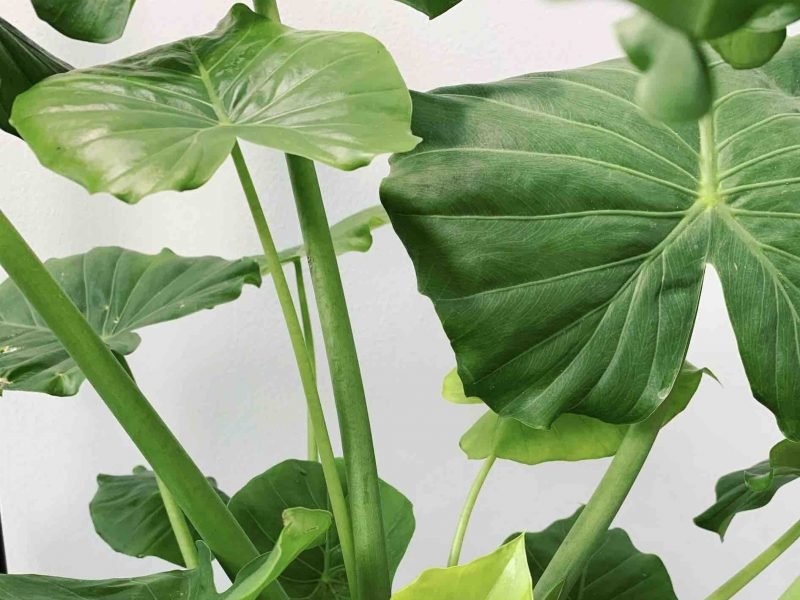
Loved for their larger than life leaves, Elephant Ear Plants are a great statement piece for every room. There are so many reasons why you might want to propagate your Elephant Ear Plant, from gifting cuttings to friends and family, selling them online or simply multiplying your houseplant collection. In this post, we will go through how to propagate an Elephant Ear Plant, giving you a step by step guide as well as all of our top tips along the way.

Is propagating an Elephant Ear Plant difficult?

Although their care requirements can sometimes be difficult to manage, Elephant Ear Plant propagation is a breeze. There aren’t that many steps involved or opportunities for things to go wrong if you follow the right steps. Another important thing to minimise any issues is to keep a close eye on your plant after the propagation process to make sure that the care and environment suit their needs as they can be quite sensitive for a few weeks after division.

What methods can I use to propagate my Elephant Ear Plant?

The only downside to the Elephant Ear Plant propagation process is that there is only really one good method to do it; division of the mother plant. This means that you need quite a mature plant to propagate. Either you have a plant that has several natural divisions, or you’ll need to actually slice the plant in two, but more on that below!

How to propagate an Elephant Ear Plant through the division method

  1. Remove your Elephant Ear Plant from its pot

    Before removing your Elephant Ear Plant from its pot, it’s important to check the bottom of the pot to see if the roots are growing out of the drainage holes. If they are, simply pulling your plant out of its pot will break these roots. Instead, carefully untangle them and thread them through the drainage holes. If they aren’t coming free, you might need to cut through the pot to release your plant.

  2. Shake off the soil from the root system

    You need to be able to locate the various offshoots of your Elephant Ear Plant to propagate it so remove the bulk of the potting mix from the roots. A good way is to loosely run your fingers through the root system, shaking the roots slightly to separate them.

  3. Separate your Elephant Ear Plant into sections

    It’s OK if you need to cut through the odd small and thin root to do this (make sure you use pruning scissors though). You want to avoid cutting too many large roots as this can have an impact on your plant’s health and maturity.

    If your Elephant Ear Plant only has one central section, then in order to propagate it you’ll need to carefully slice this in two. Make sure that both sections have strong roots attached as this will significantly increase your chances of successful propagation.

  4. Pot your new plant in a high-quality potting mix

    Place your mother plant back in its pot and add a little fresh potting mix to fill the gap where your new plant used to be. If you have removed quite a lot of your mother plant, you might want to downsize the pot to avoid issues with drainage.

    Then pot your new Elephant Ear Plant in fresh potting mix, making sure it has some room to grow into.

  5. Continue normal Elephant Ear Plant care

    That’s everything! We told you it was an easy process. You can now begin to care for your Elephant Ear Plant as you would your original mother plant. Make sure to keep a close eye on it for a few weeks though to make sure that there aren’t any issues creeping up. Give your new Elephant Ear Plant plenty of sunshine and warmth to encourage new root and leaf growth.

Is it possible to propagate an Elephant Ear Plant from a single leaf cutting?

Unfortunately, it’s not possible! We are as gutted as you! There needs to be a central part of the plant rather than just a stem or leaf which means that division is the only real option.

What time of year is best for Elephant Ear Plant propagation?

This is where the division method gives you a real benefit as you can pretty much propagate all year around. For other houseplants, where you might be propagating them with stem cuttings or leaf cuttings, you will want to do it in spring so that the warm sunny months aid root growth. Doing it in the warmer months does decrease some of the risks for Elephant Ear Plant propagation but it’s not essential.

This is everything you need to know to propagate your Elephant Ear Plant, before you know it, you’ll have plenty of new plants populating your home.

To learn more about how to care for your plant once propagated, check out our Elephant Ear Plant care guide.

Fiddle and Thorn is a participant in the Amazon Services LLC Associates Program, an affiliate advertising program designed to provide a means for sites to earn advertising fees by advertising and linking to Amazon.com

Take our houseplant survey!

Quickly respond to our 30 second houseplant survey and get 75% off our Complete Houseplant Care eBook!

Take the Survey

No thanks…

How to Propagate an Autograph Tree

Last Updated: March 1, 2023

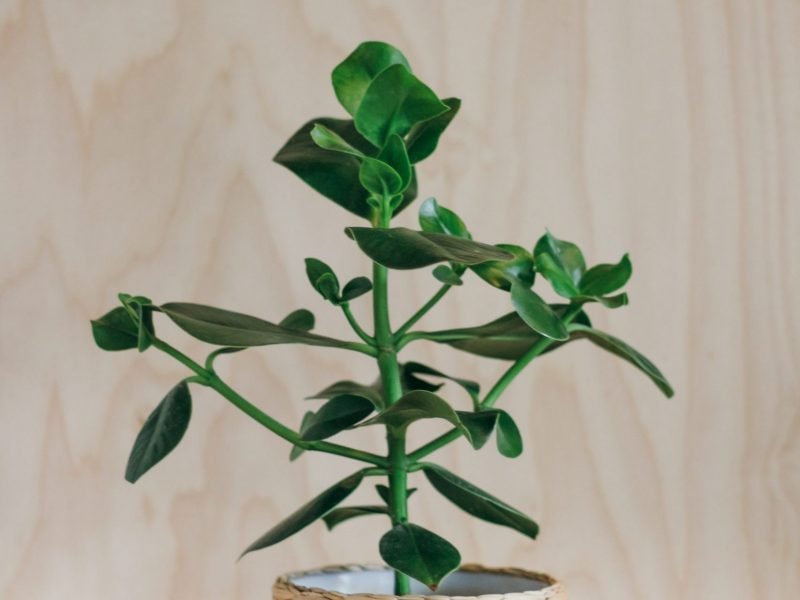
Autograph Trees (Clusia rosea), are beautiful houseplants that originate from Central America but adapt well to homes across the world due to their hardy foliage and low maintenance needs. But Clusia rosea plants are just easy to care for, but they are really simple to propagate too! As long as you know exactly how to take the cuttings and what you have to do to make them thrive, you’ll have plenty of new Autograph Trees before you know it.

In this post we’ll guide you through the complete Autograph Tree propagation process; from the best way to propagate, as well as tools and equipment you’ll need and our top tips for a successful Autograph Tree propagation.

Why propagate an Autograph Tree?

Before we get into the detailed process, we thought it would be useful to cover off the different reasons you might choose to, or be forced to propagate your Autograph Tree. First of all, they don’t always grow how we want them to! They can sometimes end up quite leggy, or sideways or even just too big for your space. If this happens, pruning is the best way to keep your Autograph Tree in the desired shape but instead of just throwing away those incredible cuttings, why not propagate them and create new plants.

You may also have no other option but to propagate your Autograph Tree out of necessity if it’s starting to die. We recommend trying to diagnose the issue and fixing it first but if things just get worse you might need to propagate it to keep even some of it alive. If this happens, you need to make sure that you’re propagating only the healthy part of the tree. Any issues or pests will transfer onto your new cutting and most likely lead to an unsuccessful propagation.

And lastly, our favourite reason to propagate your Autograph Tree; get free plants! Propagation is the best way to multiply the number of plants in your home without actually having to spend any more money. Autograph Tree cuttings also make great gifts for friends and family if you already have enough plants.

What tools and equipment you’ll need when propagating an Autograph Tree:


  • Healthy and mature Autograph Tree

  • Sharp scissors/shears

  • Spare pot

  • Fresh soil and water

  • Newspaper or plastic sheet if propagating indoors

What methods can be used to propagate an Autograph Tree?

The best way to propagate your Autograph Tree is through stem cuttings. Whilst you can grow Autograph Trees from seeds, the success rate is incredibly low when not grown by professionals. Stem cuttings are super easy to do but work best if you have a mature Autograph Tree.

Below you’ll find a step by step process to make sure you’re taking the stem cuttings in the right way when propagating your Autograph Tree.

How to propagate an Autograph Tree through the stem cutting method


  1. Locate the healthy stems on your Autograph Tree

    Only ever take stem cuttings from healthy parts of your Autograph Tree. If you try to propagate a part of the plant that’s looking a little wilted, yellow or dry, your chances at a successful propagation are much lower.

    You can choose whether to take one or more stem cuttings from your plant, it doesn’t impact the process at all but just depends on the maturity of your plant and personal preference.

  2. Make the cut(s)

    This is the scary part and the reason why a lot of plant parents shy away from propagating their Autograph Trees! Now that you’ve located the section of the stem that you want to propagate, you need to cut it off! Use clean scissors/ shears or a knife to make the cut diagonally across the stem. This increases the surface area and encourages more root growth.

  3. Choose to grow your cuttings in water or soil

    The simple thing about Autograph Tree propagation is that you can actually grow them directly into potting mix if you want as they grow roots fairly fast. We still recommend growing them in water for a couple of weeks as a middle step but if you prefer not to you can skip to step 9.

  4. Remove any lower leaves

    As you’ll be placing your stem cutting in water for several weeks you want to carefully remove any leaves on the lower part of the cutting that may end up sitting in the water. This is because they will start to rot and release bacteria into the water which can harm your cutting. If your Autograph Tree cutting only has a few leaves then skip this step and just make sure the water level isn’t super high.

  5. Fill up a clear container with water

    Next, you want to fill up a glass with fresh temperate water to place your Autograph Tree cutting into. Extreme temperatures will shock or burn your cutting which can kill it quickly.

    We like to use a transparent container so that we can see the roots growing and spot any issues early.

  6. Place your Autograph Tree cutting in water

    Make sure that the lower part of your cutting is sat in water. Avoid placing too much of it in as it can increase your chances of stem rot.

  7. Change out the water frequently

    It’s important that you keep the water fresh so we recommend refreshing it every couple of days. This keeps it free from bacteria and will help stop it from stagnating and smelling.

  8. Be patient

    Now that your Autograph Tree cutting is happily in the water, there’s nothing left to do but continue to switch out the water and be patient.

    Don’t worry if this process takes several weeks before you start to see roots. Keep your Autograph Tree cutting in the water until the roots are several centimetres in length.

  9. Plant your Autograph Tree cuttings into potting mix

    Use a high-quality potting mix to make sure your plant is getting the right balance of nutrients. For Autograph Trees, we also recommend getting a well-draining mix including perlite to help avoid issues caused by accidental overwatering.

  10. Resume usual Autograph Tree care

    Now you can continue to care for your new Autograph Tree plant as you would the mother plant. Soon enough, it’ll be mature enough for you to propagate it all over again.

Autograph Tree Propagation FAQs

Although Autograph Tree propagation isn’t too difficult, it’s still really important to understand the basics as these can really impact how strong the roots grow and how quickly you’ll see new foliage. Below you’ll find all the answers to your Autograph Tree propagation questions.

Common issues when propagating an Autograph Tree, and how to fix them!

Propagating houseplants won’t always be a simple problem-free process and it may happen that from time to time you come across some issues in the process. We recommend keeping an eye on your cutting(s) daily for the first few weeks after propagation as this will help you spot any warning signs early. Fixing the issue at the early stages will give you the best chance at fixing it and getting your cutting back to full health.

We hope you’ve found this complete guide to Autograph Tree propagation useful. It can be a little scary cutting the beautiful stems off your mother plant to propagate but the end result is definitely worth it, trust us!

Check out our full Autograph Tree Care Guide for more information on how to look after your stem cuttings once they have matured.

Fiddle and Thorn is a participant in the Amazon Services LLC Associates Program, an affiliate advertising program designed to provide a means for sites to earn advertising fees by advertising and linking to Amazon.com

Take our houseplant survey!

Quickly respond to our 30 second houseplant survey and get 75% off our Complete Houseplant Care eBook!

Take the Survey

No thanks…

How to Propagate an Asparagus Fern

Last Updated: April 23, 2023

Aspragus fern that is ready to be propagated

Asparagus Ferns are one of our favourite houseplants here at Fiddle & Thorn and they are really easy to propagate too. Their delicate leaves make you think that they are tricky to care for but they are actually pretty hardy and can deal with quite a bit!

Anyone who loves Asparagus Ferns as much as we do, will also probably be desperate to know what methods you can use to propagate them, as well as how easy and quick it is… Well, the good news is that propagating Asparagus Ferns really couldn’t be easier but the only downside is that you can only propagate them through division of the mother plant. It’s not possible to propagate Asparagus Ferns through their leaves as they have tuberous roots that are best divided. But more on that later…

In this post we will cover the step by step process of propagating an Asparagus Fern as well as what tools you’ll need, issues you may face and all of our tips for a successful Asparagus Fern propagation.

Why propagate an Asparagus Fern?

There are several reasons why you might choose to propagate your Asparagus Fern. Firstly, lots of people want to simply multiply the number of plants you have without actually having to buy any more. Offshoots of your Asparagus Fern will also make great gifts for friends and family.

Another reason you might want to propagate your Asparagus Fern is if it has become too big for the space or quite leggy. Dividing your plant and pruning it back can help shape your plant better and you can propagate any sections of the plant that you take away (provided the plant is divided by the root system).

You may also choose to propagate your Asparagus Fern if part of it is sunburnt or starting to die. You just want to be sure that the section of the plant you are propagating is healthy and pest-free. Otherwise, the illness or pests will transfer onto your new Asparagus Fern, which really isn’t ideal!!

What tools will I need to propagate my Asparagus Fern?

Let’s start off with the easiest part. It’s important to make sure you have all the right things before taking the first cutting!


What methods can I use to propagate my Asparagus Fern?

Unlike many other houseplants, Asparagus Ferns have tuberous roots which means stem cuttings won’t grow any roots. There is only really one way to successfully propagate an Asparagus Fern which is through division of a large mother plant. This means you will need quite a mature Asparagus Fern with various natural offshoots to be able to make two or more plants out of it which can be a bit of a barrier if your plant is still quite young.

How to propagate an Asparagus Fern by division of the mother plant


  1. Take your Asparagus Fern out of its pot

    To be able to divide your Asparagus Fern you’ll need to locate the natural offshoots of the plant so start by taking it carefully out of the pot. Asparagus Ferns have very thin leaves so don’t tug too hard at the plant to remove it or you risk causing damage to your plant.

    Shake off the potting mix around the roots and run your fingers through the roots if they are quite packed together.

  2. Locate the various offshoots on your Asparagus Fern

    When looking for a part of the plant to divide it will become very obvious where the natural offshoots are. Each section will have its own root system that can be separated to form a new plant.

  3. Separate the sections

    You may have to trim off the odd root with your scissors if they aren’t detangling easily, but you should be able to carefully pull the offshoots apart from each other. When doing this, you want to make sure that each part of the plant has a substantial amount of the root system to aid a successful Asparagus Fern propagation. The number of new plants you make at this stage is completely up to you and how bushy or small you want them to be.

  4. Place in water or fresh potting mix

    Pot the main mother Asparagus Fern plant back into its original pot (or downsize to a smaller pot if you have taken away a large amount of the Fern).

    Now the next step is to decide whether you want to grow your new offshoots in water before potting into soil. You only really need to do this if the sections have very short roots but usually with division we go straight into potting mix.

    We recommend using a high-quality potting mix to make sure your cuttings are getting the right mix of nutrients. Our top choice for soil would be this potting mix from Miracle Gro. Carefully place your cuttings a few centimetres into the soil.

  5. Continue normal care

    If your cutting is now in fresh potting mix then you can care for it as you would your mother Asparagus Fern. If it’s in water first you want to refresh that water every couple of days and repot into potting mix once the roots have grown.

    You can use a light monitor to figure out if you’re Asparagus Fern cuttings are getting the right amount of sunlight. You can also supplement sunlight levels by using an LED grow light which are great at encouraging growth in cuttings. We love this one which is available on Amazon here.

Asparagus Fern Propagation FAQs

Below you’ll find all the answers to your Asparagus Fern propagation questions, from time of year to equipment you can use to aid success.

Common problems when propagating an Asparagus Fern

Propagating plants doesn’t always have 100% success and you may encounter some problems along the way. But don’t worry, below you can figure out what is causing these problems to arise and hopefully solve them before it kills your plant cuttings.

We hope you have found this complete guide to Asparagus Fern propagation useful. It’s never an exact science and sometimes it will take a while for your plant to recover and grow more leaves. But with the right methods, care routine, warmth and light level you should find success.

Check out our detailed Asparagus Fern care guide to find all the information on how to continue to care for your new plants!

Fiddle and Thorn is a participant in the Amazon Services LLC Associates Program, an affiliate advertising program designed to provide a means for sites to earn advertising fees by advertising and linking to Amazon.com

Take our houseplant survey!

Quickly respond to our 30 second houseplant survey and get 75% off our Complete Houseplant Care eBook!

Take the Survey

No thanks…

How to Propagate an Arrowhead Plant | Step by Step Methods

Last Updated: May 31, 2022

Native to the tropics of Central and South America, the Arrowhead plant is not only easy to care for, but can be pretty easily propagated too. It may feel a little daunting at first but if you have a strong and healthy mother plant it can be a really simple process. They are quite resilient plants with strong stems so can deal with some stress quite easily.

In this post we will guide you through the complete process; the various methods you can use, the dos and don’ts, what tools you’ll need and things to look out for to ensure it’s a success!

Why propagate an Arrowhead Plant in the first place?

There are several reasons why plant parents might choose to propagate their Arrowhead plants. Firstly, houseplants don’t always grow how we want them to! They can sometimes grow sideways, too leggy or can sometimes even outgrow the space in your home. Pruning these plants is a great way to keep them in shape and looking healthy. But instead of throwing away those incredible cuttings, why not use them and create new plants.

If you notice that your plant is dying then sometimes the only option is to take a cutting of the healthy part of the plant and give up on the rest.

We always recommend that you first diagnose the issue and try to fix it before taking cuttings but sometimes if there is no positive change, it might be your only option.

But it doesn’t have to be all gloom and doom, you may also choose to propagate your plant to simply make new ones. It’s a great way to multiply the amount of greenery in your home without actually having to spend any more money on plants. Arrowhead cuttings also make great gifts for friends and family!

What tools will I need for Arrowhead propagation?

Let’s start off with the easy part. It’s important to make sure you have all the right things before taking your first cutting!


  • Healthy and mature Arrowhead Plant

  • Sharp scissors/shears

  • Spare pot

  • Fresh soil and water

  • Newspaper or plastic sheet if propagating indoors

What methods can I use to propagate my Arrowhead Plant?

There are two main methods; stem cuttings and division of the mother plant. We have had a lot of success with both methods but there are some pros and cons to each of the methods.

The stem cutting method does take a lot longer to grow into new plants but it’s also a lot of fun to see the roots growing and the brand new leaves emerging.

The other great thing about the stem cutting method is that it can be done without taking too much away from the mother plant making it ideal for less mature or bushy plants where you might not want to, or be able to, split up various sections to create new plants.

Below you will find a step by step guide to each method so you can figure out what’s best for you and your plant.

How to propagate an Arrowhead plant through stem cuttings


  1. Locate a healthy and mature stem

    When taking an Arrowhead stem cutting you want to make sure that the part of the plant you are cutting is healthy.

    Another thing to look out for when choosing what section of the stem to cut is nodes. Nodes are stem joints where the ariel roots grow out from. They are really easy to spot as they are just below each leaf on the main stem.

    If you can, try to choose a section of the plant that contains a few nodes as this will help speed up the process a little. The ideal number is 2-3 nodes as any more will mean your cutting requires a lot of energy to keep it alive.

  2. Make the cut

    This is the scary part of the process! Now that you’ve picked the perfect section of the stem, you need to cut it off.

    Use clean scissors/ shears or a knife to make a diagonal cut across the stem. This increases the surface area which helps with root growth.

    Clean your shears before and after you make the cut. This avoids passing on any bacteria or pests to your other houseplants. It also gets you into the habit of cleaning your tools which is super important when handling toxic plants.

  3. Fill up your container with fresh water

    Next, you want to fill up a container with fresh water to place your cutting into. Make sure the water is temperate and not hot or cold as this will very quickly shock or burn your cutting which can cause it to die.

  4. Place your Arrowhead cutting in water

    Make sure that the node(s) on the stem cutting is sat in the water so that the roots will start to grow out from there.

    Try to only submerge the part of the plant that needs to be in the water. Placing too much of the cutting in water for weeks on end increases the risk of leaf rot which will harm your chances of a successful propagation.

    Place your cutting in bright but indirect sunlight. Intense light will damage and burn your cutting. Too little light however will mean root growth is very very slow.

  5. Change out the water regularly

    This is one of the most important steps in the entire process and can often be forgotten.

    You might think that your hard work is over once you’ve cut the stem and put it in water but now you need to make sure that the water doesn’t stagnant. Switching it out every couple of days will help to keep it free.

  6. Be patient

    There is nothing left to do other than change out the water and wait for roots to grow. Don’t worry if this process takes several weeks or months as that is totally normal!

    It can be quite unpredictable and the whole process depends on a lot of things so just make sure your cutting is healthy and you should start to see new roots soon.

  7. Plant your cuttings into potting mix

    Once the roots on your cutting have matured and are about 10 centimetres long, you can pot your cutting into soil.

    Make sure you are using a high-quality potting mix to aid with drainage and aeration. Carefully place your cutting into the mix, making sure not to damage the delicate newly formed roots and continue regular care.

Propagating an Arrowhead Plant can be easy!

Arrowhead Plant

How to propagate an Arrowhead through division

You can only use this method if your plant has several stems growing in the same pot. If your plant is only one offshoot then you must use the stem cutting method.


  1. Locate the various offshoots

    When looking for a part of the Arrowhead to divide it will become very obvious if there are various offshoots/stems.

    They will be completely separate and leaves will grow out from each of the stems. A good way to determine how many offshoots you have is to follow each of the stems down to the soil.

  2. Take your plant out of its pot

    Whilst the other methods of propagation you can do without really getting your hands dirty at all, this method is a little more hands-on. In order to divide up the plant, you need to pull the various sections of the root system apart.

    Carefully lift the plant out and shake off the potting mix around the roots. An easy way to loosen the potting mix is to gently run your fingers through the roots to start to separate them. This also helps stop too much damage to the root system.

  3. Separate the sections

    You may have to trim off the odd root if they aren’t detangling easily but you should be able to carefully pull the sections apart from each other.

    It’s ok if you have to slice around the plant a little to separate them but just make sure that each part of the plant has a good amount of the root system as this will help them grow new leaves in no time.

  4. Place in water or fresh potting mix

    Pot the main mother plant back into its pot and decide whether you want to place your new plant(s) in water or potting mix.

    If the roots on your new plant are still quite small then you may want to pop it in water for a few weeks to help them mature. However, if the roots look strong then you can pot your new plant in fresh potting mix straight away.

    Use a high-quality potting mix to make sure that your new plant gets the right balance of nutrients. It can be quite a shock for plants to be separated and moved into a new pot so you want to give it the best shot at thriving!

  5. Continue normal Arrowhead care

    Now that your new plant is happily in its new home with plenty of fresh potting mix, your propagation is complete!

    You can now care for your new baby plants like you would the other one, making sure it gets the right amount of light, warmth, water and humidity to thrive!

Arrowhead Plant Propagation FAQs

Common problems when propagating an Arrowhead Plant

Below we have all of the answers to how to fix any common problems you might run into.

It can feel a little scary to chop parts of your beloved plant off but trust us when we say it’s totally worth it as soon enough you’ll have loads of new plants all around! With the right care, processes and the ideal environment, you shouldn’t have too many problems.

Check out our full Arrowhead Care Guide which has all the information on how to continue caring for your cutting once it has matured.

Fiddle and Thorn is a participant in the Amazon Services LLC Associates Program, an affiliate advertising program designed to provide a means for sites to earn advertising fees by advertising and linking to Amazon.com

Take our houseplant survey!

Quickly respond to our 30 second houseplant survey and get 75% off our Complete Houseplant Care eBook!

Take the Survey

No thanks…

How to propagate an Anthurium Clarinervium plant

Last Updated: April 1, 2022

The once rare Anthurium Clarinervium is now a staple in most houseplant shops around the world. Their incredible large flat leaves with strong white veins mean they really stand out amongst other plants! Propagating these plants is relatively easy to do but there is only really one method that is successful. In this post, we will cover a step by step guide, as well as what tools you will need and how to solve any common problems you may encounter!

Why propagate an Anthurium Clarinervium?

Firstly, it’s the best way to get new plants for free! These can make great gifts for friends and family or simply just help expand your urban jungle!

You may also want to take a cutting if you notice that part of it is starting to look a little unhealthy or starting to die. If you are unable to revive your plant, then removing the healthy parts of it is a great way to save your plant.

Make sure that you only use the healthy parts of your Anthurium Clarinervium though, as trying to propagate leaves that are rotting or have pests will just transfer these problems onto your new plant.

What tools will I need to propagate my Anthurium Clarinervium?

Let’s start off with the easy part – knowing what equipment you’ll need to propagate an Anthurium Clarinervium. It’s important to make sure you have all the right things before you start the process.


  • Healthy and mature Anthurium Clarinervium plant

  • Sharp scissors/shears

  • Spare pot(s)

  • Fresh soil and water

  • Newspaper or plastic sheet if you’re propagating indoors

What are the different methods I can use to propagate my Anthurium Clarinervium?

The only downside to these plants is that there is only really one successful method; division of the mother plant. This is because they grow from a central part rather than growing nodes along a main stem like you’ll find on Monstera or Pothos plants.

This does mean that you will have to have a fairly mature Anthurium Clarinervium plant to be able to divide it nicely into two or more plants.

How to propagate an Anthurium Clarinervium through division


  1. Take your Anthurium Clarinervium out of its pot

    To propagate your plant through division, you’ll need to find what natural offshoots there are on your mother plant. The first step is to carefully take your plant out of its pot. Hold on to the strongest stems whilst you slowly pull out the plant. You may find that the roots are getting stuck on the drainage holes so gently detangle them rather than tugging at them as they will snap.

  2. Loosen the soil

    Once your plant is safely out of its pot, you’ll need to loosen the potting mix around the root system to make the division easier. A good way to do this is to run your fingers through the roots to start to separate them.

  3. Locate the various offshoots

    When looking for a part of the plant to divide it will become very obvious if there are various offshoots on your Anthurium Clarinervium. They will be completely separate and growth will stem from the middle of each section. These are called rhizomes.

  4. Separate the sections of your plant

    You may have to trim off the odd root if the sections aren’t detangling easily but you should be able to carefully pull them apart. If there is only one central section on your plant then you will need to slice this in half making sure that each part has a good amount of the overall root system as this will help it be a success.

  5. Place the section(s) in water or fresh potting mix

    Pot the main mother plant back into its original pot (or downsize if you have taken a substantial amount off the plant). You will then need to decide whether you want to pot the sections in water or potting mix.

    If the section has quite mature roots then it will be totally fine growing straight in potting mix already. You’ll need to use fresh high-quality potting mix to ensure your new plants get all the nutrients they need. Never reuse old soil as this can transfer bacteria and pests to your new plant. If you feel the roots on your new Anthurium Clarinervium need to grow a little more then we recommend placing the cutting into water as a middle step.

    You can use a light monitor to figure out if your cuttings are getting the right amount of sunlight. You can also supplement sunlight levels by using an LED grow light which are great at encouraging growth in cuttings. We love this one which is available on Amazon here.

  6. Refresh the water regularly

    If you chose to pop your cutting into water first you need to make sure you are changing it out regularly (every 2-3 days). This will prevent the water from stagnating and breeding bacteria which can harm your plant’s health, especially if it isn’t very mature yet.

  7. Continue normal Anthurium Clarinervium care

    Once your new plant is in fresh potting mix you can resume your usual care routine. Make sure the new plants don’t get any intense direct sunlight as this can damage both the mature leaves as well as any new growth.

    Top tip: If your new sections grew in water then you will need to keep the potting mix slightly more moist for a few weeks. This is just to ease your new Anthurium Clarinervium plant into growing in potting mix and avoiding too much shock.

Anthurium Clarinervium Plant Propagation FAQs

Propagating these plants is definitely easier than some other plants as the main method is simply division of the main plant but that doesn’t mean it doesn’t come with its own set of problems, questions and difficulties.

It’s really important that you understand the basics, such as time of year, equipment and fertiliser needs.

Problems that may occur when propagating an Anthurium Clarinervium

Propagating houseplants will never have a 100% success rate and you may encounter some problems along the way. But don’t worry, we have learnt these things the hard way so that we can bring you all the different problems that might arise, what this means and how to solve the problems!

So there you have it; a complete guide to Anthurium Clarinervium propagation! Don’t expect it to be 100% successful all of the time, that’s just the reality with the houseplant world – you can never be sure what will happen and when. Sometimes new leaves will grow straight away, other times you might have to wait a few months for the new plant to show any signs of growth. But with the right methods, care and environment you shouldn’t have too many issues…

Check out our Anthurium Clarinervium care guide for more information on how to care for your new plants after you’ve propagated them. There you can find all the basic care needs, as well as ways to spot and solve common problems with your plant.

You can also check out our Plant Index page for care guides for over 100 houseplants!

Fiddle and Thorn is a participant in the Amazon Services LLC Associates Program, an affiliate advertising program designed to provide a means for sites to earn advertising fees by advertising and linking to Amazon.com

Take our houseplant survey!

Quickly respond to our 30 second houseplant survey and get 75% off our Complete Houseplant Care eBook!

Take the Survey

No thanks…

How to Propagate an Aluminium Plant

Last Updated: March 4, 2023

Aluminium Plants are popping up more and more in plant shops around the world and we are all slowly falling in love with their incredible leaves. Luckily for us plant parents, Aluminium Plants are really easy to propagate!

In this post, we will guide you through the whole process of propagating your Aluminium Plant, from tools needed to step by step methods as well as issues you might face along the way.

What tools will I need to propagate my Aluminium Plant?

Let’s start off with the easy part. It’s important to make sure you have all the things you need before taking that first cutting.


  • Healthy and mature Aluminium Plant

  • Clean, sharp scissors/shears

  • Spare pot(s) with and without drainage holes

  • Fresh soil and water

  • Newspaper or plastic sheet if propagating indoors

  • Rooting hormone (optional)

  • Gardening gloves (recommended)

Propagate an Aluminium Plant using stem cuttings

This is the main method of propagating Aluminium Plants as it’s suitable for all sizes of plant. It’s also pretty easy to do and slightly more exciting than the division method.


  1. Locate a healthy stem

    When taking a stem cutting from your Aluminium Plant you want to make sure that the part of the plant you are cutting is healthy. Avoid taking a cutting if you see potential signs of disease or pests (yellow or brown leaves, holes in the leaves or visible pests) as they will be transferred onto your new cuttings which will decrease your chances of a successful propagation.

    Ideally, you want to locate a stem that has several healthy nodes and leaves. A node is the joint in the stem where the root would grow out from.

  2. Make the cut

    Make sure that the scissors/ shears/ knife you use is clean as you don’t to pass any dirt or infection into the open wound of your cutting. Take a clean, sharp cut across your plant, slicing diagonally if possible to increase the surface area for more root growth.

  3. Fill a glass with water

    Next, you want to fill up a glass with fresh temperate water to place your Aluminium Plant cuttings into. It’s important that the water isn’t really hot or cold as this will shock and burn the delicate cutting. We also recommend using purified water as the levels of chlorine and fluoride aren’t as high as in the water straight out of the tap so you’ll avoid any sensitivity.

    A great way to do this naturally (and for free) is to leave the water sitting out for 24 hours as the chemicals will start to evaporate. You can also use filtered water or collected rainwater.

  4. Remove the lowest leaves

    Before placing your cuttings into water you want to remove any lower leaves that may be submerged. Those leaves won’t survive sat in water for weeks on end and will rot pretty quickly so it’s best to just remove them at this stage.

  5. Place your cuttings in water

    Make sure that the nodes on your Aluminium Plant cutting are sat in the water so that the roots will start to grow out from them. But you want to avoid covering too much of the cutting as this can cause it to rot.

    Place your glass in bright but indirect sunlight. Intense light will damage the cutting and prevent a successful propagation.

  6. Change out the water regularly

    One of the most important steps in the propagation process of your Aluminium Plant cuttings is to regularly replace the water. You want to be doing this every 2 to 3 days to keep it from stagnating. Stagnant water will not only start to smell but it will encourage bacteria which is harmful to your cutting.

  7. Be patient

    Now all you can really do is wait. It may take several weeks until you start to see any roots popping out of your cuttings. Luckily Aluminium Plants aren’t the slowest at growing roots so after 2-3 weeks there should be some growth. Make sure your cuttings are getting enough light, warmth and fresh water and you shouldn’t have too many issues here.

  8. Plant your cuttings into fresh potting mix

    Once the roots on your Aluminium Plant cuttings are a few inches long, it’s time to pot them into soil! It’s better to wait a bit longer to make sure the roots are mature enough to grow in soil rather than taking them out too early. Cuttings can live in water for years so there’s no risk of leaving them in there for too long.

    Always use a high-quality potting mix to make sure your cuttings are getting enough nutrients and there will be enough drainage and aeration in the soil. Carefully place your cuttings a few centimetres into the soil, making sure not to damage the newly formed roots as they can be quite delicate.

  9. Resume your normal Aluminium Plant care routine

    Try to keep the soil a little more moist than normal for the first few weeks as your cuttings will be used to growing in water and need some time to adapt. But after that, you can go back to how you would usually care for an Aluminium Plant!

Positives of propagating your Aluminium Plant in water

  • It’s really easy and you should have a good chance of success with this method!
  • If you use a clear vessel, you get to see the roots growing on your cutting which is always really cool!


Negatives of propagating your Aluminium Plant in water

  • It can take a while for roots to start growing on your cutting and this can take several weeks and even months sometimes!

Propagate an Aluminium Plant through division of the mother plant

This method of propagation only really works if your Aluminium Plant is quite bushy and you don’t mind taking part of it to form a new plant. But if you do have a big enough Aluminium Plant, then this method is great for anyone who doesn’t want to wait for weeks/months for roots and new leaves to grow. With this method of division, you get new plants instantly!!


  1. Take your plant out of the pot

    To propagate your Aluminium Plant through division, you need to be able to locate the various offshoots of the plant and separate them out. The first step is to carefully lift your plant out of its pot, trying not to damage the leaves or root system.

  2. Locate the various natural divisions

    When looking for a part of the plant to divide it will become very obvious that there are various different offshoots that make up your Aluminium Plant. Carefully shake the root system to loosen the soil so you can see the root system clearly. A good method to do this is to run your fingers through to separate the roots. This usually doesn’t cause too much damage if you do it gently but don’t worry if a few roots break as it won’t harm your plant.

  3. Separate out into sections

    You may have to trim off the odd root to detangle the plant but with a little gentle tugging, you should be able to pull the sections apart to form individual plants. All you have to decide now is how many sections you want, we usually divide by either 2 or 3 but it all depends on the size of your Aluminium Plant.

    You need to make sure that each section ends up with a good amount of roots to ensure your propagation is successful.

  4. Place each section in fresh potting mix

    Pop your mother plant back into its original pot (or downsize slightly if you have taken away a substantial amount of the original plant). Then pot your new Aluminium Plant(s) into fresh potting mix. Never reuse old potting mix from other plants as this can transfer pets or bacteria without you even realising!

    If the roots aren’t very mature on one or more of your sections you may want to grow them in water for a few weeks.

  5. Continue normal care

    Your Aluminium Plant propagation is complete!! Now your plants are safely in their new homes you want to resume normal Aluminium Plant care. For a few weeks, you might notice the plants need a little extra water as they are used to growing in water but they should adjust after 2-3 weeks.

Positives of propagating your Aluminium Plant in water

  • It’s a fool-proof method of propagation and has a much higher success rate!
  • You don’t need to wait months on end for it to form a new mother plant, this method is instant and requires no patience.


Negatives of propagating your Aluminium Plant in water

  • This method only works for plant parents with really big and bushy plants so won’t be suitable for everyone.

Aluminium Plant propagation FAQs

Here’s some answers to the most common questions we get on this subject, hopefully something here can help!

Common problems when propagating Aluminium Plants

Propagating plants doesn’t always have a 100% success rate and you may encounter some problems along the way. But don’t worry, below we have all the main problems you may face when propagating your Aluminium Plants so you can figure out what is causing these problems to arise and hopefully solve them before it kills your plant cuttings.

Propagating Aluminium Plant isn’t super difficult once you have chosen your preferred method and you should have a good chance of success. With the right care and the right environment, your Aluminium Plant should start to grow roots and new leaves soon and it will be well worth the wait in the end.

Fiddle and Thorn is a participant in the Amazon Services LLC Associates Program, an affiliate advertising program designed to provide a means for sites to earn advertising fees by advertising and linking to Amazon.com

Take our houseplant survey!

Quickly respond to our 30 second houseplant survey and get 75% off our Complete Houseplant Care eBook!

Take the Survey

No thanks…

How to Propagate an Aloe Vera | Step by Step Methods

Last Updated: May 2, 2022

Aloe Vera plants are great to have around the house as they are easy to care for and are medicinal too! But the best thing about them is just how easy they are to propagate!

In this post, you’ll find everything you need to know to successfully multiply your Aloe Vera, including a step by step process, what tools you’ll need and all of our top tips to help you along the way.

Why propagate Aloe Vera plants?

Aloe Veras are great to have around as not only are they extremely low maintenance, but they clean the air and are also medicinal for cuts, scrapes and burns. And if you have too many plants in your home, then the pups can also make great gifts for friends and family!

The other reason why you might actually need to propagate your plant is if part of the plant is looking pretty unhealthy. We always recommend you try and diagnose and fix the issue, but if things aren’t getting any better, your best option is to take part the healthy part of the plant to try and save it.

What tools will I need to propagate my Aloe Vera?

This is the easy part! It’s always best to know exactly what you’ll need before taking the first cut!

  • Healthy and mature Aloe Vera

  • Sharp scissors/shears

  • Spare pot(s)

  • Fresh succulent soil

  • Fresh water

  • Kitchen towel if you’re using the leaf cutting method

  • Newspaper or a plastic sheet if propagating indoors

What methods can I use to propagate my Aloe Vera?

There are two different methods and they each come with their own list of pros and cons. Propagating through offsets (pups) that naturally grow out of the mother plant is the most successful method but it requires your plant to be mature enough to grow these pups. The second method is through leaf cuttings. Whilst you can take a leaf cutting from any Aloe Vera, the success rate is much lower.

In this post, we will go through a step by step process of each method.

How to propagate an Aloe Vera through pups

  1. Locate healthy pups to propagate

    Once your plant is several years old it will start to produce lots of little Aloe Vera plants which grow out from the main mother plant. These are called offsets, offshoots or pups. You will notice them popping up around the main plant during spring and summer.

    Choose how many of the pups you want to remove and make sure that they all look healthy. Avoid using any pups that are mushy, brown or very small.

  2. Remove the pup from the mother plant

    Remove your mother plant from its pot and start to shake off the potting mix around the pup. You should then see where it is attached to the main plant.

    You want to use clean scissors/ shears or a knife to make the cut to avoid passing on dirt or any infection to the cuttings. Use your tools to make a clean cut across the stem. Try to make the cut as close to the mother plant as possible. Avoid breaking it off or tugging at the pup as this can damage the main stem.

  3. Fill your spare pot with fresh potting mix

    With most houseplants, you would grow them in water for several weeks before potting into soil. However, as Aloe Veras are very sensitive to root and leaf rot, they wouldn’t survive in water for that long. Your pup should also have some roots attached so will survive just fine in potting mix.

  4. Find the right spot to grow your new Aloe Vera pup

    It’ll need a spot with amble sunlight to thrive so make sure your pup is in the right place in your home.

  5. Be patient

    Now that your new pup is happily in its new home, all that’s left to do is be patient. Continue your usual Aloe Vera care but keep a close eye on it over the next few weeks to spot any issues early. With the right care and environment, your new plant should thrive and may even grow some new pups of its own over time!

How to propagate an Aloe Vera using leaf cuttings

Propagating through single leaf cuttings can be done, but it’s not as successful as using offsets. This is because the leaves are very sensitive to leaf rot and can quickly go mushy and limp. But if you’re a seasoned plant propagator, after a challenge or a leaf has naturally fallen off and you want to give it a shot, then this method is for you!

  1. Locate a healthy leaf

    When taking a leaf cutting you want to make sure that the part of the plant you are cutting is healthy to give you any chance of success. Avoid any sign of disease or pests as they will be transferred onto your new cuttings.

    If one of the leaves has naturally fallen off and still looks luscious and green, you should also be able to use this.

  2. Make the cut

    Use your clean scissors to cut off one or several leaves. Make sure your tools are clean to avoid passing on any bacteria to your cutting. We recommend making a slightly diagonal cutting to increase the surface area which will help with root growth.

  3. Leave your cutting to callous

    Next, you want to leave your Aloe Vera cutting lying on some kitchen towel in a warm but dry place for a few days. This will mean your cutting will callous over which will prevent any bacteria from getting into the cutting. It also slightly reduces the risk of leaf rot too so is a really important step to propagate the leaf successfully.

  4. Pot in fresh potting mix

    You want to put your cuttings facing down into fresh potting mix. Make sure you use a succulent potting mix which is well-draining. Ingredients like perlite will help with drainage and soil aeration which helps to prevent root rot.

  5. Be patient

    Now all there is left to do is wait and occasionally add water and check in on your Aloe Vera cuttings. It will take several weeks or even months for roots to start to grow. The most important thing is that you don’t try and check root growth every few days by pulling the cutting out to inspect it. This can damage the cutting and stop any future growth.

  6. Check on your cuttings

    After about 4-5 weeks, it’s time to check how growth is going. Carefully pull out your leaf to see how the roots are getting on. If there is no growth at all, you may choose to use rooting powder to help speed up root growth.

  7. Enjoy your new plants

    After a few months, you may start to see new leaves growing out from your leaf cutting. This is a great sign and shows that your efforts have been a success. Continue caring for your new plants as you would any other Aloe Vera and in no time you should start to see even more new growth appearing.

Aloe Vera Propagation FAQs

Below you’ll find all the answers to your propagation questions, from time of year to equipment you can use to aid success.

What’s the best time of year to propagate an Aloe Vera?

We always recommend starting in spring. They take a long time to root and grow new leaves if you are using the leaf cutting method. Propagating in spring then gives quite a few months of sunshine and a warm environment which will encourage new roots and leaves to grow. It will also allow the mother plant to recover quicker from the shock.

Starting the process in autumn or winter will mean that your new plants will be trying to grow in the dormant period and you won’t see much growth. Cold temperatures can lead to an increased risk of root rot which can kill your Aloe Vera cuttings very quickly as their root system is delicate and they are technically a type of succulent.

Should I use a grow light?

If your home has quite low natural light levels then it’s a really good idea to invest in an LED grow light. They help to speed up root growth by providing the ideal environment without burning your plants.

Grow lights are also a great investment beyond just propagation. If you don’t get much natural sunlight in your home then you can use these to help all of your plants grow stronger. We use them during autumn and winter when the days are a lot shorter and darker.

Can I propagate an Aloe Vera from a single leaf?

Yes, you can propagate Aloe Vera plants by just taking a single leaf cutting! It means that if you accidentally damage the plant and a leaf falls off you can use it to create more plants instead of throwing them away.

It is a lot harder than using pups but a great challenge to see if you can make it work.

Do I need to fertilise my Aloe Vera cuttings?

We never recommend fertilising your cuttings until they are around 1 year old. It can cause a lot of shock to immature plants and cause a whole range of issues; from stunted growth to yellow leaves and more!

Common problems when propagating Aloe Vera

Propagating plants is not an exact science and there is no guarantee that it’ll work, even if you follow all of the right steps. But luckily for you, we have learnt the hard way to bring you all the different problems that might arise as well as how you can try to solve them.

Why isn’t my new Aloe Vera growing any new roots?

If you are propagating through the removal of pups, it may take a few weeks for you to see new growth. If nothing is happening we recommend using root hormone to help stimulate growth.

However, if you are propagating through the leaf cuttings method, don’t expect to see anything for several weeks/months. This method will go one of two ways; either the cutting will take root and slowly will develop a mature root system which will lead to a whole new plant. Or it’ll wilt after a month and die.

If you are trying to propagate in autumn or winter then cool temperatures may be the cause of the lack of growth. You can help to speed up root growth by using a heat pad that you place underneath your plant. This warms up the area and provides an ideal environment for new growth.

Why is my Aloe Vera leaf cutting turning mushy?

If your cutting is turning brown and mushy then unfortunately this isn’t a good sign. This is usually due to overwatering of the leaf cutting. If growing in a plastic bag, it should create enough of a humid environment so that you don’t have to water very much at all.

Trim away the mushy parts of the leaf and see if there is anything left to start the process again. Hopefully, the healthy part of the leaf can still recover and grow roots.

Why are the new leaves on my new Aloe Vera plants small?

This is completely natural and simply due to the root system being less mature than that of the larger plant so it can’t support the growth of really big leaves as they require a lot of energy, moisture and nutrients. Give it time and slowly the new leaves will start to get bigger and you can trim away the smaller leaves to encourage new healthy growth.

Hopefully, this should answer all of your propagation needs and questions. With the right methods, care and environment you should have plenty of new plants in no time! And in a year or two, they will be producing pups of their own.

Check out our Aloe Vera care guide for all the information on how to care for your new plants after propagation.

Fiddle and Thorn is a participant in the Amazon Services LLC Associates Program, an affiliate advertising program designed to provide a means for sites to earn advertising fees by advertising and linking to Amazon.com

Take our houseplant survey!

Quickly respond to our 30 second houseplant survey and get 75% off our Complete Houseplant Care eBook!

Take the Survey

No thanks…