The 11 Best Houseplants for your Hallway

Last Updated: December 31, 2021

Top Hallway Houseplants

Our hallway is the first thing that people see as they enter our homes, it’s also the first thing we see when we come home, so why not make it as nice as it can be! But finding the right houseplants for your hallway isn’t always the easiest thing. They often need to be quite low light tolerant and can’t be too bushy either otherwise you won’t actually be able to get past.

But the most important thing about finding good hallway plants is finding ones that don’t mind being knocked around a bit. With people coming and going all the time, our hallway plant will inevitably get bumped and brushed. So with that in mind, here are the best plants for your hallway.

1

Devil’s Ivy

Epipremnum aureum

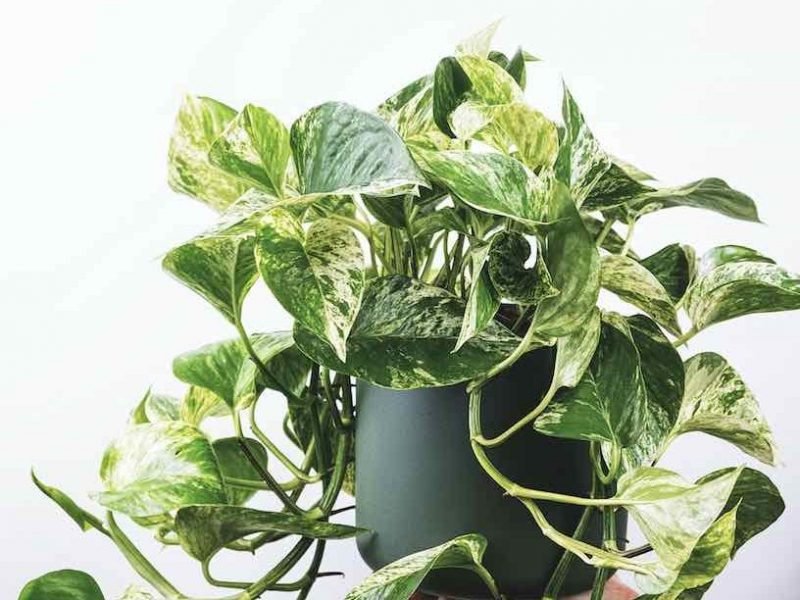
These are pretty unique houseplants because they actually prefer lower-light conditions over anything else! That’s where the name comes from, as they are well acquainted with the darkness. If you have a variegated variety, it will actually start to lose its pattern if placed in too much sunlight. So you don’t need to feel guilty about putting a Devil’s Ivy in a shady spot because it will actually love you for it.

They are also pretty hardy plants in terms of their other care requirements. They don’t need complicated watering schedules or specific pruning so are perfect for any new plant parents. You can’t really go wrong with these at all!

When it comes to styling the Devil’s Ivy plant, shelving is where they thrive as it gives it room to cascade dramatically out of the pot. They can be trained to grow upwards by a wall or moss pole so the option is yours and depends on how much space you have in your hallway.

Find out more in our Devil’s Ivy care guide.

2

Chinese Evergreen

Aglaonema

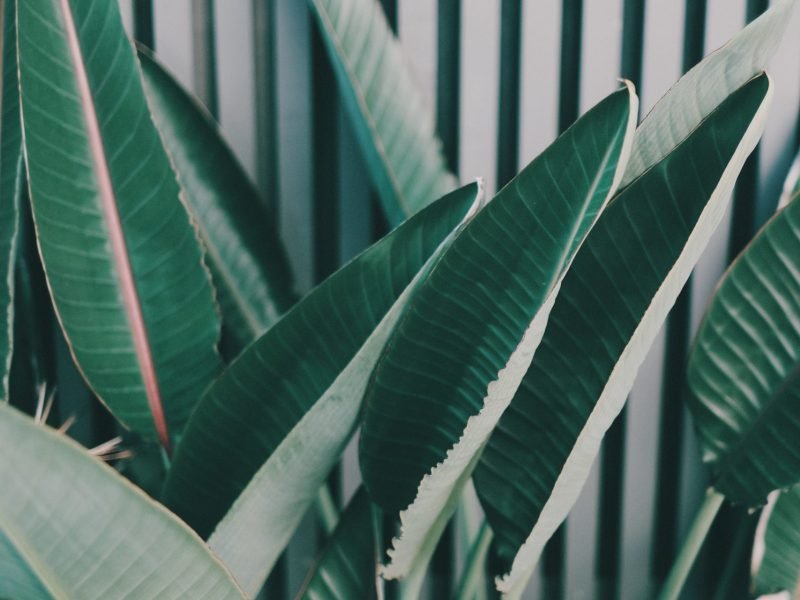
If you find that you are often killing your houseplants and you can’t seem to figure out why, then the Chinese Evergreen is a great choice for your hallway. Native to South-East Asia, they are so hardy that they’ll grow and thrive in basically any home so it’s the perfect beginner plant.

Chinese Evergreens have incredible leaves, full of splashes of white, silver or pink depending on the particular variety. They are quite slow growing though (as most hardy plants are), so don’t expect a lot of new growth every year.

Find out more in our Chinese Evergreen care guide.
3

Cast Iron Plant

Aspidistra elatior

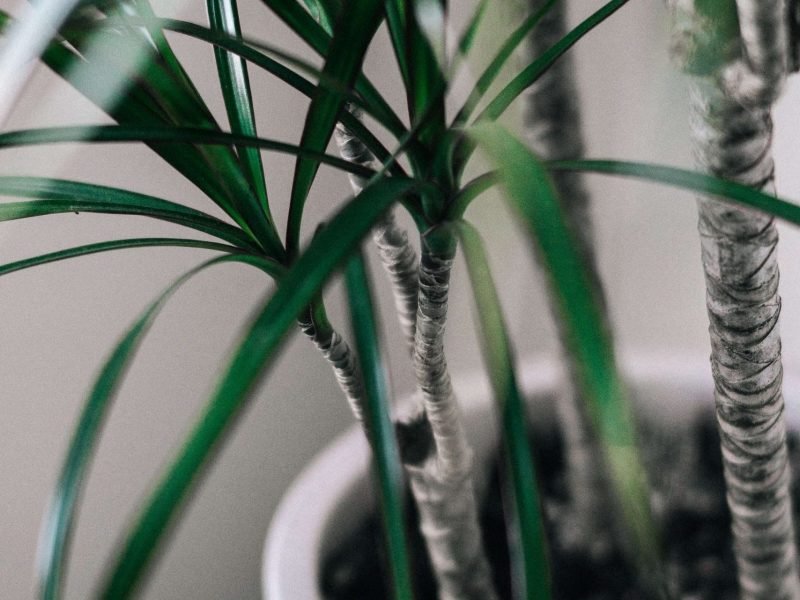
The Cast Iron Plant is a fantastic, glossy houseplant that gives a real tropical feel to your space. On top of all of this, they’re also pretty simple to care for and can take a good variety of conditions without issues. This hardiness is where they got their name from because they are just that tough. They only grow a few feet and aren’t super bushy which makes them great for hallways.

Cast Iron Plants are perfect for areas that don’t have quite as much light, and will happily continue to grow in a shady spot. If you provide a little extra humidity, using something like a spray bottle or humidifier, you can expect your Cast Iron Plant to really thrive.

We definitely recommend these as a starter or beginner houseplant due to their ease of maintenance, but don’t be disheartened by the fact that they do grow quite slowly.

Find out more in our Cast Iron Plant care guide.
4

Dragon Tree

Dracaena draco

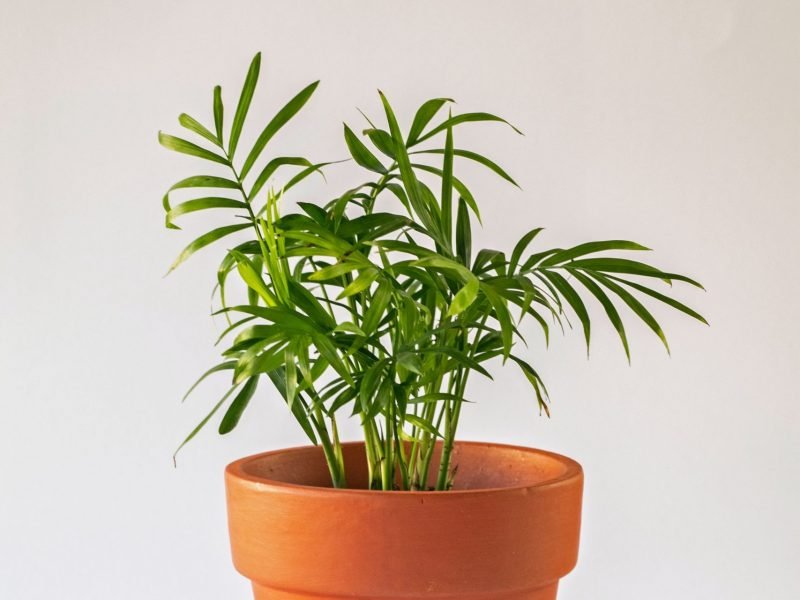
The Dragon Tree was actually our first ever houseplant and ignited our initial love for caring for indoor plants many years ago. Native to Madagascar, it’s a timeless plant that brings elegance and style to every room. They are also super easy to care for and are great at purifying the air which makes them the perfect entry-level houseplant.

You’ll have a hard time trying to kill a Dragon Tree as they are pretty drought-tolerant and forgiving when it comes to light, temperature levels and humidity so it’ll adapt well to every spot in your home.

Although they can reach up to 6 metres in their natural outdoor habitat, they’ll only ever get to about 1.5/2 metres when grown indoors (and even this will take years and years) so you don’t need to worry about it getting too big for your hallway.

Find out more in our Dragon Tree care guide.
5

Parlour Palm

Chamaedorea elegans

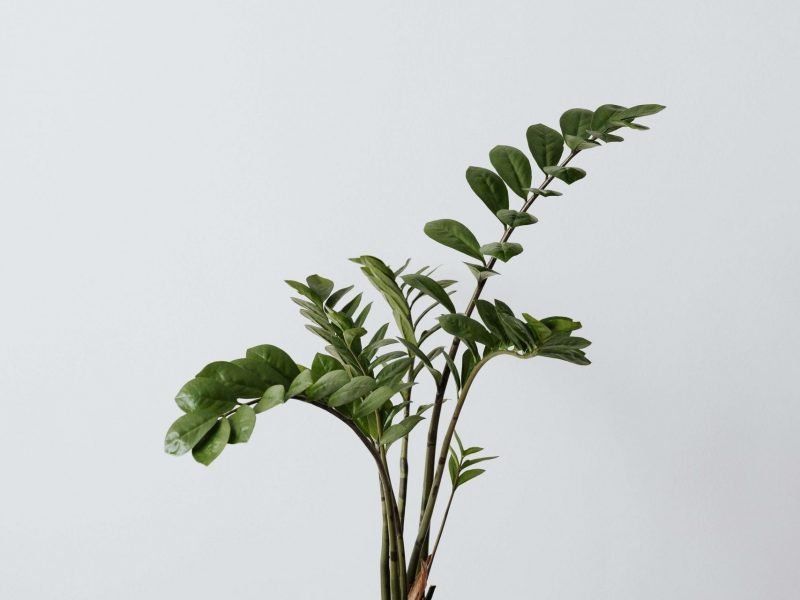
If you want to grow a palm for your hallway but don’t have tonnes of space, then the Parlour Palm is the one for you! They are easy to care for and adapt well to lower light conditions. When kept indoors the Parlour Palm will stay quite small growing to a maximum of around 8 feet, this makes them manageable and easy to place anywhere in the home.

Provided with good light and some additional humidity in the dryer months your Parlour Palm will be perfectly happy – don’t be discouraged by slow growth as they can take several years to grow an extra 2 feet in height.

Find out more in our Parlour Palm care guide.

6

Peace Lily

Spathiphyllum wallisii

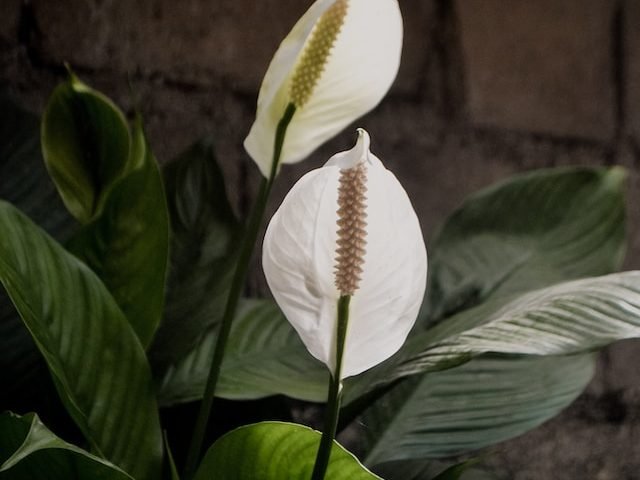
There’s a reason that Peace Lilies are so popular, and it’s not just because of their incredible white flowers. They are super low maintenance plants that can adapt and thrive in most homes. They can tolerate all light levels which is super rare for houseplants and makes them a great plant for slightly darker hallways.

Our favourite thing about the Peace Lily is that it really helps us plant parents out by drooping its leaves when it really needs water. This can help you spot underwatering before it’s really a problem. Within minutes of watering, the leaves will perk up – it’s pretty cool! And if we haven’t sold you on the Peace Lily yet, then you should probably know that they are also one of the best plants at purifying the air and removing chemicals from your home!

Find out more in our Peace Lily care guide.
7

ZZ Plant

Zamioculcas zamiifolia

Also known as the Zanzibar Gem, the ZZ Plant is a great low-maintenance minimalist houseplant. Loved for their dark green glossy oval leaves, we recommend this one for those without a fantastic track record of keeping plants alive, but also for anyone looking for something smart and stylish to spruce up their home. They are very adaptable and will deal well with some bright but indirect light, as well as shady dark corners so whatever the light is like in your hallway, your ZZ Plant will continue to thrive.

The ZZ Plant is quite slow-growing so you won’t see new stems popping out all of the time. It’s important to note that they grow bulb-like roots called rhizomes so will need quite a large pot to really thrive and grow. This also means they are drought tolerant as they store water in their rhizomes.

Find out more in our ZZ Plant care guide.
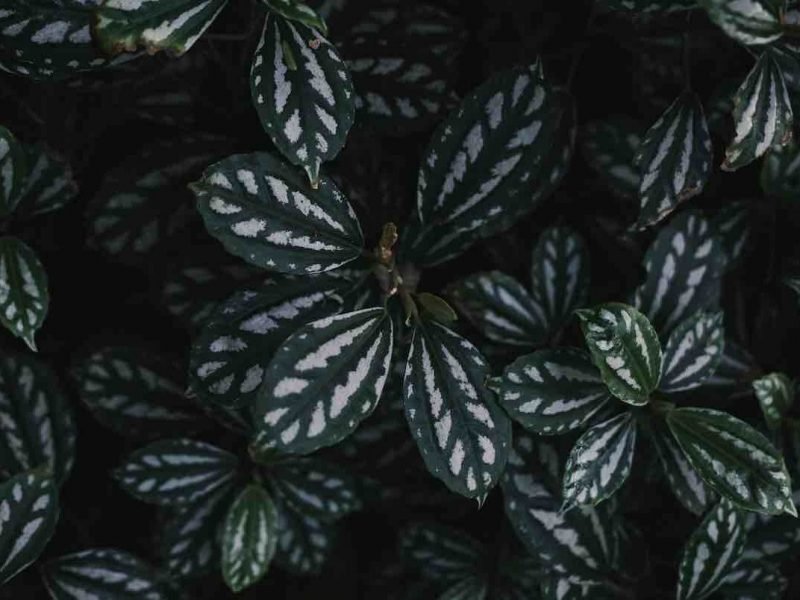
8

Aluminium Plant

Pilea cadierei

This low maintenance, fast-growing houseplant can sometimes be quite underrated in the houseplant world. Each leaf on an Aluminium Plant has its own unique set of silver streaks and splashes, so it’s easy to see how it got its name!

Native to China and Vietnam, this houseplant tends to spread out rather than grow tall so this is one for slightly bigger hallways. You must also be aware that its root system can grow so extensively that it can often break through the pot so you want to make sure you’re repotting this plant yearly!

When it comes to care, bright but indirect sunlight and moderate amounts of water will keep them happy. They are quite forgiving and easy to please so keeping this one thriving doesn’t need a lot of work so we often recommend this as a great entry-level plant.

Find out more in our Aluminium Plant care guide.
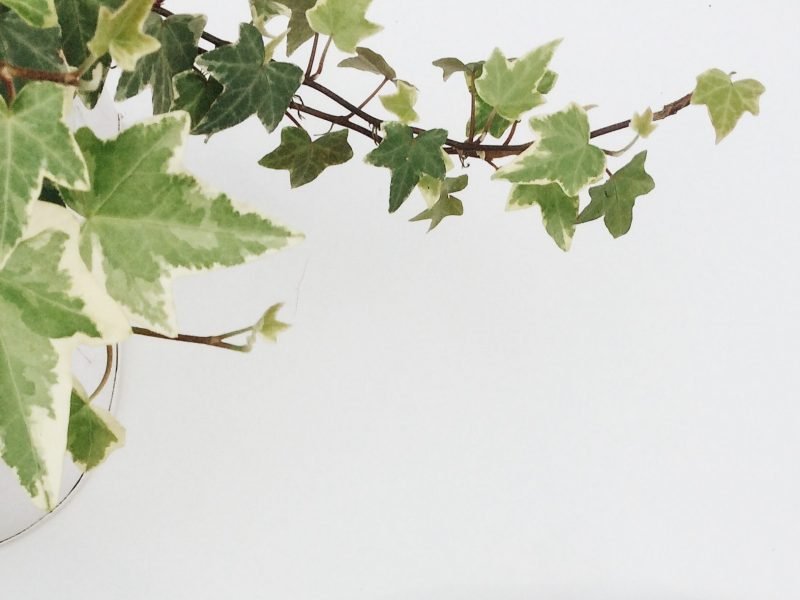
9

English Ivy

Hedera helix

Although they are most commonly known as outdoor plants, you can very successfully grow an English Ivy indoors as long as you give it enough light. We are obsessed with the white variegated English Ivy but if not given enough sunshine, the new leaves will lose all of that variegation.

Included in the NASA Clean Air Study, the English Ivy is great at removing toxins from the air so we recommend having this around your home. They are also believed to sometimes be able to improve allergy symptoms so as well as looking lush, they have great benefits for us too. They are also super fast-growing plants so you want to place them on a high shelf making sure they have enough space to cascade downwards.

Find out more in our English Ivy care guide.
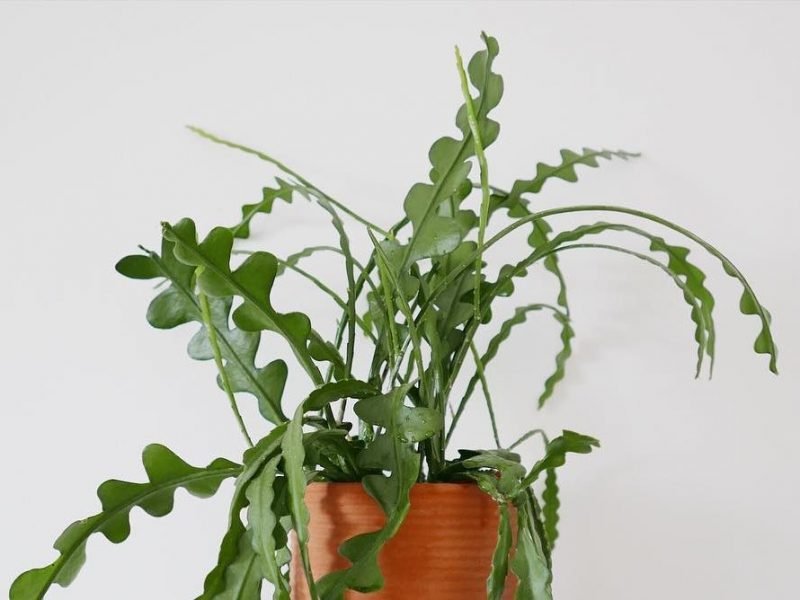
10

Fishbone Cactus

Epiphyllum anguliger

Their flat zig-zag leaves make the Fishbone Cactus something really special. And they aren’t even super difficult to care for which is a bonus. It’s important to note that the Fishbone Cactus is actually native to the jungles of Mexico rather than a desert. This means the care is slightly different to what you’d expect when you hear the word Cactus. They need a little bit more water and don’t do so well in really bright spots.

You’ll be pleased to hear that they are also really easy to propagate and are non-toxic too! The only downside is that they can be a little bit difficult to find but we hope as they continue to grow in popularity that they’ll soon be in every plant shop across the world.

Find out more in our Fishbone Cactus care guide.

11

Lucky Bamboo

Dracaena sanderiana

Believed to bring good luck, the Lucky Bamboo is the ideal houseplant for those wanting to bring a little bit of greenery to their hallway, but who don’t have much space or aren’t great at keeping plants alive. The Lucky Bamboo thrives off being neglected and as long as they have enough sunlight and some warmth, they’ll happily live for a very long time. You can choose to grow them in either well-draining soil or a vase filled with water. The latter is great for forgetful waterers as there’s no risk of them drying out!

You can continue the gorgeous swirls on your Lucky Bamboo plants by simply rotating them every once in a while. The plant naturally grows towards the sunlight so you can use this to create the twists.

Find out more in our Lucky Bamboo care guide.
Fiddle and Thorn is a participant in the Amazon Services LLC Associates Program, an affiliate advertising program designed to provide a means for sites to earn advertising fees by advertising and linking to Amazon.com

Take our houseplant survey!

Quickly respond to our 30 second houseplant survey and get 75% off our Complete Houseplant Care eBook!

Take the Survey

No thanks…

The 10 Best Houseplants for your Dorm Room

Last Updated: December 31, 2021

Best Plants for a College Dorm Room

Whether you’re excitedly planning your dorm room interior or looking to give your current College room a bit of a makeover, we have found the perfect plants for you! Whilst at college, we have a lot going on; from nights out with new friends to essays and lectures and we can sometimes forget to look after our plants.

This is why we have curated a list of low maintenance houseplants that will survive in nearly all environments. And they’ll also forgive the occasional trip home to your parents or old friends so you don’t need to worry about your dormmate remembering to water your plants!

1

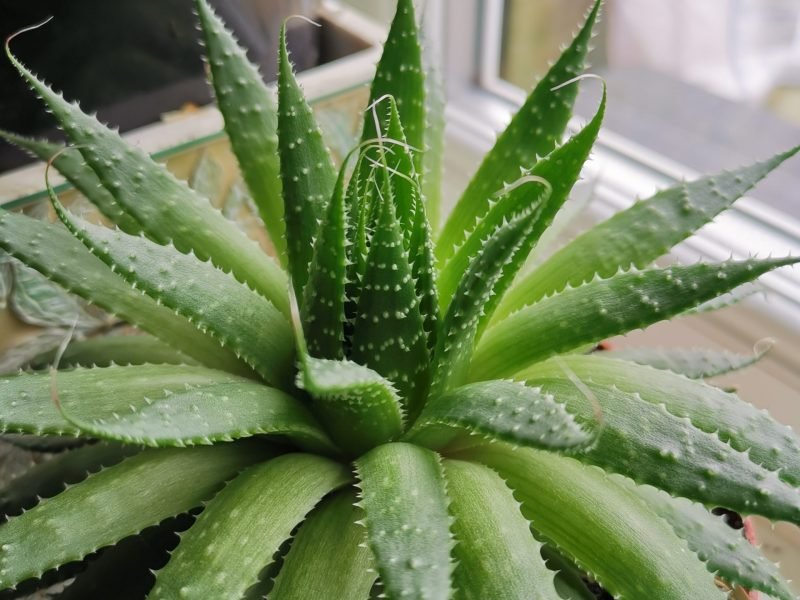
Aloe Vera

Aloe Barbadensis Miller

Although Aloe Vera plants are commonly loved for their gel, they are much more than just their health and beauty benefits, as they make for a super minimalist and forgiving houseplant! Like most other succulents, Aloe Vera plants don’t need much tending to as they thrive in dry coarse potting mix. But it is really important that they get a good amount of bright light or will become quite straggly. A sunny windowsill or desk will make the perfect spot.

As they mature a little, you’ll see lots of little Aloe pups popping up which can be very easily removed from the mother plant and propagated! Aloe plants are super affordable and you can pick them up basically anywhere that sells plants, even supermarkets will often sell them in the summer months.

Find out more in our Aloe Vera care guide.
2

Chinese Evergreen

Aglaonema

If you find that you are often killing your houseplants and you can’t seem to figure out why, then the Chinese Evergreen is a great choice for your dorm room. Native to South-East Asia, they are so hardy that they’ll grow and thrive in basically any home so it’s the perfect beginner plant.

Chinese Evergreens have incredible leaves, full of splashes of white, silver or pink depending on the particular variety. They are quite slow growing though (as most hardy plants are), so don’t expect a lot of new growth every year.

Find out more in our Chinese Evergreen care guide.

3

Devil’s Ivy

Epipremnum aureum

These are pretty unique houseplants because they actually prefer lower-light conditions over anything else! That’s where the name comes from, as they are well acquainted with the darkness. If you have a variegated variety, it will actually start to lose its pattern if placed in too much sunlight. So it’s a good idea to scope out the light levels in your dorm before buying one of these.

They are also pretty hardy plants in terms of their other care requirements. They don’t need complicated watering schedules or specific pruning so are perfect for any new plant parents. You can’t really go wrong with these at all!

When it comes to styling the Devil’s Ivy plant, shelving is where they thrive as it gives it room to cascade dramatically out of the pot. They can be trained to grow upwards by a wall or moss pole so the option is yours and depends on the space you have.

Find out more in our Devil’s Ivy care guide.

4

Dragon Tree

Dracaena draco

The Dragon Tree was actually our first ever houseplant and ignited our initial love for caring for indoor plants many years ago. Native to Madagascar, it’s a timeless plant that’ll bring elegance and style to your dorm. They are also super easy to care for and are great at purifying the air which makes them the perfect entry-level houseplant.

You’ll have a hard time trying to kill a Dragon Tree as they are pretty drought-tolerant and forgiving when it comes to light, temperature levels and humidity so it’ll adapt well to every spot in your home.

Although they can reach up to 6 metres in their natural outdoor habitat, they’ll only ever get to about 1.5/2 metres when grown indoors (and even this will take years and years) so you don’t need to worry about it getting too big to handle in the time you’re in college.

Find out more in our Dragon Tree care guide.

5

English Ivy

Hedera helix

Although they are most commonly known as outdoor plants, you can very successfully grow an English Ivy indoors as long as you give it enough light. We are obsessed with the white variegated English Ivy but if not given enough sunshine, the new leaves will lose all of that variegation.

Included in the NASA Clean Air Study, the English Ivy is great at removing toxins from the air so it’s great to have in the bedroom as they’ll help with sleep and concentration. They are also believed to sometimes be able to improve allergy symptoms so as well as looking lush, they have great benefits for us too. They are also super fast-growing plants so you want to place them on a high shelf making sure they have enough space to cascade downwards.

Find out more in our English Ivy care guide.
6

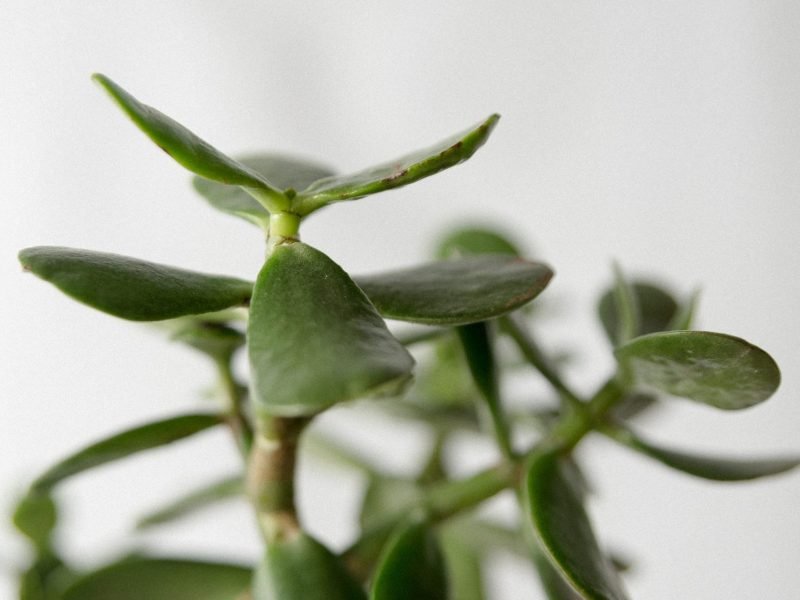
Jade Plant

Crassula ovata

Believed to bring luck, Jade Plants are one of the most popular succulent varieties. They are best known for their oval-shaped leaves and strong stems which become quite woody as they mature.

When it comes to caring for your Jade Plants, the top two things to remember is to give it a spot that gets ample sunshine throughout the day as well as making sure the potting mix has fully dried out before watering again as they are susceptible to root rot if you’re not careful. Jade Plants are quite slow growers though, so even if the environment and care routine are perfect, they may only grow a few inches per year.

Find out more in our Jade Plant care guide.

7

Ponytail Palm

Beaucarnea recurvata

This is a Palm with a personality! The Ponytail Palm is loved for its long curly leaves which will instantly bring the tropical beach vibes to your dorm room!

Interestingly, the Ponytail Palm is neither a palm nor a tree, it’s actually a succulent which is why they are super low maintenance. All they need is a spot with ample light and warmth and they’ll be happy. They don’t need much water either as they are able to store it in their trunk. The only drawback of the Ponytail Palm is that it’s quite slow-growing so don’t expect it to be constantly growing new leaves.

Find out more in our Ponytail Palm care guide.

8

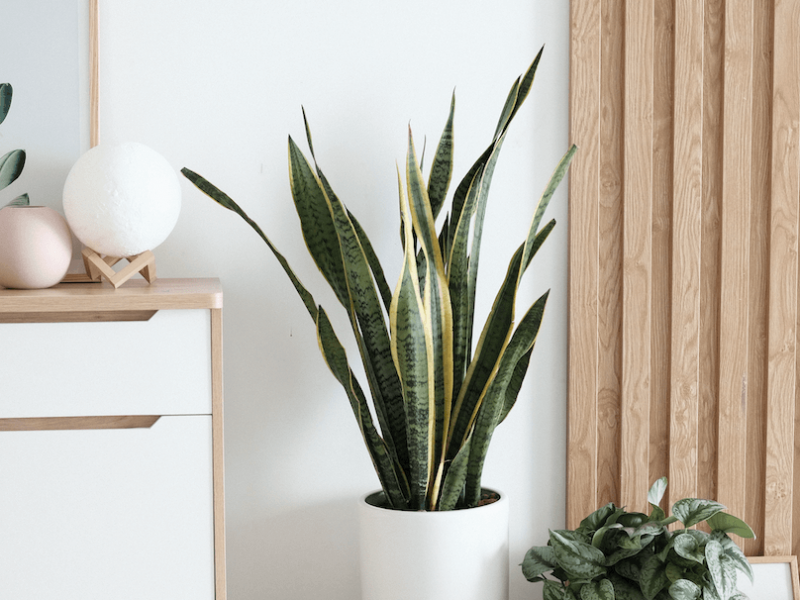
Snake Plant

Sansevieria Trifasciata

The bold and striking leaves of the Snake Plant make it stand out wherever you put it! Not only are they slow-growing, but they transcend upwards so are great for small spaces such as dorm rooms where every centimeter counts! They have some of the sturdiest leaves or any houseplant, and their sharp leaf tips have given the plant the nickname of mother-in-laws-tongue!

When it comes to care, Snake Plant are super easy to look after, they can adapt to a range of light levels (are great low light plants), prefer dry soil and don’t need much attention in the way of misting or repotting etc. So if you want a low maintenance, sturdy houseplant, then the Snake Plant is your perfect match!

Find out more in our Snake Plant care guide.

9

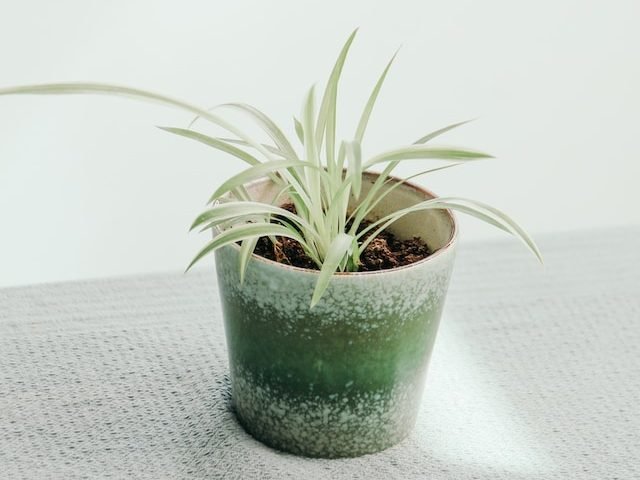
Spider Plant

Chlorophytum comosum

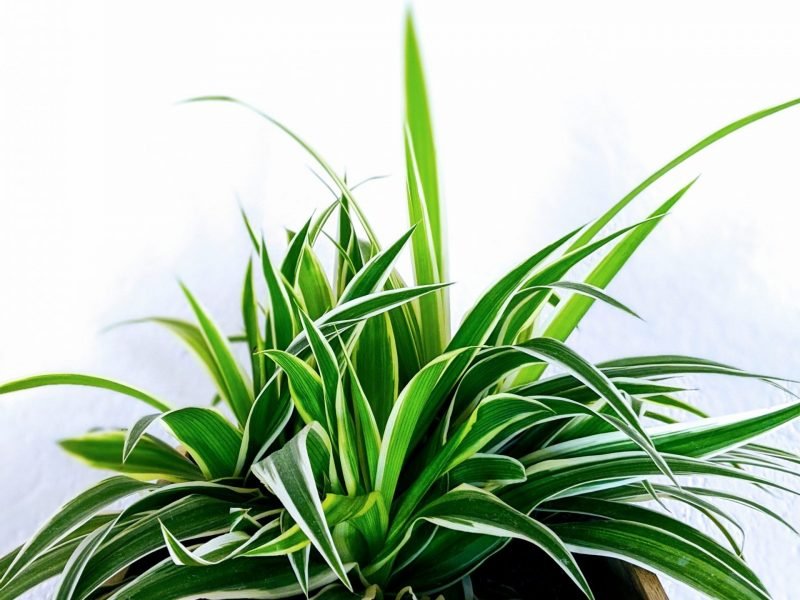
Spider Plants are the perfect plant for a houseplant beginner as they are super easy to care for, grow pretty quickly, and produce an abundance of spider babies which can be propagated in seconds.

The best thing about Spider Plants is that you would really have to try to kill them as they adapt to and survive in most environments and don’t mind being a little neglected. They even show you when they need more water by going quite light green. But after a little bit of water, they spring back to full health in minutes.

As your plant matures, you’ll start to see it sprouting little spiderettes which you can choose to remove from the plant to create new Spider Plants. Soon enough all of your friends can grow these in their rooms too!

Find out more in our Spider Plant care guide.

10

ZZ Plant

Zamioculcas zamiifolia

Also known as the Zanzibar Gem, the ZZ Plant is a great low-maintenance minimalist houseplant. Loved for their dark green glossy oval leaves, we recommend this one for those without a fantastic track record of keeping plants alive, but also for anyone looking for something smart and stylish to spruce up their home. They are very adaptable and will deal well with some bright but indirect light, as well as shady dark corners so are great for every dorm room!

The ZZ Plant is quite slow-growing so you won’t see new stems popping out all of the time. It’s important to note that they grow bulb-like roots called rhizomes so will need quite a large pot to really thrive and grow. This also means they are drought tolerant as they store water in their rhizomes so they won’t mind if you go away for a few weeks!

Find out more in our ZZ Plant care guide.
Fiddle and Thorn is a participant in the Amazon Services LLC Associates Program, an affiliate advertising program designed to provide a means for sites to earn advertising fees by advertising and linking to Amazon.com

Take our houseplant survey!

Quickly respond to our 30 second houseplant survey and get 75% off our Complete Houseplant Care eBook!

Take the Survey

No thanks…

The 9 Best Houseplants for your Bedroom

Last Updated: December 31, 2021

Why is it good to have houseplants in the bedroom?

We might just think that houseplants are nice to have around because of how they look and they give us something alive to look after and care for. But plants can have hidden benefits too that make them perfect for having around in your bedroom. There are a lot of plants out there that purify the air by removing toxins. Although this happens slowly and in low quantities, it can offset toxins that are released from furniture, paint on the walls and those naturally occurring in the air. There are also some plants that actually release oxygen at night, which is great for getting a good nights sleep.

Another thing houseplants are really great at is adding a little humidity to the air through transpiration. Dry air whilst you sleep can cause sore throats, colds and even bad skin. So by adding a few houseplants, it can help boost the humidity.

And lastly, houseplants are known and loved for their calming effect, which is really important to help you get a relaxed night sleep. Create a little bit of zen in your space with our selection of plants below!

1

Boston Fern

Nephrolepis exaltata

If you want to bring some jungle to your bedroom, then the lush Boston Fern is the go-to! However, looking after them isn’t always easy as they can be a little fussy when grown indoors. There are two main things that your Boston Fern needs; bright sunshine and high humidity. This means you need to be prepared to mist your Fern daily to avoid crispy leaves.

The one downside we find to owning Boston Ferns is that they do shed a lot of leaves so you’ll find yourself tidying up after it quite a lot. But with the right care, they’ll reward you with luscious green wilderness.

Another great thing about Boston Ferns is they are pretty cheap and you shouldn’t run into too much trouble finding them in plant shops around the world.

Find out more in our Boston Fern care guide.
2

Snake Plant

Sansevieria Trifasciata

The bold and striking leaves of the Snake Plant make it stand out wherever you put it! Not only are they slow-growing, but they transcend upwards so are great for small spaces or that corner of your bedroom you never know what to do with. They have some of the sturdiest leaves or any houseplant, and their sharp leaf tips have given the plant the nickname of mother-in-laws-tongue!

When it comes to care, Snake Plant are super easy to look after, they can adapt to a range of light levels (are great low light plants), prefer dry soil and don’t need much attention in the way of misting or repotting etc. So if you want a low maintenance, sturdy houseplant for your bedroom, then the Snake Plant is your perfect match!

Find out more in our Snake Plant care guide.

3

Devil’s Ivy

Epipremnum aureum

These are pretty unique houseplants because they actually prefer lower-light conditions over anything else, so they are perfect if your bedroom doesn’t get that much natural light. That’s where the name comes from, as they are well acquainted with the darkness. If you have a variegated variety, it will actually start to lose its pattern if placed in too much sunlight. So you don’t need to feel guilty about putting a Devil’s Ivy in a shady spot because it will actually love you for it.

They are also pretty hardy plants in terms of their other care requirements. They don’t need complicated watering schedules or specific pruning so are perfect for any new plant parents. You can’t really go wrong with these at all!

When it comes to styling the Devil’s Ivy plant, shelving is where they thrive as it gives it room to cascade dramatically out of the pot. They can be trained to grow upwards by a wall or moss pole so the option is yours. They are great air-purifiers so are a perfect choice for your bedroom.

Find out more in our Devil’s Ivy care guide.

4

Dragon Tree

Dracaena draco

The Dragon Tree was actually our first ever houseplant and ignited our initial love for caring for indoor plants many years ago. Native to Madagascar, it’s a timeless plant that brings elegance and style to every room. They are also super easy to care for and are great at purifying the air which makes them the perfect entry-level houseplant.

You’ll have a hard time trying to kill a Dragon Tree as they are pretty drought-tolerant and forgiving when it comes to light, temperature levels and humidity so it’ll adapt well to every spot in your bedroom.

Although they can reach up to 6 metres in their natural outdoor habitat, they’ll only ever get to about 1.5/2 metres when grown indoors (and even this will take years and years) so you don’t need to worry about it getting too big to handle.

Find out more in our Dragon Tree care guide.

5

Peace Lily

Spathiphyllum wallisii

This is a must-have for your bedroom and there’s a reason that Peace Lilies are so popular, and it’s not just because of their incredible white flowers. They are super low maintenance plants that can adapt and thrive in most homes. They can tolerate all light levels which is super rare for houseplants.

Our favourite thing about the Peace Lily is that it really helps us plant parents out by drooping its leaves when it really needs water. This can help you spot underwatering before it’s really a problem. Within minutes of watering, the leaves will perk up – it’s pretty cool! And if we haven’t sold you on the Peace Lily yet, then you should probably know that they are also one of the best plants at purifying the air and removing chemicals so great for the bedroom.

Find out more in our Peace Lily care guide.

6

Spider Plant

Chlorophytum comosum

Spider Plants are the perfect plant for a houseplant beginner as they are super easy to care for, grow pretty quickly, and produce an abundance of spider babies which can be propagated in seconds.

The best thing about Spider Plants is that you would really have to try to kill them as they adapt to and survive in most environments and don’t mind being a little neglected. They even show you when they need more water by going quite light green. But after a little bit of water, they spring back to full health in minutes.

As your plant matures, you’ll start to see it sprouting little spiderettes which you can choose to remove from the plant to create new Spider Plants. They really are the gift that keeps on giving! And the fact that they are on the NASA list of plants that clean the air make them perfect for the bedroom.

Find out more in our Spider Plant care guide.

7

English Ivy

Hedera helix

Although they are most commonly known as outdoor plants, you can very successfully grow an English Ivy indoors as long as you give it enough light. We are obsessed with the white variegated English Ivy but if not given enough sunshine, the new leaves will lose all of that variegation.

Also included in the NASA Clean Air Study, the English Ivy is great at removing toxins from the air so we recommend having this in your bedroom for sure! They are also believed to sometimes be able to improve allergy symptoms so as well as looking lush, they have great benefits for us too. They are also super fast-growing plants so you want to place them on a high shelf making sure they have enough space to cascade downwards.

Find out more in our English Ivy care guide.

8

Rubber Plant

Ficus elastica

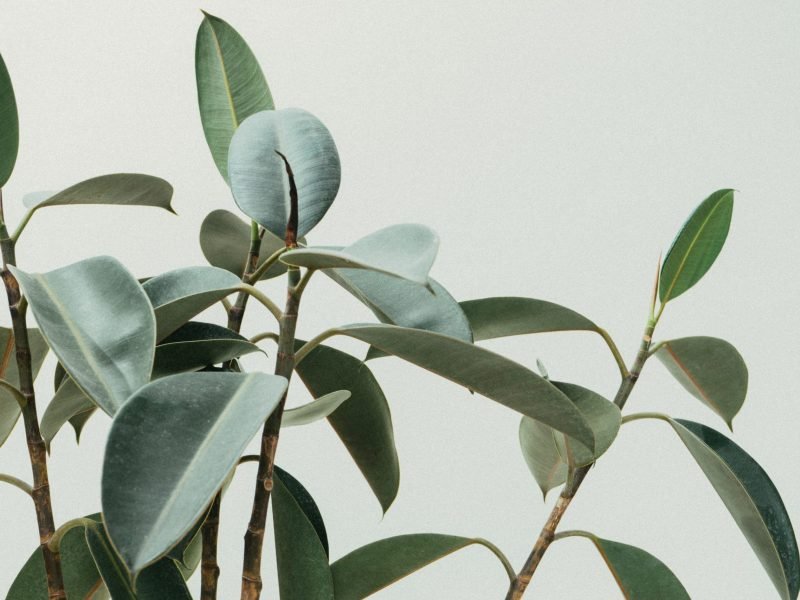
The name Rubber Plant comes from the latex in the leaves, which was once used to actually make rubber! They are a great plant to bring a little bit of that rainforest feel right into your home. And whilst they can reach about 30 metres in their native environment, when potted in your home they’ll be much smaller don’t worry!

Caring for your Rubber Plant doesn’t have to be difficult. Good light levels and not too much water are the basics to remember. As they are native to Southern Asia, they love humidity and will really struggle with dry air so regularly misting will keep your plant happy and healthy. Along with all the other plants on the list, they are great at air-purifying and removing toxins and bacteria from the air!

Find out more in our Rubber Plant care guide.

9

Aloe Vera

Aloe Barbadensis Miller

Although Aloe Vera plants are commonly loved for their gel, they are much more than just their health and beauty benefits, as they make for a super minimalist and forgiving houseplant! Like most other succulents, Aloe Vera plants don’t need much tending to as they thrive in dry coarse potting mix. But it is important that they get a good amount of bright light or will become quite straggly.

As they mature a little, you’ll see lots of little Aloe pups popping up which can be very easily removed from the mother plant and propagated! Aloe Vera plants are actually one of the few plants that releases oxygen at night, rather than carbon dioxide, making them a perfect choice for your bedroom. Aloe plants are super affordable and you can pick them up basically anywhere that sells plants, even supermarkets will often sell them in the summer months.

Find out more in our Aloe Vera care guide.

Fiddle and Thorn is a participant in the Amazon Services LLC Associates Program, an affiliate advertising program designed to provide a means for sites to earn advertising fees by advertising and linking to Amazon.com

Take our houseplant survey!

Quickly respond to our 30 second houseplant survey and get 75% off our Complete Houseplant Care eBook!

Take the Survey

No thanks…

The 12 Best Houseplants for your Bathroom

Last Updated: October 26, 2022

Why plants might love your bathroom…

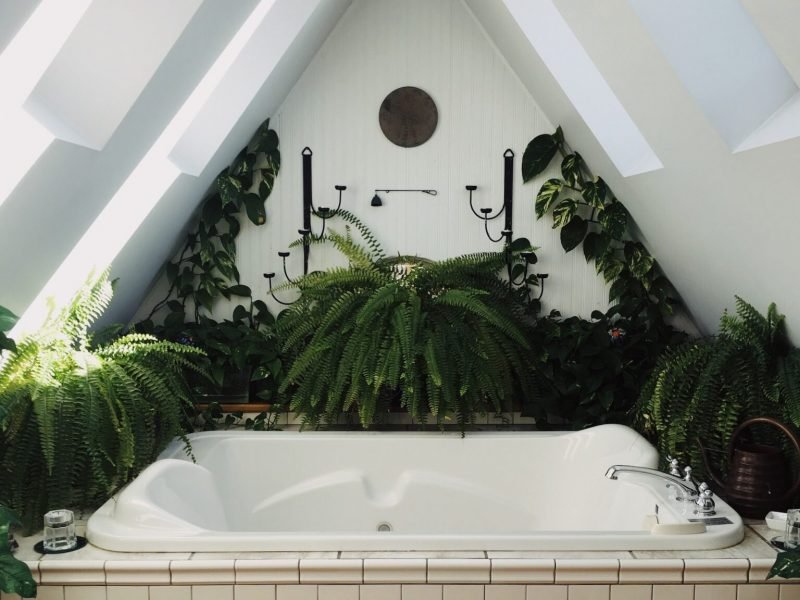
If you’re wanting to bring a bit of greenery to your bathroom, then you’ll be pleased to know that it can be heaven for tropical plants. This is because showering means there’s usually a naturally higher humidity level in your bathroom compared to the rest of your home. It becomes a little more like the tropical rainforests that a lot of plants are native to.

One thing you just have to watch out for is how much natural sunlight your plants will get. Often bathrooms have smaller windows which can make finding the perfect plant a little thicker. Oh and if your bathroom doesn’t have a window at all, then unfortunately, you will most likely have to settle on fake plants.

1

African Mask Plant

Alocasia amazonica

If there is one plant that has risen up the popularity ranks recently, it’s the African Mask Plant! You can now buy these at basically every plant shop, market and superstore globally as they are definitely the most popular of the Alocasia family. And we totally understand why they have become so popular, their intense glossy shield-like leaves are adorned with strong white veins which really make them something special.

They aren’t a great plant for beginners, however, as they do require decent light levels, as well as warm temperatures and a consistent high humidity level. Misting this plant is really crucial or it’ll start to develop some issues. However, by placing them in your bathroom you can often avoid the need for misting, as the humidity from your showers will do all the hard work for you.

If in the right environment, your African Mask Plant can grow well above 1 metre but this will take many years as they don’t produce that many new leaves each year. This is why it’s crucial you take good care of the leaves your plant does have by regularly dusting and inspecting for issues.

Find out more in our African Mask Plant care guide.

2

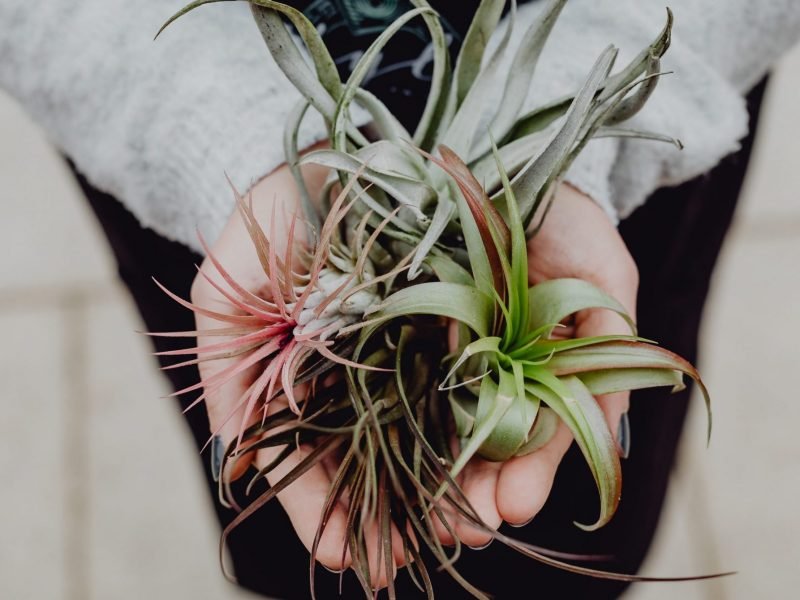
Air Plant

Tillandsia

There are hundreds of Air Plant varieties for you to fall in love with, all with relatively similar care requirements. If you haven’t already guessed from the name, Air Plants are pretty different to most other houseplant types as they don’t grow in soil. Instead, all they need is regular misting and the occasional bath to survive!

Native to areas across Central and South America, Air Plants need warm temperatures and high humidity levels to really thrive which makes them great plants for your bathroom. They also thrive in terrariums if that’s something you’re into. But don’t think terrariums is the only way to grow Air Plants, because with a little bit of care and attention to their environment, you can grow them in most homes and rooms with no problems!

Find out more in our Air Plant care guide.

3

Swiss Cheese Plant

Monstera deliciosa

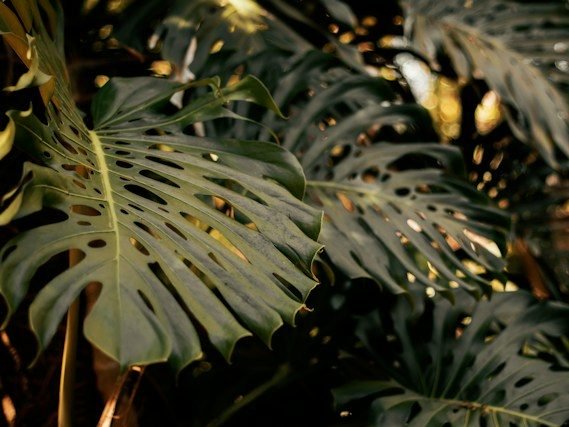
Native to the rainforests of Central America, the Monstera Deliciosa has very quickly become the most fashionable and photographed houseplant ever. And it’s not difficult to understand why… If their large dark green glossy heart-shaped leaves weren’t enough, their unique splits surely will be! It’s really something to bring the wow factor to your bathroom which can often be quite an unloved room.

You might be surprised to learn that the Monstera isn’t actually a fussy plant and is pretty easy to take care of. Bright but indirect light, moderate amounts of water and regularly misting are really the main things to remember (if placed in your bathroom this can usually remove the need for misting).

You’ll find that a lot of more mature Monstera plants are sold with a moss pole as they are climbing plants. In the rainforest, the ariel roots that pop out from the stems will attach themselves to other plants as the plant matures. So a moss pole is a good substitution to help your plant grow and mature.

Find out more in our Swiss Cheese Plant care guide.

4

Watermelon Peperomia

Peperomia argyreia

There aren’t really many leaves that are more beautiful and striking than those of the Watermelon Peperomia. It’s not difficult to know where they got their name from, as their silvery stripes steal the hearts of plant parents everywhere.

They are quite a delicate plant though, as their large heavy leaves are held up by relatively weak stems so be prepared to lose a few leaves here and there. Another thing to be prepared for when owning this plant is all of your friends wanting a cutting, but luckily this plant is super easy to propagate so no problems there!

Native to South Africa, the Watermelon Peperomia prefers mid-light levels, as they are used to the dappled conditions of the jungle floor. Oh, and as they are a semi-succulent, it’s important you don’t water this one too much or the stems can give up and the whole plant will droop and wilt. Keeping them in the bathroom is great as they’ll get a nice constant high humidity level, as well as enough moisture to mean you don’t have to remember to water it that often either. It’s the perfect spot!

Find out more in our Watermelon Peperomia care guide.

5

Boston Fern

Nephrolepis exaltata

If you want to bring some jungle into your bathroom, then the lush Boston Fern is a great way to go! However, looking after them isn’t always easy as they can be a little fussy when grown indoors. There are two main things that your Boston Fern needs; bright sunshine and high humidity. By placing your Boston Fern in the bathroom, it removes the need to mist the leaves on a daily basis which makes caring for it a lot less hassle.

The one downside we find to owning Boston Ferns is that they do shed a lot of leaves so you’ll find yourself tidying up after it quite a lot. This can get a little annoying if placed right next to the sink or bath as you don’t want the leaves blocking the drains. But with the right care, they’ll reward you with luscious green wilderness.

Another great thing about Boston Ferns is they are pretty cheap and you shouldn’t run into too much trouble finding them in plant shops around the world.

Find out more in our Boston Fern care guide.

6

Peace Lily

Spathiphyllum wallisii

There’s a reason that Peace Lilies are so popular, and it’s not just because of their incredible white flowers. They are super low maintenance plants that can adapt and thrive in most homes. They can tolerate all light levels which is super rare for houseplants and means it’s great for bathrooms with plenty of sunshine, as well as those which might be a little dark.

Our favourite thing about the Peace Lily is that it really helps us plant parents out by drooping its leaves when it really needs water. This can help you spot underwatering before it’s really a problem. Within minutes of watering, the leaves will perk up – it’s pretty cool! And if we haven’t sold you on the Peace Lily yet, then you should probably know that they are also one of the best plants at purifying the air and removing chemicals from your home!

Find out more in our Peace Lily care guide.

7

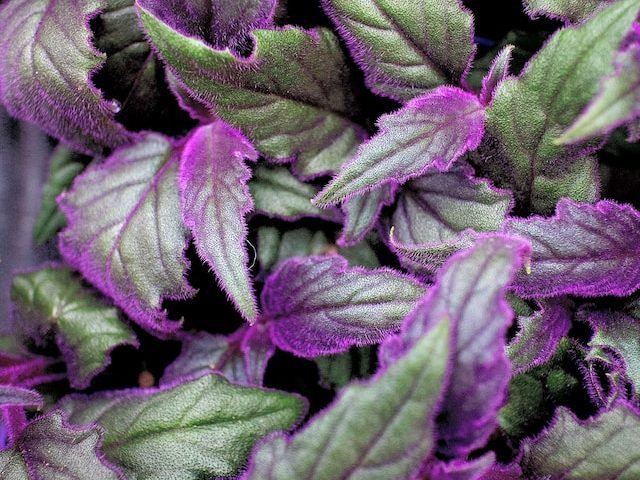
Nerve Plant

Fittonia albivenis

With delicate leaves, Nerve Plants are low-growing spreader plants that aren’t always the easiest to care for. The most popular and common variety is silver and green-veined, though you’ll also often spot varieties with white, pink or red veins and leaves too!

They have quite specific care requirements though so we don’t tend to recommend them to beginner plant parents as they are quite fussy about balancing the level of light, water, humidity and temperature. We usually recommend daily misting to prevent them from drying out, but by placing them in the bathroom, you can avoid needing to do this at all!. And if you manage to get the care routine nailed down, then they are totally worth the extra hassle!

Find out more in our Nerve Plant care guide.

8

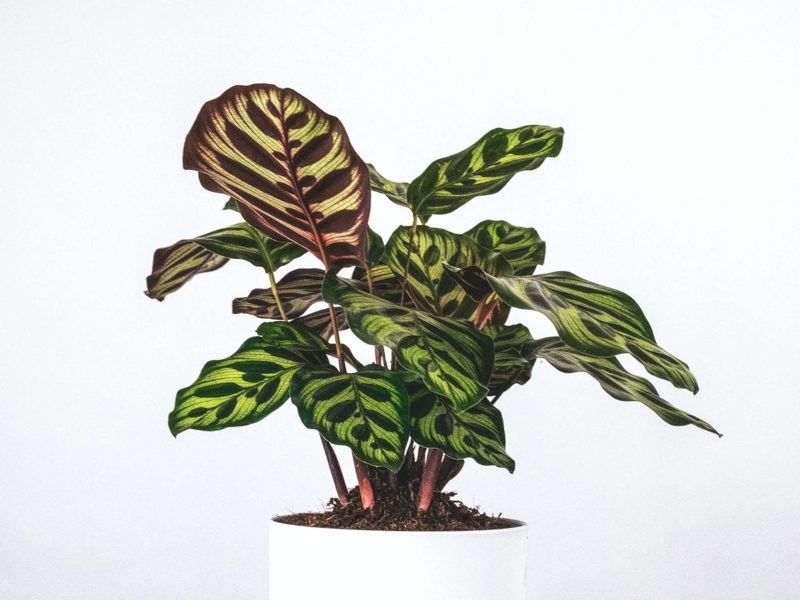
Peacock Plant

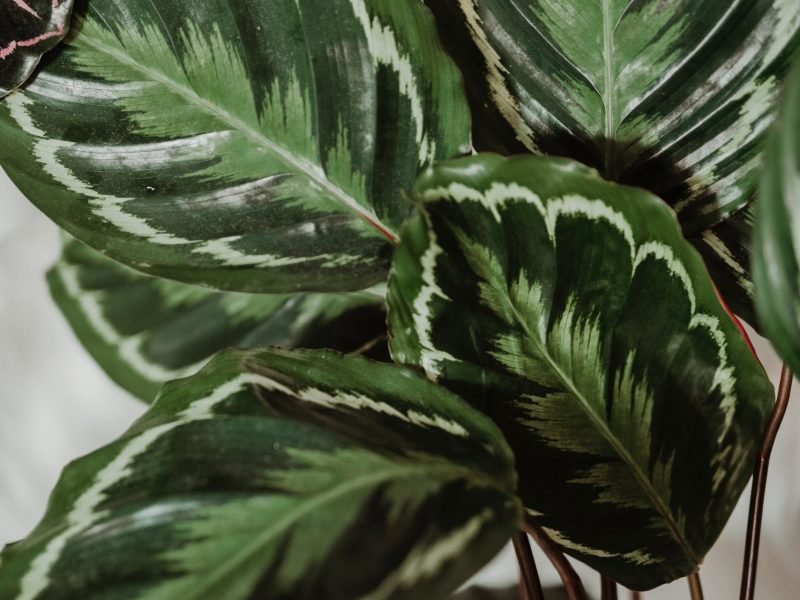
Calathea makoyana

The Calathea makoyana is known and loved for the bold and unique markings on the leaves, as well as their red undersides, a classic trademark of many Calathea plants. Peacock plants don’t grow very tall so are perfect for smaller bathrooms and spaces.

When it comes to care, it’s important to note that the Peacock Plant can be a little temperamental sometimes, so we don’t always recommend this one to plant beginners. You must keep them away from direct light and never let them fully dry out for long periods of time. They also need quite warm temperatures to really thrive, so drafts and AC vents are a no-go for Peacock Plants. By keeping them in the bathroom, you won’t have to mist this one at all, and the extra humidity can also help to keep the leaves clean which is important with the Peacock Plant.

Peacock Plants can grow very small white flowers sometimes, but don’t think you aren’t caring for your plant properly if it doesn’t bloom. Flowers are quite rare and unpredictable, but a nice surprise when it does happen!

Find out more in our Peacock Plant care guide.

9

Philodendron Birkin

Philodendron Birkin

This used to be an extremely rare and unknown plant but over the past few years, it’s definitely gained a place in the houseplant walk of fame! Unlike a lot of its Philodendron relatives, the Birkin is a non-vining plant that stays pretty compact, making it great for the windowsill of your bathroom or generally smaller spaces.

Loved for their green and cream striped leaves, the Philodendron Birkin needs a humid environment to really thrive. This is because they are native to the rainforests of Brazil you’d usually need to mist the plant often, as otherwise, you’ll see brown leaves appear pretty quickly. But the humidity that comes with daily showering will really help this one thrive. With the right care and environment, the Birkin can be a pretty quick grower so it’s definitely worth a little bit of extra hassle.

Find out more in our Philodendron Birkin care guide.

10

Pinstripe Calathea

Calathea ornata

This is probably one of our favourite houseplants here at Fiddle and Thorn. Whilst they are a little fussier than a lot of other plants, their stunning pink striped leaves really make up for it. Their dark green glossy leaves can reach up to around 30cm when your plant starts to mature, making them perfect for that corner of the bathroom that you just don’t know what to do with.

Native to South America, these plants need high humidity or you’ll very quickly see dry leaf edges appear which is why they are a great fit for the bathroom. You also want to keep them away from intense light or the pink stripes will start to fade which is always devastating. Oh, and if you needed another reason to love the Pinstripe Calathea, they are safe for pets and humans so you don’t need to worry about having them around your home.

Find out more in our Pinstripe Calathea care guide.

11

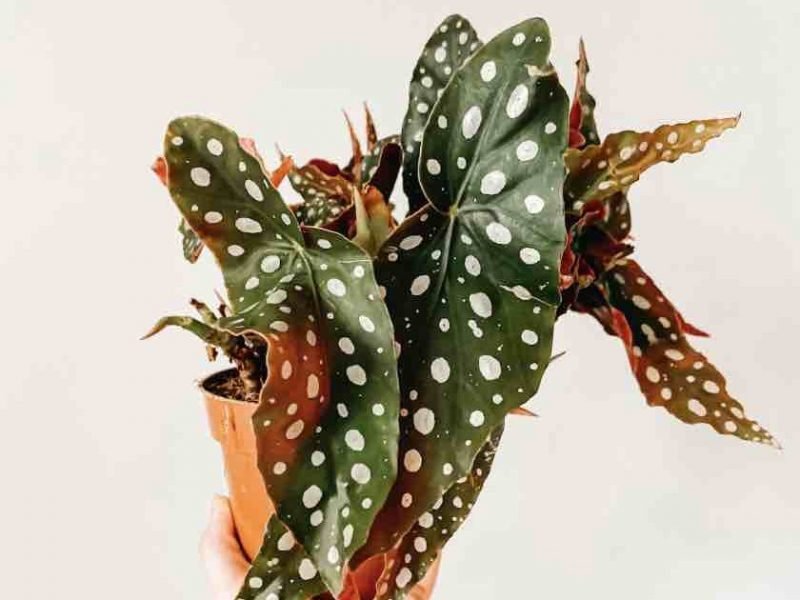
Polka Dot Plant

Hypoestes phyllostachya

Polka Dot Plants come in all kinds of colours, from pink to green, white and red. Although they have super delicate leaves, they aren’t actually too difficult to care for so long as they don’t receive any direct light (this fades and burns the leaves) and don’t have to sit in any waterlogged soil.

One great thing about Polka Dot Plants is that they can very happily adapt to a range of light levels, so if you’re looking for something to fill that shady corner of the bathroom, you might have just found the perfect plant! They are relatively non-toxic too which means as long as your pet or child doesn’t consume a really large quantity of this plant, they’ll be absolutely fine.

If we had to sum up this plant in just one sentence it would be they are the perfect fit for someone who is looking for a little special something but doesn’t want all the faff that can come with a lot of other houseplants!

Find out more in our Polka Dot Plant care guide.

12

Rubber Plant

Ficus elastica

The name Rubber Plant comes from the latex in the leaves, which was once used to actually make rubber! They are a great plant to bring a little bit of that rainforest feel right into your home. And whilst they can reach about 30 metres in their native environment, when potted in your home they’ll be much smaller don’t worry!

Caring for your Rubber Plant doesn’t have to be difficult. Good light levels and not too much water are the basics to remember. As they are native to Southern Asia, they love humidity and will really struggle with dry air so putting them in the bathroom will help to prevent dry brown leaves.

Find out more in our Rubber Plant care guide.

Fiddle and Thorn is a participant in the Amazon Services LLC Associates Program, an affiliate advertising program designed to provide a means for sites to earn advertising fees by advertising and linking to Amazon.com

Take our houseplant survey!

Quickly respond to our 30 second houseplant survey and get 75% off our Complete Houseplant Care eBook!

Take the Survey

No thanks…

The 10 Best Houseplants for your Baby’s Nursery

Last Updated: December 31, 2021

Best plants for a baby’s nursery or children’s room

It’s really important that all the plants you put in your baby’s room are safe and non-toxic. As a parent, you’ve got enough to worry about so with this list of plants you won’t need to stress about if your child is getting too close to a plant. All plants are safe to ingest and don’t have any spikes or prickly leaves.

We have also included some air-purifying plants in this list to help the air be the best it can be for your little one!

1

Boston Fern

Nephrolepis exaltata

If you want to bring some jungle indoors, then the lush Boston Fern is the go-to! However, looking after them isn’t always easy as they can be a little fussy when grown indoors. There are two main things that your Boston Fern needs; bright sunshine and high humidity. This means you need to be prepared to mist your Fern daily to avoid crispy leaves.

The one downside we find to owning Boston Ferns is that they do shed a lot of leaves so you’ll find yourself tidying up after it quite a lot. But with the right care, they’ll reward you with luscious green wilderness.

Another great thing about Boston Ferns is they are pretty cheap and you shouldn’t run into too much trouble finding them in plant shops around the world.

Find out more in our Boston Fern care guide.

2

Spider Plant

Chlorophytum comosum

Spider Plants are the perfect plant for a houseplant beginner as they are super easy to care for, grow pretty quickly, and produce an abundance of spider babies which can be propagated in seconds.

The best thing about Spider Plants is that you would really have to try to kill them as they adapt to and survive in most environments and don’t mind being a little neglected (which is great if you’re a busy new parent). They even show you when they need more water by going quite light green. But after a little bit of water, they spring back to full health in minutes.

As your plant matures, you’ll start to see it sprouting little spiderettes which you can choose to remove from the plant to create new Spider Plants. They really are the gift that keeps on giving.

Find out more in our Spider Plant care guide.

3

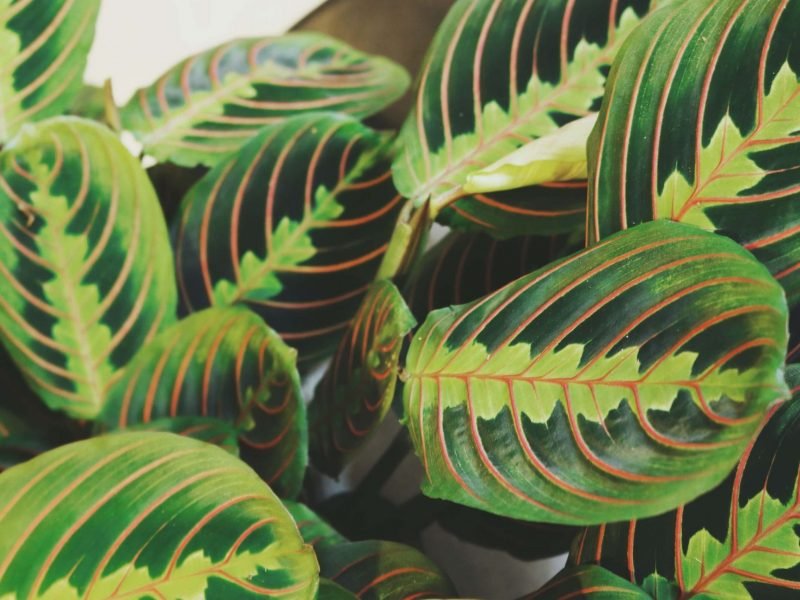
Prayer Plant

Maranta leuconeura

Native to the tropical rainforests of Brazil, the Prayer Plant is loved for its variegated leaves with intricate vein patterns. You can easily spot a Prayer Plant by its leaf undersides as shades of deep red are revealed when the plant’s leaves curl up at night, bringing a splash of colour to your child’s bedroom.

There are several varieties of Prayer Plants that all look ever so slightly different. The most common is the tri-colour which has red-veined leaves but you’ll sometimes see varieties with silver patches or dark green splashes. Prayer Plants are a little fussy though with light conditions, soil moisture and humidity levels though so we don’t recommend this as a starter plant, unfortunately.

Find out more in our Prayer Plant care guide.

4

Ponytail Palm

Beaucarnea recurvata

This is a Palm with a personality! The Ponytail Palm is loved for its long curly leaves which instantly bring the tropical beach vibes…

Interestingly, the Ponytail Palm is neither a palm nor a tree, it’s actually a succulent which is why they are super low maintenance. All they need is a spot with ample light and warmth and they’ll be happy. They don’t need much water either as they are able to store it in their trunk. The only drawback of the Ponytail Palm is that it’s quite slow-growing so don’t expect it to be constantly growing new leaves. This does mean that you won’t need to repot it for a while so one less thing on the to-do list!

Find out more in our Ponytail Palm care guide.

5

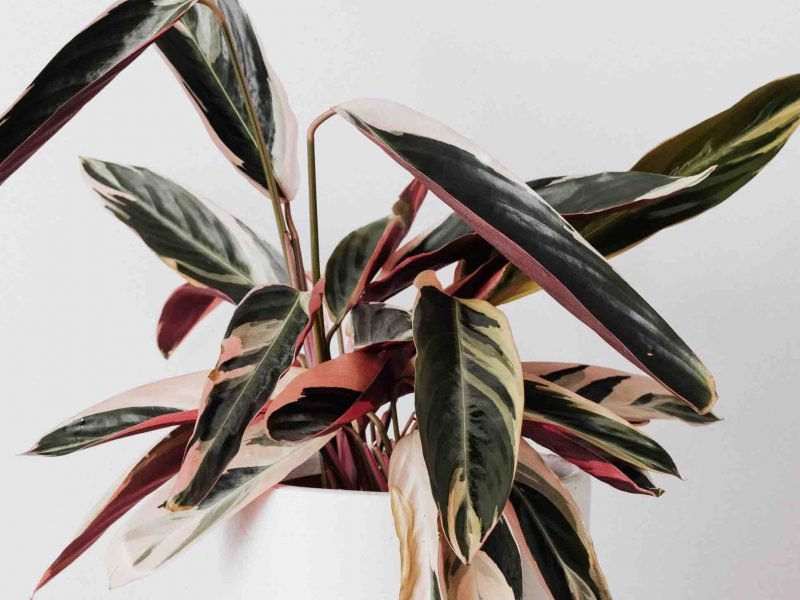
Calathea Triostar

Stromanthe Sanguinea

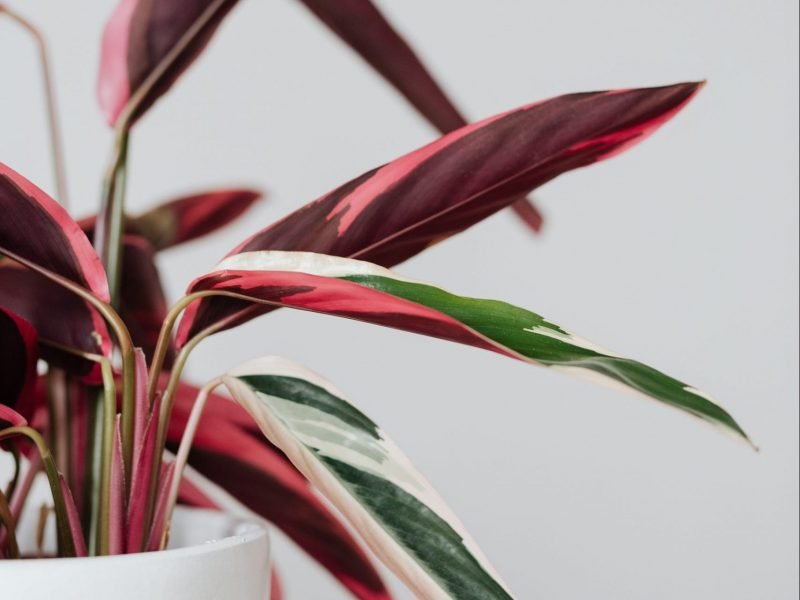
Part of the Prayer Plant family, Calathea Triostar plants are loved for their incredible white, green and pink leaves. Their vibrant pink leaf undersides really make this plant stand out in a crowd and would bring a nice bit of colour to your baby’s nursery.

As much as we love the Calathea Triostar, they are sometimes a little fussy if things aren’t perfect, so be prepared for a bit of a challenge to keep this one alive and happy. They hate direct sunlight as it can very quickly burn and scorch the leaves. It’s also important that you keep a good level of moisture in the soil, not too much and not too little. The best thing about Calathea Triostars is how quickly they do grow once you get the environment and care just right. Before you know it, there will be new leaves and stems popping up everywhere which makes it a great plant to propagate!

Find out more in our Calathea Triostar care guide.

6

Nerve Plant

Fittonia albivenis

Although the name might make it sound unsafe, Nerve Plants are actually completely safe and non-toxic! With delicate leaves, they are low-growing spreader plants that aren’t always the easiest to care for. The most popular and common variety is silver and green-veined, though you’ll also often spot varieties with white, pink or red veins and leaves too!

They have quite specific care requirements though so we don’t tend to recommend them to beginner plant parents as they are quite fussy about balancing the level of light, water, humidity and temperature. If there is one tip we can give you it would be to mist your plant at every opportunity you have to prevent them from drying out. But if you can get the care routine nailed down, then they are totally worth the extra hassle!

Find out more in our Nerve Plant care guide.

7

Raindrop Peperomia

Peperomia Polybotrya

Don’t mistake this one for the more common Pilea Peperomioides as it’s definitely got its own personality and is so much easier to care for!! With teardrop-shaped leaves, the Raindrop Peperomia only grows to about 30m high so is perfect for a windowsill or small space.

When it comes to caring for them, they really aren’t fussy. Just a good amount of sunlight, moderate water levels and preferably away from cold drafts. One top tip we have to keep the leaves clean is misting them or wiping them down regularly as the large flat leaves just invite dust to settle. The whole Peperomia family is safe for pets and humans so this is definitely one for the list.

Find out more in our Raindrop Peperomia care guide.

8

Pinstripe Calathea

Calathea ornata

This is probably one of our favourite houseplants here at Fiddle and Thorn. Whilst they are a little fussier than a lot of other plants, their stunning pink striped leaves really make up for it. Their dark green glossy leaves can reach up to around 30cm when your plant starts to mature, so they really stand out in a room of plants.

Native to South America, these plants need high humidity or you’ll very quickly see dry leaf edges appear. You also want to keep them away from intense light or the pink stripes will start to fade which is always devastating. As with all the plants on this list, they are safe for pets and humans so you don’t need to worry about putting them in your child’s bedroom or around your home generally.

Find out more in our Pinstripe Calathea care guide.

9

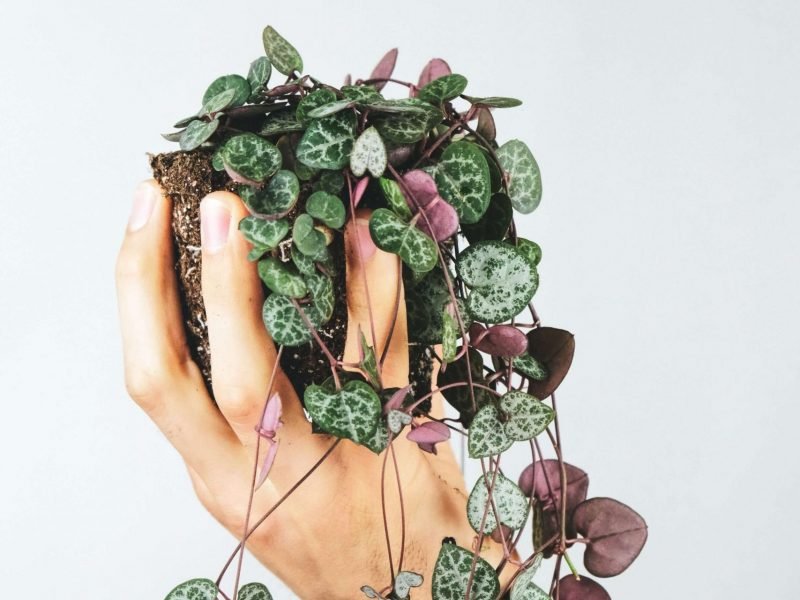
String of Hearts

Ceropegia woodii

Native to South Africa, the String of Hearts should be top on your list for trailing houseplants. You don’t get much more unique than their speckled heart-shaped leaves. The other thing we love about the String of Hearts is that it’s such a fast grower over the spring and summer months, you’ll blink and there will be two new leaves popping out somewhere.

The String of Hearts is a semi-succulent plant meaning they don’t need much water, otherwise, it’ll cause their delicate shallow leaves to rot pretty quickly. Oh, and because they have such shallow roots, you won’t need to repot for a very very long time.

It makes the perfect plant for hanging down shelving, and because its human and pet friendly, you don’t need to worry about it ever becoming too long!

Find out more in our String of Hearts care guide.

10

Polka Dot Plant

Hypoestes phyllostachya

Polka Dot Plants come in all kinds of colours, from pink to green, white and red. Although they have super delicate leaves, they aren’t actually too difficult to care for so long as they don’t receive any direct light (this fades and burns the leaves) and don’t have to sit in any waterlogged soil.

One great thing about Polka Dot Plants is that they can very happily adapt to a range of light levels, so if you’re looking for something to fill that shady corner of the nursery, you might have just found the perfect plant! These are relatively non-toxic which means your child or pet would have to eat a really really large quantity of it to ever feel something is wrong so it shouldn’t cause any issues.

If we had to sum up this plant in just one sentence it would be they are the perfect fit for someone who is looking for a little special something but who doesn’t want all the faff that can come with a lot of other houseplants!

Find out more in our Polka Dot Plant care guide.

So that is our shortlist for the best houseplants for a baby’s nursery or child’s bedroom. All are safe for children to be around so it’s just a case of figuring out how much space you have, as well as what the light conditions are in the room. We hope that these can provide a splash of greenery into your home.

Check out our Plant Index for detailed information on all of our favourite houseplants.

Fiddle and Thorn is a participant in the Amazon Services LLC Associates Program, an affiliate advertising program designed to provide a means for sites to earn advertising fees by advertising and linking to Amazon.com

Take our houseplant survey!

Quickly respond to our 30 second houseplant survey and get 75% off our Complete Houseplant Care eBook!

Take the Survey

No thanks…

The Best Houseplants for West Facing Windows

Last Updated: December 31, 2021

Top Houseplants for West-Facing Windows

It’s important to understand the difference in light that comes through each of your windows to help you decide where to place each of your plants. If you live in the northern hemisphere, west-facing windows are perfect for so many houseplants as they don’t have as much direct sunlight compared to south-facing windows, but still allow plenty of gorgeous afternoon sunshine to pour in.

We have curated a list of our favourite plants that will love being near a west-facing window. Some are easier to care for than others, some smaller or bushier than others so we hope you can find the perfect plant for you and your home.

*It’s important to note that this applies only to the northern hemisphere as it’s the other way around for the southern hemisphere.


1

African Mask Plant

Alocasia amazonica

If there is one plant that has risen up the popularity ranks recently, it’s the African Mask Plant! You can now buy these at basically every plant shop, market and superstore globally as they are definitely the most popular of the Alocasia family. And we totally understand why they have become so popular, their intense glossy shield-like leaves are adorned with strong white veins which really make them something special.

They aren’t a great plant for beginners, however, as they do require decent light levels (hence why they’re great for west-facing windows), as well as warm temperatures and a consistent high humidity level. Misting this plant is really crucial or it’ll start to develop some issues.

If in the right environment, your African Mask Plant can grow well above 1 metre but this will take many years as they don’t produce that many new leaves each year. This is why it’s crucial you take good care of the leaves your plant does have by regularly dusting and inspecting for issues.

Find out more in our African Mask Plant care guide.

2

Chinese Money Plant

Pilea Peperomioides

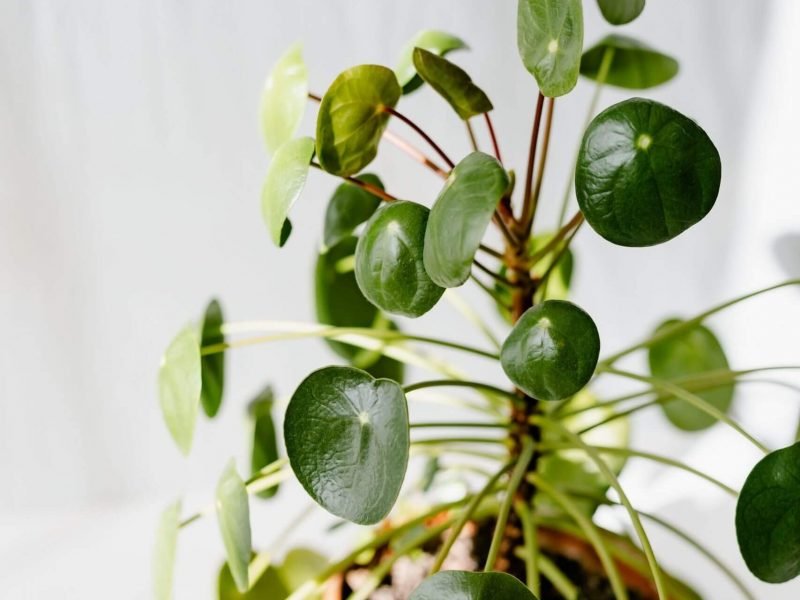
Otherwise known as the Chinese Money Plant (they are believed to bring good luck and fortune to its owner), Pilea plants are a must-have! They initially became popular because they are so easy to propagate which meant Pilea pups got passed around a lot between friends and family, earning itself the nickname ‘pass it on plant’

When it comes to care, Pilea’s are somewhere in-between fussy and low maintenance. They aren’t great in low light areas, and also hate soggy or super dry soil so finding the right balance is key for Pilea care. They’ll love the afternoon sunshine that will come through your west-facing window.

As your Pilea matures, the leaves can reach up to about 10cm in diameter which is incredible and makes all of the effort worth it!

Find out more in our Chinese Money Plant care guide.

3

Arrowhead Plant

Syngonium podophyllum

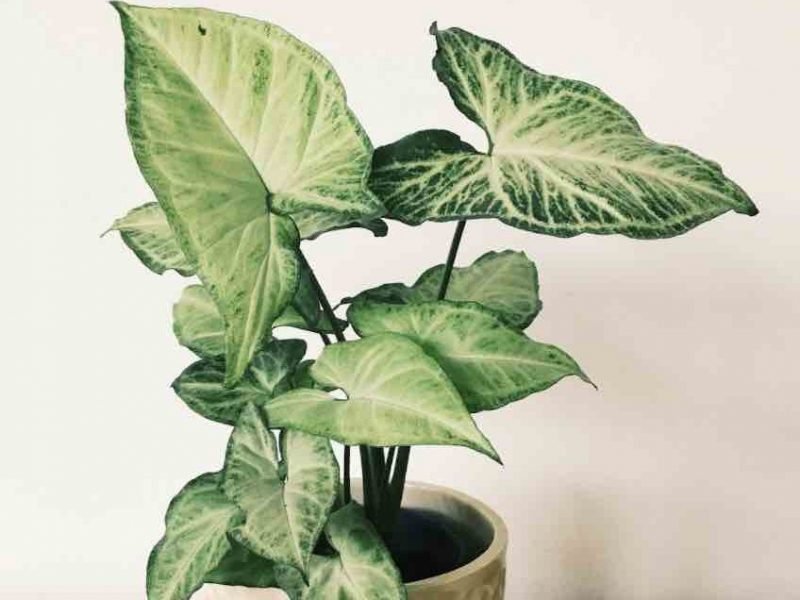
Native to the tropical rainforests of Central and South America, the Arrowhead great plant to have in your collection. When fully grown, they can reach nearly 2 meters tall with large leaves that can have a variety of colours and variegations.

As you can imagine, the Arrowhead likes warm and humid environments. Letting the soil dry out between waterings is a great way to mimic their natural habitats and making sure they have bright, but indirect light will stop the leaves from burning. This is why they are best suited to west-facing windows as the risks of leaf burn are lower.

With them being a little pickier over humidity and placement, we wouldn’t always recommend them for a starter houseplant. They’re also mildly toxic to pets, which doesn’t make them the most friendly for households with cats or dogs.

Find out more in our Arrowhead Plant care guide.

4

Satin Pothos

Epipremnum pictum Argyraeus

Known for their unique silver speckled leaves, the Satin Pothos is the perfect houseplant for every plant parent as they are super simple to care for. They can grow quite quickly in the right conditions and are very easy to propagate, so cuttings and young plants can make great gifts.

Bright, indirect light and a consistent watering schedule will keep them happy and thriving. West-facing windows are the best for a Satin Pothos as too much sunshine will burn the leaves. Avoiding colder rooms or areas with dryer air will also really help in making sure your Satin Pothos will stay healthy all year round.

Originating from southeast Asia these plants will also appreciate a little extra humidity, so spraying them with a mist bottle every now and then will keep them closer to their natural environment.

Find out more in our Satin Pothos care guide.

5

String of Hearts

Ceropegia woodii

Native to South Africa, the String of Hearts should be top on your list for trailing houseplants. You don’t get much more unique than their speckled heart-shaped leaves. The other thing we love about the String of Hearts is that it’s such a fast grower over the spring and summer months, you’ll blink and there will be two new leaves popping out somewhere.

The String of Hearts is a semi-succulent plant meaning they don’t need much water, otherwise, it’ll cause their delicate shallow leaves to rot pretty quickly. Oh, and because they have such shallow roots, you won’t need to repot for a very very long time.

It makes the perfect plant for hanging down shelving, and because its pet friendly, you don’t need to worry about it ever becoming too long!

Find out more in our String of Hearts care guide.

6

Croton Plant

Codiaeum variegatum

If you’re looking to bring a splash of colour into your home, then the Croton Plant is the perfect choice. Native to India and Indonesia, the unusual thing about Croton Plants is that they are genetically unstable which means every single plant will look slightly unique. Even when propagated, the new plants can look different to the mother plant.

There are so many types of Croton Plants showcasing red, yellow, pink, purple, orange and white leaves but luckily they all have the same care requirements. Like most other tropical plants, they need ample light, a moderate amount of water and a nice warm room to really thrive. It’s best to keep this one away from pets though as although it’s not the most toxic plant, it can cause some irritation when ingested.

Find out more in our Croton Plant care guide.

7

Elephant Ear

Colocasia

Known and loved for their larger than life, heart-shaped leaves, Elephant Ear Plants are the new popular houseplant on the block! Whilst they are most commonly grown outdoors, this doesn’t mean they can’t adapt nicely to your home. With enough light, a little boost to the humidity and good moisture in the soil, your Elephant Ear Plant could soon be boasting leaves that are nearly a meter in length!

It will require a little bit of work though to keep your Elephant Ear Plant thriving, from daily misting, to regularly dusting the leaves as the sheer size of them make them a dust magnet, it’s important to tend to an Elephant Ear Plant to keep it happy and healthy.

Find out more in our Elephant Ear care guide.

8

Fishbone Cactus

Epiphyllum anguliger

Their flat zig-zag leaves make the Fishbone Cactus something really special. And they aren’t even super difficult to care for which is a bonus. It’s important to note that the Fishbone Cactus is actually native to the jungles of Mexico rather than a desert. This means the care is slightly different to what you’d expect when you hear the word Cactus. They need a little bit more water and can only deal with some direct sunshine each day.

You’ll be pleased to hear that they are also really easy to propagate and are non-toxic too! The only downside is that they can be a little bit difficult to find but we hope as they continue to grow in popularity that they’ll soon be in every plant shop across the world.

Find out more in our Fishbone Cactus care guide.

9

Kentia Palm

Howea forsteriana

Kentia Palms are pretty hardy plants that can stand environments that many other houseplants wouldn’t be able to, making them quite easy to care for. They can grow up to 40 feet outdoors but will rarely get over 13 feet when kept indoors.

They can be quite fussy about watering, however, and prefer to get little and often as this stops their soil from drying out completely or being soggy for longer periods of time. They also aren’t great with having dusty leaves, so we recommend wiping them down with a damp cloth every now and then to keep them clean. Kentia Palms love the sunshine so west-facing windows are ideal for them!

The good news is that they are completely safe and non-toxic, so perfect for homes with pets or kids!

Find out more in our Kentia Palm care guide.

10

Monkey Mask Monstera

Monstera Adansonii

A close relative to the infamous Swiss Cheese Plant, the Monkey Mask Monstera never disappoints. With holes in the middle of the leaves, rather than running to the edges, this plant definitely stands out in a crowd. It can get a little rough and rugged looking as the vines intertwine around each other, but that gives it quite a rustic charm and brings a little bit of the jungle right to your home.

Monkey Mask Monstera plants can be grown with a moss pole if you’d prefer to prop it up, or it can be left to hang down out of the pot, making it adaptable to nearly any space in your home. When it comes to caring for your plant, avoid too much direct sunshine and make sure to mist the leaves regularly and your plant will be very happy! For placement next to a west-facing window, place it near but not next to the window and it’ll love it!

Find out more in our Monkey Mask Monstera care guide.

11

Raindrop Peperomia

Peperomia Polybotrya

Don’t mistake this one for the more common Pilea Peperomioides as it’s definitely got its own personality and is so much easier to care for!! With teardrop-shaped leaves, the Raindrop Peperomia only grows to about 30m high so is perfect for the windowsill of your west-facing window or small space.

When it comes to caring for them, they really aren’t fussy. Just a good amount of sunlight, moderate water levels and preferably away from cold drafts. One top tip we have to keep the leaves clean is misting them or wiping them down regularly as the large flat leaves just invite dust to settle. Oh, and they are safe for pets too so what’s not to love!

Find out more in our Raindrop Peperomia care guide.

12

Calathea Dottie

Calathea Roseopicta Dottie

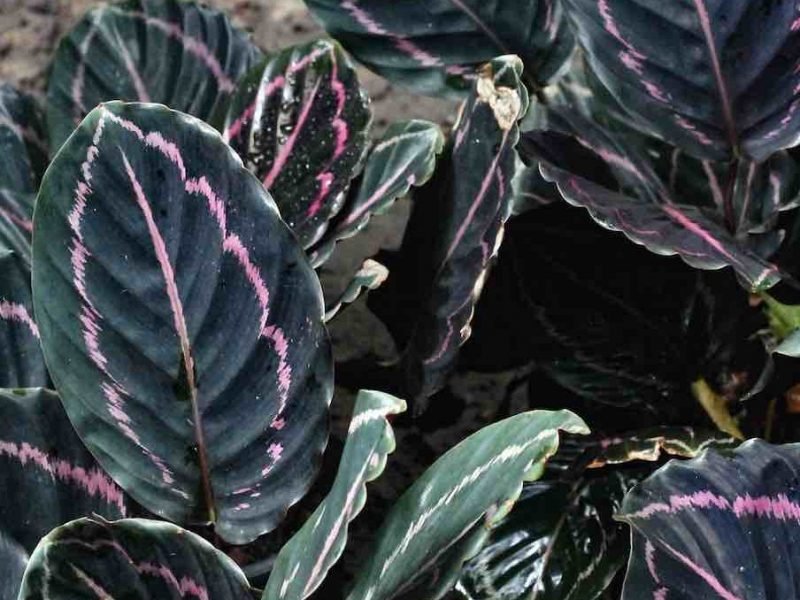
With large glossy dark green (almost black) leaves, the Calathea Dottie is a plant for those who want to make a statement. Each leaf has a bright pink outline which you won’t see on any other plant! Native to South America, it’s important that Calathea Dottie plants are placed somewhere warm with a good level of humidity and bright but not direct sunlight. Without this environment, your plant will really struggle.

If you aren’t already sold on this plant just by looking at the incredible leaves, then we have a couple more reasons. Firstly, they purify the air in the room which helps us sleep a little better. They are also non-toxic so we don’t need to worry about putting them out of reach of pets or children which is great!

Calathea Dottie plants aren’t as common globally so you might need to take a look in more specialised plant shops and nurseries to find them.

Find out more in our Calathea Dottie care guide.

Fiddle and Thorn is a participant in the Amazon Services LLC Associates Program, an affiliate advertising program designed to provide a means for sites to earn advertising fees by advertising and linking to Amazon.com

Take our houseplant survey!

Quickly respond to our 30 second houseplant survey and get 75% off our Complete Houseplant Care eBook!

Take the Survey

No thanks…

The Best Houseplants for South Facing Windows

Last Updated: December 31, 2021

Top Houseplants that love south-facing windows

One of the most important things about plant care is how much light your houseplants receive. Too much or too little can be very damaging to the health of your plants and can cause all sorts of problems from stunted growth, brown leaves or even plant death if the problem persists.

Depending on which direction your window faces, the light levels will be totally different. If you live in the northern hemisphere, south-facing windows will receive the most amount of intense sunlight. We have curated a list of sunshine loving houseplants that will thrive in your south-facing window.

1

Aloe Vera

Aloe Barbadensis Miller

Although Aloe Vera plants are commonly loved for their gel, they are much more than just their health and beauty benefits, as they make for a super minimalist and forgiving houseplant! Like most other succulents, Aloe Vera plants don’t need much tending to as they thrive in dry coarse potting mix. But it is important that they get a good amount of bright light or will become quite straggly which is why they are perfect for south-facing windows.

As they mature a little, you’ll see lots of little Aloe pups popping up which can be very easily removed from the mother plant and propagated! Aloe plants are super affordable and you can pick them up basically anywhere that sells plants, even supermarkets will often sell them in the summer months.

Find out more in our Aloe Vera care guide.

2

African Milk Tree

Euphorbia trigona

Although they may look like a Cactus, the African Milk Tree is actually a succulent, making it drought-tolerant and highly sensitive to overwatering. This plant gets its name from the white sap that is found in the leaves. Be careful though as this sap is highly toxic so make sure you handle this plant with gloves, and keep it away from small children and pets.

These plants thrive in bright direct sunshine and hate cold drafts so whilst they will do really well by a south-facing window, make sure that it’s draftproof! Once the environment is right, they need very little tending to and will reward you with plenty of luscious growth. During the summer months, these plants can grow quite quickly which makes them quite unique for a succulent!

Find out more in our African Milk Tree care guide.

3

Snake Plant

Sansevieria Trifasciata

The bold and striking leaves of the Snake Plant make it stand out wherever you put it! Not only are they slow-growing, but they transcend upwards so are great for small spaces and they won’t block out too much light if you put them by the window. They have some of the sturdiest leaves or any houseplant, and their sharp leaf tips have given the plant the nickname of mother-in-laws-tongue!

When it comes to care, Snake Plant are super easy to look after, they can adapt to a range of light levels (are great low light plants), prefer dry soil and don’t need much attention in the way of misting or repotting etc. So if you want a low maintenance, sturdy houseplant, then the Snake Plant is your perfect match!

Find out more in our Snake Plant care guide.

4

Ponytail Palm

Beaucarnea recurvata

This is a Palm with a personality! The Ponytail Palm is loved for its long curly leaves which instantly bring the tropical beach vibes…

Interestingly, the Ponytail Palm is neither a palm nor a tree, it’s actually a succulent which is why they are super low maintenance. All they need is a spot with ample light and warmth and they’ll be happy. They don’t need much water either as they are able to store it in their trunk. The only drawback of the Ponytail Palm is that it’s quite slow-growing so don’t expect it to be constantly growing new leaves.

Find out more in our Ponytail Palm care guide.

5

Jade Plant

Crassula ovata

Believed to bring luck, Jade Plants are one of the most popular succulent varieties. They are best known for their oval-shaped leaves and strong stems which become quite woody as they mature.

When it comes to caring for your Jade Plants, the top two things to remember is to give it a spot that gets ample sunshine throughout the day (which is why they’re a great plant for south-facing windows) as well as making sure the potting mix has fully dried out before watering again as they are susceptible to root rot if you’re not careful. Jade Plants are quite slow growers though, so even if the environment and care routine are perfect, they may only grow a few inches per year.

Find out more in our Jade Plant care guide.

6

Cactus

Cactaceae

There are probably more Cactus species than we could possibly count in the world, which makes them one of the most unique and popular houseplants to keep. On top of that, they are normally incredibly easy to maintain, make great gifts and can be good starter plant.

Bright lighting conditions, minimal watering and low humidity requirements make them one of the best windowsill plants you can have (especially good for south-facing windows). Plus you only have to repot them every few years due to their slower than average growth. However, as I’m sure you can imagine, they’re not the best houseplants to have around pets or children as some species can have quite nasty spines.

Find out more in our Cactus care guide.

7

String of Pearls

Senecio rowleyanus

It’s not difficult to fall instantly in love with the String of Pearls plant as their incredible small spherical leaves cascade dramatically out of every pot and hanging basket. The String of Pearls is a succulent plant meaning they love a lot of sunshine but don’t need much too water as they are quite sensitive to root rot.

It’s important that you continuously propagate your String of Pearls plant as the vines don’t survive that long. Without any propagation, your plant might only last about 5-6 years but luckily you can just take stem cuttings to regenerate growth.

The thing we love most about the String of Pearls is how quickly it grows during spring and summer. It really makes up for the lack of growth during the darker colder months that’s for sure!

Find out more in our String of Pearls care guide.

Fiddle and Thorn is a participant in the Amazon Services LLC Associates Program, an affiliate advertising program designed to provide a means for sites to earn advertising fees by advertising and linking to Amazon.com

Take our houseplant survey!

Quickly respond to our 30 second houseplant survey and get 75% off our Complete Houseplant Care eBook!

Take the Survey

No thanks…

The Best Houseplants for North Facing Windows

Last Updated: December 31, 2021

Plants that love North Facing windows

You might think that every one of the windows in your home offers your houseplants the same amount of light. However, it really depends where the window is facing and there are really significant differences that mean some plants are better for certain windows than others.

We have curated this list of the top houseplants for north-facing windows which don’t get as much light as they are faced away from the sunlight (this is the opposite if you live in the southern hemisphere btw). So you’re looking for plants that are slightly more tolerant of lower light levels but still don’t mind being super close to the window. With north-facing windows, you can get away with putting plants there right through the summer as there is less risk of leaf burn as the sun rays just aren’t as strong.

1

Devil’s Ivy

Epipremnum aureum

These are pretty unique houseplants because they actually prefer lower-light conditions over anything else! That’s where the name comes from, as they are well acquainted with the darkness. If you have a variegated variety, it will actually start to lose its pattern if placed in too much sunlight. So you don’t need to feel guilty about putting a Devil’s Ivy in a shady spot or near a north facing window because it will actually love you for it.

They are also pretty hardy plants in terms of their other care requirements. They don’t need complicated watering schedules or specific pruning so are perfect for any new plant parents. You can’t really go wrong with these at all!

When it comes to styling the Devil’s Ivy plant, shelving is where they thrive as it gives it room to cascade dramatically out of the pot. They can be trained to grow upwards by a wall or moss pole so the option is yours but if you’re placing near the window it might be better to go for hanging so it doesn’t block out too much light.

Find out more in our Devil’s Ivy care guide.

2

ZZ Plant

Zamioculcas zamiifolia

Also known as the Zanzibar Gem, the ZZ Plant is a great low-maintenance minimalist houseplant. Loved for their dark green glossy oval leaves, we recommend this one for those without a fantastic track record of keeping plants alive, but also for anyone looking for something smart and stylish to spruce up their home. They are very adaptable and will deal well with some bright but indirect light, as well as shady dark corners of your home so you can put this as close or far away from the window as you like.

The ZZ Plant is quite slow-growing so you won’t see new stems popping out all of the time. It’s important to note that they grow bulb-like roots called rhizomes so will need quite a large pot to really thrive and grow. This also means they are drought tolerant as they store water in their rhizomes.

Find out more in our ZZ Plant care guide.

3

Aluminium Plant

Pilea cadierei

This low maintenance, fast-growing houseplant can sometimes be quite underrated in the houseplant world. Each leaf on an Aluminium Plant has its own unique set of silver streaks and splashes, so it’s easy to see how it got its name!

Native to China and Vietnam, this houseplant tends to spread out rather than grow tall. The one thing to be wary of is its root system as it can grow so extensively that it can often break through the pot so you want to make sure you’re repotting this plant yearly!

When it comes to care, indirect sunlight and moderate amounts of water will keep them happy so you’ll want to put this one quite close to the window. They are quite forgiving and easy to please so keeping this one thriving doesn’t need a lot of work so we often recommend this as a great entry-level plant.

Find out more in our Aluminium Plant care guide.

4

Nerve Plant

Fittonia albivenis

With delicate leaves, Nerve Plants are low-growing spreader plants that aren’t always the easiest to care for so avoid this one if you’re a beginner plant parent. The most popular and common variety is silver and green-veined, though you’ll also often spot varieties with white, pink or red veins and leaves too!

They have quite specific care requirements and are quite fussy about balancing the level of light, water, humidity and temperature. If there is one tip we can give you it would be to mist your plant at every opportunity you have to prevent them from drying out. But if you can get the care routine nailed down, then they are totally worth the extra hassle! They will deal well with being pretty close to a north facing window as they don’t like extremes and too much or too little light can cause some serious issues.

Find out more in our Nerve Plant care guide.

5

Rubber Plant

Ficus elastica

The name Rubber Plant comes from the latex in the leaves, which was once used to actually make rubber! They are a great plant to bring a little bit of that rainforest feel right into your home. And whilst they can reach about 30 metres in their native environment, when potted in your home they’ll be much smaller don’t worry!

Caring for your Rubber Plant doesn’t have to be difficult. Good light levels and not too much water are the basics to remember so they’ll love being pretty close to your north facing window. As they are native to Southern Asia, they love humidity and will really struggle with dry air so regularly misting will keep your plant happy and healthy.

Find out more in our Rubber Plant care guide.

6

Yucca

Yucca elephantipes

A staple of many homes, the Yucca is one of the most popular houseplants and you’ll often see them around offices, shops and restaurants too! They’re super easy to care for so are perfect for all plant parents. They were very popular in the ’70s so are a great way to get a little bit of vintage style in your home.

As they mature, Yucca plants can grow about 2 metres in height so make it the perfect feature plant for your space. They are very slow-growing though so if you don’t have as much space, a smaller plant won’t outgrow the room very quickly.

They are very low maintenance and can adapt to most light levels, temperature and humidity levels but unfortunately, they are toxic to keep that in mind if you have pets or small children.

Find out more in our Yucca care guide.

7

Money Tree

pachira aquatica

The Money Tree is a great tropical looking houseplant, that is actually super easy to care for and can live for 10–15 years if properly maintained. They originate from Mexico but are very common throughout the world due to their ease of care, in their natural habitats they can grow all the way to 18 meters tall!

Money Trees are great for north-facing windows as they’ll adapt well to the fluctuations in light across the year. Money Tree can also adapt to fluorescent lighting, making them great for offices or other commercial spaces. With them also being pet safe and simple to keep happy, we think they are a greater starter plant for budding plant parents.

Find out more in our Money Tree care guide.

8

Dragon Tree

Dracaena draco

The Dragon Tree was actually our first ever houseplant and ignited our initial love for caring for indoor plants many years ago. Native to Madagascar, it’s a timeless plant that brings elegance and style to every room. They are also super easy to care for and are great at purifying the air which makes them the perfect entry-level houseplant.

You’ll have a hard time trying to kill a Dragon Tree as they are pretty drought-tolerant and forgiving when it comes to light, temperature levels and humidity so it’ll adapt well to a room with a north-facing window.

Although they can reach up to 6 metres in their natural outdoor habitat, they’ll only ever get to about 1.5/2 metres when grown indoors (and even this will take years and years) so you don’t need to worry about it getting too big to handle.

Find out more in our Dragon Tree care guide.

9

Asparagus Fern

Asparagus Setaceus

The Asparagus Fern is such an elegant little houseplant – and although they look like they’ll be hard work to keep happy, they’re actually pretty simple to care for. Given the right conditions, they can grow extremely quickly and you’ll find new stems popping up every week.

They aren’t too fussy on light conditions (which is why they’re on our north-facing window list!) or watering schedules, but humidity is a must for them. Make sure to give them a spray with a mist bottle every 3-5 days or place near a humidifier to keep them happy in the long term. The leaves and stems will yellow if they aren’t happy, if that happens to you then just give your Asparagus Fern another spray down and a little extra water.

Find out more in our Asparagus Fern care guide.

10

Marble Queen Pothos

Epipremnum Pinnatum

There are so many different varieties of Pothos plants, all with slightly different leaf variegation but the Marble Queen is definitely one of our favourites. Getting its name from the cream marble-like variegation on its leaves, it’s an easy-going, hardy and low light loving plant that can adapt to most spots in your home, even a north-facing window!!

The Marble Queen Pothos is a pretty fast-growing plant so make sure you have enough space for it to mature. You can choose to grow them as trailing plants with long cascading vines or vertically by attaching them to a moss pole. Pothos plants are unfortunately toxic so you’ll want to keep them away from pets and small children who might try and nibble on the low hanging leaves.

Find out more in our Marble Queen Pothos care guide.

Fiddle and Thorn is a participant in the Amazon Services LLC Associates Program, an affiliate advertising program designed to provide a means for sites to earn advertising fees by advertising and linking to Amazon.com

Take our houseplant survey!

Quickly respond to our 30 second houseplant survey and get 75% off our Complete Houseplant Care eBook!

Take the Survey

No thanks…

The Best Houseplants for East Facing Windows

Last Updated: December 31, 2021

Houseplants that love east-facing windows

East-facing windows are some of the best for houseplants as they get plenty of sunlight, but it won’t be as intense as south-facing windows. This means the risk of leaf burn is significantly reduced and you can actually grow a lot more plants closer to the window. If you live in the northern hemisphere, your east-facing windows will let in a lovely amount of morning sunshine whilst the sun isn’t yet at its strongest as well as plenty of indirect light throughout the afternoon and evening.

You will find that a lot of tropical plants that grow well in the forest canopy love the amount of light given by east-facing windows so you have plenty of choice when it comes to incredible foilage.

1

Swiss Cheese Plant

Monstera deliciosa

Native to the rainforests of Central America, the Monstera Deliciosa has very quickly become the most fashionable and photographed houseplant ever. And it’s not difficult to understand why… If their large dark green glossy heart-shaped leaves weren’t enough, their unique splits surely will be!

You might be surprised to learn that the Monstera isn’t actually a fussy plant and is pretty easy to take care of. Bright but indirect light, moderate amounts of water and regularly misting are really the main things to remember. They’ll love the sunshine that pours through the east-facing window in the morning!

You’ll find that a lot of more mature Monstera plants are sold with a moss pole as they are climbing plants. In the rainforest, the ariel roots that pop out from the stems will attach themselves to other plants as the plant matures. So a moss pole is a good substitution to help your plant grow and mature.

Find out more in our Swiss Cheese Plant care guide.

2

Fiddle Leaf Fig

Ficus lyrata

Native to the rainforests of central Africa, Fiddle Leaf Fig Trees are really stealing all of the attention right now. Their giant dark green glossy veined leaves give you that instant tropical feeling, right in your own home. They actually get their name from their violin-shaped leaves, similar to a Fiddle. Fiddle Leaf Fig Trees like a nice warm, humid environment with plenty of sunshine and a good amount of water to support a strong root system. We recommend placing your Fiddle Leaf Fig pretty close to your east-facing window to maximise that morning sunshine.

If you’re looking for your plant to become the focal point of the room, then the Fiddle is the plant for you as they can grow up to 3 metres tall in the right environment. It’s important to note though that Fiddle Leaf Figs are toxic to pets and humans so not the best chance if there is a risk of leaves being ingested…

You should be able to find a Fiddle Leaf at most independent plant shops globally, but they can have quite a big price tag if you’re looking for a more mature one.

Find out more in our Fiddle Leaf Fig care guide.

3

Alocasia Dragon Scale

Alocasia baginda

Although once a very rare houseplant, you’ll now find these popping up a little more and we are obsessed with their giant textured and deep veined leaves. The patterned leaves look like dragon scales which explains the name! The leaves are tough and have a hard top which is quite unique for indoor plants.

Native to the tropical forests of Borneo, this houseplant looks daunting to care for but it’s actually pretty simple. Avoid putting them on super bright windowsills as this can damage the leaves (which is why they are perfect of east-facing windows) and a boost to the humidity will go a long way. Out of all the Alocasia varieties, this is definitely one of the least fussy plants so even less experienced plant parents can enjoy these fairytale leaves.

Find out more in our Alocasia Dragon Scale care guide.

4

Schefflera

Schefflera arboricola

Also known as the Umbrella Plant because of their dome-shaped leaves, the Schefflera is not only easy to care for but it’s pretty unique too! A mature Schefflera can sometimes have up to 16 little leaves off one stalk, whilst smaller plants may only have 4 or 5.

When it comes to caring for your Schefflera, they are quite hardy and adapt well to different environments. You don’t need to worry about humidity levels etc so it’s pretty simple. One thing to note is that it’s a good idea to rotate your plant every few weeks. Schefflera plants have a tendency to lean towards the light so can become quite unbalance if not turned regularly.

Unfortunately, Scheffleras are toxic to pets and humans so you need to keep this one away from small children or any furry friends that might be tempted to take a bite.

Find out more in our Schefflera care guide.

5

Calathea Jungle Velvet

Calathea warscewiczii

Part of the Prayer Plant family, the Jungle Velvet Calathea will really bring something special to your home! They have long elegant two-tone dark green leaves with gorgeous purple undersides. The Jungle Velvet Calathea gets its name from the soft and velvety texture of their leaves which is something very unique to this variety.

Native to Costa Rica, it can be a little tricky to replicate the native environment in your home but warm temperatures and a boost to the humidity will go a long way! And if you needed more reasons to love this plant, they are air-purifying and pet-friendly too so are great to have around the home.

Find out more in our Calathea Jungle Velvet care guide.

6

Prayer Plant

Maranta leuconeura

Native to the tropical rainforests of Brazil, the Prayer Plant is loved for its variegated leaves with intricate vein patterns. You can easily spot a Prayer Plant by its leaf undersides as shades of deep red are revealed when the plant’s leaves curl up at night, bringing a splash of colour to your home.

There are several varieties of Prayer Plants that all look ever so slightly different. The most common is the tri-colour which has red-veined leaves but you’ll sometimes see varieties with silver patches or dark green splashes. Prayer Plants are a little fussy though with light conditions, soil moisture and humidity levels though so we don’t recommend this as a starter plant, unfortunately.

Find out more in our Prayer Plant care guide.

7

Watermelon Peperomia

Peperomia argyreia

There aren’t really many leaves that are more beautiful and striking than those of the Watermelon Peperomia. It’s not difficult to know where they got their name from, as their silvery stripes steal the hearts of plant parents everywhere.

They are quite a delicate plant though, as their large heavy leaves are held up by relatively weak stems so be prepared to lose a few leaves here and there. Another thing to be prepared for when owning this plant is all of your friends wanting a cutting, but luckily this plant is super easy to propagate so no problems there!

Native to South Africa, the Watermelon Peperomia prefers mid-light levels, as they are used to the dappled conditions of the jungle floor which makes them perfect for east-facing windows. Oh, and as they are a semi-succulent, it’s important you don’t water this one too much or the stems can give up and the whole plant will droop and wilt.

Find out more in our Watermelon Peperomia care guide.

8

Calathea Medallion

Calathea veitchiana

The Calathea Medallion is one of our favourite Calathea varieties due to their large patterned striking leaves with deep purple undersides. Native to the tropics of South America, the Calathea Medallion loves warm temperatures and a high humidity level so misting the leaves is crucial.

The indirect light that comes through east-facing windows is perfect for this Calathea as harsh intense sunlight will fade and scorch the leaves, causing them to lose their incredible markings.

As with all Calatheas, the Medallion variety is also air-purifying and non-toxic to both humans and pets!

Find out more in our Calathea Medallion care guide.

9

Dumb Cane

Dieffenbachia

With incredible large speckles leaves, the Dumb Cane really does know how to impress! It has got a little bit of a bad reputation, however, as it’s very toxic to both humans and pets and can cause temporary loss of speech if consumed in large quantities (hence the name). However, this is quite rare and whilst important to keep in mind, shouldn’t put you off this plant entirely.

Dumb Cane plants are pretty forgiving and bounce back pretty quickly, so you don’t need to worry about occasionally over or underwatering. Just provide them with plenty of indirect sunshine and the occasional misting and they’ll reward you with some of the most beautiful foliage.

Find out more in our Dumb Cane care guide.

10

Jewel Orchid

Ludisia discolor

Jewel Orchids are fast becoming one of the most popular houseplants due to their lightning bolt veined leaves! They aren’t always the easiest plant to take care of, but with leaves like that, it’s worth all the hassle.

Native to the rainforests of Southeast Asia, high temperatures and a good humidity level will help your Jewel Orchid thrive! You’ll want to place them somewhere with medium light levels as too much light will scorch the leaves, and shady corners will lead to a lack of growth! This makes them the IDEAL east-facing window plant!

Jewel Orchids do grow slowly though so appreciate the plant that you have and appreciate the fact it won’t outgrow the pot or your home anytime soon.

Find out more in our Jewel Orchid care guide.

11

Philodendron Birkin

Philodendron Birkin

This used to be an extremely rare and unknown plant but over the past few years, it’s definitely gained a place in the houseplant walk of fame! Unlike a lot of its Philodendron relatives, the Birkin is a non-vining plant that stays pretty compact, making it great for windowsills and smaller spaces.

Loved for their green and cream striped leaves, the Philodendron Birkin needs a humid environment to really thrive. This is because they are native to the rainforests of Brazil so be prepared for regularly misting (or just buy a humidifier), as otherwise, you’ll see brown leaves appear pretty quickly. With the right care and environment, the Birkin can be a pretty quick grower so it’s definitely worth a little bit of extra hassle.

Find out more in our Philodendron Birkin care guide.

12

Polka Dot Begonia

Begonia maculata

With their unique angel-shaped dotted leaves, the Polka Dot Begonia is a fairly easy plant to care for once you know what to do with them. Bright, indirect light and consistent watering (making sure not to let it dry out) will keep your Polka Dot Begonia happy. When all of their needs are met, they can grow quite quickly and will likely need repotting every year.

It’s worth noting that they do like slightly higher humidity levels, but this shouldn’t be maintained by misting as water collecting on the leaves can cause damage. Instead, we’d recommend placing them somewhere naturally humid or using a humidifier/pebble tray to supplement.

Find out more in our Polka Dot Begonia care guide.

Fiddle and Thorn is a participant in the Amazon Services LLC Associates Program, an affiliate advertising program designed to provide a means for sites to earn advertising fees by advertising and linking to Amazon.com

Take our houseplant survey!

Quickly respond to our 30 second houseplant survey and get 75% off our Complete Houseplant Care eBook!

Take the Survey

No thanks…

The Best Houseplant Shops in Brighton and Hove

Last Updated: December 31, 2021

Having lived in Brighton and Hove for several years, we have come to love the abundance of incredible houseplant shops that are sprinkled around the city. Each with their own unique style and services, we have made the list of the best plant shops around Brighton so next time you’re in town you’ll know where to go!

Not only can we vouch for the quality of plants at each store, but we have always loved the teams working at each of them as they are more than willing to help you pick the best plant for your home and give you care tips to help it thrive.

1

Gunns Florist

Sydney St, Brighton BN1

View on Google Maps

Located right in the heart of Brighton’s North Laine, Gunns is probably the best-known plant shop in Brighton, but that doesn’t make it any less special. The thing we love most about Gunns is every time you walk past, they have a new selection of incredible houseplants. We couldn’t imagine Brighton and Hove without them!

2

Between Two Thorns

Upper N St, Brighton BN1

View on Google Maps

Between Two Thorns began as a market stall in Brighton selling flowers, but it then grew into an incredible store that we can’t help going in every time we walk past. Whether you’re looking for a specific rare plant or just something nice to fit in your home, Between Two Thorns has it all! Oh and the staff are incredible and lovely too so will help you pick out something suitable and show you how to best care for it too.

Tucked away a little behind the main streets of Brighton, this one is a secret gem that you can thank us later for!

3

Hi Cacti

Dyke Road, Brighton BN1

View on Google Maps

This small boutique based in the heart of Seven Dials in Brighton specialises in easy to care for houseplants as well as south by southwestern home decor and botanical gifts. They really do have it all! So if you’re looking for the perfect plant or pot for your home or a gift for plant-loving friends, Hi Cacti is the place for you. Oh, and it’s a female-owned store that makes all of their concrete pottery themselves in a workshop in the North Lanes.

4

Understory

Church Place, Brighton BN2

View on Google Maps

A recent addition to Kemptown is Understory and their ever-changing selection of indoor plants ranges from large statement plants, to trailing vines and easy to care for mini succulents/ cacti that are perfect for any tiny Brighton home. They also run workshops, sell homeware products and gifts made from Brighton-based creatives and will help give you advice on how to care for your beloved plants too!

Fiddle and Thorn is a participant in the Amazon Services LLC Associates Program, an affiliate advertising program designed to provide a means for sites to earn advertising fees by advertising and linking to Amazon.com

Take our houseplant survey!

Quickly respond to our 30 second houseplant survey and get 75% off our Complete Houseplant Care eBook!

Take the Survey

No thanks…