Types of Peperomia Plants: 29 Common and Rare Varieties (With Pictures)

Last Updated: May 16, 2023

With over 1,500 known varieties, Peperomias are some of the most popular houseplants around. Known and loved for their unique foliage, each and every type of Peperomia is quite different, from thick to delicate leaves, trailing to climbing and that’s not even mentioning the range of colours and leaf textures. Because of this, there is a Peperomia variety for everyone!

The other great thing about Peperomia plants is that they are relatively compact, which means they are great for every home. In this article, we’ll explore 29 of our favourite Peperomia varieties, from common to rare types and everything in between. This will also be complete with pictures, context to each type and specific care requirements so that you can find the right plant for you.

Whether you’re a seasoned plant enthusiast or just starting out, there’s sure to be a Peperomia variety on this list that catches your eye!

Common Peperomia Varieties

These types of Peperomia plants have risen sharply in popularity over the past few years but luckily there is availability to match the demand. This means it isn’t that difficult or costly to get your hands on them and you’ll commonly find these across plant shops, nurseries and even supermarkets across the world.

houseofplants.co.uk

Peperomia Obtusifolia

Peperomia Obtusifolia (Common name: Baby Rubber Plant)

Peperomia Obtusifolia is an incredible bushy variety, with dark green oval-shaped leaves. The leaves grow in a rosette pattern and can look a little like a Rubber Plant (hence the common name). The Peperomia Obtusifolia is a slow-growing houseplant that will only reach heights of around 12 inches, making them a great window sill plant or a choice for smaller rooms.

Occasionally, Peperomia Obtusifolias can produce small long white flowers but these aren’t really anything special.

The benefits of a Peperomia Obtusifolia are that they are pretty adaptable to a range of environments, making them relatively easy to care for. Because all Peperomia types are pet friendly, you also don’t need to worry about having this one around your furry friends.

Peperomia Caperata

Peperomia Caperata (Common name: Emerald Ripple)

This Peperomia variety has captured the hearts of so many plant parents over the past few years and has luckily become quite widely available. The intense leaves have a quilted, deeply-creased texture that creates a rippled effect which you’ll also see on some similar types of Peperomia below.

Emerald Ripple Peperomias have a bushy growing habit but won’t ever grow that large (maximum 10 inches in height) so it is a great choice if you don’t have much space but still want something striking.

Peperomia Caperata might look intense, but they are relatively relaxed about their care requirements, making them a great addition to any home.

Check out our Peperomia Caperata care guide to learn more!

Watermelon Peperomia

Peperomia Argyreia (Common name: Watermelon Peperomia)

The Watermelon Peperomia has shot up in popularity over the last 2 to 3 years and what was once quite a tricky plant to find, is now easily available globally. They get their common name from their leaves’ distinctive resemblance to a watermelon.

In our experience, Peperomia Argyreia can sometimes be a little fussy about its environment and you may encounter some curling leaves or a loss of leaves if things aren’t right. However, in return for ideal conditions, the Watermelon Peperomia will reward you with relatively fast growth.

The other thing that we love about the Peperomia Argyreia is how easily you can propagate it. Whether through division, stem cuttings or even just using a single leaf, they are some of the easiest plants we have ever propagated.

Check out our Watermelon Peperomia care guide to learn more about this variety.

www.houseofkojo.com

String of Turtles plant on a stool

Peperomia Prostrata (Common name: String of Turtles)

Peperomia Prostrata, commonly known as String of Turtles, is quite different from a lot of Peperomia varieties as it is a trailing plant with very small, delicate leaves. It gets its name from its round succulent leaves with white or silver markings that resemble turtle backs.

The Peperomia Prostrata is one of our top choices for hanging baskets or to trail down shelving units as they have a delicate but minimalist aesthetic.

Native to South America, the String of Turtles prefers warm, slightly humid conditions so you’ll need to keep a close eye on the conditions to ensure the delicate leaves and vines don’t dry out.

Peperomia Hope plant in a small terracotta pot

Peperomia Tetraphylla (Common name: Peperomia Hope)

Peperomia Hope plants have thick coin-shaped leaves with faint lines and waves throughout. The interesting thing about how a Peperomia Tetraphylla is that they develop clusters of leaves, with three or four growing in one spot, rather than evenly distributed along the vine.

Peperomia Tetraphylla is a small plant, typically reaching only 6 to 8 inches in height and spread, making it a great choice for small spaces or as part of a larger plant arrangement.

When it comes to their care requirements, Peperomia Tetraphylla needs bright but indirect sunlight and always needs their potting mix to dry out between waterings. Peperomia Hope plants can occasionally develop white flowers but they are quite insignificant so don’t get your hopes up!

Learn more about caring for this plant and keeping it happy and healthy in our Peperomia Hope care guide.

@kukkaputiikki on Instagram

Trailing Jade Plant

Peperomia Rotundifolia (Common name: Trailing Jade)

Peperomia Rotundifolia is a beautiful trailing Peperomia variety with delicate, round leaves that grow along long, thin stems. The leaves are a lot smaller than a lot of other Peperomia types and it won’t actually often grow beyond about 15 inches in length so a nice option for a more compact trailing plant. They are also quite slow growers so don’t expect there to be new leaves popping out every week.

Native to Central and South America, the Trailing Jade Peperomia prefers a nice warm and humid environment but is otherwise fairly easy to care for. They can tolerate some medium and low-level light but will grow slower under those conditions which is the trade-off. They are a great option for offices too as they can adapt quite well to fluorescent lighting.

plantophiles.com

Red Ripple Peperomia

Peperomia Rubella (Common name: Red Ripple Peperomia)

With arguably some of the most beautiful leaves, the Peperomia Rubella is a variety named for its distinctive red-tinged leaves. Although the top of the foliage is dark green, the undersides are a striking red and paired with a velvety texture, this is a plant to impress!

The Peperomia Rubella is also quite a small plant and will tend to grow to about 8 inches in height and spread. They can be beautiful cascading plants as after growing a few inches, the stems will become heavy and hang down, exposing a lot more of the red sides of the leaves.

One bonus about the Peperomia Rubella is that it actually quite likes being a little bit root bound so you don’t need to worry about repotting too often which is great!

Raindrop Peperomia Plant

Peperomia Polybotrya (Common name: Raindrop Peperomia)

The Raindrop Peperomia is really having its moment at the minute as they are taking over plant shops around the world (and we are loving it!). With its incredible large glossy leaves, it gets its common name from the raindrop shape of the leaves.

Often mistaken for a Pilea plant, the Peperomia Polybotrya is a little bit easier to care for than Pileas so can be a nice option if you’re looking for something less fussy.

Peperomia Polybotrya are slow growers but their incredible raindrop-shaped leaves make it all worth it when a new one pops out. When it comes to their maximum size, you’ll often see about 12-15 inches in height.

Find out more about caring for this plant in our Raindrop Plant care guide.


Less Common Peperomia Varieties

These are slightly less common types of Peperomia plants, which means you might not always be able to get your hands on them locally to you. However, they are available to buy online and won’t be too expensive either which is a bonus!

@dinidjoemiko on Instagram

Red Edge Peperomia

Peperomia Clusiifolia (Common name: Red Edge Peperomia)

Their common name gives away pretty much what the Peperomia Clusiifolia is as their leaves have a very vibrant red edge which is very unique. They look quite like the Baby Rubber Plant variation but the splash of colour sets it strongly apart.

The rest of the foliage is a deep, glossy green and has a succulent and waxy texture and appearance.

As with a lot of Peperomia varieties, the Red Edge Peperomia is a slow grower and will also stay quite small with a maximum height and spread of around 15 inches making them a great windowsill plant. So if you’re looking for a low-maintenance plant that will thrive in a variety of indoor environments, this one is a great choice!

String of Coins plant on a stool

Peperomia Pepperspot (Common name: String of Coins)

This variety is often mistaken for the Ruby Cascade Peperomia as they do look quite similar. However, the Peperomia Pepperspot is technically a different variety. With very delicate leaves and stems, the Peperomia Pepperspot’s vines become very intertwined with each other, giving quite a messy look.

Peperomia Pepperspots are in classic Peperomia style, very slow growers and never really become very long. You might (with the right care and environment) see vines up to about 15 inches long but most will be shorter.

In its native environment of the Amazon, the Peperomia Pepperspot grows under the canopy which means that in your home, it’s very important it doesn’t receive any intense direct light. This can very quickly burn and dry out the leaves and vines.

Check out our Peperomia Pepperspot care guide to learn more!

@suculentaspro on Instagram

Prayer Pepper plant

Peperomia Dolabriformis (Common name: Prayer Pepper)

The Prayer Pepper Peperomia stands out from a lot of the precious varieties purely because of its leaf shape. They have very small elongated leaves that resemble hands in prayer (hence the name). The foliage is a deep, glossy green and has a slightly succulent texture.

The most loved things about the Peperomia Dolabriformis are the compact size and ease of care. The two factors mean this plant is a great choice for any home, in any room and pretty much any spot which is rare. So if you’re looking for something to bring a bit of interesting greenery into your home, but that doesn’t take up too much of your space, then go for a Peperomia Dolabriformis!

wearebonefide.co.uk

Happy Bean Plant

Peperomia Ferreyrae (Common name: Happy Bean)

Similarly to the Prayer Pepper variety, the Peperomia Ferreyrae also has long elongated leaves which makes them stand out in the Peperomia family which is filled with round-leaf plants.

You can probably tell from the appearance of the leaves, but the Peperomia Ferreyrae is a semi-succulent which means it has quite low watering requirements compared with other varieties in the Peperomia family. This also impacts the soil required as you’ll want to choose a cacti/succulent mix for this to ensure it has good drainage qualities.

The Happy Bean is a slow-growing plant that also won’t grow too big or bushy. You’ll often see stems reach about 12-15 inches in length.

@jillyjelly1 on Instagram

Parallel Peperomia plant on a plant stand

Peperomia Puteolata / Tetragona (Common name: Parallel Peperomia)

The striking leaves on a Parallel Peperomia have a large resemblance with the Watermelon Peperomia but instead of being round, are more elongated in shape. Native to South America, the slight trailing habit of the Parallel Peperomia meant that in its native environment, it can spread quite quickly.

Although the individual leaves aren’t that large (only around an inch or two), the individual stems can grow very long for a Peperomia, reaching upwards of 18 inches.

In terms of flowering, the Parallel Peperomia can sometimes produce small white flowers on long spikes, but similar to a lot of other Peperomia varieties these are insignificant and not that pretty.

feelslike-home.co.uk

Peperomia Graveolens in a terracotta pot

Peperomia Graveolens (Common name: Ruby Glow)

The Peperomia Graveolens is also a semi-succulent and has thick plump leaves. But the thing that is most attractive about this variety is the reddish-pink undersides of the leaves. So if you’re looking to add a splash of colour to the room, but don’t want anything super difficult to care for, these are a great choice.

The Ruby Glow Peperomia is a very small plant, reaching heights of only about 4 inches. But what they lack in size, they definitely make up for in incredible leaves.

@sj_plantsplants on Instagram

Teardrop Peperomia plant

Peperomia Orba (Common name: Teardrop Peperomia)

What attracts people to the Peperomia Orba is its bright lime green leaves which aren’t so common across the rest of the Peperomia varieties. You’ll often also see a touch of variegation across the foliage when grown in the right conditions.

Another thing that plant parents love about the Peperomia Orba is its ability to tolerate lower light levels. Although you may see slower growth, it can be tricky to find plants that can adapt to a lower level of sunlight so these are a great addition to every home.

You may be a little disappointed about the flowers that grow on Peperomia Orbas though as they are very small and easily overlooked. Because of this, it’s the incredibly bright leaves that are the attractive element of this variety.

positivebloom.com

Beetle Peperomia plant

Peperomia Angulata (Common Name: Beetle Peperomia)

Native to South America, the Peperomia Angulata (also known as the Beetle Peperomia due to its beetle striped leaves) is an incredible trailing plant that can grow up to about 15 inches in length. Although they are relatively slow growing when indoors, in their native environment they are known to be quick spreaders!

As with so many peperomia varieties, the Beetle Peperomia will sometimes grow small long white flowers but these are very insignificant so not something you should be hoping for really!

You’ll be pleased to know that they are relatively easy to care for and similar to succulents, they are able to store quite a bit of water so don’t need regular watering.

Red Ripple Peperomia

Peperomia Carperata Rosso (Red Ripple Peperomia)

The Peperomia Carperata Rosso is actually one of our favourite types of Peperomia because the vibrancy of the leaf undersides isn’t something you get regularly in houseplants! But it’s not just the undersides of the leaves that are the attractive part of the Red Ripple Peperomia as the deep-ridge texture on the top creates a strong ripple effect which we absolutely love.

Another great thing about the Peperomia Carperata Rosso is that they are so easy to propagate as you can even do it from a single leaf. This means you can easily increase the size and bushiness of your mother plant, or create infinite gifts for friends and family.

@thepurplepothos on Instagram

Peperomia ‘Ruby Cascade’

Peperomia ‘Ruby Cascade’

Another one of our favourite Peperomia plant types that we are only slowly starting to become a little bit more widespread, is the Peperomia ‘Ruby Cascade’. Loved for their small, delicate leaves, the main attraction point of the Ruby Cascade is the red/pink undersides of the leaves.

We also love the fact that they are so easily propagated. Just trim off the ends of the vine, and pop them in some water and they will quickly grow new roots, ready to either be potted back into the mother plant or to form a new plant entirely.

Although it is a slow-growing plant, with the right care and environment you will see each of the vines descend several feet when grown as a hanging plant!


Rare Peperomia Varieties

These types of Peperomia are a lot less common and trickier to get your hands on. They can sometimes be a little pricier than the less rare varieties. However, Peperomia as a plant family is quite affordable in general so you won’t see any price tags of hundreds or thousands of dollars like you would with some other rare houseplants.

@tsvetnyesni on Instagram

Peperomia Glabella plant

Peperomia Glabella (Common name: Smooth Peperomia)

The Peperomia Glabella is a slightly less popular variety of Peperomia and in our opinion, it doesn’t get enough credit. The way in which their stems cascade out of the pot makes for an incredible hanging plant and looks great trailing down shelves or in a hanging basket.

Native to South and Central America, the Peperomia Glabella is a super easy houseplant to care for as the only thing that needs a little extra attention is humidity. As long as you’re misting your plant every few days and giving it a nice comfortable environment, this will help avoid a lot of common problems.

www.duchyofcornwallnursery.co.uk

Peperomia Columella plant in a hanging basket

Peperomia Columella

The Peperomia Columella is as unique as they come when it comes to Peperomia varieties. Native to Peru, the Peperomia Columella has very small succulent leaves along central ascending stems. For the first few inches, these stems will grow vertically. However, as they become longer and heavier they can start to curve downwards.

During summer, you’ll often see long white flowers appear across your Peperomia Columella but these aren’t really anything special, unfortunately.

When it comes to care, like most succulent types, the Peperomia Columella is easy to care for as long as it’s getting ample light and is not overwatered.

@growwith_jess on Instagram

Piccolo Banda Peperomia plant

Peperomia Albovittata (Common name: Piccolo Banda Peperomia)

The Peperomia Albovittata is often mistaken for a Watermelon Peperomia and while they do look similar, the Albovittata has a more rippled and veiny texture, whereas Watermelon Peperomias have very smooth leaves. The other difference is that the Peperomia Albovittata has striking dark red veins running through the leaves but both also bring vibrancy through their red stems.

When it comes to caring for your Peperomia Albovittata, you want somewhere with ample bright but indirect light to avoid burning these incredible leaves. And avoiding cold drafts from outside or air conditioning units is crucial with these plants.

As with most Peperomia varieties, the Piccolo Banda can be easily propagated through both stem and leaf cuttings.

@paz_plantlife on Instagram

Peperomia Verschaffeltii plant

Peperomia Verschaffeltii (Common name: Mini Watermelon)

This is another variety that often gets mistaken as a Watermelon Peperomia as they are very similar in appearance. The main difference between the two is that the Peperomia Verschaffeltii has more teardrop shaped, elongated leaves rather than completely round ones. However, the markings and colours are the same with both having silver and green stripes across the leaves.

The Peperomia Verschaffeltii also produces some flowers during summer but these are quite bland and most of the time we just trim them off when they appear. Their flowers have the nickname rat tail as they are thin, long and not very pretty.

Ivy Peperomia plant

Peperomia Griseoargentea (Common name: Ivy Peperomia)

Native to the jungles of South America, the Peperomia Griseoargentea is another variety with deep ridges and ripples. Their leaves are mostly quite dark green with a hint of silver and like many other types of Peperomia, they have the famous red stems.

The Peperomia Griseoargentea is another great choice if you’re looking for a compact plant that’s anything but boring. They might only grow to about 15 inches in height, but they definitely will draw attention with their incredible foliage. It’s important to remember that these plants are naturally very slow growers, so don’t make the mistake of over-fertilizing to try to promote growth as this can cause more damage than good.

www.thejunglecollective.com.au

Peperomia Rugosa ‘Aussie Gold’ plant

Peperomia Rugosa ‘Aussie Gold’

This variety has no trouble standing out from the rest with its gold and red leaves! Although they might look very different, their care requirements and growth habits are very typical of a Peperomia variety.

Don’t expect new gold leaves to be shooting out every week as they are slow growers but their striking leaves really make up for that fact.

When it comes to the care and environment, as long as your Peperomia Rugosa ‘Aussie Gold’ is receiving a bright but indirect light, moderate watering and is somewhere with enough warmth, then they’ll be happy.

@niclarsworldplants on Instagram

Peperomia Incana plant

Peperomia Incana (Common name: Felted Pepperface)

The Peperomia Incana gets its common name from the little hairs on their leaves, which is quite unique to this variety. Because of this, they are also sometimes known as felted peperomia, fuzzy pigface or Amazon fuzz.

As with some other varieties, the Peperomia Incana has semi-succulent qualities which means it’s able to store water in its leaves. This water acts as a reserve that it can use when in need but it does mean that overwatering is a very common and serious issue with the Felted Peperomia. Make sure that the potting mix has fully dried out before watering again and this will avoid root and leaf rot.

And if you want to create a bushier plant, or gift these furry leaves to a friend, the Peperomia Incana is easily propagated through stem or leaf cuttings!

@pots4plants_by_cath on Instagram

Peperomia Elongata plant

Peperomia Elongata

This type really stands out for its elongated leaves which are quite big relative to most other types of peperomia. But just because it’s a quite different, doesn’t mean that the same care requirements don’t apply. You want to find somewhere without direct sunlight but with enough bright light and make sure that the potting mix dries out between watering.

When it comes to the growth rate, the Peperomia Elongata is (like most other types of Peperomia) a very slow grower. This can be a benefit though if you’re looking for a plant for a specific spot and don’t want it to outgrow or overtake the room.

@plant_mode on Instagram

Peperomia Metallica Plant

Peperomia Metallica

The name tells you everything you need to know about this type of Peperomia. With dark red leaves, the Peperomia Metallica can be spotted easily by the silver stripe that runs down the middle of every leaf. They also have deep red leaf undersides which are quite common in Peperomia types and adds a nice splash of colour.

Peperomia Metallica might look intense, but they are a dream to care for. As long as the basics of enough light (but not direct), enough water (but time in between waterings) and a warm environment are there, you shouldn’t have too many problems.

giromagicactusandsucculents.com

Taco Plant

Peperomia Axillaris (Common name: Taco Plant)

Native to the jungles of Ecuador and Peru, the Peperomia Axillaris has some succulent qualities but is not actually a succulent, despite really looking like one! What it does have though is the ability to store water in its leaves, just like a succulent. This is why they look quite plump and squishy. This allows the Peperomia Axillaris to go for longer periods without water.

As with nearly all other types of Peperomia, the Peperomia Axillaris is a slow grower an remains very small. Usually, each part of the plant will grow to a maximum of 12-15 inches. This makes them a great windowsill or desk plant.

pflanzenbestimmung.info

Peperomia Marmorata plant

Peperomia Marmorata (Common name: Silver Heart)

Native to Brazil, the Peperomia Marmorata is also known as the Silver Heart plant due to the colour and shape of its leaves. The Peperomia Marmorata stays quite a short but bushy plant, reaching heights of only about 12 inches.

You want to provide a nice warm and humid environment for your Silver Heart Peperomia to properly thrive. This will also prevent dry leaf tips and edges as well as curling leaves which can be a common but difficult problem for most Peperomia varieties.

The Peperomia Marmorata can store some water in its leaves, which makes it quite drought-tolerant and low-maintenance.


Those were 29 of our favourite Peperomia varieties. If we were to list them all this would be a very long post as there are over 1,000 different types of Peperomia plants. Most of those aren’t commercially available though and can only be found in their native environment so we’ve made sure that the types we’ve mentioned are available to buy and can thrive indoors with the right care and environmental considerations.

For most varieties, they need a good level of bright but indirect light so you want to avoid any direct sunlight during summer. During winter, you can often get away with having your Peperomia as a windowsill plant as the sun is a lot weaker.

The other thing to note with pretty much all of the Peperomia varieties we listed above is that they stay very compact and are slow growers. So don’t expect the plant to fill a much larger pot or space in your home anytime soon.
Fiddle and Thorn is a participant in the Amazon Services LLC Associates Program, an affiliate advertising program designed to provide a means for sites to earn advertising fees by advertising and linking to Amazon.com

Take our houseplant survey!

Quickly respond to our 30 second houseplant survey and get 75% off our Complete Houseplant Care eBook!

Take the Survey

No thanks…

Types of Monstera: 14 Common and Rare Varieties (With Pictures)

Last Updated: May 23, 2023

Monstera plants of all kinds have become increasingly popular in recent years due to their unique and striking appearance. Known and loved for their large, glossy split leaves, it’s often just the Monstera Deliciosa that gets all the love. However, there are many different types of Monsteras, each with their own unique characteristics and leaf patterns.

In this article, we will explore different types of Monsteras that are commercially available, from the common varieties to the rare and hard-to-find ones. Whether you’re a seasoned plant parent or just starting out, this guide will provide you with everything you need to know about the different types of Monstera plants.

Common Monstera Varieties

These you will often find easily in plant shops and nurseries around the whole. The high availability of these plants makes them a lot more affordable than the rarer varieties.


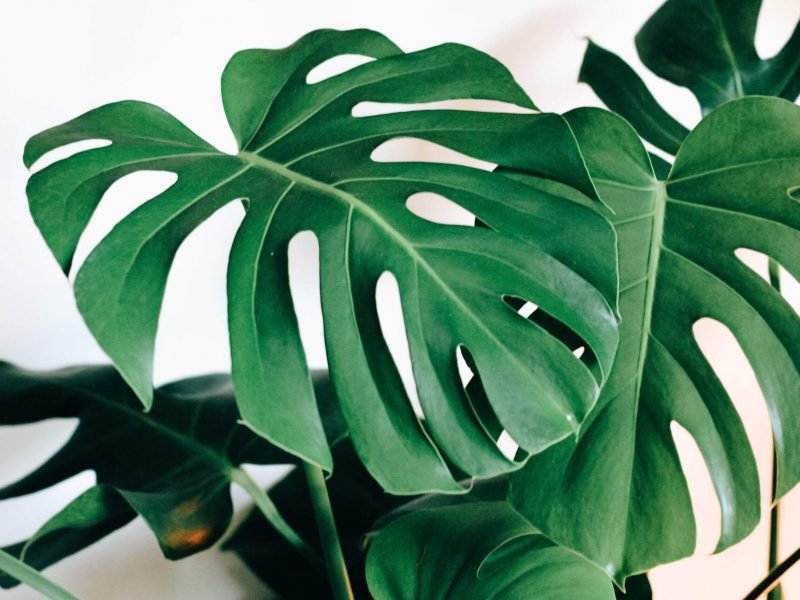
Monstera Deliciosa (Commonly known also as a Swiss Cheese Plant)

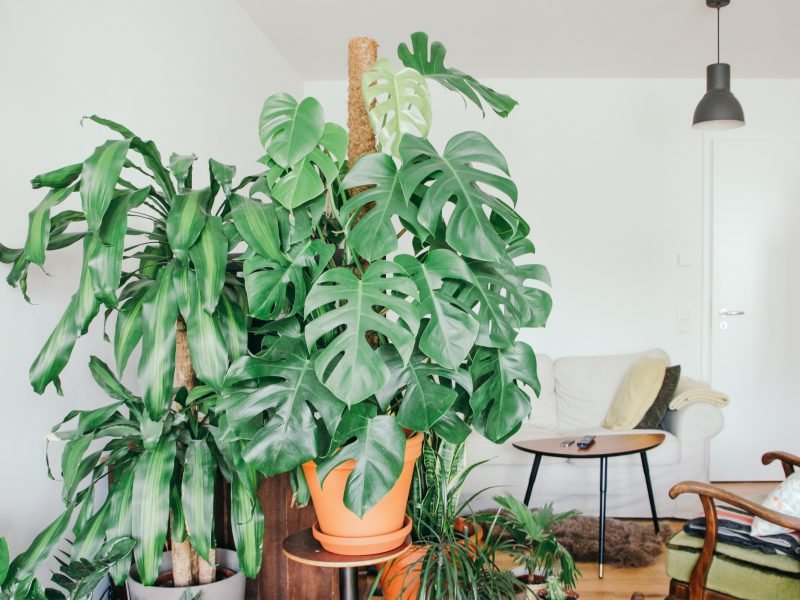
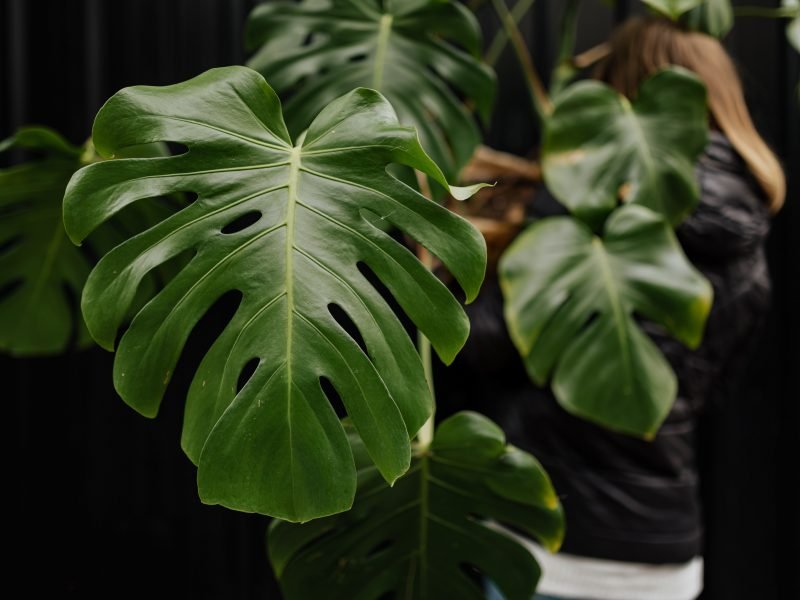
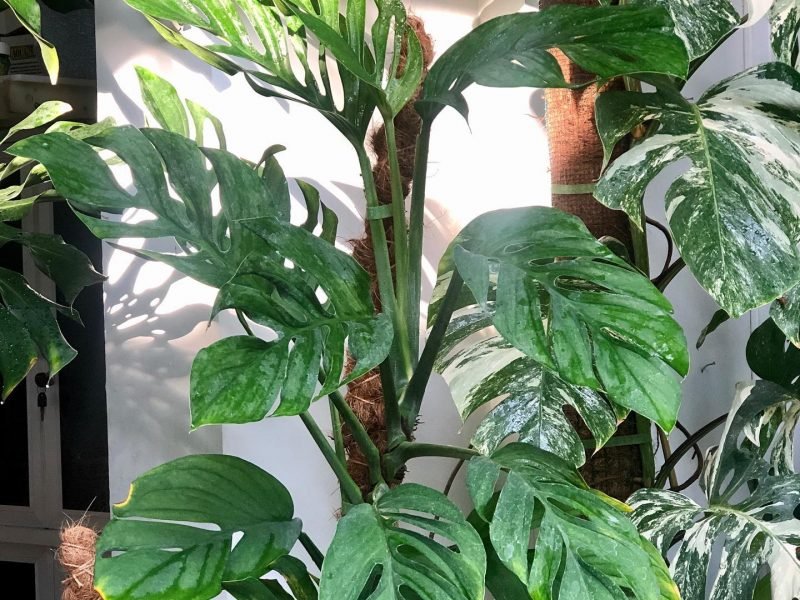
By far the most popular variety out there, the Monstera Deliciosa is what most people mean when they say Monstera! It has captured the hearts of plant owners across the world and established itself as the must-have indoor plant. It’s no surprise, with their incredible large split leaves.

Monstera Deliciosas are a very common houseplant to find in plant shops and nurseries and you can often get a relatively small one for a much more affordable price than several years ago. Whilst mature and variegated Monstera Deliciosas will set you back a good bit, they are fairly adaptable and less sensitive than a lot of other Monstera types so a great option for beginner and busy plant parents.

As you’ll find with a lot of Monstera types, the Monstera Deliciosa will eventually need a moss pole to thrive as in the wild they attach themselves onto other plants to stop themselves from drooping and falling over.

When it comes to propagating your Monstera Deliciosa, stem cuttings are a great way to do this and can have very high success rates. Unfortunately, you won’t be able to propagate through a single leaf though, so make sure each cutting includes a stem node.

You can learn more about this variety in our Monstera Deliciosa care guide.


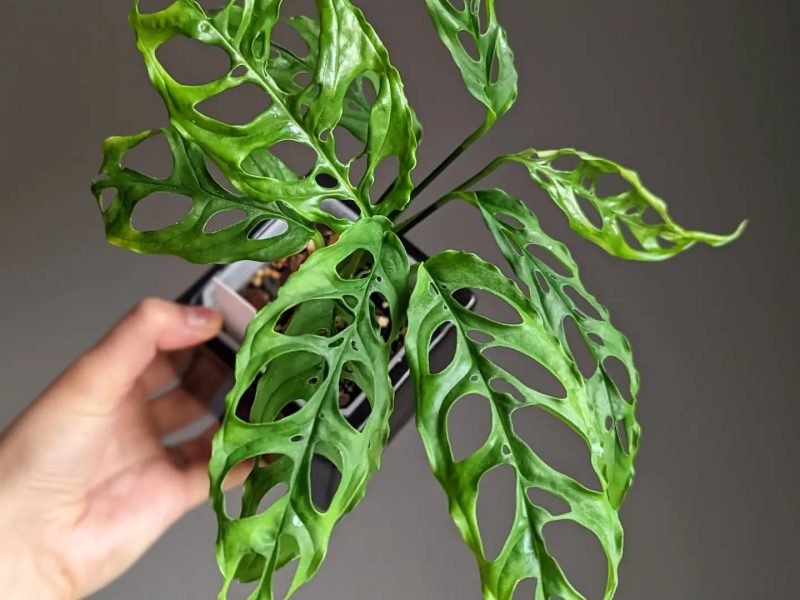
Monstera Adansonii (Commonly known as the Monkey Mask Monstera)

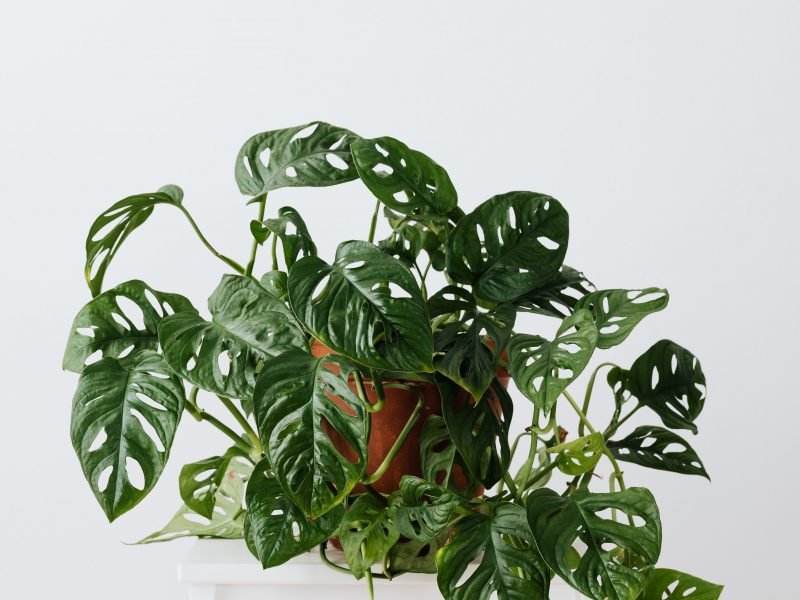
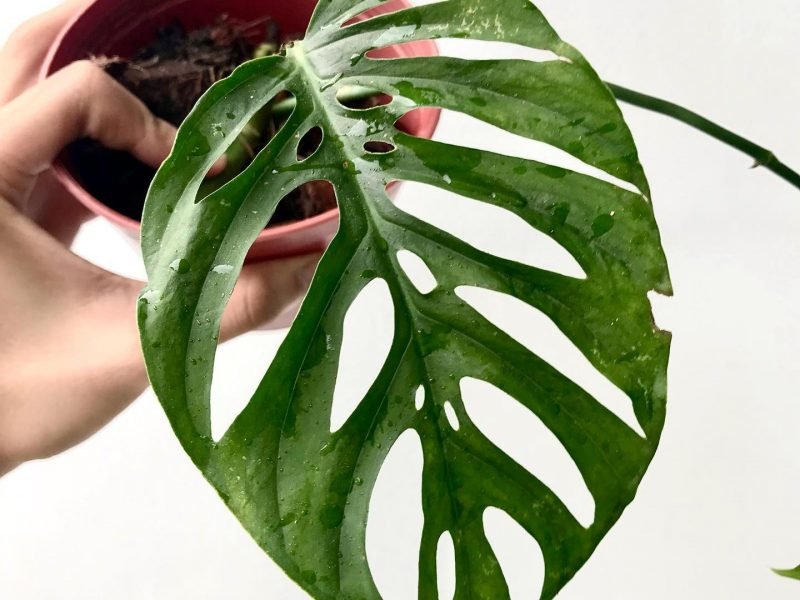
The Monstera Adansonii is the second most common Monstera variety but is in fact very different to a Monstera Deliciosa. The Adansonii has smaller leaves and thinner stems and are often grown as hanging plants (they can be climbers too when attached to a moss pole).

The splits on the leaves of a Monstera Adansonii are very distinct which has led to a surge in popularity over the past couple of years.

They can be a little trickier to care for compared to the Deliciosa as they have much thinner leaves, making them more sensitive to changes in humidity and watering routines. However, with the right care, they will reward you with long vines with incredible leaves.

Find out more in our Monkey Mask Monstera care guide!


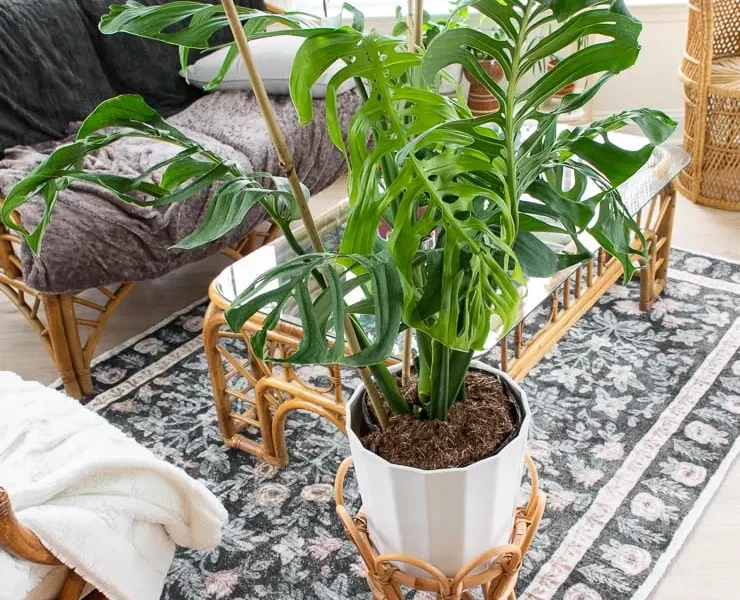
Rhaphidophora Tetrasperma (Commonly known as the Mini Monstera)

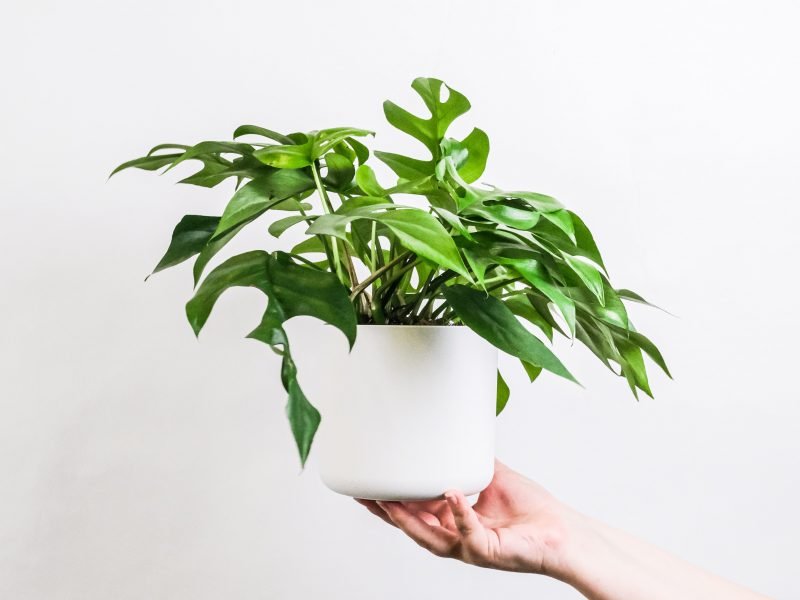
Love the leaves of a Monstera Deliciosa but just don’t have the space? Let us introduce you to the Rhaphidophora Tetrasperma which is known literally as the Mini Monstera! Native to Southeast Asia, they have the same incredible split heart-shaped leaves and the same care requirements but are much smaller.

Similarly to their larger counterpart, the Rhaphidophora Tetrasperma also needs a support stake as they will flop down without it. The Mini Monstera is also a relatively easy plant to care for, requiring bright, indirect light and regular watering.

Learn more in our Mini Monstera care guide!


Less Common Monstera Types

Although these can be a little trickier to find, they are often easily available online. It’s worth noting though that the majority of these types will be more expensive than the common varieties.


@visualgardenph on Instagram

Monstera Epipremnoides Plant

Monstera Epipremnoides

The Monstera Epipremnoides is a relatively rare but highly sought-after Monstera variety. It looks quite like a Monkey Mask Monstera but has a lot larger splits and holes. The leaves are also loved for being a lot more elongated compared to other varieties.

One of the great things about the Monstera Epipremnoides is that it can be grown as a tall plant using a support stake or as a hanging vine, making it adaptable to the space in your home!

Monstera Epipremnoides needs a high humidity level to really thrive so a regular misting routine is a must with this type.


@urban_garden1.618 on Instagram

Monstera Karstenianum Plant

Monstera Karstenianum (Commonly known as the Monstera Peru)

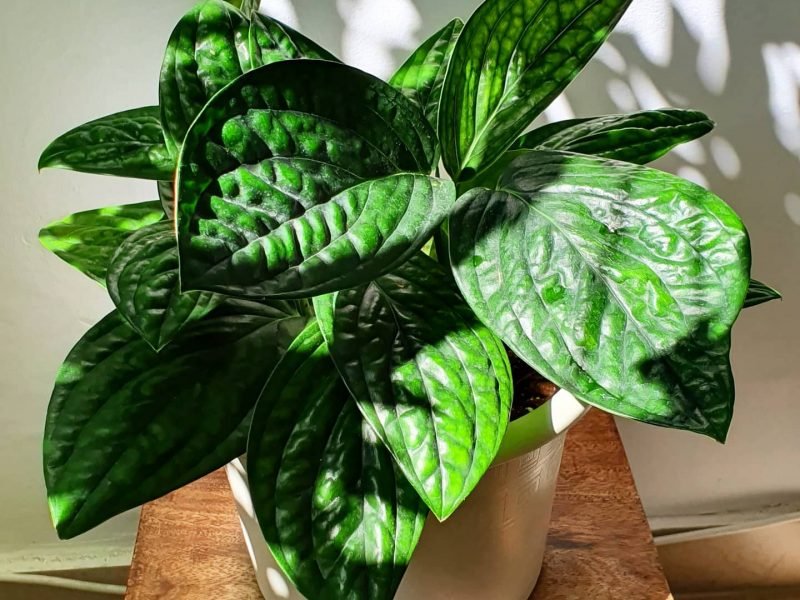
The main difference with the Monstera Karstenianum is that they don’t actually develop fenestrated (split) leaves as a lot of other Monstera types do. Instead, they are known for their thick dark green patterned leaves. In fact, they almost look like a Peperomia variety!

The Monstera Karstenianum is quite a small plant and won’t ever grow beyond about 7 feet indoors and it’ll take a long time to get to that height so is a nice choice for smaller rooms. Their leaves also stay quite small, with a maximum of about 10 centimetres which makes them quite unique as a Monstera variety.


@therainyjungle on Instagram

Monstera Standleyana Plant

Monstera Standleyana

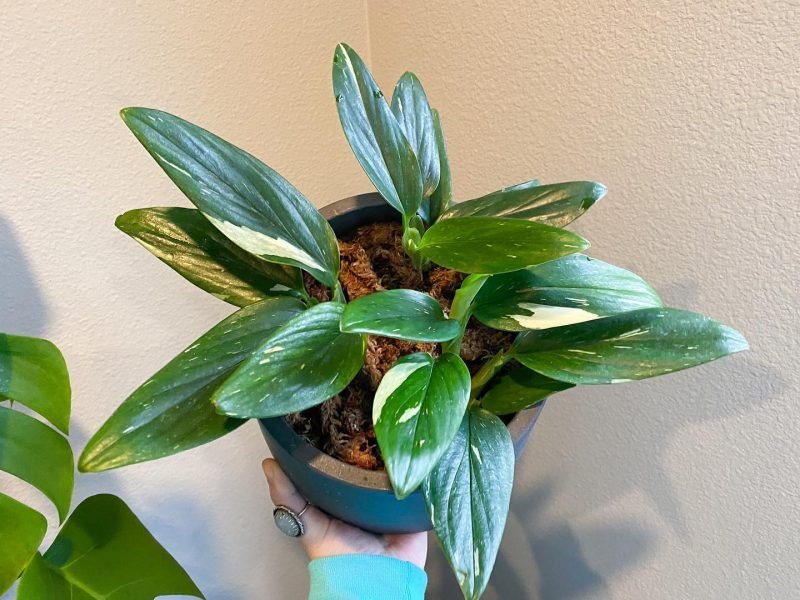
Monstera Standleyana is one Monstera variety that not many have heard of and that doesn’t get enough credit in the houseplant world. They have very dark green shiny long and pointed leaves that are pretty unique for a type of Monstera!

You’ll also commonly find a variegated variety of the Monstera Standleyana which has incredible white spots, strokes and splashes which differs completely between each of the leaves. This makes for a really unique houseplant that’ll soon become the focal point of any room!

In terms of size, they won’t grow that large outside of their native habitat so will reach between 2-4 feet in your home. They can grow as climbers but also as hanging plants which makes them super versatile.


growurban.uk

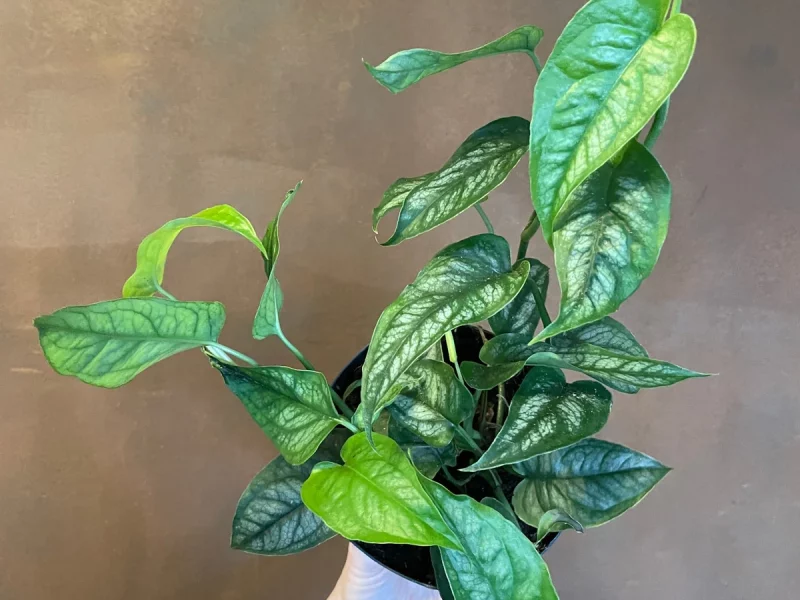
Monstera Siltepecana Plant

Monstera Siltepecana (Commonly known as the Silver Monstera)

Sometimes mistaken for a Pothos Plant, the Monstera Siltepecana is one that you need to know about!! They are adored by many for their incredible silver heart-shaped leaves but the incredible thing is that they actually change depending on how they are grown.

If your Monstera Siltepecana is left to hang down and is not supported with a moss pole, then the leaves will remain in their juvenile state. This is where they are silver but still have relatively small leaves. When they are grown as climbers rather than hanging, their new leaves become bigger and bigger. However, the trade-off for this is that they become less silver and more solid green in colour.


@kebunbucorry on Instagram

Monstera Pinnatipartita

Native to the tropical rainforest of South America, the Monstera Pinnatipartita is quite an easy variety to care for. As with a lot of Monstera types, the Monstera Pinnatipartita does also have split leaves and whilst they aren’t as widespread across the plant, they do reach further up the leaf than a lot of other varieties.

It’s worth noting though that you will only see dramatic fenestration (splits) on mature leaves and you’ll notice that all of the younger leaves are solid with no holes. So this plant type definitely requires a little bit more patience to get the split leaves than other varieties.


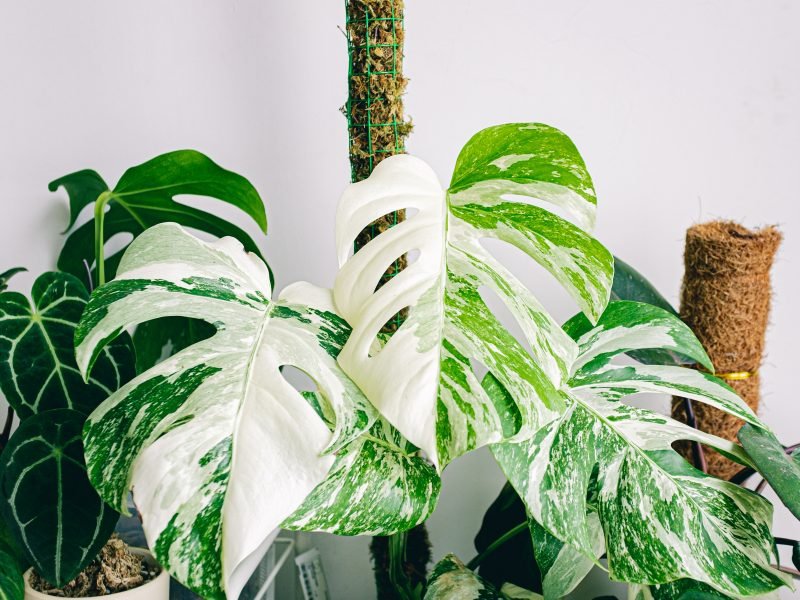
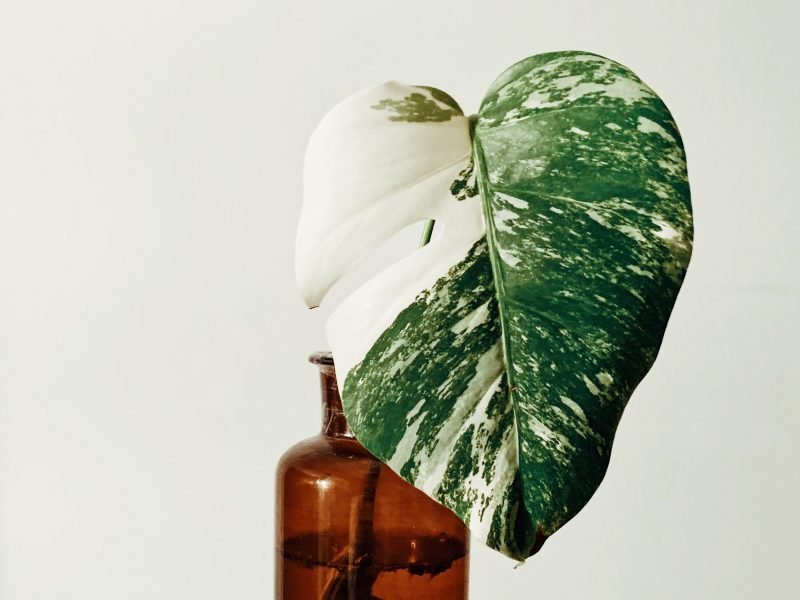
Monstera Albo Variegata Plant

Monstera Albo Variegata

Often dubbed as one of the most expensive houseplants around, the Monstera Variegata is a variegated version of the iconic Monstera Deliciosa. Not only are they rare to find, but a cutting could set you back a few hundred dollars, which makes getting the care and environment right even more important!

This type of variegated Monstera has stark white and green leaves, rather than speckles. This can result in large chunks of the leaf being white.

If you’re after a dramatic and striking houseplant then the Monstera Variegata is the one for you as they can grow up to 10 feet indoors!

The downside to a Monstera Albo Variegata is that they are genetically unstable. This means that when propagating them it’s not guaranteed that the leaves will also be variegated. It can also lose its variegation when growing new leaves.


Monstera Dubia Plant

Monstera Dubia (Commonly known as the Shingle Plant)

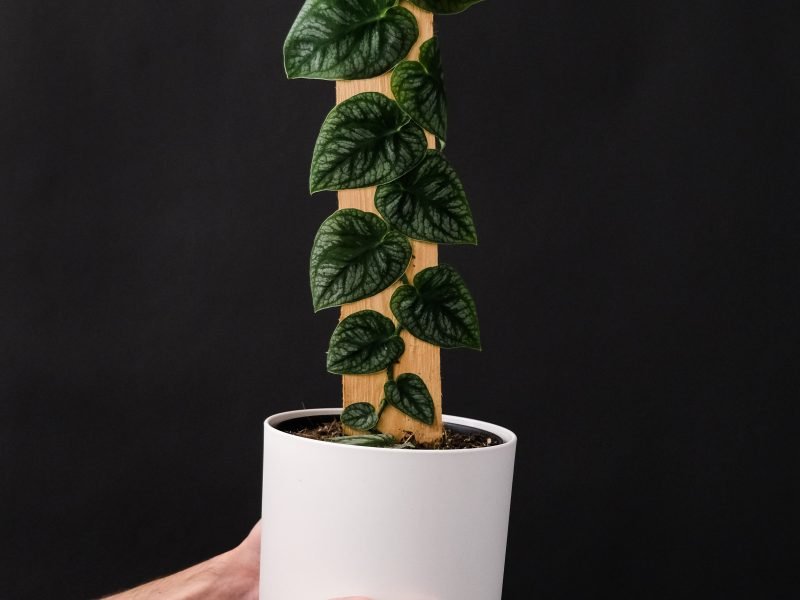
Similarly to the Monstera Siltepecana, the Monstera Dubia can also often be confused for a Pothos Plant as it has smaller leaves than the majority of other varieties and doesn’t have any splits in the leaves.

Native to the tropics of Central and South America, the Monstera Dubia is a climbing vine that supports itself on other houseplants in its native environment. This is why as a houseplant it needs to have a support stake to aid growth.

The interesting thing about the Monstera Dubia is that in the wild they can actually resemble the classic Monstera Deliciosa but as a houseplant don’t have the ability to grow beyond the juvenile stage of smaller solid leaves.


@gennasplants on Instagram

Monstera Obliqua Plant

Monstera Obliqua

Out of the rarer Monstera varieties, the Monstera Obliqua is the most sought-after, leading to a high price tag. They are also one of the hardest Monstera types to care for so best left to seasoned plant professionals.

When it comes to spotting a Monstera Obliqua, you’ll often find that what you’re actually looking at is a wrongly labelled Monstera Adansonii. The thing to look for is that there is actually more hole than leaf, 90% is air rather than leaf.

You’ll also notice that the leaves are incredibly thin which will tell you a thing or two about their humidity and light requirements. It can be very difficult to get the care and environment right for the Monstera Obliqua as they need a constant high humidity level and absolutely no direct sunlight!


Rare Monstera Plant Types

These are some of the rarest Monstera plants available to buy and because of their rarity, they will set you back hundreds (and sometimes thousands) of dollars!


www.bybrittanygoldwyn.com

Monstera Esqueleto Plant

Monstera Esqueleto

Native to Costa Rica, Esqueleto means skeleton in Spanish which is where it gets its name!

The best way to think of a Monstera Esqueleto is that it’s a Monkey Mask Monstera with larger leaves and larger holes. Even indoors, the leaves on a Monstera Esqueleto can grow up to half a meter in length! Another way to tell the Monstera Esqueleto apart from the pack is that their leaves feel velvety in texture.

The good news is that although the Monstera Esqueleto is rare to find, it is now being produced more commercially so we expect the supply to increase over the next few years. This increased supply should also bring the price tag down a little bit so you’ll no longer have to reach deep into your pockets for even just a small cutting of this variety.


Monstera Thai Constellation Plant

Monstera Thai Constellation Plant

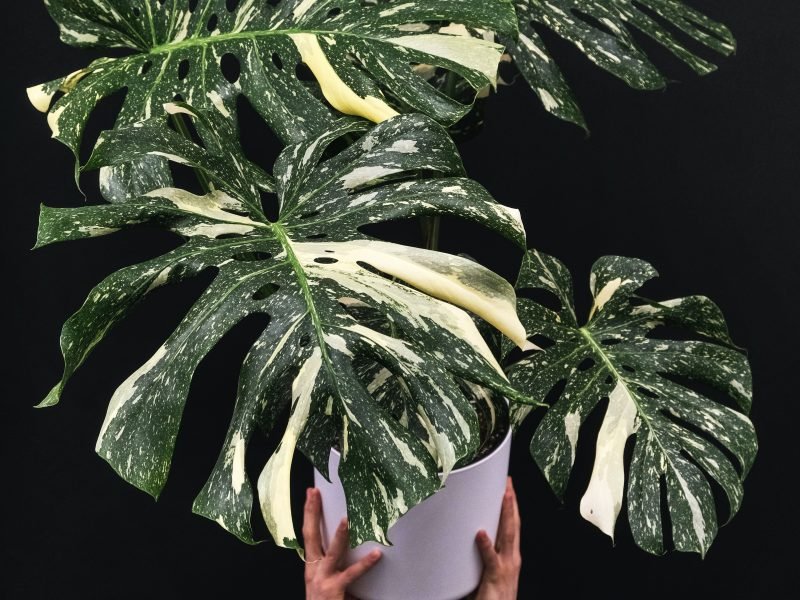
Monstera Thai Constellation

The Monstera Thai Constellation is a variegated Monstera type with very fine speckles throughout the leaves. The great thing about this type is that genetically it is stable, which means it won’t lose the variegation when you propagate it.

Fun fact: The Monstera Thai Constellation was developed in a laboratory which means you aren’t able to cultivate it from a seed.

When looking for the perfect Monstera Thai Constellation, you want to choose one that has a medium level of variegation. Whilst every leaf will end up looking different, you don’t want too many leaves to be primarily white or yellow. This is because they don’t contain as much chlorophyll, preventing them from photosynthesising as much. Although it might be tempting to go for a primarily white plant, it can have its downsides.


@jungle_collective on Instagram

Monstera adansonii ‘Variegata’

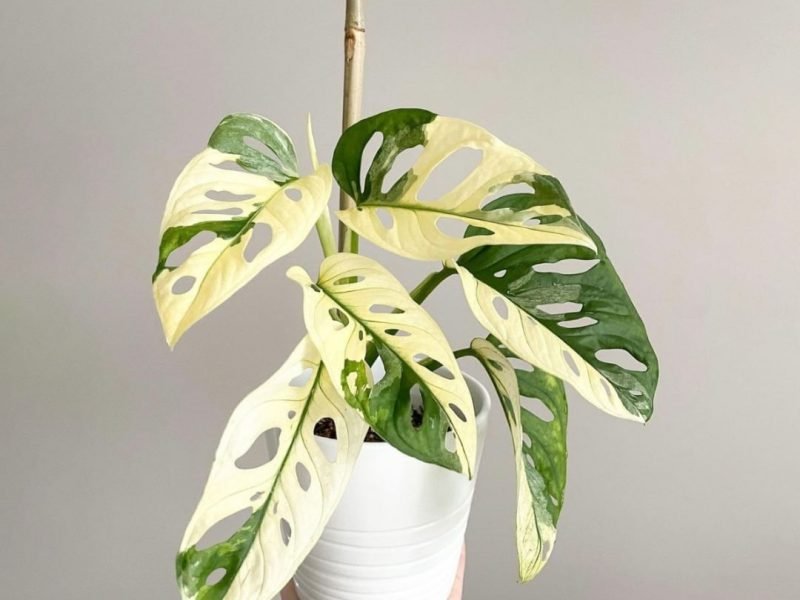
Monstera adansonii ‘Variegata’

This type of Monstera is a variegated version of the traditional Monstera adansonii. Like its non-variegated partner, it has relatively small leaves and thin stems (compared to other varieties).

The variegation tends to show up as half a white leaf and half a green leaf, rather than speckled variation across the plant. This can result in a really striking and unique appearance.

Although they are cheaper than a larger variegated Monstera variety, even a small cutting will cost several hundred dollars, with a mature plant reaching into the thousands.


Those are some of the most unique and striking Monstera varieties. Whilst some are very easy to find and relatively affordable, the rarer types can reach into the thousands when looking to purchase a mature plant. If you are after a rarer type, we recommend buying a cutting and growing it into a larger plant. It might take a few years but it will save you hundreds!

Fiddle and Thorn is a participant in the Amazon Services LLC Associates Program, an affiliate advertising program designed to provide a means for sites to earn advertising fees by advertising and linking to Amazon.com

Take our houseplant survey!

Quickly respond to our 30 second houseplant survey and get 75% off our Complete Houseplant Care eBook!

Take the Survey

No thanks…

12 Tropical Houseplants that Thrive Indoors

Last Updated: December 31, 2021

The best tropical plants that survive indoors

You might not think that tropical plants could ever survive in our homes as they just aren’t anything like a tropical rainforest. However, there are several natively tropical plants that can adapt nicely to the temperature, light level and lower humidity level in our homes.

You will find that growing tropical plants indoors will make them smaller, both in overall size and in terms of their leaves. This is because they are bound to the pot and are usually sat near a good light source so don’t have to maximise the size of their leaves to capture sunlight. But all in all, this is a good thing as we wouldn’t want our plants breaking through the ceilings!

Although these plants can adapt to your home, adjusting the environment and care routine to help replicate the tropical environment will go a long way to keeping these plants happy. They’ll love a good misting and investing in a humidifier is always a good place to start.


1

Bird of Paradise

Strelitzia Reginae

If you’re dreaming of a tropical getaway, then a Bird of Paradise is the next best thing. Native to South Africa, they are loved for their incredible orange and blue leaves that resemble birds (which explains the name). It’s really important that you keep your pets away from the flowers and leaves as they can be very toxic if ingested so we don’t really recommend this one to pet parents, unfortunately.

It’s also important that you have a lot of space when buying a Bird of Paradise plant as they do grow up to about 2 metres in size. But if you have the space for it, then they are the perfect plant for those looking for something a little more exotic.

Find out more in our Bird of Paradise care guide.

2

Swiss Cheese Plant

Monstera deliciosa

Native to the rainforests of Central America, the Monstera Deliciosa has very quickly become the most fashionable and photographed houseplant ever. And it’s not difficult to understand why… If their large dark green glossy heart-shaped leaves weren’t enough, their unique splits surely will be!

You might be surprised to learn that the Monstera isn’t actually a fussy plant and is pretty easy to take care of. Bright but indirect light, moderate amounts of water and regularly misting are really the main things to remember.

You’ll find that a lot of more mature Monstera plants are sold with a moss pole as they are climbing plants. In the rainforest, the ariel roots that pop out from the stems will attach themselves to other plants as the plant matures. So a moss pole is a good substitution to help your plant grow and mature.

Find out more in our Swiss Cheese Plant care guide.

3

African Mask Plant

Alocasia amazonica

If there is one plant that has risen up the popularity ranks recently, it’s the African Mask Plant! You can now buy these at basically every plant shop, market and superstore globally as they are definitely the most popular of the Alocasia family. And we totally understand why they have become so popular, their intense glossy shield-like leaves are adorned with strong white veins which really make them something special.

They aren’t a great plant for beginners, however, as they do require decent light levels, as well as warm temperatures and a consistent high humidity level. Misting this plant is really crucial or it’ll start to develop some issues.

If in the right environment, your African Mask Plant can grow well above 1 metre but this will take many years as they don’t produce that many new leaves each year. This is why it’s crucial you take good care of the leaves your plant does have by regularly dusting and inspecting for issues.

Find out more in our African Mask Plant care guide.

4

Dumb Cane

Dieffenbachia

With incredible large speckles leaves, the Dumb Cane really does know how to impress! It has got a little bit of a bad reputation, however, as it’s very toxic to both humans and pets and can cause temporary loss of speech if consumed in large quantities (hence the name). However, this is quite rare and whilst important to keep in mind, shouldn’t put you off this plant entirely.

Dumb Cane plants are pretty forgiving and bounce back pretty quickly, so you don’t need to worry about occasionally over or underwatering. Just provide them with plenty of indirect sunshine and the occasional misting and they’ll reward you with some of the most beautiful foliage.

Find out more in our Dumb Cane care guide.

5

Kentia Palm

Howea forsteriana

Kentia Palms are pretty hardy plants that can stand environments that many other houseplants wouldn’t be able to, making them quite easy to care for. They can grow up to 40 feet outdoors but will rarely get over 13 feet when kept indoors.

They can be quite fussy about watering however and prefer to get little and often as this stops their soil from drying out completely or being soggy for longer periods of time. They also aren’t great with having dusty leaves, so we recommend wiping them down with a damp cloth every now and then to keep them clean.

The good news is that they are completely safe and non-toxic, so perfect for homes with pets or kids!

Find out more in our Kentia Palm care guide.

6

Peace Lily

Spathiphyllum wallisii

There’s a reason that Peace Lilies are so popular, and it’s not just because of their incredible white flowers. They are super low maintenance plants that can adapt and thrive in most homes. They can tolerate all light levels which is super rare for houseplants.

Our favourite thing about the Peace Lily is that it really helps us plant parents out by drooping its leaves when it really needs water. This can help you spot underwatering before it’s really a problem. Within minutes of watering, the leaves will perk up – it’s pretty cool! And if we haven’t sold you on the Peace Lily yet, then you should probably know that they are also one of the best plants at purifying the air and removing chemicals from your home!

Find out more in our Peace Lily care guide.

7

Parlour Palm

Chamaedorea elegans

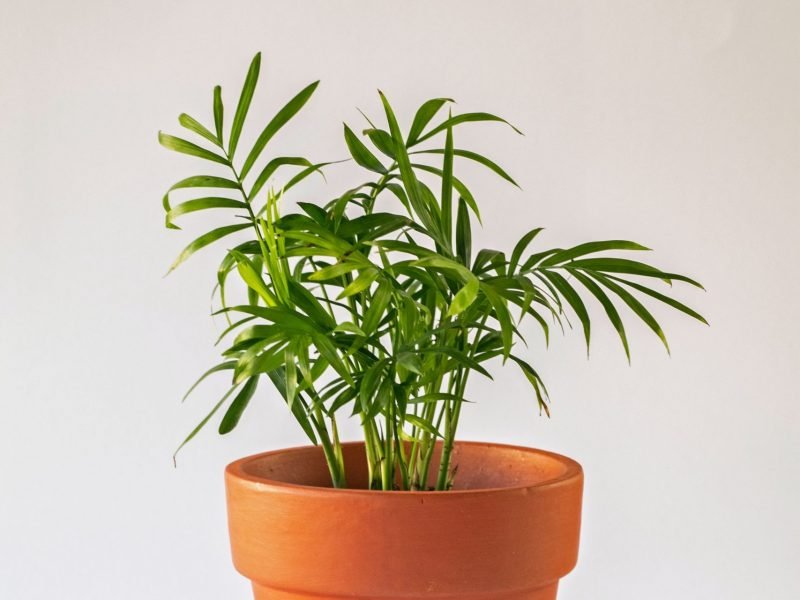
If you want to grow a palm tree indoors then the Parlour Palm is the one you need! They are easy to care for and adapt well to lower light conditions. When kept indoors the Parlour Palm will stay quite small growing to a maximum of around 8 feet, this makes them manageable and easy to place anywhere in the home.

Provided with good light and some additional humidity in the dryer months your Parlour Palm will be perfectly happy – don’t be discouraged by slow growth as they can take several years to grow an extra 2 feet in height.

Find out more in our Parlour Palm care guide.

8

Schefflera

Schefflera arboricola

Also known as the Umbrella Plant because of their dome-shaped leaves, the Schefflera is not only easy to care for but it’s pretty unique too! A mature Schefflera can sometimes have up to 16 little leaves off one stalk, whilst smaller plants may only have 4 or 5.

When it comes to caring for your Schefflera, they are quite hardy and adapt well to different environments. You don’t need to worry about humidity levels etc so it’s pretty simple. One thing to note is that it’s a good idea to rotate your plant every few weeks. Schefflera plants have a tendency to lean towards the light so can become quite unbalance if not turned regularly.

Unfortunately, Scheffleras are toxic to pets and humans so you need to keep this one away from small children or any furry friends that might be tempted to take a bite.

Find out more in our Schefflera care guide.

9

Elephant Ear

Colocasia

Known and loved for their larger than life, heart-shaped leaves, Elephant Ear Plants are the new popular houseplant on the block! Whilst they are most commonly grown outdoors, this doesn’t mean they can’t adapt nicely to your home. With enough light, a little boost to the humidity and good moisture in the soil, your Elephant Ear Plant could soon be boasting leaves that are nearly a meter in length!

It will require a little bit of work though to keep your Elephant Ear Plant thriving, from daily misting, to regularly dusting the leaves as the sheer size of them make them a dust magnet, it’s important to tend to an Elephant Ear Plant to keep it happy and healthy.

Find out more in our Elephant Ear care guide.

10

Money Tree

pachira aquatica

The Money Tree is a great tropical houseplant that will be very happy growing in your home. They are super easy to care for and can live for 10–15 years if properly maintained. They originate from Mexico but are very common throughout the world due to their ease of care. In their natural environment they can grow up to 18 meters tall, but it’ll be much smaller in your home thankfully!

One of the great things about the Money Tree is that they can adapt to fluorescent lighting which is rare for tropical plants. This makes them great for offices or other commercial spaces too. With them also being pet safe and simple to keep happy, we think they are a greater starter plant for budding plant parents.

Find out more in our Money Tree care guide.

11

Fan Palm

Chamaerops Humilis

Perfect for novice plant parents, the Fan Palm is a great way to bring some of the tropics right to your home. It’s one of the few palms that can actually truly thrive in non-tropical conditions so you don’t need to worry too much about having the perfect environment for it. Bright sunshine and moderate watering will keep this one happy and healthy.

Outdoors the Fan Palm can reach several meters tall, but when grown indoors in a pot, it’ll grow very slowly and won’t reach anything near that don’t worry! Although the plant is non-toxic, we still recommend keeping it away from your furry friends as the leaf tips are very sharp.

Find out more in our Fan Palm care guide.

12

Fiddle Leaf Fig

Ficus lyrata

Native to the rainforests of central Africa, Fiddle Leaf Fig Trees are really stealing all of the attention right now. Their giant dark green glossy veined leaves give you that instant tropical feeling, right in your own home. They actually get their name from their violin-shaped leaves, similar to a Fiddle. Fiddle Leaf Fig Trees like a nice warm, humid environment with plenty of sunshine and a good amount of water to support a strong root system.

If you’re looking for your plant to become the focal point of the room, then the Fiddle is the plant for you as they can grow up to 3 metres tall in the right environment. It’s important to note though that Fiddle Leaf Figs are toxic to pets and humans so not the best chance if there is a risk of leaves being ingested…

You should be able to find a Fiddle Leaf at most independent plant shops globally, but they can have quite a big price tag if you’re looking for a more mature one.

Find out more in our Fiddle Leaf Fig care guide.

Fiddle and Thorn is a participant in the Amazon Services LLC Associates Program, an affiliate advertising program designed to provide a means for sites to earn advertising fees by advertising and linking to Amazon.com

Take our houseplant survey!

Quickly respond to our 30 second houseplant survey and get 75% off our Complete Houseplant Care eBook!

Take the Survey

No thanks…

How to Grow and Care for a Tree Philodendron

Last Updated: October 16, 2023

Large tree philodendron leaf

Large tree philodendron leaf

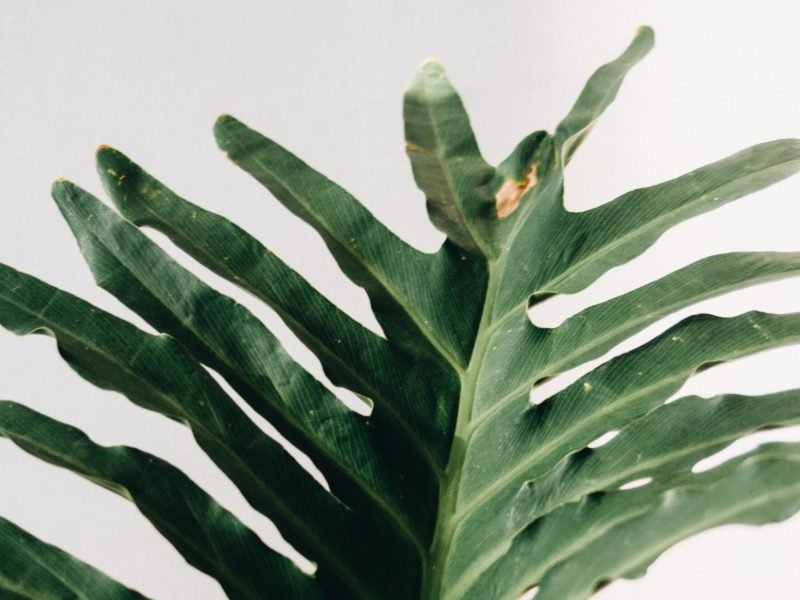
Tree Philodendrons are one of the less common Philodendron varieties out there but is easy to grow and is a great way to bring a little piece of the tropics into your home. Native to tropical regions in South America, the Tree Philodendron is a large plant with striking split rugged leaves.

They are commonly known as either the Tree Philodendron or the Split-leaf Philodendron but also go by a few other names including the Philodendron selloum, Lacy tree philodendron Horsehead philodendron or its Latin names of Thaumatophyllum bipinnatifidum and Philodendron bipinnatifidum.

Below you will find our detailed Tree Philodendron Care Guide with all the information you need to keep your plant happy and healthy.

How to Care for a Tree Philodendron

One great thing about this plant is that it’s actually really easy to care for, despite its dramatic look and dominating presence. It is quite adaptable to a range of environments and will survive well in most homes with a regular but undemanding care routine.

The main things you need to worry about when it comes to caring for a Tree Philodendron are light level, watering routine and humidity. These plants thrive in medium to bright but indirect light and can dry out quickly if exposed to intense direct sun in summer.

Getting the right amount of water right can be a bit tricky as these plants love a consistently moist but not soggy potting mix. Their root system will start to dry out if the soil is bone dry for extended periods of time and it will also start to rot if waterlogged.

The third main pillar of care is getting the humidity level right. As they are native to the tropical regions of South America, Tree Philodendrons prefer a slightly raised humidity so aim for at least above 50%.

Tree Philodendron Overview

Origin: South America (Brazil, Argentina, Bolivia and Paraguay)

Latin Name: Thaumatophyllum bipinnatifidum / Philodendron bipinnatifidum

Common Name(s): Tree philodendron, Split-leaf philodendron, Philodendron Selloum, Lacy tree philodendron Horsehead philodendron

Plant Family: Araceae (Arum) family

Difficulty Level: Easy to Moderate

Appearance: Large deep green leaves with deep lobes that cut nearly all of the way through the leaf.

Height and Size: Indoors can reach a maximum of 10 feet (3 meters) in height and can spread up to 5 feet (1.5 meters).

Growth Rate: Slow to Medium

Flowering: White spathe and spadix flowers.

Pruning: Regular pruning is not required. Only to remove dead or dying leaves.

Cleaning: Regular dusting is crucial.

Light Requirements: Bright, but indirect sunlight.

Water Requirements: Consistently moist soil but never waterlogged.

Best Soil: Well-draining, nutrient-rich potting mix that includes perlite.

Ideal temperature: 65-85°F (18-29°C)

Fertilizing Routine: Apply a well-balanced fertilizer once a month during spring and summer.

Ideal Humidity Level: Thrive in a high humidity level of 50% and above.

Propagation: Through stem cuttings or division of the mother plant.

Repotting Frequency: Every 1-2 years, on average.

Toxicity: Toxic to humans and pets.

Risk of Pests: Some risk of spider mites, gnats, mealybugs and aphids.

Common Problems: Discolouration of the foliage (yellow or brown leaves), drooping stems and leaf loss.

Tree Philodendron Origin

Native to regions of South America including southern Brazil, Argentina, Paraguay and Bolivia, the Tree Philodendron grows along the river edges of tropical forests throughout this region. This means they thrive in warm and humid environments.

Philodendron Selloum Family

They are a member of the Araceae (Arum) family, which is a large family of over 3,500 species of flowering plants. The flowers are borne on a distinctive spadix, surrounded by a bracht known as a spathe.

Tree Philodendron Height and Size

They are very large plants that can grow up to 15 feet in their native environment. However, when grown indoors they will reach a maximum of 10 feet in height and 5 feet in spread. This will take decades to reach this height so don’t worry about it outgrowing your home any time soon.
Tree Philodendron Growth Rate

These plants have a medium growth rate. You won’t see new leaves popping out every week but you will be rewarded with plenty of new growth throughout spring and summer.

Flowers on a Tree Philodendron

As they are part of the Araceae family, Tree Philodendrons will sometimes develop white or cream-coloured leaves. These are borne on a distinctive spadix which is surrounded by a single-leaf white spathe.

Don’t get too excited about the idea of your Split-leaf Philodendron blooming though as flowering can be quite rare and will only happen on more mature plants. The flowers will only tend to last about a week before wilting so can be easily missed.

Pruning your Philodendron Selloum

Regular pruning is not required when caring for a Tree Philodendron. Instead, only prune dead or dying leaves from your plant. They will naturally fall from your plant once dead but pruning them can allow for any energy to be diverted into growing new leaves, rather than trying to revive the dying leaves.

You can also choose to prune a few leaves to reshape or make your plant smaller for the desired space.

Cleaning your Tree Philodendron

Tree Philodendron plants are dust magnets as they have large flat leaves. This makes cleaning a vital part of your care routine. Not only does removing dust and dirt help more sunlight reach the leaves but it also unclogs the tiny pores throughout the leaf which will help your plant ‘breathe’ better. Cleaning will also help the leaves look shinier and less dull which is an added aesthetic bonus!

Use a duster or a damp cloth to wipe over the leaves to remove dust. If this isn’t working then you may want to use a drop of dish soap but stay away from any harsh chemicals as this can damage the leaves.

We often see plant parents wanting to use leaf shine on their plants to give the leaves a shiny finish. However, we strongly advise against it as it can actually damage the top layer of the leaf.

Healthy tree philodendron

Tree philodendron in a home

Light Requirements for a Tree Philodendron

Philodendron Selloum thrive best in areas with medium to bright, indirect light. However, keep them out of direct sunlight as this can easily damage the leaves by burning them or by drying them out. This can cause either brown or yellow spots and patches throughout the leaf, which are irreversible.

While they can adapt to medium levels of light, avoid placing them in very low light as you will see the growth level start to stagnate, any new leaves will likely be small and your plant may even begin to lose leaves if not given enough light long-term. A lack of sunlight can also eventually result in your plant dying so make sure it’s been given enough sunshine.

Watering your Tree Philodendron

These plants like an even moisture level in the soil which means a little but often watering approach is the best method. They don’t tolerate drought so well and waterlogged soil risks the roots rotting (which causes a whole chain of quite serious problems).

Our top tip when it comes to watering your Tree Philodendron and preventing overwatering is to remove excess water from the saucer or planter after 15 minutes of watering. This works if you are both top or bottom watering.

If you’re unsure of how much or how frequently to water your Split-leaf Philodendron or you find yourself struggling with overwatering, then invest in a moisture meter as they will help you figure out how quickly the potting mix is drying out.

There are so many factors that impact how fast the soil dries out from sunlight level, temperature, season and pot size that it can be tricky to get a good watering balance and a moisture meter will really help with this.

Choosing the right soil for a Split-leaf Philodendron

Choose a potting mix that has both good drainage and water retention qualities. This will allow you to keep a moist but not soggy potting mix, keeping your plant hydrated but not risking root rot. Most standard potting mixes for houseplants will suffice and should contain a good balance of nutrients.

Try to choose a mix that includes perlite as this is great for both drainage and soil aeration but note that you can buy it separately and add it to your mix as well.

Ideal temperature for your Tree Philodendron

As they are native to tropical areas, Tree Philodendrons grow best in slightly warmer temperatures. Keep them away from drafty doors and windows as the cold air will over time damage your plant. Air conditioning vents can also be damaging to your plant to ensure that it is at least 1 meter away to prevent the cold stream of air from causing any issues.

Aside from prolonging the time it takes for the soil to dry out, very cold temperatures can actually freeze the cells in the leaves, causing them to die.

If you don’t already have one, buying a digital thermometer is one of the best things you can do for your plant. It will allow you to monitor any changes in the temperature and spot cold drafts and hotspots before they are damaging to your plant.

Tree Philodendron Fertilizer Requirements

Apply a well-balanced fertilizer at half the recommended strength once a month during spring and summer if you do choose to feed your plant. There are a lot of factors that can impact how much fertilizer they can withstand, so by diluting it more than recommended, you are able to help prevent over-fertilization.

Remember to only fertilize in spring and summer, cutting back entirely over the colder darker months of the year. This is when your plant enters a dormant phase and fertilizing during this time can be damaging.

Tree Philodendron Humidity Requirements

Split-leaf Philodendrons are native to tropical areas so thrive best in a humidity level of at least 50%, although 60% and above is more ideal. Check out our detailed guide on humidity for your houseplants for top tips on how to increase humidity. The easiest way is by misting your plant every few days or investing in a humidifier to take care of it for you.

If your plant is growing in a humidity level of less than 40%, you may start to notice brown leaf edges, tips and spots over time.

The only real way to monitor humidity accurately is by using a humidity monitor. A lot of the time you can find a 2 in 1 humidity and thermometer gauge which is super useful for plant care.

Smaller tree philodendron

Tree philodendron on a book case

Propagating your Tree Philodendron

The main method of propagating a Tree Philodendron is through stem cuttings. You may choose to do this if your plant is getting too big and unruly, you want to increase the number of plants in your home or even to create a nice gift for friends and family.

To propagate your Tree Philodendron successfully, take a stem cutting with at least one node and grow it in water for a few weeks. Make sure that the water is room temperature so you don’t burn or shock the cuttings. Once roots have started to grow out of the node you can pot into fresh soil and continue to care for your plant as you would the mother plant.

Repotting your Tree Philodendron

On average, you should be repotting your Split-leaf Philodendron every 1 to 2 years. However, this will depend a little on the environment and growth rate. Make sure to keep an eye out for signs that your plant needs repotting, including roots growing out of the drainage holes or out of the top of the pot.

If your plant isn’t growing any new leaves throughout the main growth period, then it may also be rootbound and need repotting. Remove the plant from its pot to check the root system. If rootbound, they will be very tightly coiled and there won’t be much soil left in the pot.

Tree Philodendron Toxicity to Humans and Pets

Because they contain insoluble calcium oxalate crystals, Tree Philodendron plants are toxic to humans and pets if ingested or if you come into contact with the sap. Symptoms of toxicity from the Philodendron Selloum include mouth, tongue, throat and stomach irritation, vomiting and skin irritation. Seek medical attention immediately if your child or pet has come into contact with the toxic sap.

We highly recommend that you wear gloves when handling, propagating, repotting or pruning your plant and that you keep it out of reach of pets and small children.

Treating and Preventing Pests

If your Tree Philodendron is grown indoors throughout the year, then a pest infestation will be quite rare but it can happen. Your plant may suffer from spider mites, thrips, mealybugs, fungus gnats or whiteflies.

Look out for signs of pests that include brown and yellow spots, holes in the leaves, white webbing or powder across the leaves and stems and white mildew. Use a magnifying glass to also look for actual pests on the leaves as these can be difficult to see with the naked eye.

If you do spot pests or signs of them, isolate your plant from all other houseplants to stop the infestation from spreading and treat it with a rigorous routine of neem oil and an insecticide.

With the right treatment, you can be successful at stopping a pest infestation but the chances of doing that are much higher if you catch the issue early. This is why we strongly recommend that you conduct regular and in-depth check-ups of your plant to spot any warning signs as early as possible.

Top tip: always check the undersides of the leaves as this is where pests like to hang out and they can often go undetected there for a long time.

Tree Philodendron Common Problems

Fiddle and Thorn is a participant in the Amazon Services LLC Associates Program, an affiliate advertising program designed to provide a means for sites to earn advertising fees by advertising and linking to Amazon.com

Take our houseplant survey!

Quickly respond to our 30 second houseplant survey and get 75% off our Complete Houseplant Care eBook!

Take the Survey

No thanks…

Top 12 Tortoise Safe Houseplants

Last Updated: November 2, 2023

Finding the right tortoise-safe houseplants is super important to create a safe environment for your pet. Below we will go through our 12 favorite tortoise-safe houseplants so you can bring them into your home without needing to worry about any toxic effects.

The Best tortoise Friendly Houseplants

1. Aloe Vera

Aloe Vera’s unique, fleshy leaves and ease of care make it a sure winner for many households and it’s entirely safe for tortoises which is great news!

Native to the Arabian Peninsula, Aloe Vera is a succulent plant species from the genus Aloe. Known for centuries for its medicinal properties, it’s also chosen for its appealing and distinct aesthetic.

In ideal conditions, Aloe Vera grows well in bright indirect light, but it can tolerate lower light levels as well.

Importantly, these non-toxic plants require well-drained soil and need to be watered only when their soil becomes completely dry. They love warmer temperatures, so you need not worry if your house is a bit warm – Aloe Vera won’t mind at all.

And here’s the best bit: they are totally safe for tortoises so you don’t need to worry about them being near an Aloe Vera, or even nibbling at the leaves.

2. Spider Plant

Now, let’s talk about the Spider Plant, a houseplant that’s not only safe for your tortoises but also incredibly easy to care for.

Also known as Chlorophytum comosum, the spider plant enjoys moderate to bright light. However, it’s tolerant of a variety of conditions and will grow in areas that aren’t awash with sunlight.

It’s worthy of note that while this plant grows fast, it’s not particularly invasive. This makes it a perfect choice if you’re planning on planting a nice little forest in your terrarium or aquarium.

However, avoid planting it directly in the enclosure if your tortoise has a knack for digging; spider plants, in general, don’t appreciate root disturbance.

3. Pothos Varieties

One of our favorite tortoise-friendly houseplants is the Pothos. There are so many varieties out there with all kinds of variagation on their heart-shaped leaves, that you’ll definitely find one that suits your home.

Some of the safe types for your tortoises include the Golden Pothos, Marble Queen Pothos and the Jade Pothos. All these varieties are non-toxic to tortoises, guaranteeing the safety of your shelled friends.

  • Golden Pothos: Known for its gorgeous, heart-shaped leaves imbued with yellow and green hues. It’s a cascading plant, which means it’ll hang attractively from your terrarium or aquarium.
  • Marble Queen Pothos: This one provides a slightly cooler palette, with its leaves covered in soft, creamy hues. It’s the perfect choice if you’re looking for something stylish and tortoise safe.
  • Jade Pothos: If you’re into vibrant greenery, the Jade Pothos might be a winner for you. Its solid emerald-green leaves will bring a touch of tropical rainforest to your tortoise’s home.

If you’re concerned about maintenance, don’t worry at all, Pothos plants are super low maintenancee. A bit of indirect sunlight and moderate watering will keep them happy and growing.

An important tip though – While Pothos is safe for tortoises, it’s safer to keep the plants out of your tortoise’s immediate reach as persistent munching might not be so great for the plant’s health.

4. Moth Orchid

Are you one to fancy an indoor burst of colour? Then the Moth Orchid, or Phalaenopsis, should be the next port of call for your plant-loving heart. Recognised for its vibrant blooms and easy-going nature, this orchid variety is a hit with both seasoned gardeners and beginners alike. What’s more, it’s exceptionally tortoise-friendly, meaning your little reptile friend can safely co-exist with these stunning flowers.

Don’t get boxed in by the misconception that orchids are tricky to grow indoors. The Moth Orchid is indeed low-maintenance, and it thrives in the same humidity and temperature values as your tortoise would. However, the key to keeping yours healthy lies in understanding its needs. So, here’s what you need to know:

  • You’d do it a world of good by providing indirect but bright light, mimicking its native tropical rainforest habitat. Too much direct sunlight could harm its leaves, leading to painful sunburns. So, draw your shutters a tad during the peak sun hours, will you?
  • Watering is a crucial task and needs balancing. Over-watering could cause root rot, and under-watering can leave it parched. Typically, water once a week and ensure the pot has good drainage. After all, it’s not a fan of “wet feet”.
  • Temperature-wise, it votes for a range of 70-75°F during the day and 60-65°F at night. A drastic shift in temperature could potentially stress the plant.
  • A monthly dose of orchid-specific fertiliser would suffice for keeping it nourished. However, you’d be better off to lightly fertilise—recall the saying, ‘less is more’?

Remember, the Moth Orchid might give a carefree vibe, yet, it still needs you to be attentive about its needs. As a parting note, be sure to keep an eye for any sudden brown spots or wilting, an indication that your plant might be under stress.

5. Boston Fern

Our list wouldn’t be complete without the inclusion of the regal Boston Fern (Nephrolepis exaltata). Loved for its lush, feathery fronds, this houseplant guarantees a touch of sophisticated greenery wherever it is placed.

Boston Ferns thrive best in a cool environment with high humidity and indirect light. You can provide this moisture-loving plant a treat by misting its leaves regularly, especially during the drier months.

Boston Ferns are absolutely safe for tortoises. They are non-toxic and pose no threat if your tortoise happens to nibble a bit here and there.

Interestingly, Boston Ferns are an excellent source of vitamin A for tortoises. A regular intake of this vitamin promotes eye health and boosts the immune system of your scaly friend.

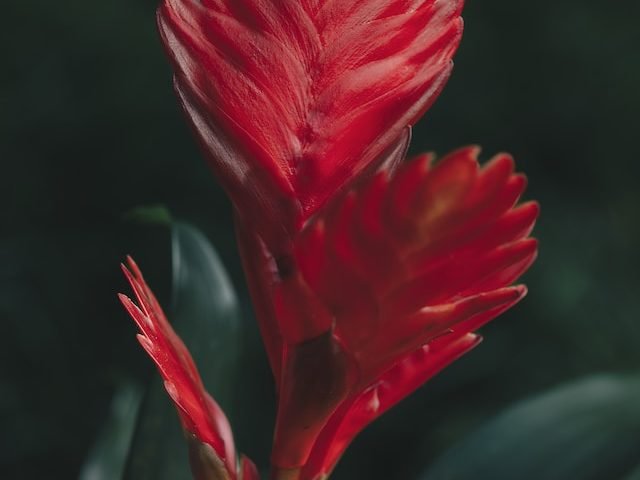
6. Bromeliads

Available in a vibrant palette of colours, they’re sure to brighten both your indoor space as well as your tortoise’s environment.

Bromeliads boast fun and dramatic floral spikes in red, orange, yellow, or even purple hues and their speckled leaves add texture to your home as well!

But don’t be fooled by their exotic look! Bromeliads are surprisingly hardy and require little care. They thrive in bright, indirect light, but can adapt to lower light conditions too. Only light watering is necessary and skipping a watering session won’t be a disaster.

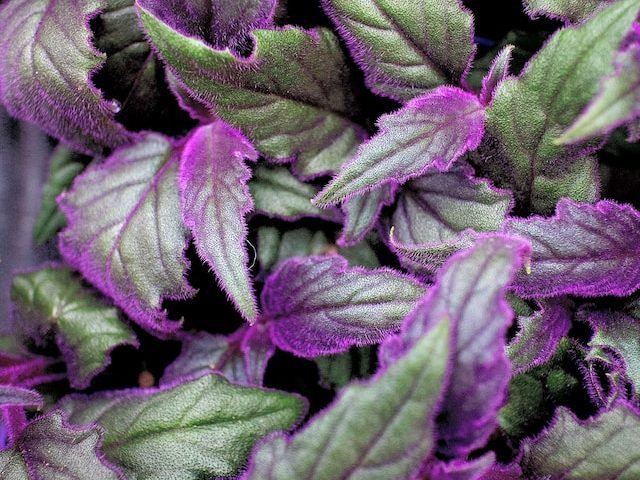
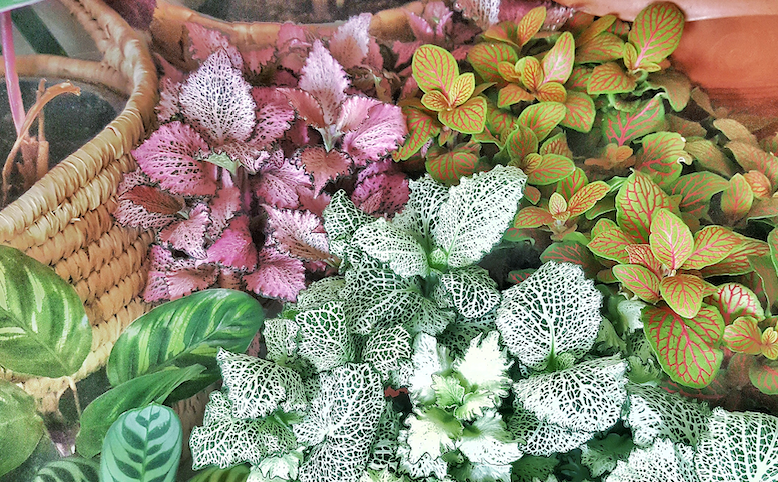
7. Fittonia

Popularly known as the “nerve plant” or “mosaic plant”, Fittonia plants are safe and simple to maintain. Here are the main reasons we included it on this list:

  • Non-toxicity: Fittonia poses no known threat to tortoises. This ensures that your green-shelled friends can explore the environment as they desire without us worrying about their safety.
  • Easy Care: Fittonia plants thrive in a variety of light conditions (except direct sunlight) and prefer a high humidity environment – which can mirror a tortoise’s habitat.
  • Aesthetic Appeal: With its striking veins and lush foliage, a well-placed Fittonia can enhance the look of your home.

8. Money Tree

One plant that you’ll likely find both visually appealing and easy to care for is the Money Tree, also known as Pachira Aquatica. Sporting a trunk plaited into an exotic braid and its lush, green foliage, the Money Tree is pretty unique!

And they are safe for tortoises so they can nibble on the leaves a bit without risking health issues.

  • Lighting: The Money Tree prefers bright indirect light but can tolerate some shade.
  • Watering: Water only when the top inch of the soil starts to dry out.
  • Size: Generally, a Money Tree can grow between 3 to 6 feet indoors, but you can control its height through occasional pruning.

9. Areca Palm

Areca Palms are non-toxic to tortoises and most pets in general. They’re noted for their attractive, singular stems that fan out into beautiful, soft leaflets, creating a refuge for your tortoise to snuggle under.

Additionally, they thrive in bright, indirect light and require moderate watering, making them easy to care for even if you’re not blessed with a green thumb.

Important: Remember to keep the soil of your Areca Palm moist but well-drained. It doesn’t appreciate waterlogged conditions. Use a pot with drainage holes or a layer of pebbles at the base to prevent water from standing in the pot.

10. Chinese Money Plant

Also known as the Pilea Peperomioides, the Chinese Money Plant serves as a beautiful and safe choice for any tortoise enriched environment.

The Chinese Money Plant gets its name from its flat, nearly pancake-like leaves that look like little green coins. It’s particularly rewarding to grow as it’s both easy to care for and readily propagates. So even if your tortoise takes a liking to it, there will always be a steady supply of new growth.

  • Water: Water when the top inch of soil feels dry, usually once a week.
  • Light: Prefers bright, indirect light but can also thrive under fluorescent lights.
  • Soil: An airy potting mix with drainage works best.
  • Growth Habit: Upright, reaching 12 inches height and width.

Calathea Varieties

In the world of tortoise-safe houseplants, one group that truly stands out is the Calathea varieties. These plants have earned their spot not just for their stunning foliage that can jazz up any space, but also for their non-toxicity.

11. Calathea Orbifolia

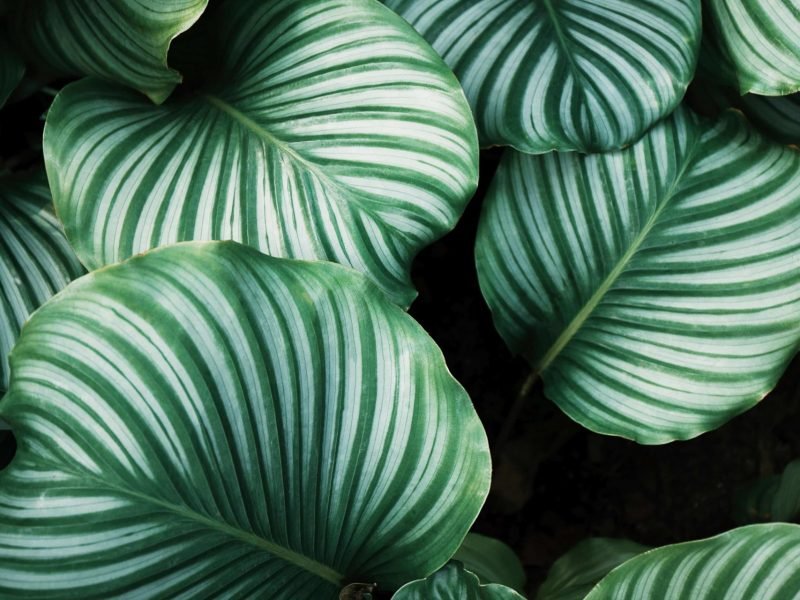
With lush, round leaves with distinctive silver bands, the Calathea Orbifolia is one of our favourite houseplants ever, so we’re buzzing that it’s also safe for tortoises. Not to mention its broad leaves provide a great canopy for your tortoise to take shelter from light and heat.

12. Calathea roseopicta

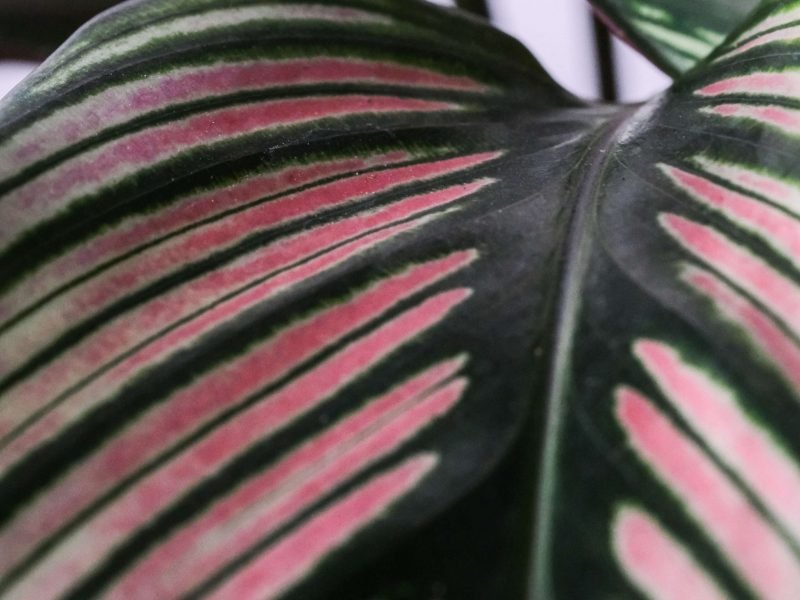
The Calathea Roseopicta is a visual treat with its purple and pink-toned leaves. Although we could fill out the rest of this list with tens of different tortoise-safe Calatheas, this one is definitely one of the most visually striking.

However, there’s a slight caveat you should know. While Calathea plants are generally easy to care for, they do have some special requirements. They’re quite fond of high humidity levels and would appreciate a spot with mild, indirect lighting.

Frequently Asked Questions

Are all houseplants safe for tortoises?

Not all houseplants are safe for tortoises. Many may contain toxins that could be harmful if ingested. Always research the plants you are considering for your home to ensure they pose no danger to your tortoise.

Above you’ll find a list of our favourite 12 houseplants that are completely safe for tortoises to be around and if they do nibble at them a bit, you don’t need to worry.

How can I prevent my tortoise from eating my houseplants?

tortoises might nibble on your houseplants, especially if they are on ground level. Safeguard your plants by elevating them or using a protective barrier. However, in case of accidental ingestion, try to fill your home exclusively with tortoise-safe plants that we have listed above.

What plants are toxic to tortoises?

Plants such as philodendrons, ivy, and peace lilies can be toxic to tortoises. It’s critical to avoid these and other toxic plants if you intend to keep your houseplants in a tortoise’s habitat.

Always research a plant type before bringing it home and around your tortoise.

Can tortoises live in an environment with houseplants?

Absolutely! tortoises can cohabitate with houseplants, in fact, it mimics their natural environment. Just ensure that the plants you choose are safe for tortoises in case they can reach a leaf and decide to take a nibble..

Do tortoises benefit from having plants in their habitat?

Yes, tortoises can indeed derive benefits from plants in their environment. Plants help to keep the air clean and improve the overall bioactive set-up of their enclosure. Plus, it can also provide a sense of security and hiding spots for your tortoise.

Fiddle and Thorn is a participant in the Amazon Services LLC Associates Program, an affiliate advertising program designed to provide a means for sites to earn advertising fees by advertising and linking to Amazon.com

Take our houseplant survey!

Quickly respond to our 30 second houseplant survey and get 75% off our Complete Houseplant Care eBook!

Take the Survey

No thanks…

Top 13 Almost Unkillable Houseplants

Last Updated: December 31, 2021

These houseplants are almost unkillable

If you aren’t the best at keeping your houseplants alive, or you maybe travel a lot and can’t be around all the time to tend to your plants, then this list is definitely for you. There are several plants that actually thrive from being neglected and will quickly die if they are given too much attention (in the form of water). So feel free to find a nice spot for these plants and then almost forget they exist.

*Note that these are still alive so will need some care and a little bit of water to keep them alive, so whilst they are hardy and low maintenance, it’s not totally impossible to kill them!

1

Snake Plant

Sansevieria Trifasciata

The bold and striking leaves of the Snake Plant make it stand out wherever you put it! Not only are they slow-growing, but they transcend upwards so are great for small spaces or that corner you never know what to do with. They have some of the sturdiest leaves or any houseplant, and their sharp leaf tips have given the plant the nickname of mother-in-laws-tongue!

When it comes to care, Snake Plant are super easy to look after, they can adapt to a range of light levels (are great low light plants), prefer dry soil and don’t need much attention in the way of misting or repotting etc. So if you want a low maintenance, sturdy houseplant that you can almost forget about, then the Snake Plant is your perfect match!

Find out more in our Snake Plant care guide.

2

Aloe Vera

Aloe Barbadensis Miller

Although Aloe Vera plants are commonly loved for their gel, they are much more than just their health and beauty benefits, as they make for a super minimalist and forgiving houseplant! Like most other succulents, Aloe Vera plants don’t need much tending to as they thrive in dry coarse potting mix. Too much water will very quickly cause a lot of problems for your Aloe but it is important that they get a good amount of bright light or will become quite straggly.

As they mature a little, you’ll see lots of little Aloe pups popping up which can be very easily removed from the mother plant and propagated! Aloe plants are super affordable and you can pick them up basically anywhere that sells plants, even supermarkets will often sell them in the summer months.

Find out more in our Aloe Vera care guide.

3

Chinese Evergreen

Aglaonema

If you find that you are often killing your houseplants and you can’t seem to figure out why, then we recommend the Chinese Evergreen. Native to South-East Asia, they are so hardy that they’ll grow and thrive in basically any home so it’s the perfect beginner plant. They are definitely one of the most unkillable plants, it would be a real achievement if you do manage!

Chinese Evergreens have incredible leaves, full of splashes of white, silver or pink depending on the particular variety. They are quite slow growing though (as most hardy plants are), so don’t expect a lot of new growth every year.

Find out more in our Chinese Evergreen care guide.

4

Jade Plant

Crassula ovata

Believed to bring luck, Jade Plants are one of the most popular succulent varieties. They are best known for their oval-shaped leaves and strong stems which become quite woody as they mature.

When it comes to caring for your Jade Plants, the top two things to remember is to give it a spot that gets ample sunshine throughout the day as well as making sure the potting mix has fully dried out before watering again as they are very sensitive to root rot if even slightly overwatered. Jade Plants are quite slow growers though, so even if the environment and care routine are perfect, they may only grow a few inches per year.

Find out more in our Jade Plant care guide.

5

Bunny Ears Cactus

Opuntia microdasys

If you’re looking for a low-maintenance houseplant that still gives the wow-factor, then look no further than the Bunny Ears Cactus. Loved for their flat pad-like leaves, and lack of long sharp spikes (they have fuzzy glochids instead which are still a little painful to touch), they are great for beginner plant parents and were a no brainer for the (almost) unkillable list!

Native to the Mexican desert plains, the Bunny Ears Cactus will thrive if you replicate the native conditions. They don’t need much water and will thrive in bright direct sunshine. This makes them the perfect plant for those sunny windowsills that are too bright for a lot of other houseplants.

These slow-growing houseplants can reach up to around half a metre but will grow to double that if given the right conditions outside. They do take a while to grow but are definitely worth the wait.

Find out more in our Bunny Ears Cactus care guide.

6

Dragon Tree

Dracaena draco

The Dragon Tree was actually our first ever houseplant and ignited our initial love for caring for indoor plants many years ago. Native to Madagascar, it’s a timeless plant that brings elegance and style to every room. They are also super easy to care for and are great at purifying the air which makes them a great plant for those with brown thumbs!

You’ll have a hard time trying to kill a Dragon Tree as they are pretty drought-tolerant and forgiving when it comes to light, temperature levels and humidity so it’ll adapt well to any spot in your home.

Although they can reach up to 6 metres in their natural outdoor habitat, they’ll only ever get to about 1.5/2 metres when grown indoors (and even this will take years and years) so you don’t need to worry about it getting too big to handle.

Find out more in our Dragon Tree care guide.

7

ZZ Plant

Zamioculcas zamiifolia

Also known as the Zanzibar Gem, the ZZ Plant is a great low-maintenance minimalist houseplant. Adored for their dark green glossy leaves, we recommend this one for those who’ve previously struggled to keep any plants alive, but also for anyone looking for something smart and stylish to spruce up their home. They are very adaptable and will deal well with some bright but indirect light, as well as shady dark corners of your home.

The ZZ Plant is quite slow-growing so you won’t see new stems popping out all of the time. It’s important to note that they grow bulb-like roots called rhizomes so will need quite a large pot to really thrive and grow. This also means they are drought tolerant as they store water in their rhizomes so great for any forgetful waterers out there…

Find out more in our ZZ Plant care guide.

8

English Ivy

Hedera helix

Although they are most commonly known as outdoor plants, you can very successfully grow an English Ivy indoors as long as you give it enough light. We are obsessed with the white variegated English Ivy but if not given enough sunshine, the new leaves will lose all of that variegation.

Included in the NASA Clean Air Study, the English Ivy is great at removing toxins from the air so we recommend having a few of these dotted around your home. They are also believed to sometimes be able to improve allergy symptoms so as well as looking lush, they have great benefits for us too. They are also super fast-growing plants which is unusual for such hardy, low maintenance plants, so you want to place them on a high shelf making sure they have enough space to cascade downwards.

Find out more in our English Ivy care guide.

9

Cast Iron Plant

Aspidistra elatior

The Cast Iron Plant is a fantastic, glossy houseplant that gives a real tropical feel to your space. On top of all of this, it couldn’t be easier to look after them and can take a good variety of conditions without issues. The hardiness is where they got their name from, because they are just that tough.

Cast Iron Plants are perfect for areas that don’t have quite as much light, and will happily continue to grow in a shady spot. If you provide a little extra humidity, using something like a spray bottle or humidifier, you can expect your Cast Iron Plant to really thrive but it’s not a necessity.

We definitely recommend these as a starter or beginner houseplant due to their ease of maintenance, but don’t be disheartened by the fact that they do grow quite slowly.

Find out more in our Cast Iron Plant care guide.

10

Lucky Bamboo

Dracaena sanderiana

Believed to bring good luck, the Lucky Bamboo is the ideal houseplant for those wanting to bring a little bit of greenery indoors, but who just don’t have the time or skill to give it much attention. The Lucky Bamboo thrives off being neglected and as long as they have enough sunlight and some warmth, they’ll happily live for a very long time. You can choose to grow them in either well-draining soil or a vase filled with water. The latter is great for forgetful waterers as there’s no risk of them drying out!

You can continue the gorgeous swirls on your Lucky Bamboo plants by simply rotating them every once in a while. The plant naturally grows towards the sunlight so you can use this to create the twists.

Find out more in our Lucky Bamboo care guide.

11

Ponytail Palm

Beaucarnea recurvata

This is a Palm with a personality of its own! The Ponytail Palm is adored for its long curly leaves which instantly bring the tropical beach vibes to your space!

Interestingly, the Ponytail Palm is neither a palm nor a tree, it’s actually a succulent which is why they are super low maintenance. All they need is a spot with ample light and warmth and they’ll be happy. They don’t need much water either as they are able to store it in their trunk. The only drawback of the Ponytail Palm is that it’s quite slow-growing so don’t expect it to be constantly growing new leaves.

Find out more in our Ponytail Palm care guide.

12

Inch Plant

Tradescantia zebrina

Also known as the Inch Plant, we haven’t yet come across a faster-growing or easier to propagate houseplant. Native to the tropics of Mexico and South America, these plants offer something different with their purple and silvery leaves that transcend out of the pot.

Growing these indoors helps keep their growth more contained whilst still giving that wilderness feel which we love. Caring for these plants is also super easy as all they need is ample light and moderate water. They are quite forgiving so will grow regardless of the care or environment most of the time.

These plants are great for hanging planters or when placed on shelving so you can really make the most of those incredible vines. They can be mildly toxic though so you’ll want to keep them away from pets.

Find out more in our Inch Plant care guide.

13

Yucca

Yucca elephantipes

A staple of many homes, the Yucca is one of the most popular houseplants and you’ll often see them around offices, shops and restaurants too! They’re super easy to care for so are perfect for all plant parents. They were very popular in the ’70s so are a great way to get a little bit of vintage style in your home.

As they mature, Yucca plants can grow about 2 metres in height so make it the perfect feature plant for your space. They are very slow-growing though so if you don’t have as much space, a smaller plant won’t outgrow the room very quickly.

They are very low maintenance and can adapt to most light levels, temperature and humidity levels but unfortunately, they are toxic to keep that in mind if you have pets or small children.

Find out more in our Yucca care guide.

Fiddle and Thorn is a participant in the Amazon Services LLC Associates Program, an affiliate advertising program designed to provide a means for sites to earn advertising fees by advertising and linking to Amazon.com

Take our houseplant survey!

Quickly respond to our 30 second houseplant survey and get 75% off our Complete Houseplant Care eBook!

Take the Survey

No thanks…

Top 5 low light houseplants

Last Updated: May 2, 2022

Not every home can look like it’s jumped right out of a Pinterest board. We don’t all have large windows which let in hours of lovely sunshine into our space, so sometimes we need to find plants that love low-light environments to bring a little life into the darker areas of our home. There are plenty of houseplants that don’t need much light but it is important that you pick the right ones, otherwise, they can die on you pretty quickly!

We have done the research and our top 5 low light plants are: snake plants, spider plants, arrowhead plants, ZZ plants and devil’s ivy.

Snake plants

Sansevieria trifasciata

The bold and striking leaves of the snake plant make it a centrepiece for every room. They are not demanding for space as they grow upwards, so fit nicely into any corner or on any shelf. Also known as a mother-in-laws-tongue because of the sturdy nature of its leaves, snake plants are low-light loving. They are fairly slow growers so don’t need a lot of sunlight to survive. They are also very low maintenance plants, they prefer slightly dry soil and don’t need much attention in the form of misting or regular repotting. So not only are they great for low-light but you don’t need to be a green thumb to keep this one alive.

Spider plants

Chlorophytum comosum

Spider plants are one of our favourite houseplants at Fiddle and Thorn because they are the gift that keeps on giving (they propagate like crazy!) They are basically unkillable and survive in most conditions. Although they might not grow as quickly in low light areas, spider plants will still flourish in darker corners. Just adjust your watering schedule slightly as when they are receiving less light they won’t require as much water. Low light shouldn’t stop your spider plant from growing little offshoots when it is mature enough, so soon you’ll have more spider plants than you know what to do with!

Arrowhead plants

Syngonium podophyllum

Given its name because of its arrow-shaped leaves, these are great plants for low-light areas of your home. Arrowhead plants come in all sorts of variegated forms, with unique green and white patterns. Just note that the all-green ones tend to be the best suited for low-light. Arrowhead plants will reward you with vine-like growth which you can easily snip off if the plant is getting too big. They are perfect to bring life into any slightly darker bedroom, bathroom or office space.

ZZ plant

Zamioculcas zamiifolia

Not only are these great for low-light areas, but they are also great for those who don’t have a fantastic track record for looking after their houseplants. They handle low light very well and require minimal watering as they are a fairly slow-growing plant. They are also favoured in office spaces as they cope well with fluorescent light, so they are perfect for all kinds of low-light spaces.

Devil’s ivy

Epipremnum aureum

These are pretty unique houseplants because they actually prefer low-light conditions over anything else! If you have a variegated type, they will actually start to lose their pattern if placed in too much sunlight. So you don’t need to feel guilty about putting a devil’s ivy in a dark spot because it will actually love you for it. They are also pretty hardy plants in terms of their other care requirements. They don’t need complicated watering schedules or specific pruning so are perfect for any new plant parents. You can’t really go wrong with these at all!

So those are our top picks for low-light houseplants. You will often find that the ones who deal well with low light, are also pretty easy to take care of overall. They require less water and don’t mind being left alone for a little bit. Make sure that you do keep an eye on your plants if you are moving them into a darker spot as it may take them a little bit of time to re-adjust and start growing again.

Complete Houseplant Care eBook

Our comprehensive (and rather good looking) eBook that will teach you everything you need to know to successfully care for, and maintain your houseplants!

Buy on

Fiddle and Thorn is a participant in the Amazon Services LLC Associates Program, an affiliate advertising program designed to provide a means for sites to earn advertising fees by advertising and linking to Amazon.com

Take our houseplant survey!

Quickly respond to our 30 second houseplant survey and get 75% off our Complete Houseplant Care eBook!

Take the Survey

No thanks…

Top 12 Pink Indoor Houseplants

Last Updated: December 31, 2021

One thing we love more than houseplants is finding unique, rare and interesting varieties. If you want to bring a little splash of colour into your home, then these 12 pink houseplants are the ones for you! Yes, they really do have pink leaves believe it or not.

1. Pink Polka Dot Plant

Polka Dot Plants come in all kinds of colours, from pink to green, white and red. We are obsessed with the pink speckled Polka Dot Plant as they aren’t a pain to look after and they can adapt to all kinds of light levels, even really shady corners of your home. These are the perfect houseplant for those looking for a little special something but don’t want a lot of faff to come with it!

Find out more about the Polka Dot plants in our care guide here.

2. Calathea Triostar

There are so many Calathea varieties that before you know it, your house will be completely full of them. There are a lot of Calatheas with interesting veined and patterned leaves but the Calathea Triostar has to be our favourite. With an incredible red leaf underside, the Triostar has splashes of green, white and pink on every leaf. They stand out in a crowd and are also safe for children and pets so you don’t need to worry about that.

Learn more in our complete Calathea Triostar care guide.

3. Moses-in-the-Cradle

This slightly rarer houseplant is an incredible find and is also a really low maintenance houseplant. It’s the perfect addition for those looking for something a little different but may not be looking for a challenging plant. The two things to note with the Moses-in-the-Cradle is that they need higher than average humidity levels (so you’ll need to mist it or buy a humidifier) and they are unfortunately toxic to humans and pets.

If you want to know more, check out our detailed guide here.

4. Pink Coleus Plant

If you’re looking for a houseplant with bright pink leaves, then look no further than this Coleus variety. There are hundreds of varieties of Coleus plants so you might need to look a little to find this bright pink one they are worth it in the end. They thrive in shadier spots and are one of the easiest plants to propagate so you won’t need to worry about gifts for friends and family for a while!

Check out our Coleus care guide for more!

5. Pink Air plant (Tillandsia Ionantha)

Similarly to Coleus plants, there are hundreds of different air plants which look very similar but have subtle differences. There are several varieties that have pink leaf ends, most notably the Tillandsia Ionantha which has striking bright pink leaves. As explained by the name, Air Plants are quite different from usual houseplants as they don’t need soil to grow in. Instead, misting and the occasional bath is enough for it to survive.

Find out more about caring for Air Plants in our care guide.

6. Pink Caladium

One houseplant type that’s definitely not boring is the Caladium. With their colourful heart-shaped leaves, Caladiums need high levels of humidity and moist soil. The strange thing about Caladiums is they drop most of their leaves during the dormant winter period. But don’t worry, they aren’t dead. Just continue to care for them and you’ll see plenty of new growth pink and colourful appearing in spring.

Learn all about Caladiums in our complete care guide

7. Pinstripe Calathea

The Calathea Ornata has incredible pink strips on its leaves (hence the name Pinstripe Calathea). The most important thing to remember when caring for these incredible plants is that they shouldn’t receive any harsh direct light. This can not only burn the leaves, but it will also fade the pink stripes.

Check out our Pinstripe Calathea care guide to learn more.

8. Crassula Marginalis

Easy to care for and great for plant beginners, the Crassula Marginalis comes in both a green and pink variety. The most important thing to know about this plant is that it’s a succulent so will need a lot of sunshine and not a lot of water. Overwatering is the number 1 killer of Crassula Marginalis plants so a moisture meter is a good buy to ensure your plant is happy. We love the way the plant spills out of the pot, cascading down the sides. Oh and it’s super easy to propagate too!

9. Philodendron Pink Princess

This is definitely the most expensive plant on our list, and one that’s quite rare to find. But if you’re willing to spend the cash, then the results are definitely worth it. With striking bright pink splashes, the Philodendron Pink Princess is the queen of all pink houseplants. If you are thinking of buying the Philodendron Pink Princess then you need to be a little careful. Recently the Pink Congo Plant has been popping up around the world, aiming to be the next ‘Instagram plant’. However, the Congo Plant is pretty much a scam. They are injected with chemicals to turn the leaves pink and they will usually go back to green just months after. So if you do want this striking pink plant, make sure it is a proper Philodendron Pink Princess.

10. Pink Nerve plant

Similarly to Polka Dot Plants, Nerve Plants also come in a range of colours, most notably the pink variety. They have become pretty popular over the last few years and we have seen them popping up in plant shops around the world. It’s easy to fall in love with their incredible pink foliage and veined leaves but know that these plants aren’t always the easiest to care for. Direct light will very quickly wilt your plant and they need high humidity otherwise they’ll dry out very quickly. But if you can get the care routine down, these plants are definitely worth it.

Learn more about caring for your plant in our Nerve Plant care guide

11. Pink Chinese Evergreen

If you find that you are often killing your houseplants and you can’t seem to figure out why, then the pink variety of the Chinese Evergreen plant is the one for you. They are so hardy that they’ll thrive in any home so we recommend these a lot to plant beginners who are looking for something beyond the standard plants.

Check out our Chinese Evergreen care guide to find out more!

12. Calathea Whitestar

Although their name doesn’t suggest it, the Calathea Whitestar actually has a very pink tint to the leaves and is one of our favourite pink houseplants. Some Whitestar plants will have very pale leaves with a white/green tinge but more often than not the stripes will actually appear pink. Another great thing about the Calathea Whitestar is that it’s an air purifier so will actually help you get a good nights sleep. What’s not to love!

So those are our top 12 pink foliage houseplants! There are a mixture of plants that are easy to care for, and others that are either a little tricky to keep happy or difficult to get a hold of. It can become a little boring to just have solid green plants in your home so these are a great way to bring a splash of colour into your home and own something a little quirky!

Fiddle and Thorn is a participant in the Amazon Services LLC Associates Program, an affiliate advertising program designed to provide a means for sites to earn advertising fees by advertising and linking to Amazon.com

Take our houseplant survey!

Quickly respond to our 30 second houseplant survey and get 75% off our Complete Houseplant Care eBook!

Take the Survey

No thanks…

These Plants should be on your Houseplant Wish List

Last Updated: April 1, 2022

The ‘Wish List Plants’ to add to your Collection

If you’re looking for new plants to add to your home, then look no further than this list. It can be quite overwhelming to stand in a plant shop and you end up just wanting to buy them all and often leave with nothing.

With the rise of houseplant popularity, we are seeing a lot more rare and unique plants being available in plant shops globally which makes the choice even more difficult. Below we have curated the best plant wish list right now as well as given a little bit of info and care advice to help you decide which plants are great for your space.

1

Calathea Orbifolia

Calathea Orbifolia

With their striking green and silver striped leaves, the Calathea Obifolia is the perfect plant for those looking for a little something different as they transport you straight to the tropics! There are a few things to look out for when caring for a Calathea Obifolia, firstly, avoid direct sunshine as this will burn their beautiful leaves. They also like some moisture in the soil but hate sitting in soggy soil, so finding the right balance is key.

Another thing we love about Calathea Obifolia plants is that they are safe for pets and humans, so you don’t need to worry about bringing them into your home. Although it was once slightly rare, you should now be able to get your hands on one of these pretty easily in nurseries and larger plant shops around the world.

Find out more in our Calathea Orbifolia care guide.

2

Fishbone Cactus

Epiphyllum anguliger

Their flat zig-zag leaves make the Fishbone Cactus something really special and they are taking up a well-deserved spot on this wish list. And they aren’t even super difficult to care for which is a bonus. It’s important to note that the Fishbone Cactus is actually native to the jungles of Mexico rather than a desert. This means the care is slightly different to what you’d expect when you hear the word Cactus. They need a little bit more water and can only deal with some direct sunshine each day.

You’ll be pleased to hear that they are also really easy to propagate and are non-toxic too! The only downside is that they can be a little bit difficult to find but we hope as they continue to grow in popularity that they’ll soon be in every plant shop across the world.

Find out more in our Fishbone Cactus care guide.

3

African Mask Plant

Alocasia amazonica

We just couldn’t not include this one in our houseplant wish list! If there is one plant that has risen up the popularity ranks recently, it’s the African Mask Plant! You can now buy these at basically every plant shop, market and superstore globally as they are definitely the most popular of the Alocasia family. And we totally understand why they have become so popular, their intense glossy shield-like leaves are adorned with strong white veins which really make them something special.

They aren’t a great plant for beginners, however, as they do require decent light levels, as well as warm temperatures and a consistent high humidity level. Misting this plant is really crucial or it’ll start to develop some issues.

If in the right environment, your African Mask Plant can grow well above 1 metre but this will take many years as they don’t produce that many new leaves each year. This is why it’s crucial you take good care of the leaves your plant does have by regularly dusting and inspecting for issues.

Find out more in our African Mask Plant care guide.

4

Burro’s Tail

Sedum morganianum

This is definitely a succulent worth hunting down. Also known as the Donkey’s Tail Plant, these striking succulents are loved for their delicate leaves that dramatically cascade out of the pot. Native to Mexico and Honduras, they are forgiving to the forgetful waterer as they store water in their leaves (this also makes them quite sensitive to overwatering so be mindful about that) and just need a nice warm sunny spot to be happy!

Their easy care routine does come at a cost, however, as the Burro’s Tail grows pretty slowly throughout the year. Their stems can often reach around 20-25 inches but it’s really important to handle the Burros Tail plant carefully as the stems break off with just the slightest touch. Luckily they enjoy being root-bound so you shouldn’t have to repot it very often and you can really easily propagate any stems or leaves that fall off. They are also non-toxic so great for homes with small children or furry friends.

Find out more in our Burro’s Tail care guide.

5

Alocasia Dragon Scale

Alocasia baginda

Although once a very rare houseplant, you’ll now find these popping up a little more and we are obsessed with their giant textured and deep veined leaves. The patterned leaves look like dragon scales which explains the name! The leaves are tough and have a hard top which is quite unique for indoor plants which is why it’s got a place on our wish list!

Native to the tropical forests of Borneo, this houseplant looks daunting to care for but it’s actually pretty simple. Avoid putting them on super bright windowsills as this can damage the leaves and a boost to the humidity will go a long way. Out of all the Alocasia varieties, this is definitely one of the least fussy plants so even less experienced plant parents can enjoy these fairytale leaves.

Find out more in our Alocasia Dragon Scale care guide.

6

Marble Queen Pothos

Epipremnum Pinnatum

There are so many different varieties of Pothos plants, all with slightly different leaf variegation but the Marble Queen is definitely one of our favourites and should be on everyone’s wish list. Getting its name from the cream marble-like variegation on its leaves, it’s an easy-going, hardy and low light loving plant that can adapt to most spots in your home.

The Marble Queen Pothos is a pretty fast-growing plant so make sure you have enough space for it to mature. You can choose to grow them as trailing plants with long cascading vines or vertically by attaching them to a moss pole. Pothos plants are unfortunately toxic so you’ll want to keep them away from pets and small children who might try and nibble on the low hanging leaves.

Find out more in our Marble Queen Pothos care guide.

7

Moses in the Cradle

Tradescantia spathacea

This slightly rarer houseplant is an incredible find and is also a really low maintenance houseplant. It’s the perfect addition for those looking for something a little different but may not be looking for a challenging plant. It gets its name from the small white flowers that grow in small boat-shaped bracts nestled in the leaves.

There are a few things to note before deciding that the Moses-in-the-Cradle is the plant for you. Firstly, they love a higher humidity level so it’s important that you mist your plant a few times a week, or buy a humidifier that will keep a consistent level. Moses-in-the-Cradle plants are also toxic to humans and pets so keep them away from those who might be tempted to nibble on their incredible pink leaves.

Find out more in our Moses in the Cradle care guide.

8

Polka Dot Begonia

Begonia maculata

If you’re looking for a new plant that’s stunning but not fussy, then listen up! With their unique angel-shaped dotted leaves, the Polka Dot Begonia is a fairly easy plant to care for once you know what to do with them. Bright, indirect light and consistent watering (making sure not to let it dry out) will keep your Polka Dot Begonia happy. When all of their needs are met, they can grow quite quickly and will likely need repotting every year.

It’s worth noting that they do like slightly higher humidity levels, but this shouldn’t be maintained by misting as water collecting on the leaves can cause damage. Instead, we’d recommend placing them somewhere naturally humid or using a humidifier/pebble tray to supplement.

Find out more in our Polka Dot Begonia care guide.

9

Staghorn Fern

Platycerium

Named after their antler-like leaves, the Staghorn Fern can make an interesting houseplant to add to your collection. Once the leaves have started to grow long enough and the plant has matured, they can also be used as a hanging plant – making them a little more versatile.

They are an epiphytic plant, meaning that they normally grow on other plants. So once matured they should be mounted to a board or hung up to keep them happy and growing. Due to their slightly more complex watering and light requirements, we wouldn’t recommend them as a starter plant, but plant parents with a some more experience should definitely give them a try!

Find out more in our Staghorn Fern care guide.

10

Watermelon Peperomia

Peperomia argyreia

There aren’t really many leaves that are more beautiful and striking than those of the Watermelon Peperomia. It’s not difficult to know where they got their name from, as their silvery stripes steal the hearts of plant parents everywhere, us included!

They are quite a delicate plant though, as their large heavy leaves are held up by relatively weak stems so be prepared to lose a few leaves here and there. Another thing to be prepared for when owning this plant is all of your friends wanting a cutting, but luckily this plant is super easy to propagate so no problems there!

Native to South Africa, the Watermelon Peperomia prefers mid-light levels, as they are used to the dappled conditions of the jungle floor. Oh, and as they are a semi-succulent, it’s important you don’t water this one too much or the stems can give up and the whole plant will droop and wilt.

Find out more in our Watermelon Peperomia care guide.

Fiddle and Thorn is a participant in the Amazon Services LLC Associates Program, an affiliate advertising program designed to provide a means for sites to earn advertising fees by advertising and linking to Amazon.com

Take our houseplant survey!

Quickly respond to our 30 second houseplant survey and get 75% off our Complete Houseplant Care eBook!

Take the Survey

No thanks…