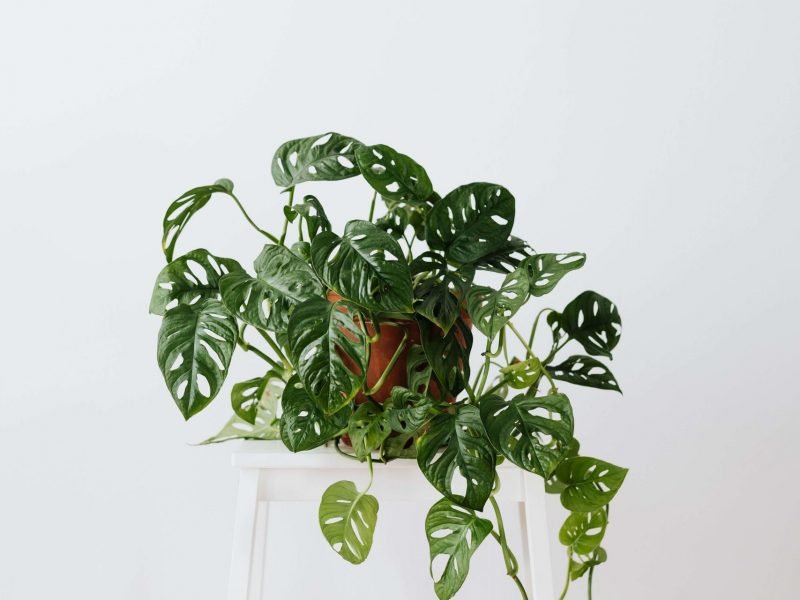
Why does my Polka Dot Plant have curling leaves?

Last Updated: October 6, 2022

Loved for their unique speckled and dotted leaves, the Polka Dot Plant needs quite a specific environment to thrive. This is why curling leaves can be quite a common ailment with these types of plants. However, if you’ve noticed this happening to your Polka Dot Plant then don’t fret as you have come to the right place.

In this article, we will go through each of the most common reasons why Polka Dot Plants develop curling leaves. We will also guide you through how to make the right diagnosis, treat the issue and also how to prevent it from causing more damage to your plant in future.

Underwatering can often cause curling leaves

Curling leaves is one of the earliest signs of underwatering as this is a mechanism that your plant uses to reduce moisture loss. However, if the problem has advanced over the past few weeks and months then you might also spot brown dry leaves, drooping stems and maybe a few of those crispy leaves falling off your plant completely.

Polka Dot Plants like it if their soil has the chance to dry out between waterings but they definitely aren’t drought tolerant.

If you think your Polka Dot Plant has been underwatered and this is causing the curling leaves then check the soil before you change anything! You want to make sure the soil definitely is dry before giving it more water as otherwise, overwatering your plant can cause more issues than the curling leaves.

As well as dry soil we also recommend inspecting the root system as underwatering can cause the root system to become quite crispy and dry. This suggests the issue has been going on for a whilst so it may take a little longer for your plant to bounce back.

Your first reaction to an underwatered Polka Dot Plant might be to drown it in water to make up for lost time. However, plants can be a little like humans in some ways and can become quite shocked by a sudden and dramatic change in their environment. This means that we need to slowly reintroduce water over the course of about a week. As well as preventing shock, this can also ensure the soil becomes moist, rather than all the water running straight through and out of the bottom of the pot. This can happen if you top water very dry soil.

To prevent underwatering from causing any more issues beyond curling leaves, make sure to monitor how dry the soil is getting and adjust your watering schedule accordingly. You also want to make sure you are changing how much you water throughout the year as your plant will need more water in the hotter and sunnier months of the year.

Overwatering can also cause issues for your Polka Dot Plant

As with underwatering, too much water can also be very harmful to your Polka Dot Plant and can cause curling leaves and other problems very quickly. Consistent overwatering will mean that the roots start to rot and become soft and damaged. This stops them from being able to deliver water and vital nutrients to the plant which causes the leaves to curl. This can also cause droopy stems and discolouring of the leaves so look out for those signs too.

To confirm if too much moisture is definitely the cause of your plant’s curling leaves, check how soggy the soil is. If it is waterlogged then replace it with fresh potting mix to allow your plant and its roots to recover.

It’s also a good idea to cut away any rotten roots so that your Polka Dot Plant can focus on growing new healthy growth and doesn’t waste any energy trying to keep the dying or dead roots alive.

To prevent the issue from causing more harm to your Polka Dot Plant in future, make sure to let the soil dully dry out between waterings. How long this will take will depend on a lot of other factors such as sunlight level, pot size, temperature and time of year. This is why a mixed schedule won’t work so well for your plant so it’s important that you track the moisture in the soil to figure out when to water.

Curling leaves can indicate too much direct sunlight

Polka Dot Plants really don’t like much direct sunlight in summer as it can scorch their incredible (but delicate) leaves. But even before it’s caused irreversible damage such as brown or yellow patches, too much light can cause curling leaves.

The reason for this is twofold. Firstly, the hot direct sunlight can dry out the leaves and cause them to curl as a result. Secondly, sometimes plants actually curl up their leaves to protect themselves against the sun by reducing the surface area. This shows up as leaves curling inwards rather than outwards.

More often than not the curling leaves are totally reversible and placing your Polka Dot Plant in a slightly shadier spot will see the leaves start to uncurl in a few days.

Extreme temperatures might be to blame

Extreme temperatures and drafts can also be very harmful to your Polka Dot Plant as they thrive in warm environments and this can definitely be causing curling leaves. Make sure your plant is not placed near doors or windows that may be drafty. Even though the temperature of your home may be perfect for your Polka Dot Plant and it is receiving a lot of sunlight, the drafts coming in from the outside may be colder and harm your plant’s health.

To diagnose the issue (and keep track of it in future) we recommend picking up a digital thermometer to check the temperature across the day and night in various spots in your home. This will make sure that you don’t place your Polka Dot Plant too close to windows or in places where the temperature really drops at night. They are super affordable and the benefits are definitely worthwhile! They’ll help prevent any more curling leaves on your Polka Dot Plant as well as other issues such as stunted growth and environment shock.

Curling leaves can also be caused by low humidity

If the air in your home is quite dry, then this can over time cause some serious issues for your Polka Dot Plant, notably curling leaves. Other signs of low humidity are brown leaf tips and droopy stems.

You’ll be happy to know that raising the humidity level is easy and there are many free or cheap methods to do this. The main one we recommend for Polka Dot Plant is misting as this is a great way to instantly boost the humidity. It’s best to do this mid-morning if possible so that the water droplets have time to evaporate throughout the day before it gets cold at night. Cold and damp leaves are the perfect mix for leaf rot so be careful of this.

Another method to boost the humidity is using a pebble tray. This allows the water to evaporate around your plant throughout the day and is a slightly more long-term solution to misting.

However, if you are really struggling to increase the humidity for your Polka Dot Plant then a humidifier is the most reliable way if you’re after a long-term solution.

Those are the most common reasons why Polka Dot Plants develop curling leaves. It’s vital that once you have made any adjustments to either how you are caring for your plant or environmental changes that you keep your plant under close inspection over the next few weeks. This way you can ensure that things are progressing in a positive way and that there aren’t any other issues cropping up that may have gone undiagnosed (or suggest that you haven’t yet quite figured out what the cause of the curling leaves is).

Check out our detailed Polka Dot Plant care guide to find out more about how to keep your plant happy and healthy!

Fiddle and Thorn is a participant in the Amazon Services LLC Associates Program, an affiliate advertising program designed to provide a means for sites to earn advertising fees by advertising and linking to Amazon.com

Take our houseplant survey!

Quickly respond to our 30 second houseplant survey and get 75% off our Complete Houseplant Care eBook!

Take the Survey

No thanks…

Why Does My Pinstripe Calathea Have Brown Leaves?

Last Updated: May 25, 2023

Healthy Pinstripe Calathea Leaves

Healthy Pinstripe Calathea Leaves

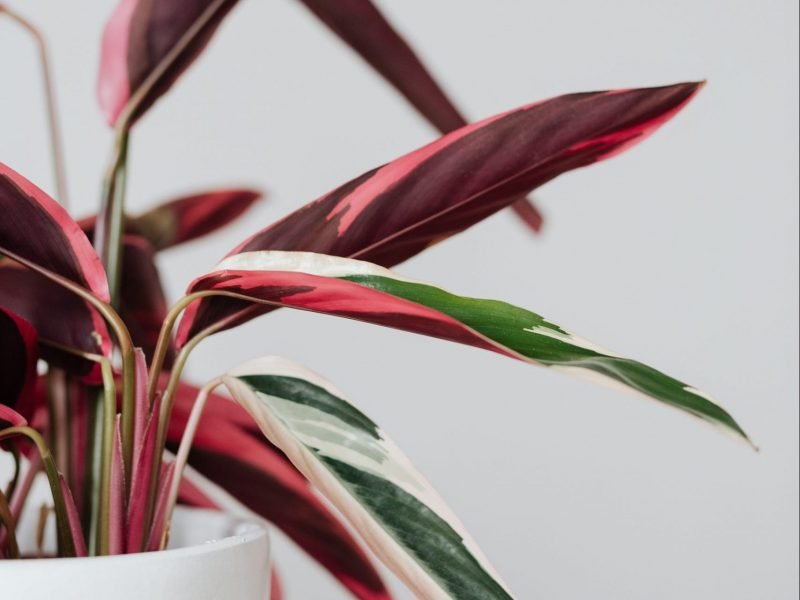
We are obsessed with the Pinstripe Calathea right now, their incredible pink-striped leaves make them stand out in any urban jungle.

We are obsessed with the Pinstripe Calathea right now, their incredible pink-striped leaves make them stand out in any urban jungle. But it can be devastating when you realise that your plant has developed brown leaves. As long as you’ve caught the problem early enough, there are several methods you can try to bring your plant back to full health.

What causes Brown Leaves on Pinstripe Calathea Plants

A common cause is consistent underwatering

Whilst your plant will forgive you for the occasional lack of water, if the problem persists, your Pinstripe Calathea will most likely develop brown patches. These will show up as light brown, crispy and very dry and occur throughout the leaf, rather than the just tip.

Before you start pouring a bucket of water over your Pinstripe Calathea to make up for lost time, it’s important that you’re 100% sure it’s the cause of the brown leaves.

The best way to do this is to take your plant out of its pot and feel how dry the potting mix is. If your Pinstripe Calathea is underwatered, the potting mix will be dry and crumbly and the roots may look crispy. Dry crispy roots would indicate that the issue has been going on for quite some time so you may need a little patience to fully revive it.

Alongside brown leaves, an underwatered Pinstripe Calathea will also look quite droopy and sad so this can be another way to help you diagnose the problem correctly.

Lack of humidity can also cause brown leaves

If your Pinstripe Calathea is turning brown from the tips or edges inwards, then it is most likely caused by a lack of humidity. Dry air means your Calathea will transpire a lot more, which is when it loses moisture through the leaves.

This can cause the tips and edges to dry out and become brown. This tends to be more common over winter as central heating and a lack of ventilation will lead to particularly dry air.

The only way to really diagnose dry air as the cause of the brown leaves on your Pinstripe Calathea is by using a humidity monitor. A lot of digital thermometers will also give you this information so getting a combination device is a good investment. These will help you track fluctuations in humidity and you’ll be able to know when it needs a boost.

You can find out more about solving the issue of dry air later on in this post.

Brown leaves can indicate water sensitivity issues

Although this is a slightly rarer problem, it can happen that the brown leaves on your Pinstripe Calathea are caused by too much fluoride in the tap water.

If you live in a hard water area, you might want to use rainwater or distilled water to avoid this sensitivity. Over time, too much fluoride, chlorine, salts and minerals can build up in the potting soil and prevent the roots from taking up the needed oxygen. This can cause brown tips and edges on your Pinstripe Calathea but rarely much more than that.

Water sensitivity issues can be quite hard to diagnose as there aren’t that many other visible signs other than brown foliage. However, it’s a very slow-progressing issue and won’t cause problems from one day to another, but rather over the course of months. Monitor how quickly your plant is developing brown leaves to help you diagnose the issue.

If you don’t feel like investing in a water-purifying system to solve the issues with your Pinstripe Calathea (we don’t blame you as they are very very expensive) then you can leave your watering can out for a day. The chemicals will then evaporate from the water. You can also use collected rainwater to avoid giving your plant chemicals from your treated tap water.

Brown leaves can be a sign of sunburn

If your Pinstripe Calathea is receiving several hours of intense direct sunlight in summer, then it’s likely that any brown spots or patches on the leaves are a result of this. Whilst they can deal with some bright light, direct rays can burn the leaves.

This is mostly an issue in summer though as the sun is a lot weaker in winter and isn’t out for as much of the day.

Sunburn will usually show up as brown and yellow patches across the side of the plant that is facing the window. However, it can also cause brown patches across your plant because more sunlight means a hotter environment which will dry out the leaves quickly.

Brown leaves can also be a sign of natural ageing

As your Pinstripe Calathea matures, it may occasionally lose a lower leaf as a natural sign of ageing. This is because it is using the energy to create new healthy and bigger growth. Before a leaf falls off, it will start to turn brown or yellow.

This is totally normal and you shouldn’t worry so long as the rate is quite slow. Keep track of how many leaves are going brown on your Pinstripe Calathea and as long as it’s only a few per year, this is totally fine.

As a rule, your Pinstripe Calathea should never lose more leaves due to natural ageing than new leaves its producing. Monitoring this can help you determine if the rate of browning is accelerating at all (which would suggest it’s something else).

Another thing to be aware of is that usually, your Calathea will lose its smallest and lowest leaves as it ages. So if your plant is developing brown patches across lots of different leaves throughout your plant, then it’s likely something to be concerned about.

If you think your Pinstripe Calathea is losing too many brown leaves, double-check the environment around your plant as it could be a sign of one of the issues we have covered above.

Large Pinstripe Calathea Plants

Pinstripe calathea leaves on a black background

How to Treat and Prevent Brown Leaves on a Pinstripe Calathea

Treating an underwatered Pinstripe Calathea

Instead of drowning your plant in hopes that it will start to take in water, it’s important that you slowly reintroduce moisture to your plant. If you go from one extreme to the next, it will cause your Pinstripe Calathea to go into shock and this will just make the problem worse.

Instead, water your plant a little bit once a day for about a week and you should see your plant perk up a little. Whilst the brown leaves won’t all of a sudden turn back green, this should stop any more from occurring. Another way that you can solve the issue is by bathing your plant for a few minutes. This will allow the root system to absorb as much water as it needs to, without becoming waterlogged all of a sudden.

To stop the problem from happening again, we recommend buying a moisture meter. These are really affordable little devices that indicate how much moisture is in the potting mix. So gone are the days of guessing when to water. These will help you avoid underwatering (as well as overwatering and root rot) which should help prevent brown leaves on your Pinstripe Calathea in future.

Keep up a nice humid environment

If dry air is causing brown leaf tips, spots or edges on your Pinstripe Calathea then this is a pretty easy problem to solve as there are so many solutions. Here are just a few ways you can boost the humidity for your plant.

Misting the Leaves

Misting your Pinstripe Calathea is one of the easiest ways to give the humidity level a bit of a boost and prevent any brown leaves. The best way to do this is by using a spray bottle and misting the leaves about 3 or 4 times a week. (We love these amber glass ones from Amazon).

Top tip: It’s important that you mist the leaves in the morning. This gives enough time for the water droplets to evaporate before the evening. If the leaves of your Pinstripe Calathea are still moist as the temperatures drop at night, they are a lot more likely to rot which causes a whole other issue.

Plant Placement

Your Pinstripe Calathea might not be in the best place and you might want to consider moving your plant to a slightly more humid spot to avoid any more brown leaves.

If you’ve got a good enough level of natural light in your kitchen or bathroom then we recommend placing your Pinstripe Calathea in there. The humidity level in those rooms is usually slightly higher because of steam from showering and cooking.

This will help to prevent brown leaves and leaf tips on your Pinstripe Calathea. Just make sure not to put your plant too close to the cooker or it might burn the leaves…

Buy a Humidifier

Every plant parent should own a humidifier because they make keeping a nice stable humidity level a total breeze! They are also great for many of your other tropical houseplants to ensure they get enough humidity during winter, which goes a long way toward stopping any brown leaves from developing.

Oh and they’re super affordable and help with our sleep so what’s not to love!

We always recommend this humidifier from Amazon as a great place to start.

If you want to learn more about how to raise the humidity for your Pinstripe Calathea and other houseplants then check out our complete guide to humidity.

Monitor changes in the environment

The best way to prevent brown leaves is to spot any changes in your plant’s environment early. Monitoring factors such as temperature and light level can help you figure out if you need to relocate your plant throughout the year.

A placement that might be perfect for your plant in winter might receive too much intense direct sunlight in winter, causing brown spots and other issues.

You also want to make sure that you are monitoring temperature and humidity levels throughout the day and night. We have a thermometer/humidity monitor in one that will also provide us with the hottest and coldest figures from the past 24 hours.

This allows us to see how the environment changes overnight and the periods in which we aren’t at home. A lot of the time you may find that hotspots form around midday next to the windows but then the temperature will really drop overnight and there is a cold draft coming in. This fluctuation can be quite damaging not only to Calathea plants but also a lot of houseplant types so you want to keep them away from this.


So those are the most common reasons why Pinstripe Calathea plants can start to develop brown leaves, tips or patches. As long as the problem is caught fairly early, it shouldn’t be a death sentence for your plant and there’s no reason why you can’t get it back to full health with a bit of TLC. This is why we strongly recommend that you give your Pinstripe Calathea (and all other houseplants) a thorough check-up about once a month. This will allow you to spot any early warning signs that something isn’t right, before it’s causing too much damage to your plant.

Alongside this, you should be checking the root system about once a year, when you repot your plant. This will allow you to assess the health of the root system and trim away any dead parts so that it can regenerate.

If you want to find out more about caring for your plant, as well as how to diagnose and fix other common issues, check out our Pinstripe Calathea care guide.

Fiddle and Thorn is a participant in the Amazon Services LLC Associates Program, an affiliate advertising program designed to provide a means for sites to earn advertising fees by advertising and linking to Amazon.com

Take our houseplant survey!

Quickly respond to our 30 second houseplant survey and get 75% off our Complete Houseplant Care eBook!

Take the Survey

No thanks…

Why does my Pilea have yellow leaves? Causes and Solutions

Last Updated: June 5, 2022

Pilea plants are one of the most popular houseplants and not just because they propagate so easily!! With their unique coin-shaped leaves, they look great in every home. But what does it mean if you Pilea starts to develop yellow leaves? Well here are the most common causes so you can hopefully diagnose the issue immediately.

Overwatering can cause yellow Pilea leaves

If the leaves on your Pilea have turned yellow you are most probably overwatering. This is one of the main problems plant parents face with all houseplants because it can often be difficult to know exactly how much water to give them.

Pilea plants don’t like to be sitting in soggy soil for too long as this can lead to root rot. Your Pilea then won’t be able to take up water or nutrients from the soil and the plant will start to become unstable and die.

If you think that your plant may be overwatered, check the moisture in the soil immediately and adjust watering accordingly. Waterlogged soil also gives off quite a damp, musty smell so make sure to check this every so often too.

As well as reducing the amount that you are watering, we also recommend replacing the potting soil straight away (rather than waiting for it to naturally dry out). This will mean the root system can start to recover straight away. At the same time as switching out the potting mix, trim away the rotten roots so that your plant can focus on producing new healthy growth.

Yellow Pilea leaves can indicate a lack of drainage

If you find that your Pilea’s soil is waterlogged but you aren’t watering it very often, drainage in the pot might be what is causing the yellow leaves. This is super easy to fix though as you can add perlite to the soil which aids not only drainage but aeration in the soil. Another easy step is to add a few small stones or pebbles to the bottom of your pots, this makes sure that the drainage holes don’t get blocked by clumps of soil.

Another great way is to swap all of your pots for terracotta ones. When you first buy a plant you will most likely get it in a plastic pot. These are great for plant shops and nurseries as they are lightweight, cheap and unbreakable. However, they retain every single drop of moisture. Terracotta ones, however, are permeable meaning moisture can escape out of the side and will prevent the soil from getting too soggy. They are definitely worth the extra money!

Leaf burn might be causing the yellow leaves

Lighting is also a really important factor to consider when caring for your Pilea. If the leaves are getting too much direct sunlight they will start to burn and you will notice yellow patches starting to develop. This is due to the intense sunlight scorching the leaves.

If this has happened to your Pilea then move it to a slightly shadier spot in the room. They like bright light but it has to be indirect. We recommend removing the scorched leaves from the plant to encourage new healthy growth (and it looks better too!).

Yellow Pilea leaves can also be caused by pests

Whilst rarer than some of the other problems, your Pilea’s leaves may be turning yellow due to a pest infestation. If you notice yellow spots forming on the leaves then it is most likely due to aphids. They usually like to hang out on the undersides of leaves which make then a little trickier to spot unless you are looking for them.

To treat aphids, spray your plant with Neem oil daily for a week. We also recommend removing the worst affected leaves to try to control the problem.

Watch out for a potassium deficiency

If your Pilea has developed yellow patches on the leaves but is not getting any direct sunlight which could be scorching them, then it may be due to a lack of potassium. It can be a little difficult to know this is definitely the problem so look over the other causes before treating this.

To treat a potassium deficiency we recommend treating with a fertiliser that is high in potassium. It won’t harm your Pilea if it technically doesn’t need it so it’s worth giving it a go if you can’t find another cause.

Natural ageing can cause the odd yellow Pilea leaf

If you have gone through all of the above but none of the causes really match what is happening with your Pilea then it may just be down to natural ageing. Over the years most of your houseplants will naturally lose a few leaves as they try to produce bigger growth. These leaves will first turn yellow before dropping off your plant.

Make sure to keep an eye on how many yellow leaves are developing and falling off. If it is only a few a year then it’s nearly always nothing to worry about. However, if the rate of yellowing increases then there may be a hidden cause. In this case, check over the other causes above to see what is wrong.

Those are the most common causes which will indicate why your Pilea has yellow leaves. If you want to find out more about how to properly care for your plant then check out our Pilea care guide. We also have a downloadable ebook with all the information you’ll need to grow healthy and happy houseplants.

Complete Houseplant Care eBook

Our comprehensive (and rather good looking) eBook that will teach you everything you need to know to successfully care for, and maintain your houseplants!

Buy on

Fiddle and Thorn is a participant in the Amazon Services LLC Associates Program, an affiliate advertising program designed to provide a means for sites to earn advertising fees by advertising and linking to Amazon.com

Take our houseplant survey!

Quickly respond to our 30 second houseplant survey and get 75% off our Complete Houseplant Care eBook!

Take the Survey

No thanks…

Why does my Pilea have brown leaves?

Last Updated: April 1, 2022

We have been there too – that dreaded moment when you realise that your Pilea has started to develop brown leaves. It can be pretty annoying if you have really tried super hard to care for your Pilea and are now worried that it is dying a slow death. However, don’t fear as if you have caught the problem early, will a little TLC you should be able to get your Pilea back to full health, with no brown leaves in sight.

Below we have outlined the 3 most common causes of brown leaves on a Pilea plant. We recommend going through the issues one by one eliminating them as you go before making any changes to your care routine or your Pilea’s environment.

Overwatering can cause brown leaves

Let’s start with the most common reason first – too much water. Although your Pilea doesn’t like to have really dry soil, over time consistent overwatering will lead to root rot. This means that the plant isn’t able to get all the nutrients it needs and becomes unstable, droopy and the leaves will begin to turn brown. If the leaves on your Pilea start to develop brown spots and the edges become brown too, then overwatering is most often the cause.

To figure out if overwatering is definitely the cause of your Pilea’s brown leaves, check the moisture levels in the soil. If you find the potting mix is waterlogged and clumpy then replace it with fresh dry mix straight away rather than letting it dry naturally. This means the plant can start to recover and prevents any further stress on the roots.

It is best to trim off the damaged roots so that your Pilea can focus on new healthy growth rather than wasting energy trying to revive the dying roots. Your Pilea may take a few weeks to get back to regular health and green growth because the root system has been damaged. Be patient though as after a while your Pilea will recover.

Top tip: waterlogged soil can give off a damp, musty smell so get up close to your Pilea and other houseplants every once in a while as it’s a super easy way to check if something seems wrong.

Brown leaves can indicate over-fertilisation

Another cause of brown Pilea leaves is too much fertiliser/ plant food. We recommend fertilising your Pilea with a water-soluble feed, making sure that you dilute it more than it says on the bottle. You should be fertilising your Pilea once a month during spring and summer and not at all during the colder darker months. This is because during winter your Pilea will go dormant and won’t be producing any new growth.

If you are fertilising more often than this, or at the full recommended strength, then this may be causing your Pilea to develop brown leaves. If you think this is the case then replace the potting mix and hold off on the fertiliser for a few months (and reduce it when you do reintroduce plant feed). The other alternative is to not fertilise your Pilea at all. We don’t always and it doesn’t do any harm. It’s kind of an added extra sometimes.

Pests can result in brown spots

Another rarer cause of brown Pilea leaves is a pest infestation. Insects such as mealybugs or spider mites can take hold of the plant and suck on their nutrients. This will cause the leaves to turn brown and sometimes develop small holes. Over time, these damaged leaves will also fall off the plant.

Use a magnifying glass to try and spot the pests on the plant. They like to hang out on the undersides of leaves or near the leaf and stem joints so look closely there.

You can find out more about how to identify, treat and prevent all the types of houseplant pests in our downloadable ebook.

Brown leaves may just be natural ageing

If your Pilea isn’t getting too many brown leaves, maybe 1 every few months then this may just be down to natural ageing. It’s totally normal for your Pilea to lose some of its oldest lowest leaves as it focuses on producing new bigger growth higher up on the plant.

The best thing to do in this case is to keep an eye on how many leaves are turning brown and falling off the plant. If the rate stays very low then it probably isn’t anything to worry about.


These are the most common reasons why your Pilea may have brown leaves. If you want to find out more about Pilea care or other common problems then check out our Pilea Care Guide.

Fiddle and Thorn is a participant in the Amazon Services LLC Associates Program, an affiliate advertising program designed to provide a means for sites to earn advertising fees by advertising and linking to Amazon.com

Take our houseplant survey!

Quickly respond to our 30 second houseplant survey and get 75% off our Complete Houseplant Care eBook!

Take the Survey

No thanks…

Why does my Philodendron Birkin have yellow leaves?

Last Updated: May 30, 2022

The Philodendron Birkin has really risen up the houseplant popularity ranks recently and with their incredible pinstripe leaves, we totally understand why! Their beautiful foliage makes it even more heartbreaking when you notice that their leaves are turning yellow. But don’t worry, we have put together this guide to help you diagnose the issue, fix it and prevent your Philodendron Birkin from developing more yellow leaves in future.

Below you will find each of the main reasons behind yellow Philodendron Birkin leaves so you can figure out which is troubling your plant.

Overwatering is the most common cause of yellow leaves

Consistent overwatering will cause the roots of your Philodendron Birkin to rot and the plant won’t be able to take up any of the needed nutrients. This is what causes the leaves to turn yellow and you might also notice them turning mushy and drooping down before falling off the plant entirely.

Take your Philodendron Birkin out of the pot to check if the potting mix is waterlogged and replace it if necessary. Cut off any of the rotten roots to encourage new healthy growth.

Going forward, reduce either the amount of water you are giving your Philodendron Birkin or how frequently you are watering your plant. Continue to check the moisture levels in the soil regularly to reduce the risk of more yellow leaves developing.

If you’re finding it difficult to maintain good watering habits for your plants, it might be worth looking into some other options that can make the whole process significantly easier.

Our first suggestion would be to make sure that the pots you’re using are allowing some of the excess moisture out of the soil.

This can be done in a couple of main ways. The first is by ensuring that you have drainage holes in the base of the inner pots, and that these drainage holes aren’t blocked by any large soil debris (this happens more than you might think!).

If that isn’t solving your problem then we would highly suggest investing in either self-watering or terracotta/ clay pots.

Self-watering pots (like these ones) offer a super easy way to get the correct moisture levels all of the time, and can also be great for holidays/ vacations when you’re not around to water your plants.

Terracotta or clay pots are fantastic because, unlike plastic pots, the materials they’re made of are permeable. This means that any of the excess moisture in the soil will wick through the sides of the pot and evaporate away.

Philodendron Birkin Plant

Philodendron Birkin Plant

Intense sunlight can burn the leaves

Intense, direct sunlight can be quite a common reason why Philodendron Birkin plants start to have yellow leaves. Though a lack of light can also cause several issues for them, they don’t do well in harsh direct sunlight.

Intense sunlight (most commonly during summer) will very quickly scorch and burn the leaves of your Philodendron Birkin which is, unfortunately, irreversible. It will dry out and burn the leaves, causing large yellow patches throughout the affected areas.

Too much direct sunlight is quick and easy to fix as you just need to find a shadier spot for your Philodendron Birkin. This should help avoid future yellow leaves. If you are unsure how much light your plant is getting throughout the day/year, it can be useful to use a light meter to keep track.

Natural ageing

If you have gone through all of the above but none of it really fits what is going on with your Philodendron Birkin then it may simply be natural ageing. As your plant ages, it’s only natural for some of the oldest and lowest leaves to turn yellow and fall off your plant. This happens as your plant prioritises new and larger growth. It’s not a reaction to anything you did wrong or any problem in the environment.

It’s a good idea to monitor the rate of yellowing as you want more new leaves to grow compared to the ones that turn yellow. If this switches and more leaves are turning yellow, then it’s a good idea to check the light levels and moisture levels in the soil to see if there is another case.

Those are the three most common reasons why Philodendron Birkin plants develop yellow leaves. It’s important to first establish whether or not it is natural ageing that is causing the yellow leaves. If yes, then you have absolutely no reason to worry, this is just the natural shedding process and it will happen to most of your plants as they mature.

However, if lighting or watering issues are causing the yellow leaves on your Philodendron Birkin, then it’s important to act straight away to rectify the problem. The sooner you act, the more chance you will have at reviving your plant.

You can find out more about caring for your plant, along with propagation methods and our top care tips in our Philodendron Birkin care guide.

Fiddle and Thorn is a participant in the Amazon Services LLC Associates Program, an affiliate advertising program designed to provide a means for sites to earn advertising fees by advertising and linking to Amazon.com

Take our houseplant survey!

Quickly respond to our 30 second houseplant survey and get 75% off our Complete Houseplant Care eBook!

Take the Survey

No thanks…

Why does my Philodendron Birkin have brown leaves?

Last Updated: May 17, 2022

Philodendron Birkin plants have been popping up more and more in plant shops around the world. The once-rare plant can be pretty fuss-free if it is in the right environment.

However, if you notice the leaves on your Philodendron Birkin are turning brown then there may be something in the care routine or its location in your home that needs changing. Below are the main reasons why your Philodendron Birkin has brown leaves:

Underwatering

If your Philodendron Birkin’s leaves have become quite brown, dry and crispy (starting from the tips) it may be because you have underwatered your plant for a while. Although your Philodendron Birkin won’t die on you suddenly if you make it go a little while without water, consistent underwatering will start to have an impact on your plant’s roots and overall plant health. It is important to keep an eye on the moisture levels in the soil so you know when your Philodendron Birkin is ready to be watered.

Check the moisture levels in the soil before each water so you can start to see when it may need more or less water. There are a few really easy ways to make sure that it definitely needs water. First check the moisture at the top of the soil, if it is still damp then wait a few days before watering again. You can also lift up your Philodendron Birkin to check the weight of the plant before and after watering. You will then start to be able to gauge how heavy the soil is when it’s time for watering.

If you still aren’t sure how to tell if your Philodendron Birkin needs watering, then we recommend getting a moisture meter. They are really affordable little devices which you pop into the soil and it’ll tell you how damp the soil is. You can pick one up from Amazon here.

If you have been underwatering your Philodendron Birkin then your first instinct might be to give it loads of water straight away. However, this can actually be harmful to your plant if the soil goes from one extreme to the other. Yes, plants can get shocked too by a sudden change in environment. So instead you want to reintroduce frequent watering for a week or two and this should solve the problem.

If there are not brown leaves all over your Philodendron Birkin then you should have time to rectify the problem before it is too late. Trim away the brown parts and any new growth should hopefully have those incredible white pinstripes again!

Dry air

Alongside watering, it is important that you try and increase the humidity for your Philodendron Birkin as they are tropical plants that need high humidity levels to properly thrive. Often our homes can have quite dry air, especially in the winter months where we often have the heating on for several hours in the day. A lack of humidity in the air can cause the leaves to be a little limp, droop down, and turn dry, brown and crispy from the tips inwards.

But luckily for plant parents, it can be pretty simple to increase the humidity for your Philodendron Birkin, here are our top tips:

Misting the leaves

One of the simplest ways to increase the humidity for your Philodendron Birkin is to mist the leaves with a spray bottle a couple of times a week.

Pebble tray

Place your Philodendron Birkin over a tray of pebbles with fresh water over the top. Over the day water from the tray will evaporate giving your plant exactly what they’re looking for.

Give your Philodendron Birkin a shower

To quickly raise the humidity and wash down your plant of any long-standing dust, you can always give them a quick shower. Simply pop them in the shower and wash them down with lukewarm water, this will clean off the leaves and give the soil a good soaking. You will want to keep the water pressure fairly low so you don’t cause any further damage to the leaves or stems.

Move your Philodendron Birkin to the bathroom

If you’re lucky enough to have great lighting in your bathroom you can move your Philodendron Birkin in there to increase the humidity. The running water from your showers means your bathroom is probably one of the most humid in your home and a great place for your houseplants to thrive in.

Buy a humidifier

They’re relatively affordable little devices and they make keeping a consistent humidity level so much easier. Most will allow you to place them on a timer so they run on a fixed schedule, and some will even have a built-in monitor so they automatically turn on and off to keep the humidity exactly where you want it. We recommend this humidifier available on Amazon.

Want to know more about how to raise the humidity for your Philodendron Birkin and other houseplants? We have a whole guide on this in our houseplant ebook.

Overwatering

Another cause of brown leaves on a Philodendron Birkin may be overwatering. However, this will often show in yellow or mushy leaves so it’s best to check the moisture levels in the soil before changing anything.

Philodendron Birkin Plants don’t like to be sitting in a lot of water for long periods of time as this can lead to root rot meaning the plant cannot get needed nutrients from its root system. Waterlogged soil also gives off quite a damp and musty smell so get up close to your plants every so often to check on this.

If you think that your Philodendron Birkin is waterlogged, check the moisture of the soil immediately and adjust watering accordingly. Using a moisture meter is the most reliable way to determine how damp the soil is.

We also recommend replacing the potting soil straight away (rather than waiting for it to naturally dry out) so that the roots can begin to recover. Use a high-quality potting mix like this one from Miracle Gro to make sure your plant gets all the right nutrients. Cut away the rotten roots and dead leaves so that the plant focuses on regenerating healthy growth.

These are the main reasons why your Philodendron Birkin has developed brown leaves. It is important that you catch the problem early as this will give your plant the best chance at recovering fully. To find out more about Philodendron Birkin care visit our plant guide or download our ebook today.

Fiddle and Thorn is a participant in the Amazon Services LLC Associates Program, an affiliate advertising program designed to provide a means for sites to earn advertising fees by advertising and linking to Amazon.com

Take our houseplant survey!

Quickly respond to our 30 second houseplant survey and get 75% off our Complete Houseplant Care eBook!

Take the Survey

No thanks…

Why does my Peace Lily have yellow leaves?

Last Updated: January 16, 2022

If you notice that your Peace Lily has started to develop yellow leaves then this might be a sign that something isn’t quite right with either the care your plant is receiving or the environment that it is in. Whether the leaves turn a solid yellow colour or have yellow patches or spots, it’s important to determine what the cause is before it’s too late.

There is a chance that the leaves are simply turning yellow as the plant ages and matures. However, there are other causes that can have the same effect so we have put together this guide to help you determine what is harming your Peace Lily.

Overwatering will turn the leaves yellow

Even the most experienced plant parents can occasionally overwater their plants as it can sometimes be so difficult to know what is going on beneath the soil. Waterlogged potting mix can quickly lead to root rot which will mean the leaves on your Peace Lilyslowly start to die before falling off the plant completely. The root system is what supplies your plant with nutrients and moisture so when that becomes damaged it can’t do its job properly and your Peace Lily will begin to die. This often shows up as soft, limp yellow leaves.

If you suspect any overwatering then you must check the moisture levels in the soil immediately. If you find the soil to be very soggy then replace it immediately rather than waiting for it to dry out naturally. This will prevent any further damage to the roots and will allow them to slowly recover.

Nutrient Deficiency can also be the cause of yellow leaves

Another reason why your Peace Lily may be suffering from yellow leaves is a lack of nutrients. This can be more common in mature plants where you haven’t switched out the soil in a while. We recommend refreshing the soil every year or using a well-balanced fertiliser during the growth months to ensure that your Peace Lily is getting the needed nutrients to thrive.

Shock can also cause yellow leaves

This is something that isn’t really talked about much but plants get stressed in a similar way to humans. Environmental stress is caused when there is a sudden change in the environment, this can be going from really dry to soggy soil if there is a sudden drop in the temperature or if the light level fluctuates a lot. Stress can also occur if your Peace Lily has been knocked about a bit, for example, moving house can be quite stressful for them.

Whilst environmental shock won’t often kill your Peace Lily, it can result in a few yellow leaves that will eventually also fall off your plant. Using a digital thermometer, light meter and moisture meter can help you keep track of your Peace Lily’s environment so you can respond to any major changes. If the plant is simply adjusting to a new spot in your home, but the conditions are right for it, then you should only see a couple of yellow leaves and after a week or two, no more should be developing. If the problem persists, then it suggests that something isn’t right with your plant’s care/environment.

Pests are a worrying cause of yellow leaves

Another slightly rarer but definitely more worrying cause of yellow Peace Lily leaves is a pest infestation. If your Peace Lily only spends time indoors and is next to plants that are also only ever houseplants, then this should be a very rare occurrence but it can still happen, unfortunately.

Pests such as aphids, spider mites or scale insects may have made your Peace Lily their home and are sucking on the leaves, dehydrating and exhausting them which causes them to turn yellow. The best way to confirm a pest infestation is to actually see the pests on the leaves so use a magnifying glass to do this.

Treatment of pests can vary but the first thing you must do is isolate your plant and keep it far away from any of your other houseplants. Check other plants over which were close to your Peace Lily as pests can jump across leaves that are close. Then trim off the worst affected leaves to curb the infestation a little before showering your plant and treating it with neem oil.

Sometimes you are able to easily rid your plant of pests, other times you may not be so fortunate. On occasion, we have had to say goodbye to a plant simply because the risk of them infecting the other houseplants was too high. Pests are difficult to prevent but as a rule of thumb, healthier plants are less likely to be attacked by them. We also make sure to give our plants a frequent pest check to help us catch the problem early. This gives you the best fighting chance at getting rid of them.

Natural ageing

If you can’t seem to find that any of the reasons above fit with what is going on with your Peace Lily, then it may be the natural ageing process that is causing some of the leaves to turn yellow. As your plant matures, it will want to get rid of some of the oldest and smallest leaves, in favour of growing new larger growth. These leaves will turn yellow before falling off your Peace Lily. It’s totally normal for this to be happening and isn’t because of anything you are doing wrong.

If there are no more than 1 or 2 leaves turning yellow every few months then it’s nothing to worry about. But we do recommend you monitor how often the leaves are yellowing and falling just to check the rate of shedding doesn’t increase. If more leaves are starting to turn yellow then check over the reasons above as it suggests that something is definitely wrong with your Peace Lily.

Those are the most common factors that cause Peace Lilies to develop yellow leaves. It is only cause to worry if the speed of yellowing is accelerating, or if more leaves are turning yellow than are growing new on your plant. Once you have diagnosed the issue, we recommend acting quickly as the earlier you catch the problem, the more chance you have at healing your plant and bringing it back to full health.

To learn more about how to care for your plant, as well as propagation tips and how to treat other common problems, check out our Peace Lily care guide.

Fiddle and Thorn is a participant in the Amazon Services LLC Associates Program, an affiliate advertising program designed to provide a means for sites to earn advertising fees by advertising and linking to Amazon.com

Take our houseplant survey!

Quickly respond to our 30 second houseplant survey and get 75% off our Complete Houseplant Care eBook!

Take the Survey

No thanks…

Why does my Nerve Plant have yellow leaves? Causes and Solutions

Last Updated: January 25, 2022

Although their name makes them sound a little ominous and dangerous, the Nerve Plant is actually a super safe and incredible plant to have around. They come in all kinds of colours and variegations but one thing that shouldn’t happen is for the leaves to turn yellow. This implies that there is something not quite right in either the care that your Nerve Plant is receiving or something to do with the environment that it is in.

Figuring out why your Nerve Plant has yellow leaves isn’t always super simple though as there are multiple causes that will lead to the same end result. To help you properly diagnose the issue we will go through each factor below so that you can properly treat the problem and prevent any more yellow leaves from developing on your Nerve Plant again.

Overwatering is the number one cause of yellow leaves

If your Nerve Plant is developing yellow patches on its leaves, the problem may be too much water. This is quite a common, if not the most common issue for Nerve Plants as a lot of damage can be done to the root system before you notice anything on the foliage.

The reason why overwatering is such an issue Nerve Plant is that it can very quickly lead to root rot as they don’t have the most hardy root system. If not caught quickly, it can mean your Nerve Plant will not be able to survive and will become droopy and limp as well as yellow.

Check the soil right away to see how much moisture is in the potting mix and if the roots have gone mushy. Replace the entire potting mix if waterlogged and trim away any rotting roots.

To avoid the problem happening again, we recommend a little and often approach to watering your Nerve Plant. Always check back 30 minutes after watering and pour away any excess water that is in the saucer or at the bottom of the planter. This will stop your Nerve Plant’s roots sitting really soggy soil and this will help to avoid more yellow leaves in future.

Lack of drainage could also be the culprit

Sometimes it may not be your watering schedule that is killing your Nerve Plant, but instead a lack of proper drainage. Luckily, there are a few really simple ways for you to increase the drainage and avoid more yellow leaves on your Nerve Plant.

  1. Add perlite into the potting mix

    You can very easily increase the amount of drainage in your Nerve Plant’s soil by mixing in some perlite. This will not only make it far easier for water to flow through and out of the drainage holes of your pots, but it also aids with aeration in the soil so it’s a win-win! You can grab some perlite from Amazon.

  2. Ensure your Nerve Plant’s pot has drainage holes

    This goes for all of your houseplants really and helps to avoid other problems not just yellow leaves. It’s very important that all of your plant pots have drainage holes so any excess water can flow out of the pot into either the planter or the saucer.

  3. Use clay/ terracotta pots

    Although clay or terracotta pots can be a little bit more expensive, we recommend you switch out all of your plastic pots in favour of them. The clay they are made of is permeable which means that some of the water in your soil can evaporate through the sides of the pot. This really helps when you might occasionally overwater as not all of that moisture will be trapped in the soil.

Not enough sunlight can also cause yellow leaves

Whilst they can adapt to a wider range of lighting conditions than some other plants, Nerve Plants don’t grow very well in really low light areas. If your Nerve Plant isn’t getting enough light, this will cause leggy growth, stunted growth as well as yellow leaves.

Luckily, this is quite an easy one to fix so try and find a spot for your Nerve Plant that has a little bit more natural light (making sure it’s indirect as too much sunlight can also cause issues).

Too much fertiliser can cause leaf burn

Although Nerve Plant plants enjoy regular feeding during the growth period, too much fertiliser can very quickly cause scorched leaves and yellow patches across the plant. This can happen if you are fertilising too regularly, are fertilising during the dormant period of autumn and winter or are using a fertiliser at too high a concentrate.

To stop the issue from progressing any further, you want to hold off fertilising from this point forward. If you have been using fertiliser spikes, remove these from the soil. It can be a bit trickier if you have mixed fertiliser pellets into the soil so it’s best to replace the entire potting mix in this case.

Cold temperatures is another potential cause of yellow leaves

Another factor that can harm your Nerve Plant and lead to yellowing on the leaves is if your plant is exposed to cold temperatures. This is fine on the odd occasion and there is sometimes nothing we can do about that. But the problem really lies in your Nerve Plant being exposed to a constant stream of cold air which occurs mostly through drafty windows or being too close to AC vents.

We recommend investing in a digital thermometer if you don’t already have one as this will help you make sure your Nerve Plant isn’t being exposed to temperature extremes regularly.

Should I trim off the yellow leaves on my Nerve Plant?

We always recommend trimming off the worst affected leaves. If your Nerve Plant has a few leaves that only have a couple of small patches on this isn’t necessary but any leaves that have turned a solid yellow colour are worth removing. This will ensure that your Nerve Plant focuses its energy on on healthy leaves and stems rather than trying to revive dying parts of the plant.

Those are the most common reasons why your Nerve Plant is developing yellow leaves. It’s definitely a big worry for plant parents as no one wants to see yellow leaves so it’s crucial that you spot the issue early and act quickly. If the issue hasn’t spread to the whole plant then you have a good chance at solving the issue and getting your Nerve Plant back to its healthy and happy self!

Check out our Nerve Plant care guide for more info on how to best look after your plant!

Fiddle and Thorn is a participant in the Amazon Services LLC Associates Program, an affiliate advertising program designed to provide a means for sites to earn advertising fees by advertising and linking to Amazon.com

Take our houseplant survey!

Quickly respond to our 30 second houseplant survey and get 75% off our Complete Houseplant Care eBook!

Take the Survey

No thanks…

Why does my Monkey Mask Monstera have curling leaves?

Last Updated: October 25, 2022

If you have noticed that your Monkey Mask Monstera has started to develop curling leaves, then it definitely means something isn’t quite right. This can be either in its environment or something to do with the care routine (or sometimes a mixture of the two which can be confusing to diagnose properly). However, if there are no other signs of unhappiness on your plant, this should mean you have caught the problem relatively early as curling leaves tend to be one of the first signs of trouble.

In this article, we will go through each of the causes of curling leaves on a Monkey Mask Monstera. We will also guide you through the process of treating the problem and stopping it from happening again in future.

Underwatering is the most common cause of curling leaves

If the leaves on your Monkey Mask Monstera are starting to develop brown tips, edges, spots or entire leaves are turning brown as well as curling, then it may be due to underwatering. However, as curling leaves are one of the earlier signs of trouble, it could mean it’s in the very early stages of suffering due to underwatering so don’t disregard it if you can’t spot any of the other signs.

Monkey Mask Monstera plants like to have some moisture in the soil which makes this one of the most common reasons for this issue. Because of this, we tend to take a little but often approach when it comes to watering to ensure the potting mix doesn’t fully dry out for too long.

If you think your Monkey Mask Monstera has been underwatered and this is causing the curling leaves then check the soil before you change anything (this is very important). You want to make sure the soil definitely is dry before giving it more water as otherwise, this can cause more issues than the curling leaves (brown, yellow, droopy and soft leaves to name a few).

The most reliable way to check the moisture levels in the soil is by using a moisture meter or removing your plant from its pot. The latter also allows you to inspect the roots to see if they are dry and crispy. If they are, then it suggests you’ve been underwatering for a while.

The best thing to do to treat an underwatered Monkey Mask Monstera is to gradually introduce water over the course of a week. This will help the soil really moisten up and won’t shock your plant.

To prevent further underwatering in future, it’s important that you increase the frequency or amount of watering. You want to prevent the soil from fully drying out for extended periods of time as this can mean the roots start to crisp up and can’t transport the needed moisture, nutrients and oxygen to the plant.

Curling leaves can indicate low humidity

If your Monkey Mask Monstera has brown dry leaf tips as well as curling leaves, then a lack of humidity may be the cause. Monkey Mask Monsteras will struggle in homes with quite dry air and this can be particularly damaging in winter due to heating and less ventilation.

However, then there are some really easy and cheap solutions that will instantly boost the humidity:

  1. Mist the leaves every few days

    This is one of the easiest ways to increase the humidity for your Monkey Mask Monstera and solve the issue of curling leaves. We really recommend getting into the habit where you are misting your plant several times a week.

  2. Give your Monkey Mask Monstera a shower

    One simple thing you can do to instantly boost the humidity for your Monkey Mask Monstera and stop the leaves curling is showering your plant. You want to be careful about water pressure though as if it’s too strong it can damage the leaves and stems of your plant. Showering is also great at removing dust from your plant which helps maximise the light reaching the leaves. This is why we recommend doing it every few other month or so regardless of any issues.

  3. Buy a humidifier

    If you want to take all the worries away from keeping a steady humidity level for your Monkey Mask Monstera and prevent more curling leaves, then buying a humidifier is definitely the best option for you. They can be really affordable and will raise the humidity pretty quickly. They are a must have for any plant parents with tropical and humidity-loving plants.

Curling leaves can be caused by pests

Whilst it is less common than the issues we listed above, it’s important to rule out a pest infestation as the cause of the curling leaves on your Monkey Mask Monstera.

If you have been growing your Monkey Mask Monstera outdoors for some of the year, the likelihood of pests is a lot higher. This is why we strongly recommend all parents moving plants from outside to inside fully inspect their plants to ensure they aren’t exposing their houseplants to pests.

If you find bugs on your plant, cut away the worst affected leaves and repot the potting mix. This is a temporary way to cut down the size of the infestation which makes it a little easier to tackle for a while. Then shower your plant and treat with both neem oil and an insecticide.

You also want to fully check over your other plants in the room/home to see if any other plants have pests. It is vital that you keep your infected Monkey Mask Monstera (and other infected plants) a good distance away from any of your other houseplants as some pests can easily jump between leaves hanging close to each other.

Those are the most common reasons why your Monkey Mask Monstera has developed curling leaves. Hopefully, if there aren’t too many other problems along with the curling leaves then you should have caught the problem fairly early and after a few simple changes, your Monkey Mask Monstera should be back to full health in no time.

If you want to find out more about keeping your plant happy and healthy, read through our Monkey Mask Monstera care guide.

Fiddle and Thorn is a participant in the Amazon Services LLC Associates Program, an affiliate advertising program designed to provide a means for sites to earn advertising fees by advertising and linking to Amazon.com

Take our houseplant survey!

Quickly respond to our 30 second houseplant survey and get 75% off our Complete Houseplant Care eBook!

Take the Survey

No thanks…

Why does my Monkey Mask Monstera have brown leaves?

Last Updated: April 1, 2022

A few years ago, the Monkey Mask Monstera was quite an unknown houseplant and was very much eclipsed by its relative the Monstera deliciosa. However, over the past few years, these incredible plants have been popping up in plant shops around the world. One of the issues you may find with Monkey Mask Monstera’s is that their leaves start to turn a little brown. There are two reasons why this might be happening and we have gone through them in detail below.

Not enough light

Although Monkey Mask Monsteras can grow in a variety of light conditions, not enough sunlight can cause brown leaves. You want to find a spot in your home that gets ample indirect sunlight. The number 1 thing you must not do if your Monkey Mask Monstera is suffering due to a lack of light is put it somewhere that gets direct sunlight. The leaves are too delicate and will scorch and burn during summer as the sunlight becomes very intense.

Low humidity

Humidity is often forgotten when it comes to caring for your plants. However, it is one of the main reasons why Monkey Mask Monsteras develop brown leaves. Native to the tropics of Central America, they will struggle in homes with dry air. This is especially bad during winter as the heating and lack of ventilation really dries out the air. However, there are some really easy ways you can up the humidity in your home:

Mist the leaves

One of the easiest methods for increasing humidity is misting with a spray bottle. We recommend you do this a couple of times a week. Misting also gets rid of dust on the leaves which is an added bonus.

Our top tip when it comes to misting is to never do it in the evenings. This doesn’t leave enough time for the water to evaporate before it gets dark. The cooler temperatures at night leave wet leaves susceptible to rotting.

Use a pebble tray

This one requires a little bit more set up work. Fill a tray with small stones and fill it two thirds of the way up with water. Make sure the top of the stones are dry. Then place your Monkey Mask Monstera on top and the water will evaporate around it over the course of the day.

One thing you must be careful of is that the roots and the pot are not touching the water in the tray as this will cause waterlogged soil and probably root rot.

Give your plant a wash down

Another way to instantly raise the humidity for your Monkey Mask Monstera is to give it a wash down. Just pop your plant in the shower or sink and give the leaves a good soaking. You want to keep the water lukewarm so you don’t shock or damage the leaves. We also recommend keeping the water pressure fairly low so you don’t accidentally damage the plant.

Showering your plant is also a great way to get rid of any pests that might be secretly living on your Monkey Mask Monstera. So it’s a great thing to do every once in a while, brown leaves or not.

Move to another room

If you have good lighting in your bathroom or kitchen then your Monkey Mask Monstera will definitely love it in there! Both of these rooms tend to have higher natural humidity due to steam from showering and cooking.

Buy a humidifier

These are a real game-changer when it comes to increasing the humidity for your plants. They are portable and affordable devices that keep a consistent humidity level in your home. You can sometimes set them to go on and off at a fixed time which means you don’t even need to remember to turn them on!

We recommend this humidifier from Amazon. We’ve been using it for several years and our plants love it!

Want to know more about how to raise the humidity for your Monkey Mask Monstera and other humidity-loving houseplants? Check out our comprehensive guide here.

Those are the two main reasons why your Monkey Mask Monstera may have developed brown leaves. You can find out more about how to care for your plant in our Monkey Mask Monstera care guide.

Fiddle and Thorn is a participant in the Amazon Services LLC Associates Program, an affiliate advertising program designed to provide a means for sites to earn advertising fees by advertising and linking to Amazon.com

Take our houseplant survey!

Quickly respond to our 30 second houseplant survey and get 75% off our Complete Houseplant Care eBook!

Take the Survey

No thanks…